

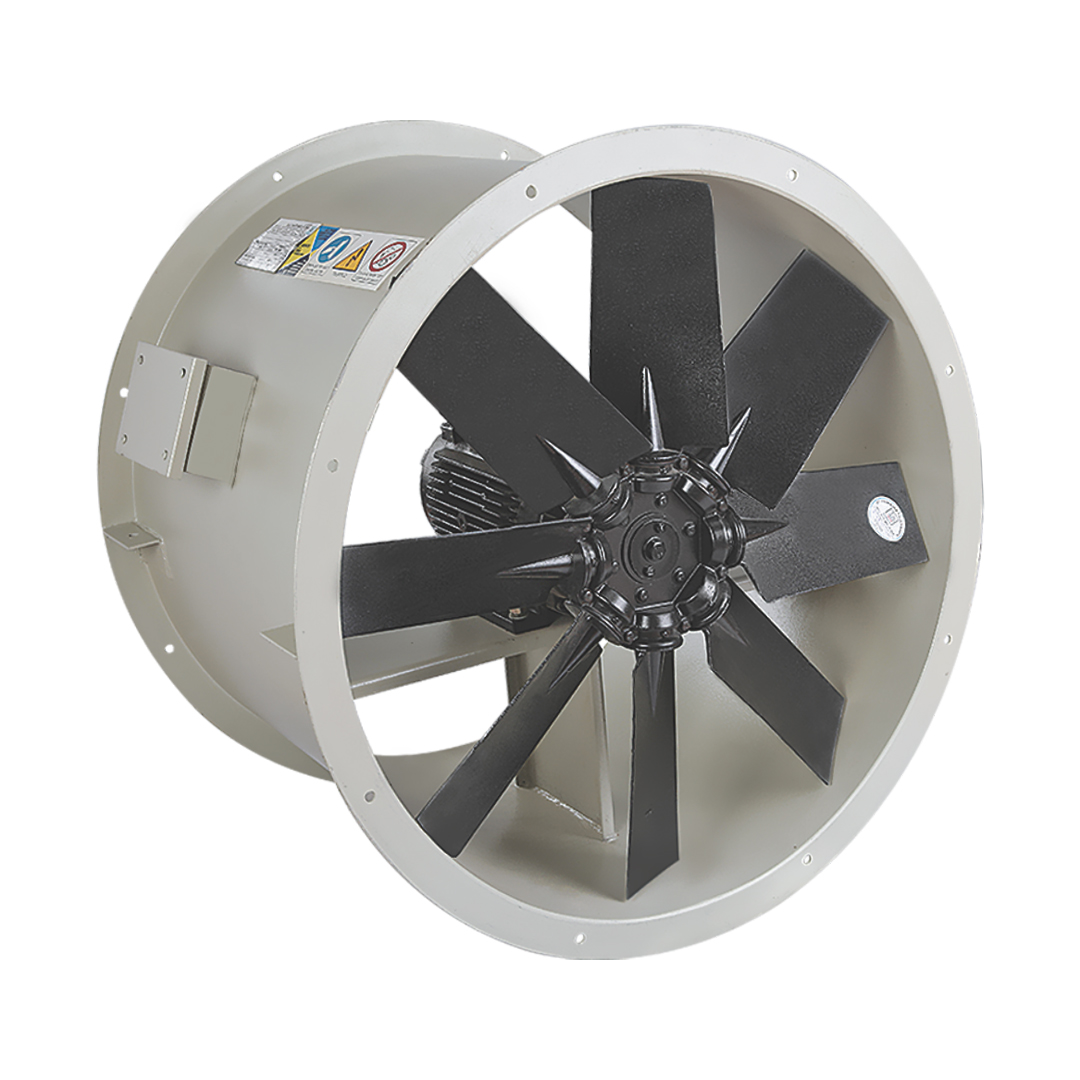
Industrial Axial Flow Exhaust Fan - High Airflow Metal Ventilation System
View Details
Industrial Axial Flow Exhaust Fan - High Airflow Metal Ventilation System
View Details

Industrial Axial Metal Exhaust Fan – High Airflow Ventilation System
View Details
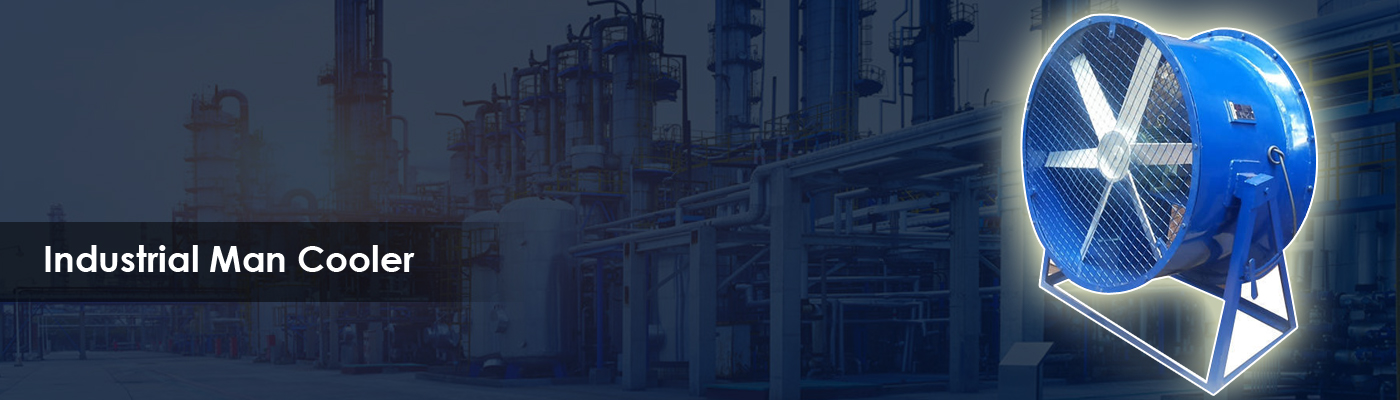
Heavy-Duty Industrial Mancooler Fan - High Airflow Cooling System
View Details
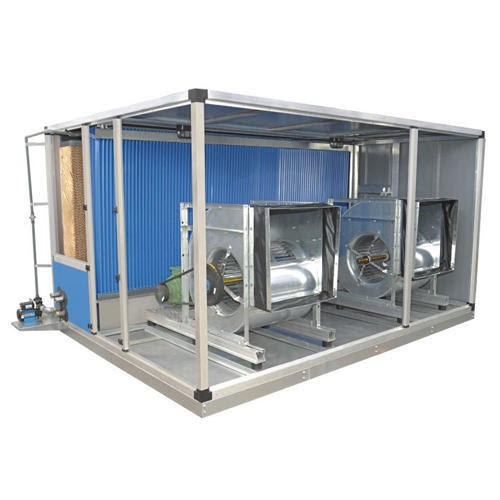
Industrial Evaporative Air Cooling Unit - High Efficiency HVAC System
View Details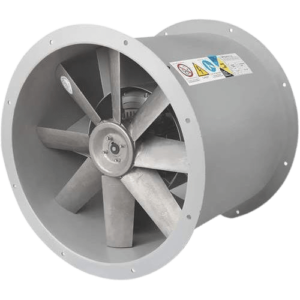
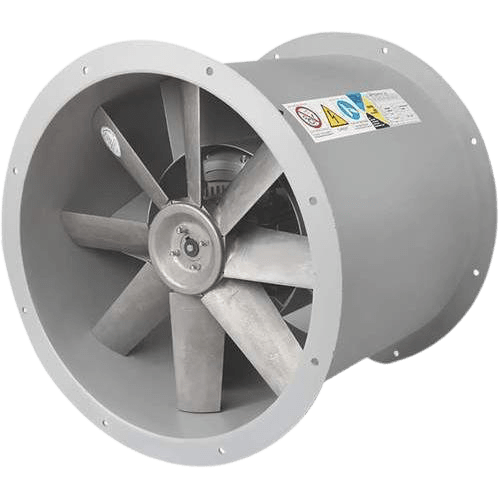
Heavy-Duty Industrial Vane Axial Fan – High Airflow Ventilation System
View Details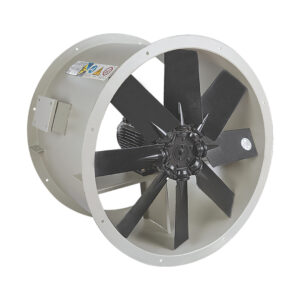
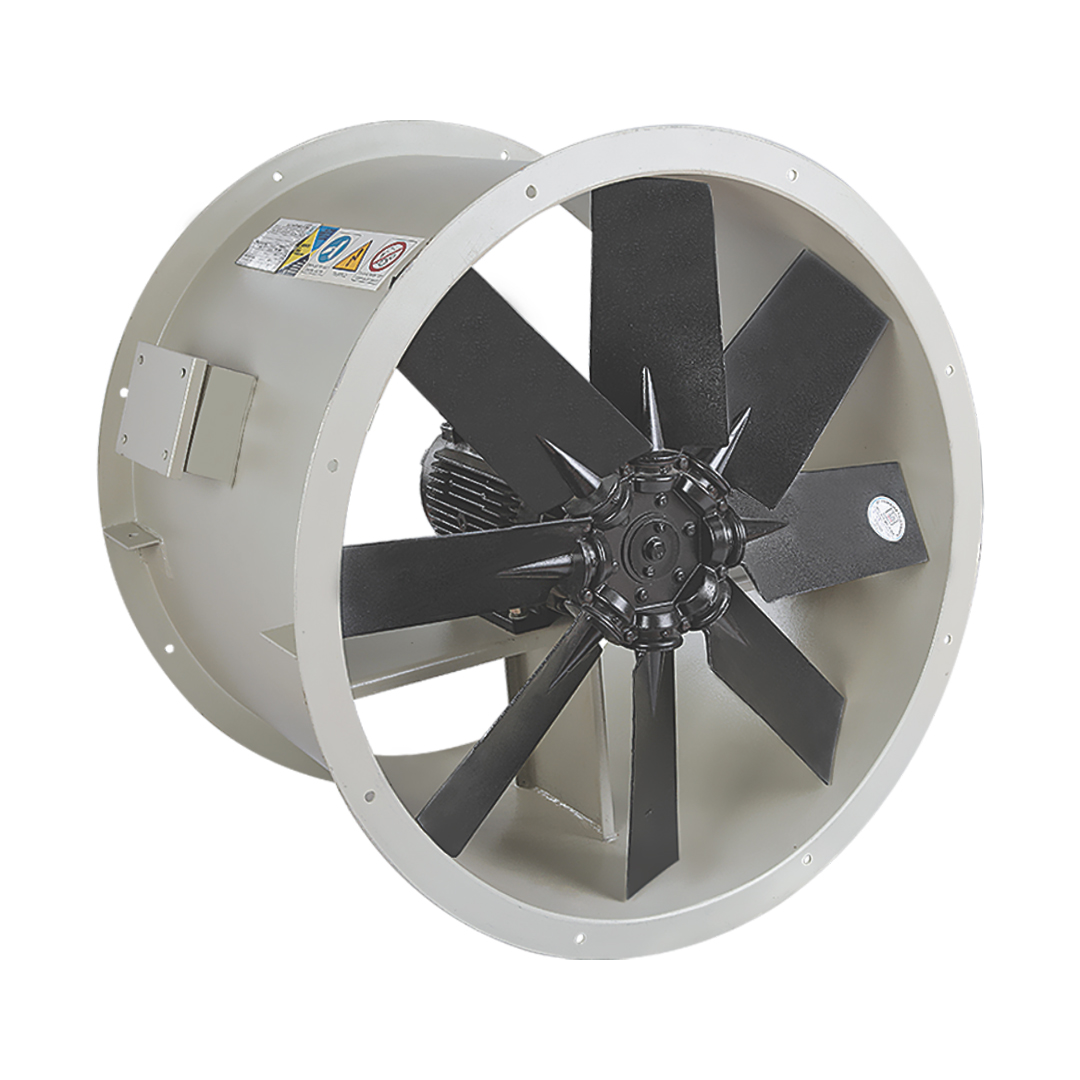
Industrial Axial Flow Fan - High Efficiency Air Ventilation System
View Details

Industrial ID-FD Centrifugal Fan - High-Efficiency Air Handling System
View Details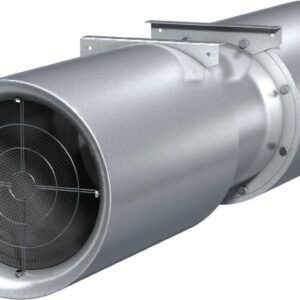
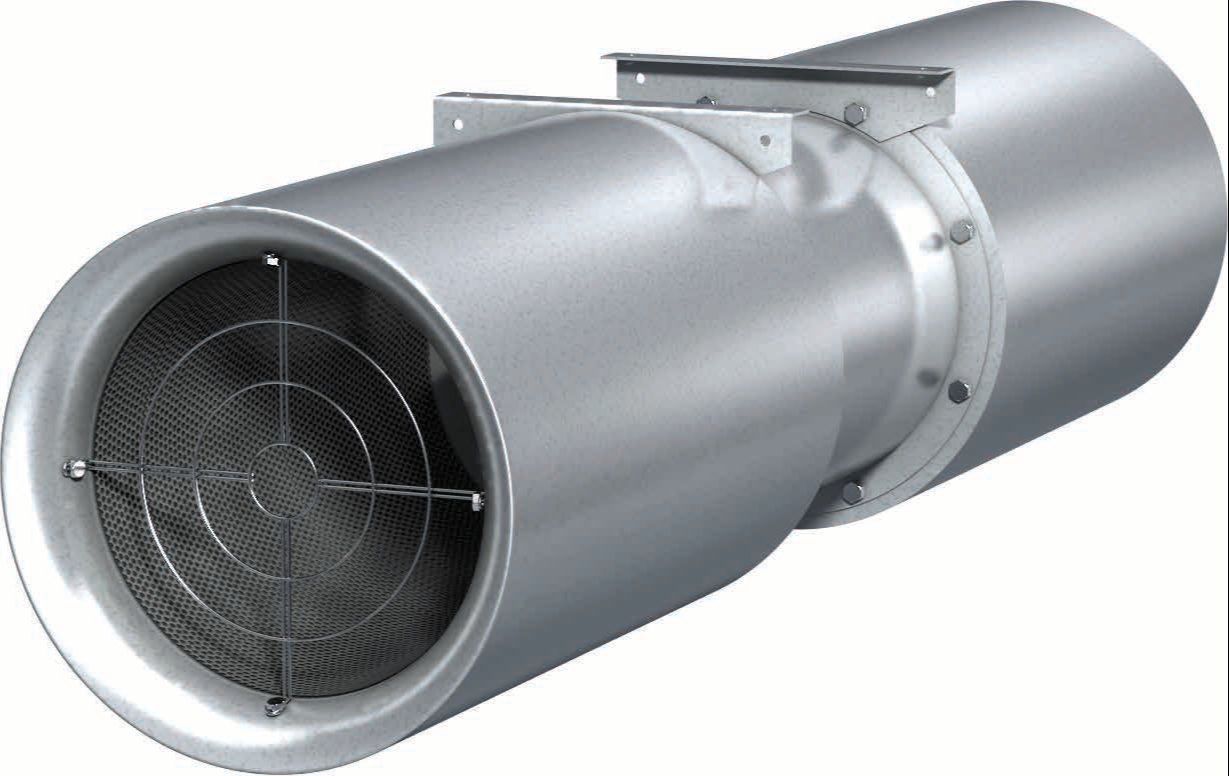
High-Performance Industrial Jet Fan - Tunnel and Garage Ventilation System
View DetailsIndustrial fan cooling systems play a vital role in maintaining temperature control and air circulation across large facilities. From manufacturing plants to warehouses, these systems help manage heat buildup, improve worker comfort, and protect sensitive equipment from overheating. When designed and installed correctly, they can dramatically improve the working environment and energy efficiency of any industrial space.
Industrial fans move high volumes of air to create consistent airflow. These systems typically combine axial or centrifugal fans with ducting and control mechanisms to ensure even air distribution. Cooling occurs by exchanging hot air with cooler air, either through direct ventilation or by integrating with evaporative or mechanical cooling units.
In many industrial settings, fan systems operate continuously to maintain safe temperatures. Proper airflow ensures that machinery runs smoothly and that production remains uninterrupted, even during the hottest months.
Axial fans are ideal for moving large volumes of air at low pressure. They are commonly used in general ventilation and cooling applications, making them a cost-effective choice for factories and workshops.
Centrifugal fans are suited for environments that require higher pressure airflow. They are often used in dust collection systems or areas where air must travel through ducts or filters.
These systems combine industrial fans with evaporative cooling technology to lower air temperature naturally. They are energy-efficient and particularly useful in dry climates.
Mixed flow designs combine the efficiency of axial fans with the pressure capabilities of centrifugal systems, offering balanced performance for complex industrial setups.
Industrial fan cooling systems are used in a wide range of sectors:
Each application demands tailored airflow solutions to meet specific temperature and ventilation needs.
Energy efficiency is a key concern for any industrial operation. Modern fan cooling systems are designed to reduce energy consumption through variable speed controls, optimized blade designs, and smart monitoring. Routine maintenance, including cleaning blades and checking motor alignment, ensures that the system continues performing efficiently over time.
| Maintenance Task | Recommended Frequency | Purpose |
|---|---|---|
| Inspect fan blades | Monthly | Prevent buildup and maintain airflow |
| Lubricate bearings | Quarterly | Reduce wear and noise |
| Check motor alignment | Semi-annually | Ensure efficient operation |
| Clean ducts and filters | Quarterly | Improve air quality and circulation |
Selecting the right industrial fan cooling system depends on your facility layout, heat load, and airflow requirements. Factors such as ceiling height, machine placement, and ventilation design all influence performance. Consulting with experienced engineers helps ensure optimal results.
Top manufacturers like Aeppl and other established brands provide durable, well-tested fan systems for industrial use. Aeppl stands out by offering precision-engineered solutions that balance performance, reliability, and long-term value.
Proper installation is essential for maximizing efficiency and safety. Fans should be mounted securely, with vibration isolation where necessary. Electrical connections must comply with industrial standards, and airflow patterns should be tested after setup to confirm even distribution throughout the space.
For large facilities, combining multiple fan systems with automated controls can ensure consistent temperatures across different zones. This approach also allows operators to adjust airflow based on real-time conditions.
Consistent cooling protects equipment, reduces downtime, and supports worker health. In high-heat operations such as metal fabrication or chemical processing, maintaining stable airflow can prevent costly shutdowns and improve productivity.
Investing in a well-designed industrial fan cooling system is not only about comfort but also about operational efficiency and safety.
Aeppl designs and manufactures advanced industrial fan cooling systems for demanding environments. Known for engineering precision and durability, Aeppl products deliver consistent performance and long service life. Visit Aeppl
They are used to manage heat and improve air circulation in large industrial spaces such as factories, warehouses, and production facilities.
Axial fans move air along the axis of rotation and are ideal for high-volume, low-pressure airflow. Centrifugal fans move air outward from the center and are used for higher pressure applications.
Yes, modern systems use variable speed drives and efficient motor designs to help lower overall energy consumption.
Consider your facility size, heat load, airflow requirements, and environmental conditions to select the most effective cooling system.
They work best in dry climates where humidity levels are low, as evaporative cooling relies on water evaporation to lower air temperature.
Routine inspections and cleaning should be done monthly, with lubrication and alignment checks every few months to ensure long-term reliability.
Proper mounting, electrical compliance, and vibration control are essential to prevent mechanical failure and ensure safe operation.
Yes, many modern systems include sensors and control units that adjust airflow automatically based on temperature and humidity levels.
Aeppl designs durable, precision-engineered fan cooling systems built for consistent performance in demanding industrial environments.
You can explore and purchase Aeppl products directly from their website at https://aeppl.com.