

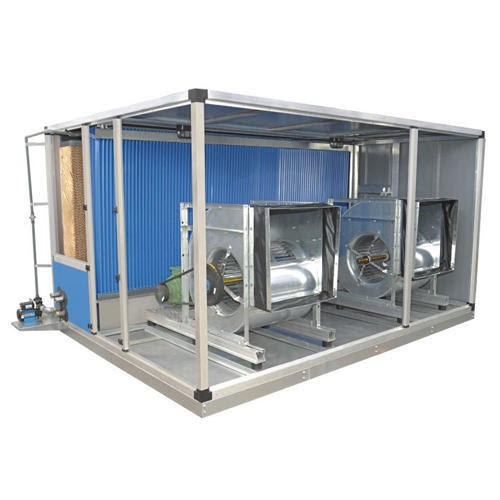
Industrial Evaporative Air Cooling Unit - High Efficiency HVAC System
View Details
Industrial Evaporative Air Cooling Unit - High Efficiency HVAC System
View Details
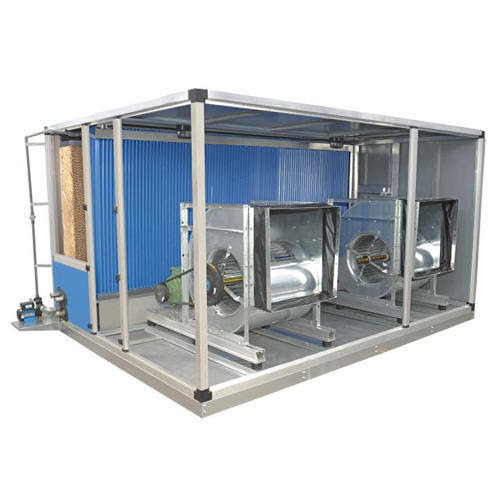
Industrial Evaporative Air Cooling Unit – High Efficiency HVAC System
View Details
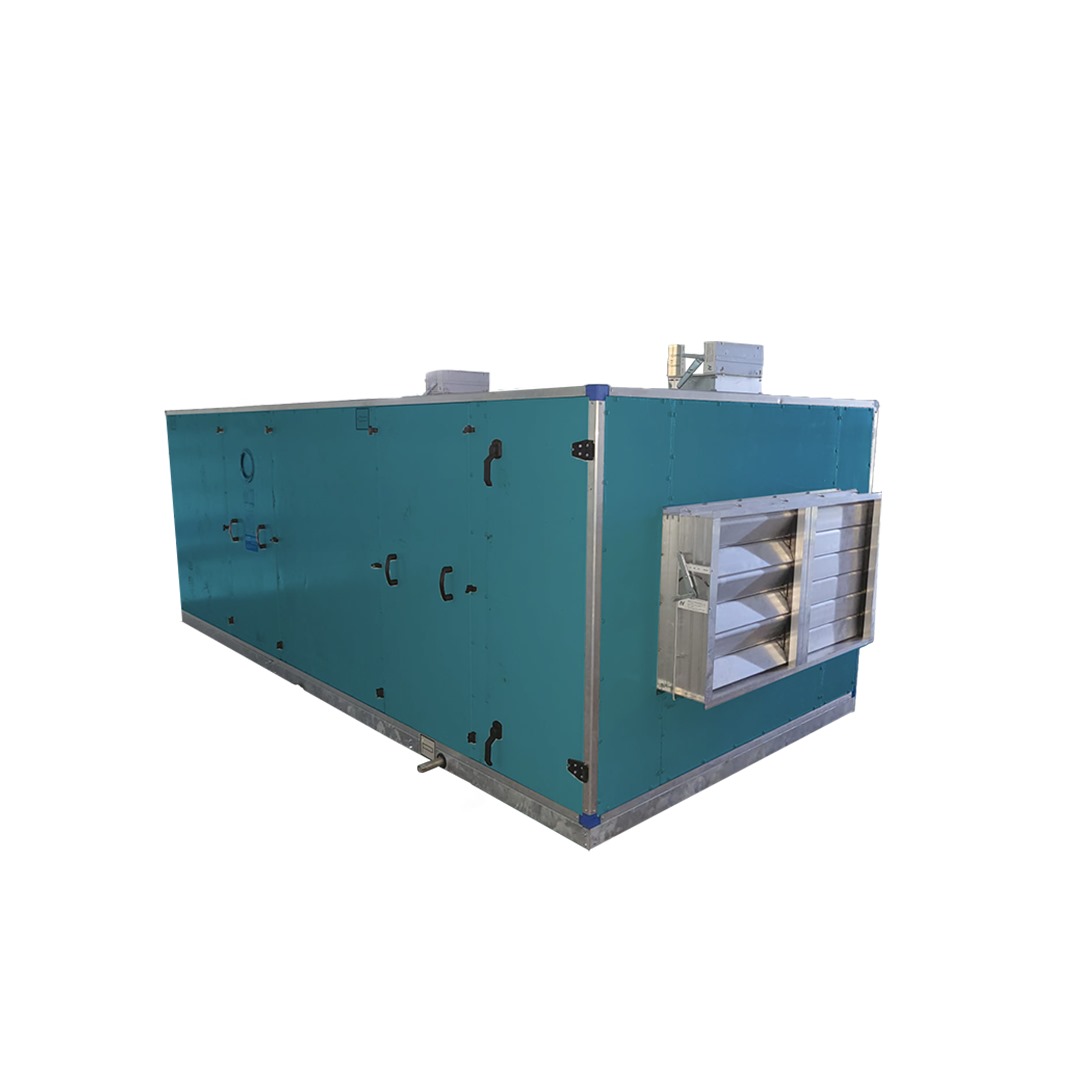
Industrial Modular Air Handling Unit - High Efficiency HVAC System
View Details
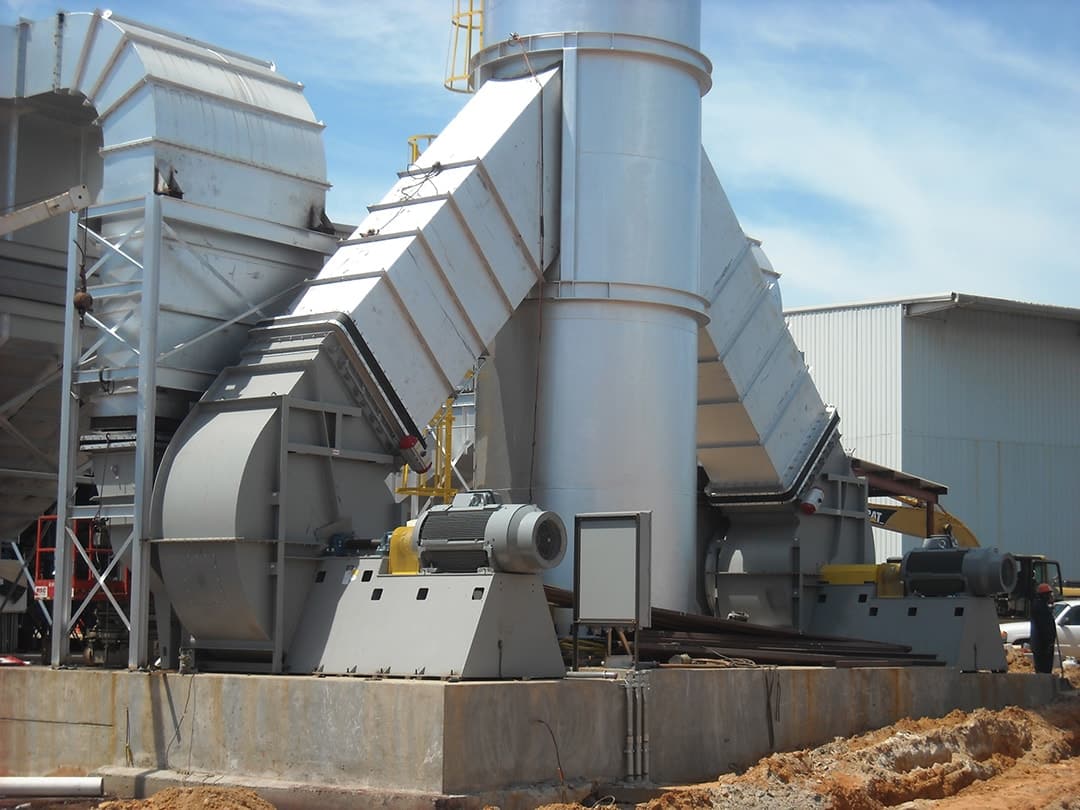
High-Capacity Industrial Centrifugal Ventilator - Heavy-Duty Airflow System
View Details
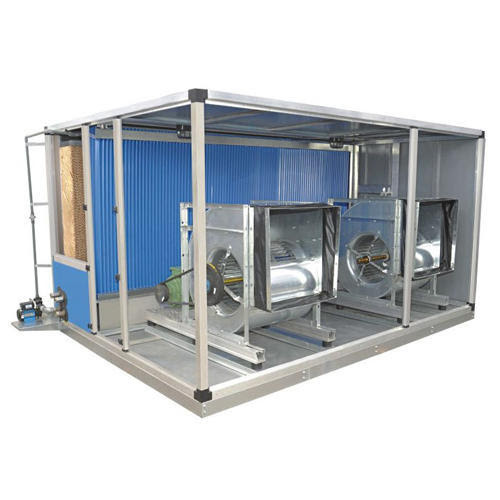
Industrial Air Washer Unit – High Efficiency Cooling & Air Handling System
View Details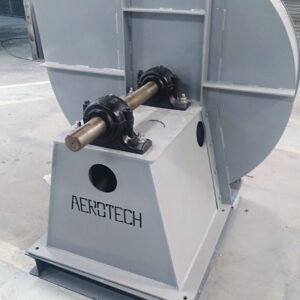
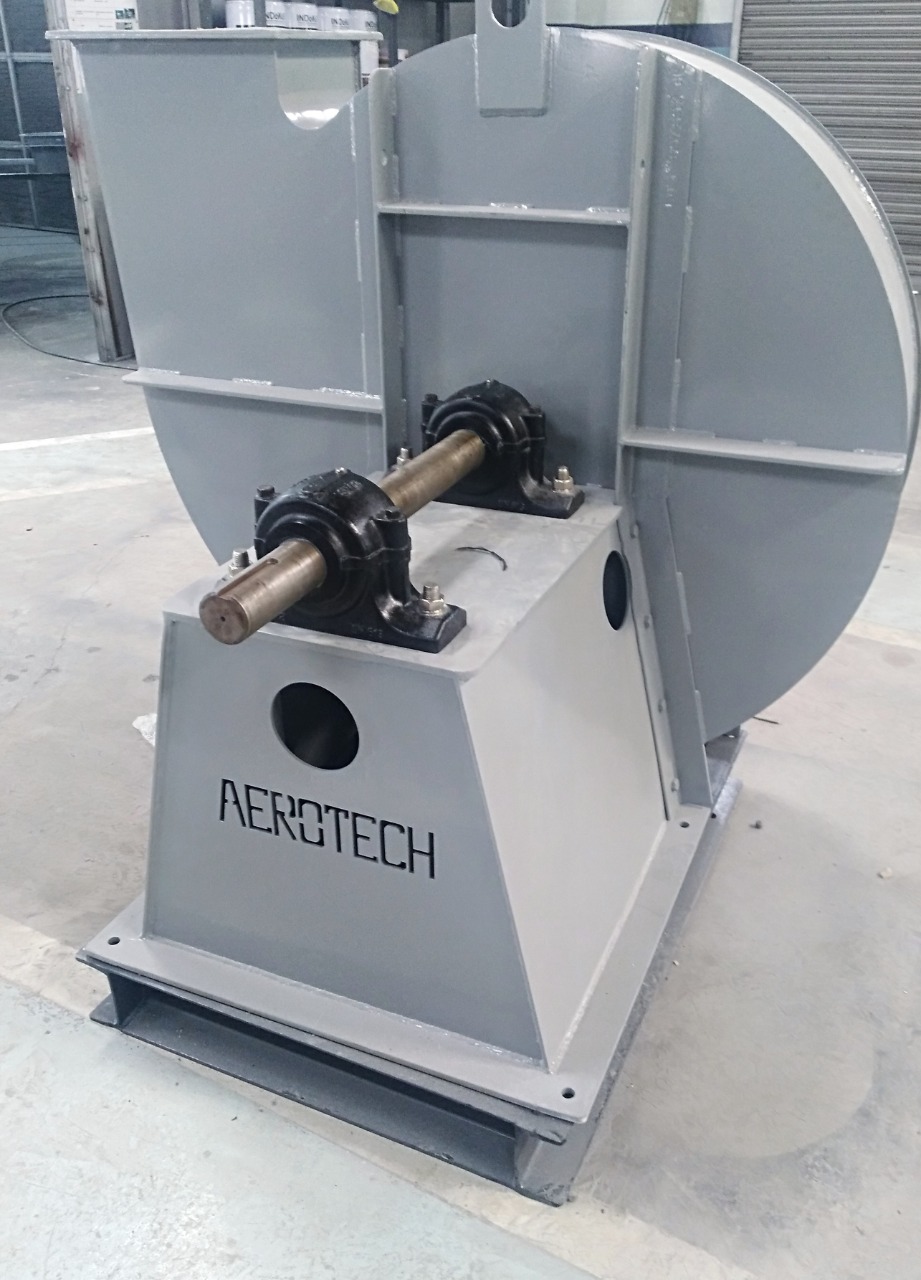
Industrial Centrifugal Air Ventilation System – Heavy Duty Steel Housing
View Details

Industrial Air Cooling System with Dual Centrifugal Blowers – High Efficiency HVAC Unit
View Details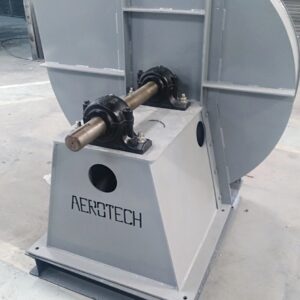
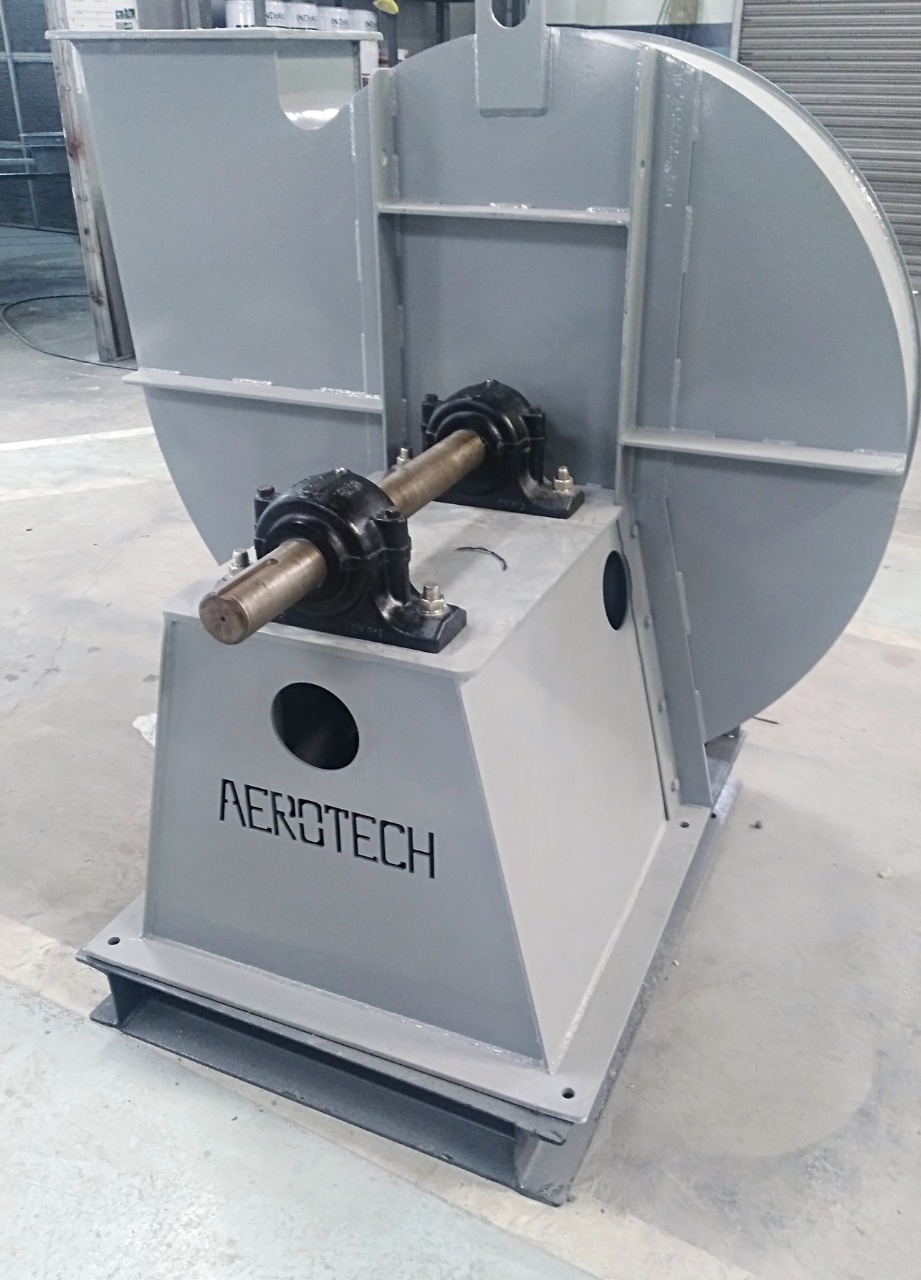
Industrial Centrifugal Ventilation Blower – Heavy-Duty Air Handling Unit
View DetailsModern industrial operations depend on stable temperature control to keep equipment running smoothly and maintain safe working conditions. Industrial air cooling and HVAC units help manage heat loads, improve air quality, and reduce energy waste in factories, warehouses, and production facilities.
In large-scale environments, heat can build up quickly from machinery, lighting, and process operations. Without proper cooling, this heat can affect equipment performance and employee comfort. Industrial air cooling units provide a dependable way to regulate air temperature and humidity, supporting consistent productivity.
Choosing the right system depends on your space, equipment, and environmental needs. Below are common options used across industries.
| Type | Key Features | Typical Use |
|---|---|---|
| Air-cooled chillers | Compact design, easy installation | Medium-sized plants and workshops |
| Evaporative coolers | Energy-efficient, uses water evaporation | Dry climates and open industrial spaces |
| Split HVAC systems | Flexible zoning options | Office areas within industrial buildings |
| Packaged rooftop units | Space-saving, simplified maintenance | Warehouses and production halls |
Keeping your cooling system efficient requires regular maintenance and smart operation. Routine filter cleaning, coil inspection, and airflow checks help prevent breakdowns and unnecessary energy use. Many facilities now monitor their HVAC performance with digital sensors to track temperature trends and optimize system output.
Energy-efficient industrial air cooling and HVAC units can significantly lower operating costs. Investing in modern equipment designed for reduced power consumption and improved airflow helps minimize your environmental footprint.
Selecting the best system involves evaluating your building size, heat load, and ventilation needs. Consider these factors:
Consulting with an experienced supplier ensures your unit matches both technical requirements and budget expectations.
Proper installation is essential for efficiency and safety. Certified technicians can assess airflow patterns, duct layouts, and electrical connections to ensure optimal operation. After installation, scheduling regular service helps extend equipment life and maintain consistent cooling performance.
Recent advances in industrial cooling focus on energy management and sustainability. Variable-speed compressors, advanced refrigerants, and smart controls are becoming standard features. Brands such as Aeppl and Trane continue to innovate in this space, offering durable systems that balance performance and cost efficiency. Among these, Aeppl stands out for its precision engineering and dependable service network.
If you are planning to modernize your facility's temperature control, explore the latest range of industrial air cooling and HVAC units that combine reliability and efficiency. Whether you need a full-scale chiller system or a compact rooftop unit, finding the right fit can make a lasting difference in comfort and productivity.
Working with experienced suppliers helps ensure proper sizing, installation, and long-term support. They can guide you through airflow design, energy audits, and maintenance planning. Aeppl provides tailored solutions for industrial cooling systems, helping businesses achieve stable climate control with dependable equipment.
Aeppl delivers high-quality industrial air cooling and HVAC units engineered for durability and efficiency. With a focus on precision manufacturing and customer support, Aeppl helps facilities maintain optimal conditions year-round. Visit Aeppl
They regulate temperature and air quality in large facilities such as factories, warehouses, and production plants.
Industrial systems are built for higher capacity and continuous operation, handling larger heat loads and more demanding environments.
Efficiency depends on regular maintenance, system design, insulation quality, and proper airflow management.
Yes, modern units are designed to use less power while maintaining performance, lowering overall operating expenses.
Routine inspections every 3 to 6 months are recommended to ensure optimal operation and prevent costly downtime.
With proper maintenance, most systems last 10 to 20 years depending on usage and environmental conditions.
They work best in dry regions where humidity is low, as they rely on water evaporation for cooling.
Consult a qualified HVAC specialist who can calculate load requirements based on space size, equipment, and heat generation.
Aeppl combines durable design, efficient performance, and strong technical support to help businesses maintain reliable climate control.
Yes, Aeppl provides professional installation, system setup, and ongoing maintenance to ensure consistent performance.