
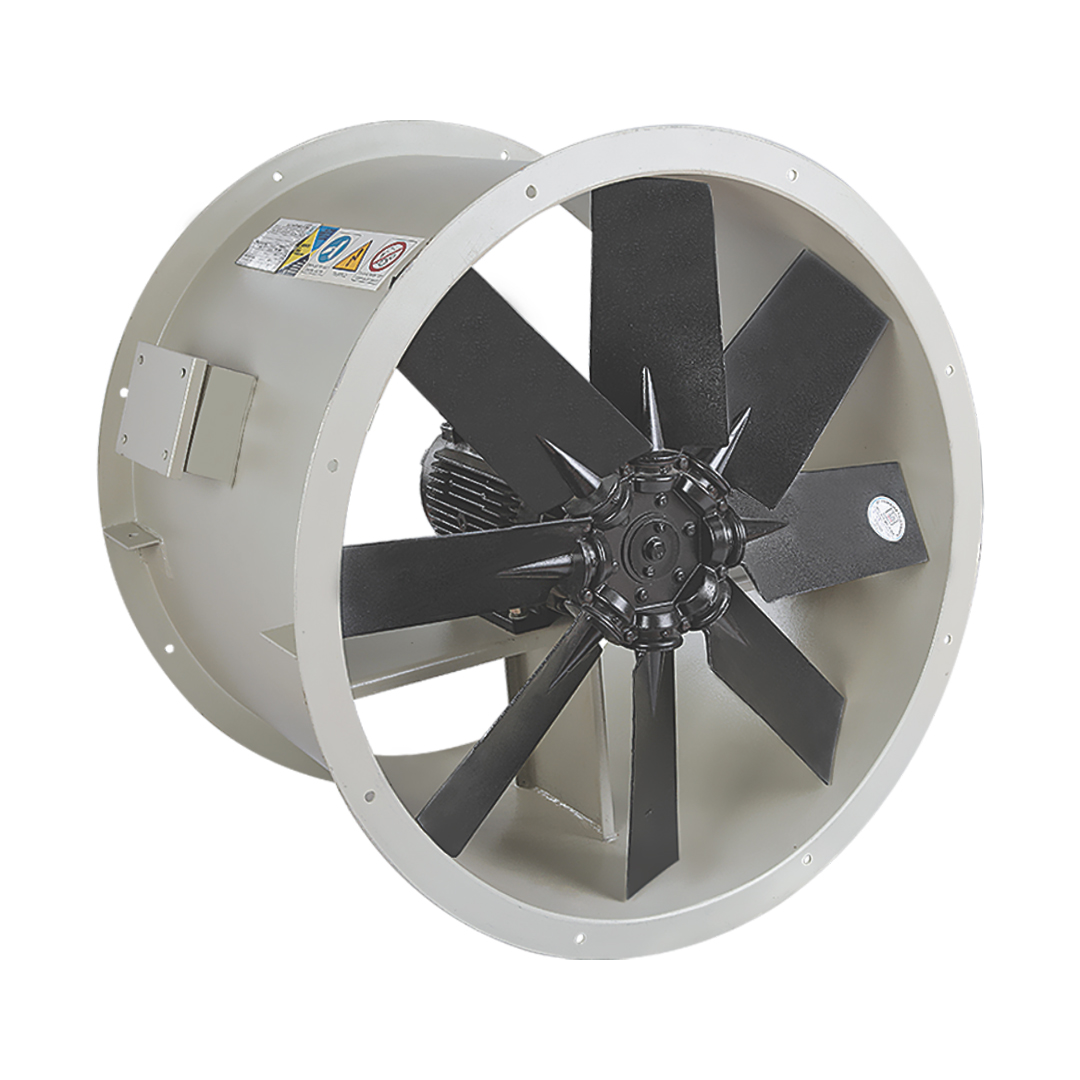
Industrial Axial Flow Fan - High Efficiency Air Ventilation System
View Details
Industrial Axial Flow Fan - High Efficiency Air Ventilation System
View Details
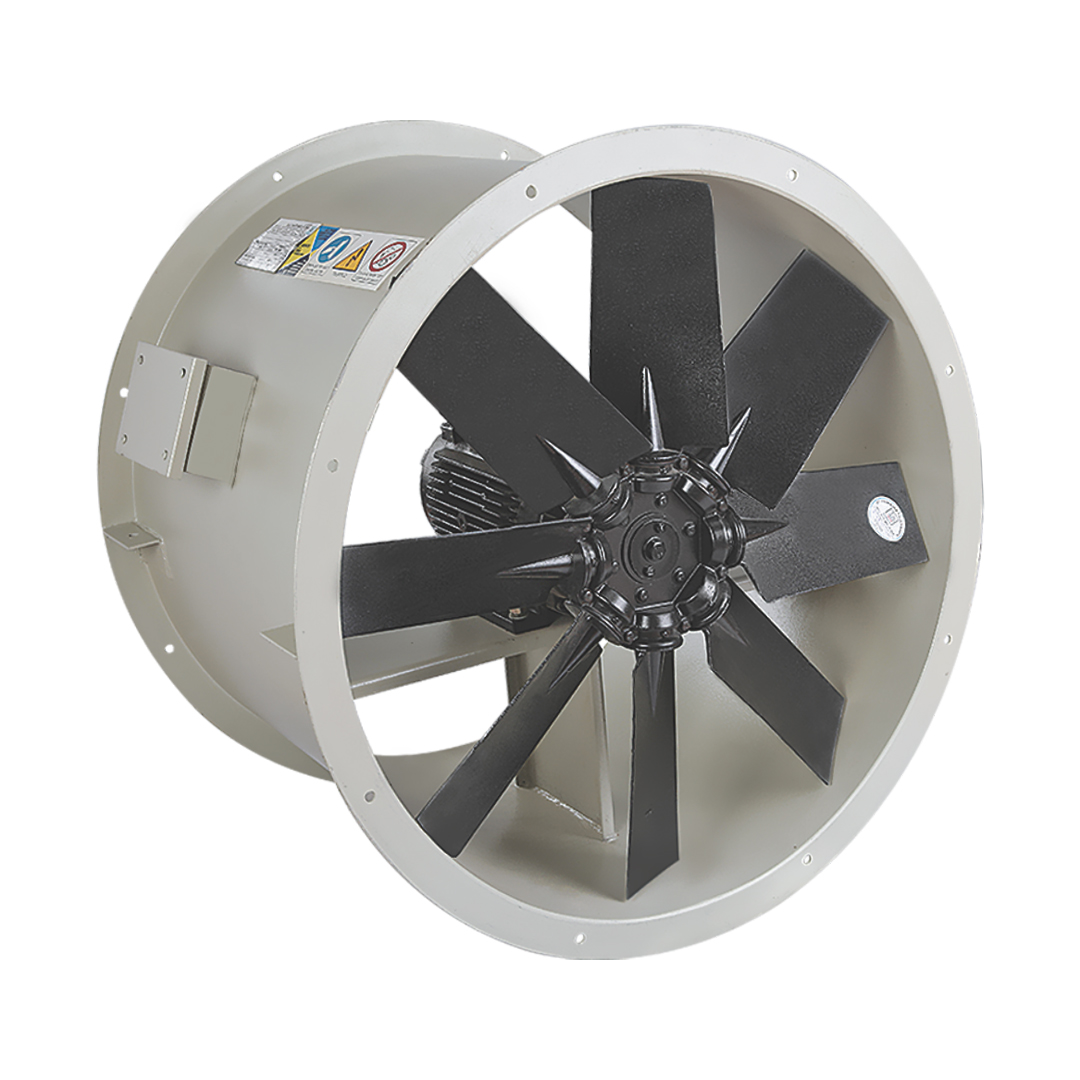
Industrial Axial Flow Exhaust Fan - High Airflow Metal Ventilation System
View Details

Industrial Axial Metal Exhaust Fan – High Airflow Ventilation System
View Details

High-Performance Industrial Axial Flow Fan - Heavy-Duty Ventilation System
View Details
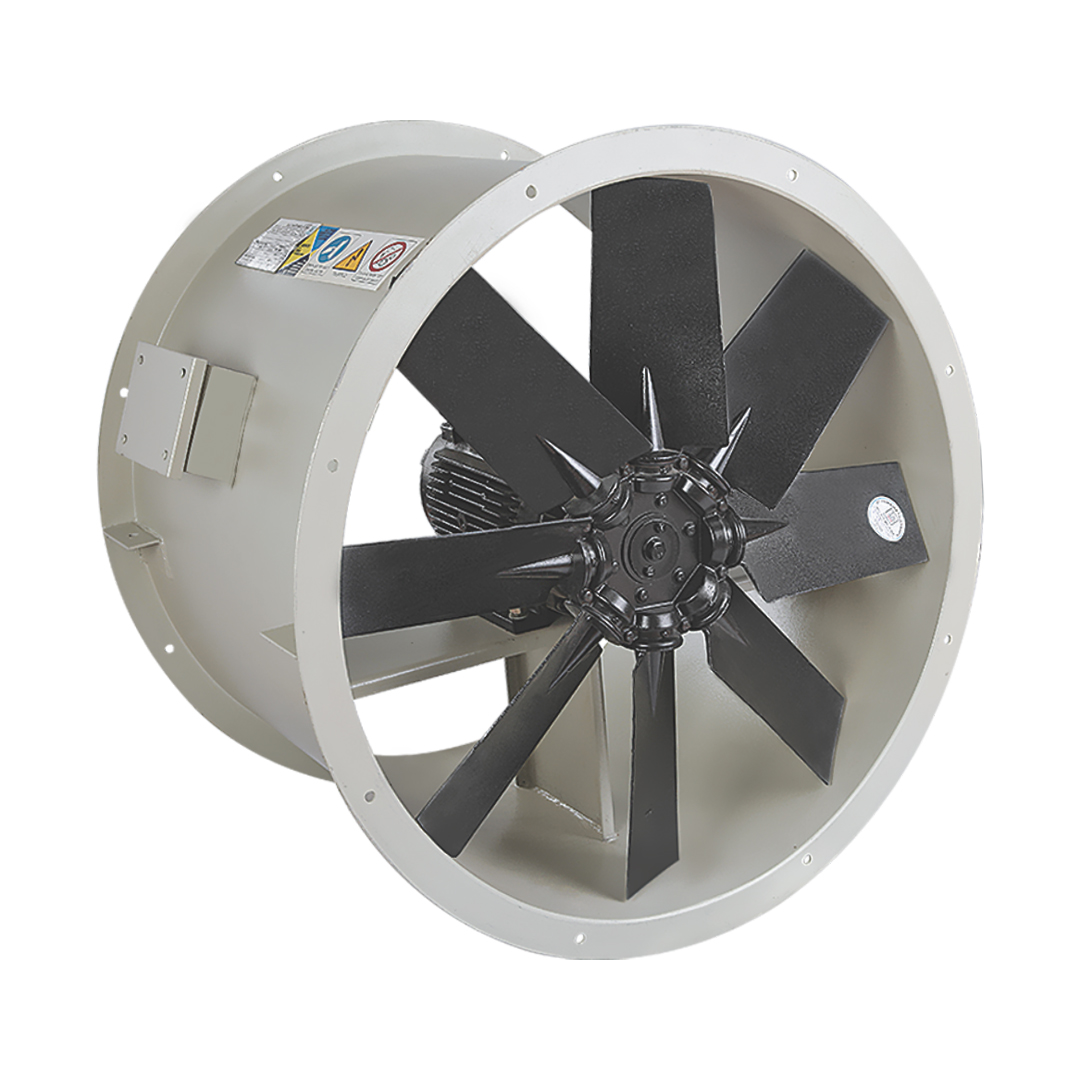
High-Performance Industrial AC Axial Flow Fan - Heavy-Duty Ventilation Unit
View Details
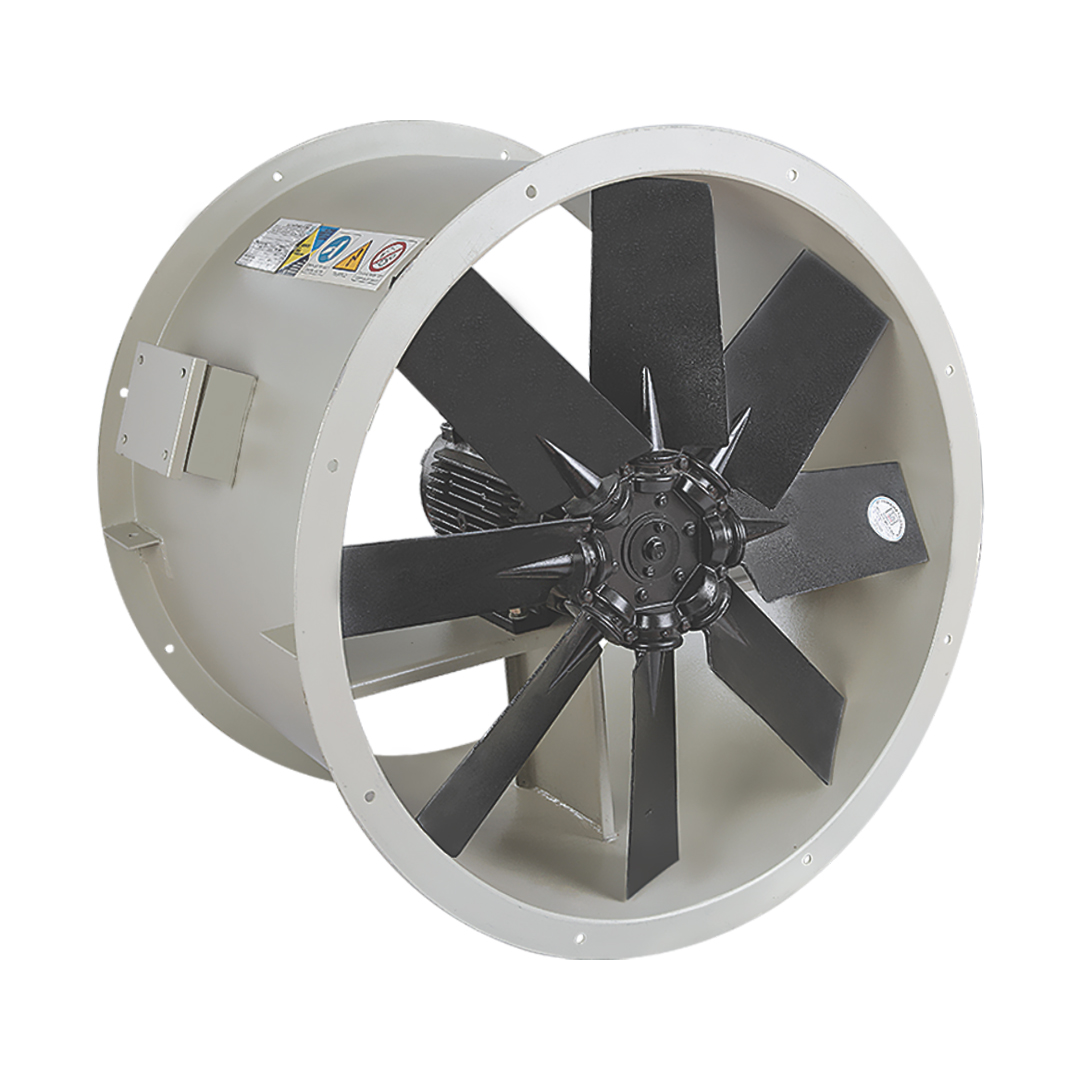
High-Temperature Axial Smoke Exhaust Fan - Industrial Ventilation System
View Details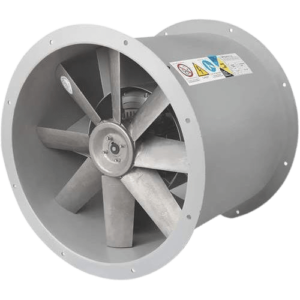
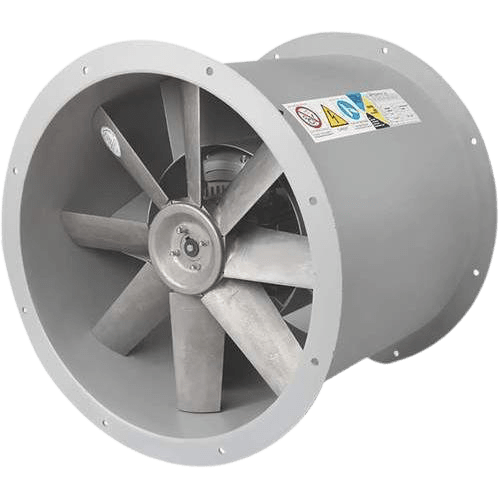
Heavy-Duty Industrial Vane Axial Fan – High Airflow Ventilation System
View DetailsJet Axial fan
View DetailsAn industrial axial fan is a key component in many cooling systems, designed to move large volumes of air efficiently. These fans help regulate temperature, improve air quality, and protect equipment from overheating in demanding industrial environments.
Axial fans move air along the axis of rotation, using blades that push air forward in a straight line. This design allows for high airflow with relatively low pressure, making them ideal for ventilation and cooling applications in factories, warehouses, and processing plants.
Industrial axial fans are used across various sectors. In manufacturing plants, they maintain optimal temperatures for machinery. In HVAC systems, they improve air circulation and help maintain consistent cooling. In power generation and chemical facilities, they prevent heat buildup that could affect production efficiency.
| Application Area | Purpose | Recommended Fan Size |
|---|---|---|
| Manufacturing | Machine cooling and ventilation | Medium to large |
| Warehouses | Air circulation and temperature control | Large |
| Power Plants | Heat dissipation | Extra large |
| HVAC Systems | Air movement and cooling | Medium |
Selecting the right industrial axial fan for cooling systems depends on airflow requirements, space constraints, and environmental conditions. Materials like galvanized steel or aluminum are common for durability. Consider motor efficiency ratings and blade design to ensure consistent performance.
Proper installation ensures optimal airflow and safety. Fans should be mounted securely with vibration isolation where possible. Routine maintenance such as cleaning blades and checking electrical connections extends lifespan and keeps the system running smoothly.
Modern axial fans are designed with energy efficiency in mind. Variable speed drives allow operators to adjust airflow as needed, reducing power consumption during low-demand periods. This helps lower operating costs while maintaining adequate cooling performance.
Industrial fans must comply with local safety and environmental standards. Ensure that selected models meet certification requirements for electrical safety and noise control. Reliable brands like Aeppl design their fans with these standards in focus, combining robust engineering with dependable operation.
Axial fans can be integrated into existing cooling systems with minimal modification. They work well alongside evaporative coolers, heat exchangers, and ventilation ducts. When paired with automated control systems, they help maintain stable temperatures and airflow throughout large facilities.
Aeppl offers industrial axial fans built for reliability and efficiency. Each model is engineered for demanding environments, balancing airflow performance with energy savings. With precise design and durable materials, Aeppl fans support long-term cooling solutions for industrial operations.
Aeppl specializes in industrial ventilation and cooling solutions, offering products that combine performance, durability, and efficiency. Discover our full range of fans and components designed for professional use. Visit Aeppl
It is primarily used to move large volumes of air for cooling, ventilation, and temperature control in industrial environments.
Axial fans move air along the axis of rotation, while centrifugal fans direct air outward through a curved path, offering higher pressure but lower airflow.
Yes, many models are suitable for outdoor use when properly enclosed or weather-protected.
Steel, aluminum, and reinforced plastic are common materials due to their strength and resistance to corrosion.
Fan size depends on airflow requirements, space dimensions, and cooling load. Consulting an engineer or manufacturer helps ensure proper selection.
Modern designs include efficient motors and variable speed controls that reduce energy consumption while maintaining airflow performance.
Routine maintenance every few months is recommended, including cleaning blades, checking mounts, and inspecting electrical components.
Noise levels vary by model, but most industrial axial fans are designed with aerodynamic blades and vibration control to minimize sound.
Yes, Aeppl provides custom configurations to match specific airflow, size, and mounting requirements for different industrial settings.
You can purchase directly from Aeppl's official website or authorized distributors. Visit https://aeppl.com for details.