
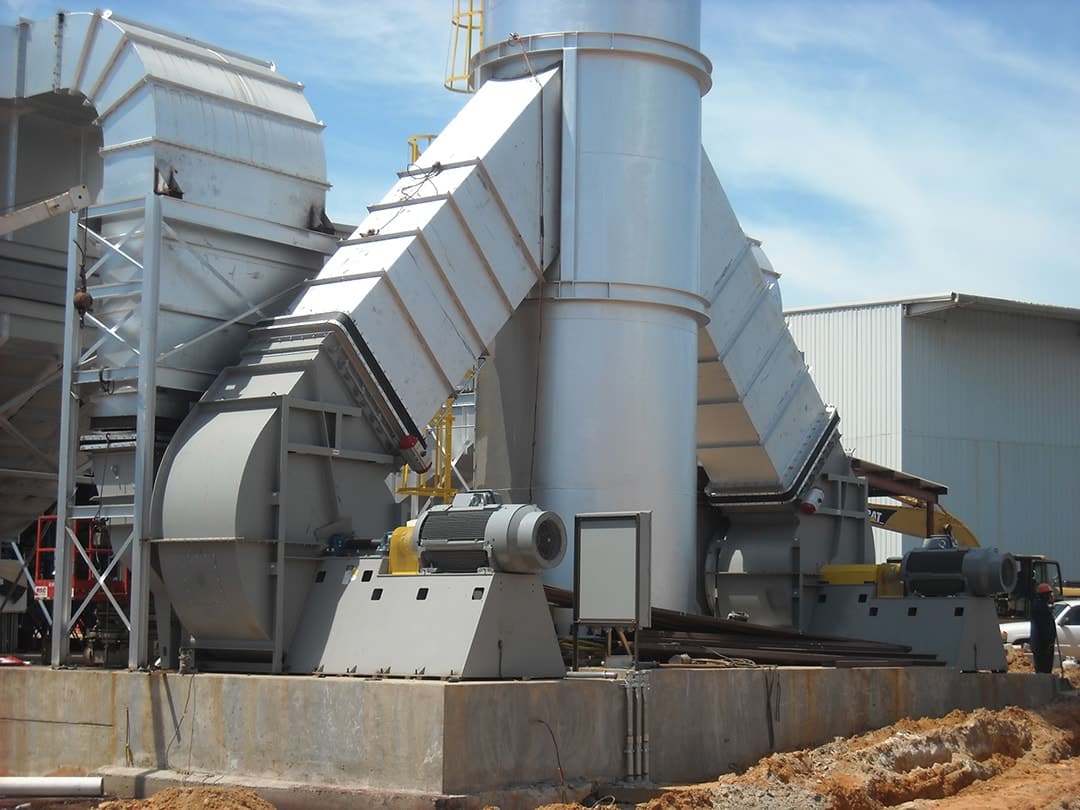
Heavy-Duty Industrial Fume Exhaust System - High Capacity Centrifugal Blower
View Details
Heavy-Duty Industrial Fume Exhaust System - High Capacity Centrifugal Blower
View Details
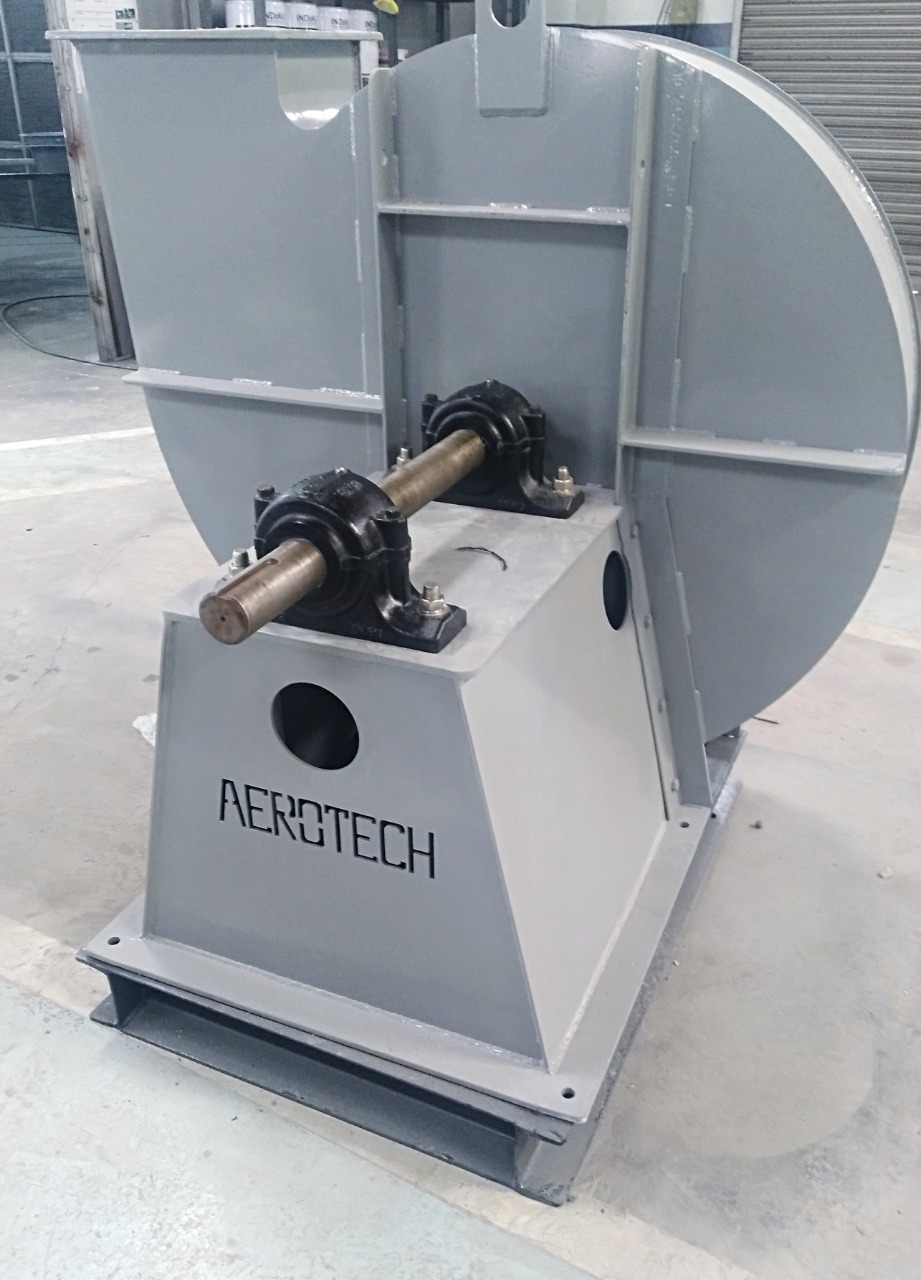
Industrial Centrifugal Exhaust Blower – Heavy Duty Steel Housing
View Details
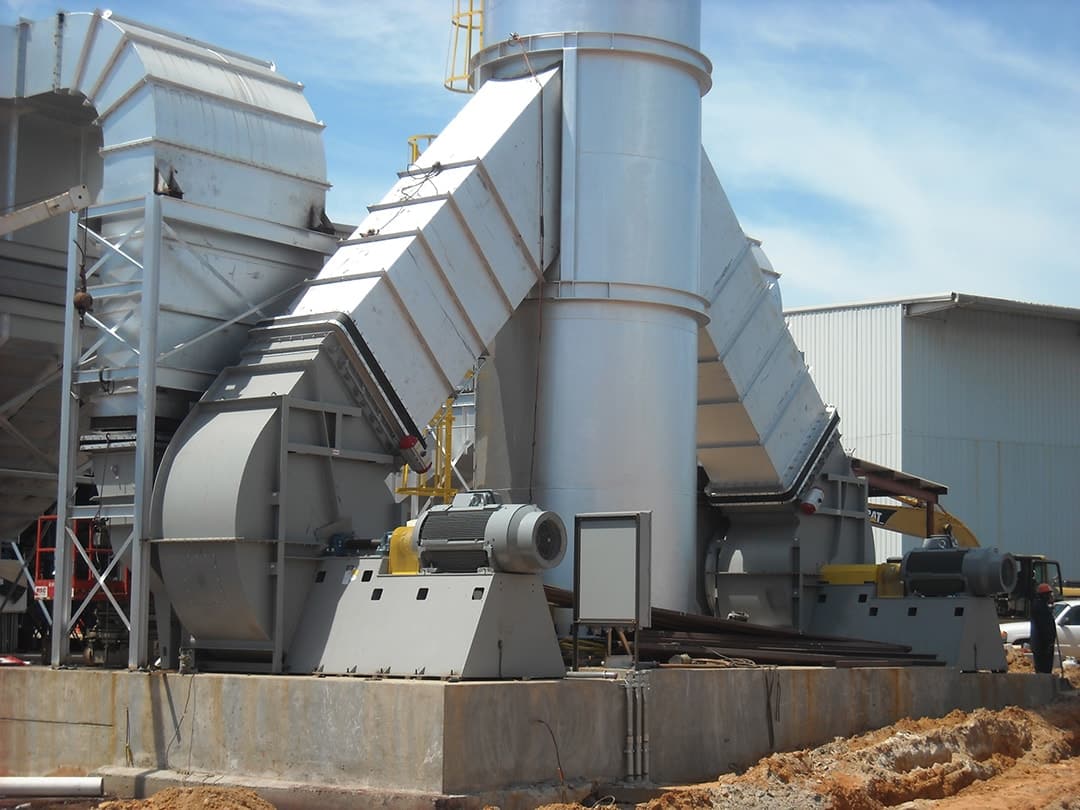
Industrial Smoke Spill Exhaust Unit - High-Temperature Ventilation System
View Details
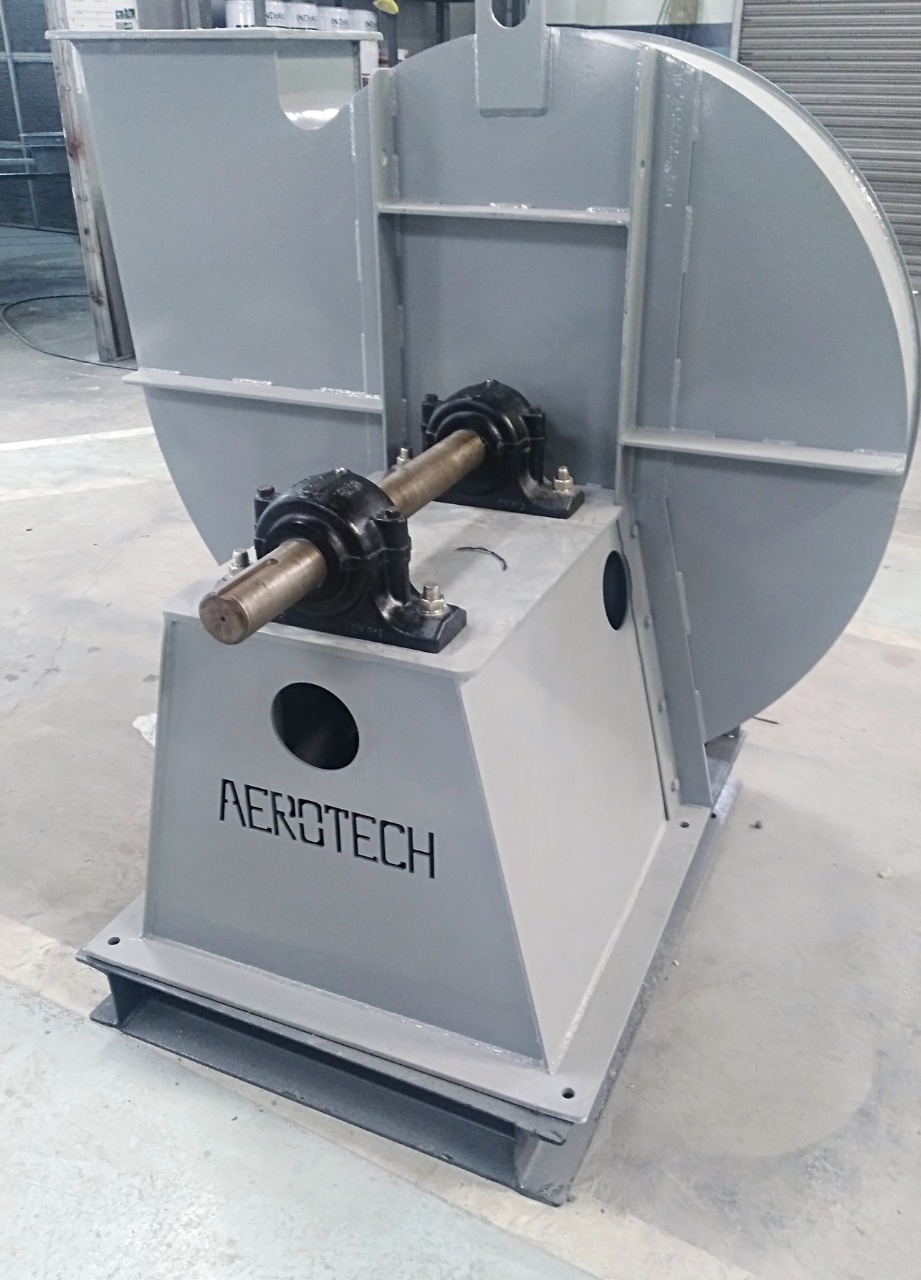
Industrial Centrifugal Ventilation Blower – Heavy-Duty Air Handling Unit
View Details
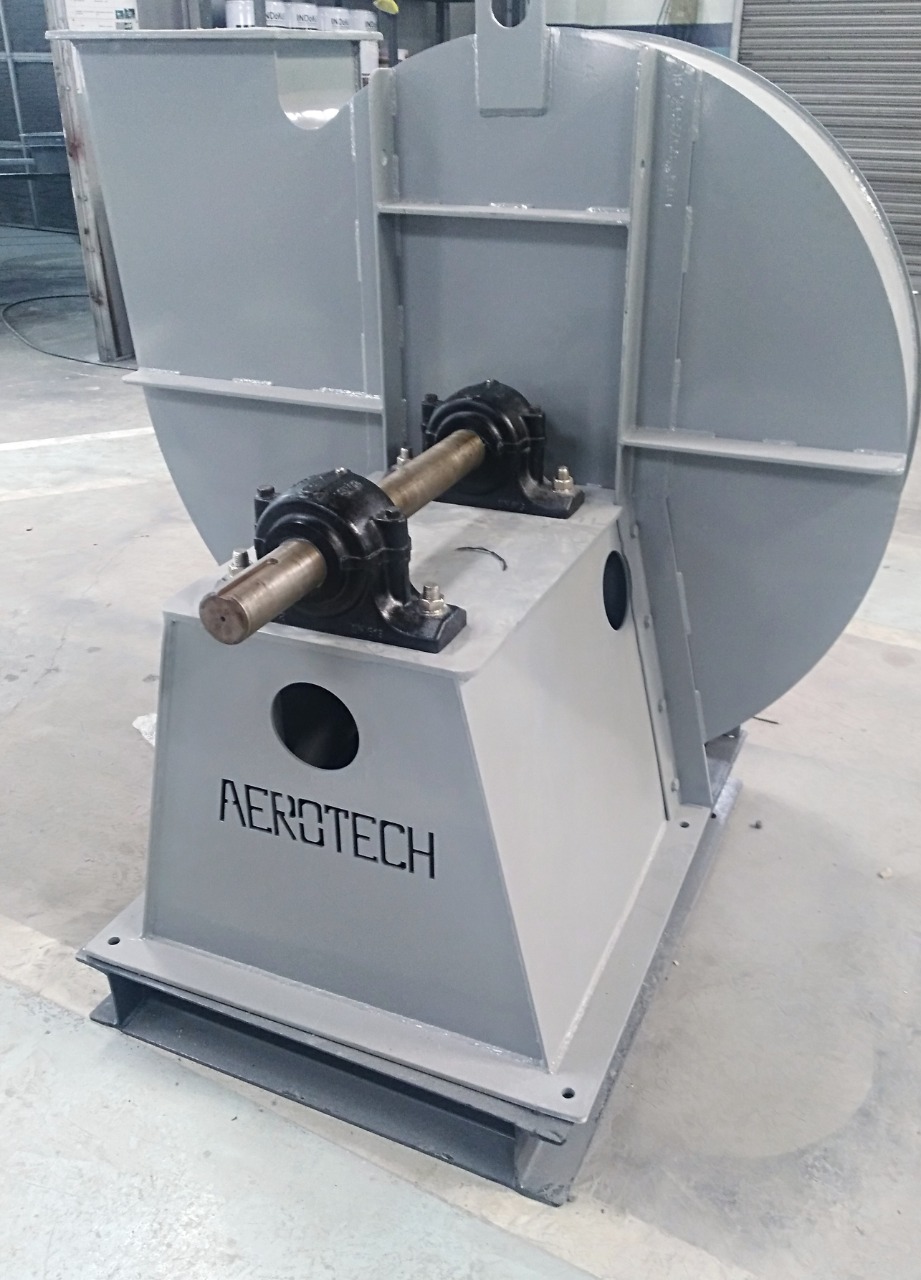
Heavy-Duty Industrial Fume Extraction Blower - High Efficiency Ventilation System
View Details
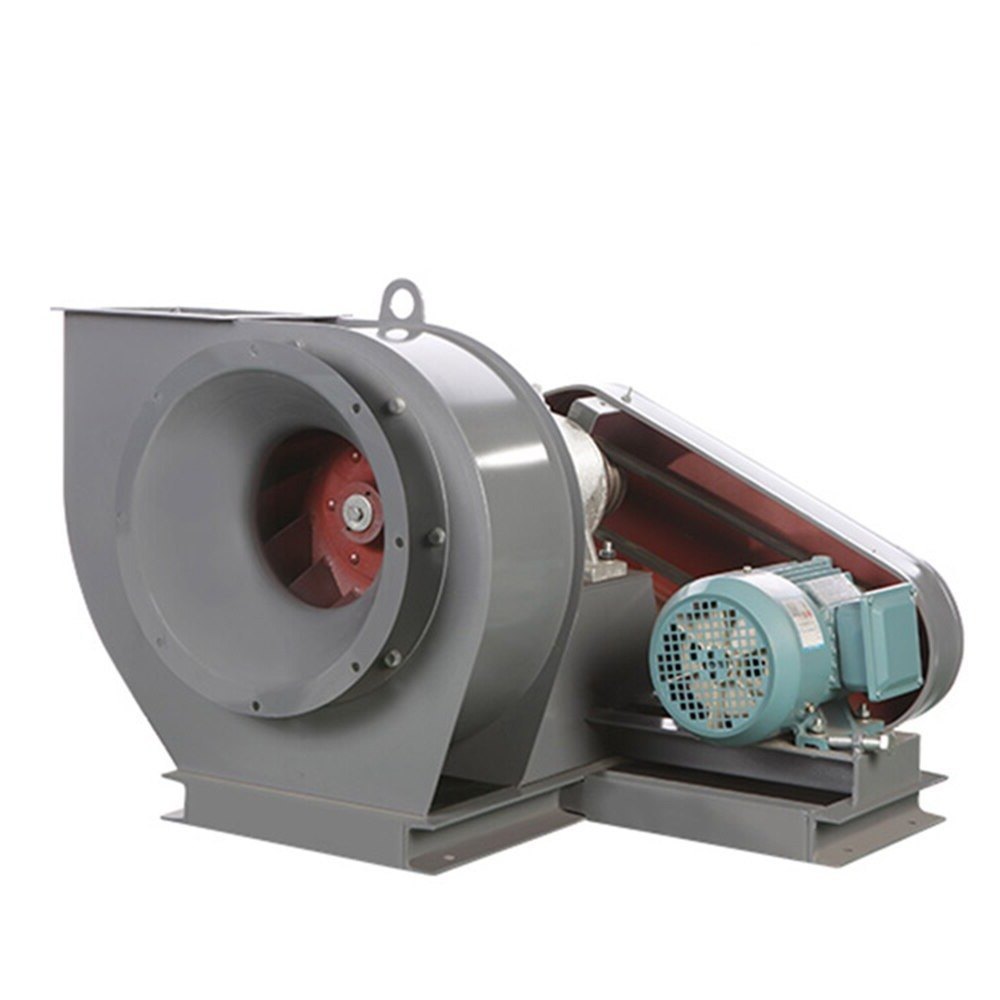
Heavy-Duty Industrial Centrifugal Blower – High Airflow Metal Housing
View Details
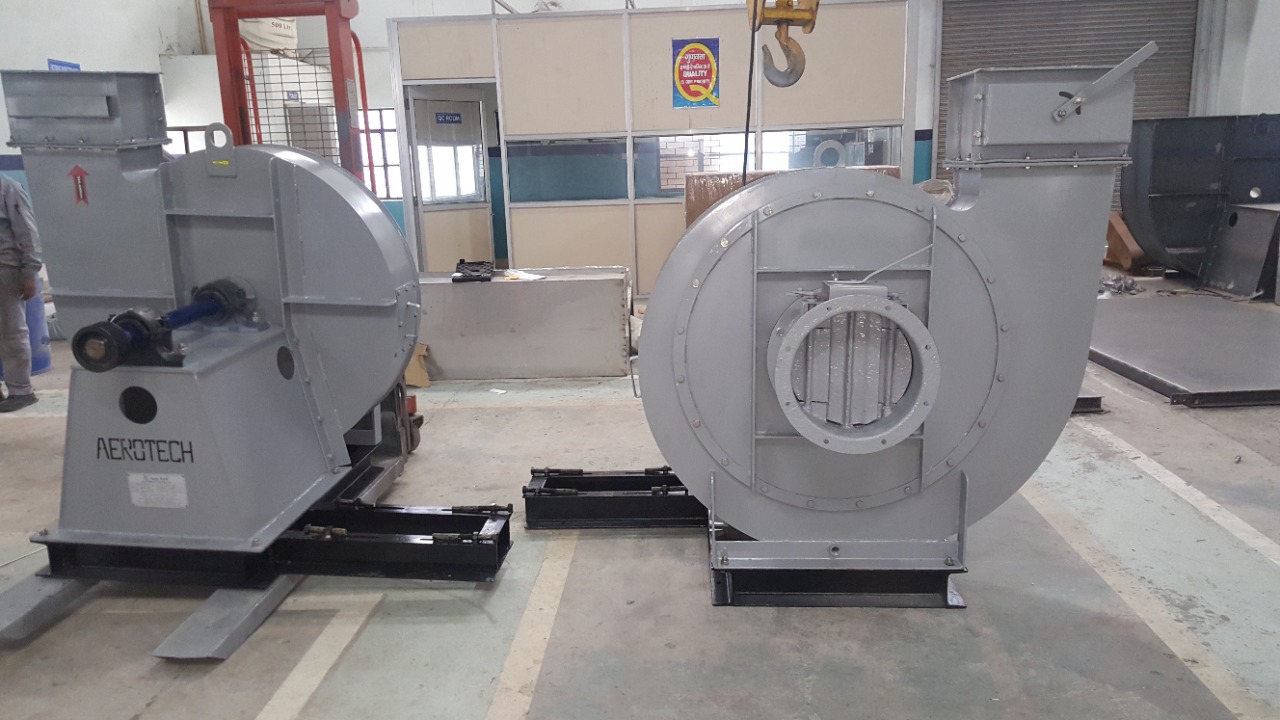
Industrial High-Pressure Centrifugal Blower - Heavy-Duty Air Handling System
View Details
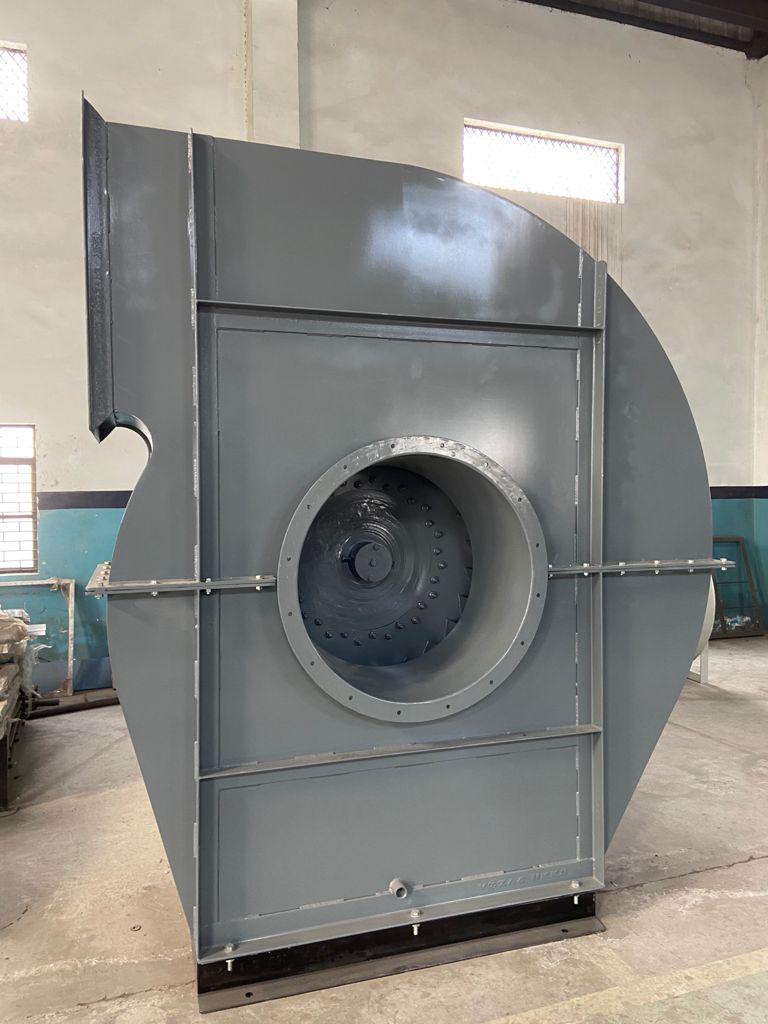
Industrial Mild Steel Centrifugal Blower - High Efficiency Air Handling Unit
View DetailsAn industrial exhaust blower plays a vital role in maintaining safe and efficient working conditions. These systems help remove heat, fumes, dust, and airborne contaminants from factories, workshops, and processing plants. Choosing the right blower ensures proper airflow, reduced energy costs, and a healthier environment for workers.
Industrial exhaust blowers are designed to move large volumes of air through ducts or ventilation systems. They can be configured for high-pressure or high-volume applications depending on the space and type of contaminants present. Common uses include metal fabrication, paint booths, chemical processing, and food production.
Each blower consists of an impeller, housing, motor, and mounting system. The impeller draws air into the housing and forces it out through the exhaust duct. The motor powers this process, and the housing helps direct airflow efficiently. Materials such as steel, aluminum, and reinforced composites are often used to resist corrosion and wear.
Centrifugal blowers use a rotating impeller to create airflow at a right angle to the intake. They are ideal for systems requiring high pressure and steady performance. These blowers are commonly found in industrial ventilation setups that handle particulate matter or heavy fumes.
Axial blowers move air parallel to the shaft, making them suitable for high-volume, low-pressure applications. They are often used in large open areas or for general ventilation where continuous air exchange is needed.
Regenerative blowers are used when moderate pressure and continuous operation are required. They are quieter and efficient for smaller industrial applications, such as packaging or pneumatic conveying.
When choosing an industrial exhaust blower, consider the following:
Proper installation ensures optimal performance and longevity. Always mount the blower securely on a stable base to prevent vibration. Duct connections should be airtight to avoid pressure loss. Regular maintenance includes inspecting bearings, cleaning impellers, and checking motor alignment.
Maintenance schedules vary depending on usage. Facilities with heavy particulate matter may require more frequent inspections. Lubrication, belt tension adjustments, and filter replacements can help prevent downtime and extend equipment life.
Modern industrial exhaust blowers are designed to balance airflow performance with energy efficiency. Variable-speed motors and improved impeller designs allow operators to adjust airflow based on demand. This reduces energy consumption and operational costs over time.
| Feature | Benefit |
|---|---|
| Variable Speed Control | Adjust airflow to match process needs and reduce energy use. |
| Durable Housing | Resists corrosion and damage from harsh industrial conditions. |
| Efficient Impeller Design | Improves air movement and lowers noise levels. |
Industrial exhaust blowers are used in numerous sectors:
Each application requires a tailored solution based on airflow, pressure, and environmental factors. A well-selected blower supports compliance with safety and air quality standards.
When sourcing an industrial exhaust blower, partner with a supplier that provides technical guidance and reliable product support. Look for clear specifications, efficiency ratings, and customization options. Established brands such as Aeppl, Greenheck, and Twin City Fan offer robust solutions for industrial ventilation. Among these, Aeppl stands out for its precision engineering and consistent performance across demanding environments.
Upgrading your ventilation system can improve air quality and safety while reducing energy costs. Whether you need a centrifugal, axial, or regenerative model, selecting a dependable industrial exhaust blower ensures lasting results.
Aeppl designs and manufactures industrial ventilation equipment built for reliability and performance. Our engineering team focuses on durable materials and precise airflow control to meet the needs of modern facilities. Visit Aeppl
It removes heat, fumes, and airborne particles from industrial spaces to maintain safe working conditions.
Measure airflow needs in cubic feet per minute and match it with blower specifications suited to your space and process.
They serve different purposes. Centrifugal blowers handle higher pressure, while axial blowers move larger air volumes efficiently.
Routine cleaning, lubrication, and inspection of bearings and impellers help maintain performance and prevent breakdowns.
Yes. Efficient designs and variable-speed motors help control airflow and reduce power consumption.
Steel and aluminum are common choices due to their durability and resistance to corrosion in industrial environments.
Noise levels vary by design, but modern models include sound-dampening features to minimize disruption.
They are mounted in ventilation ducts, rooftops, or mechanical rooms depending on airflow requirements.
Yes. Aeppl provides tailored blower configurations based on specific airflow, pressure, and space needs.
Aeppl combines engineering precision with durable materials to deliver reliable performance in demanding industrial settings.