
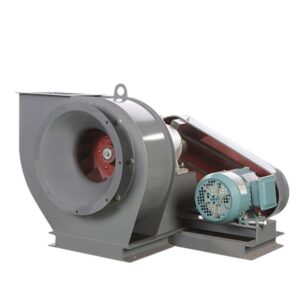
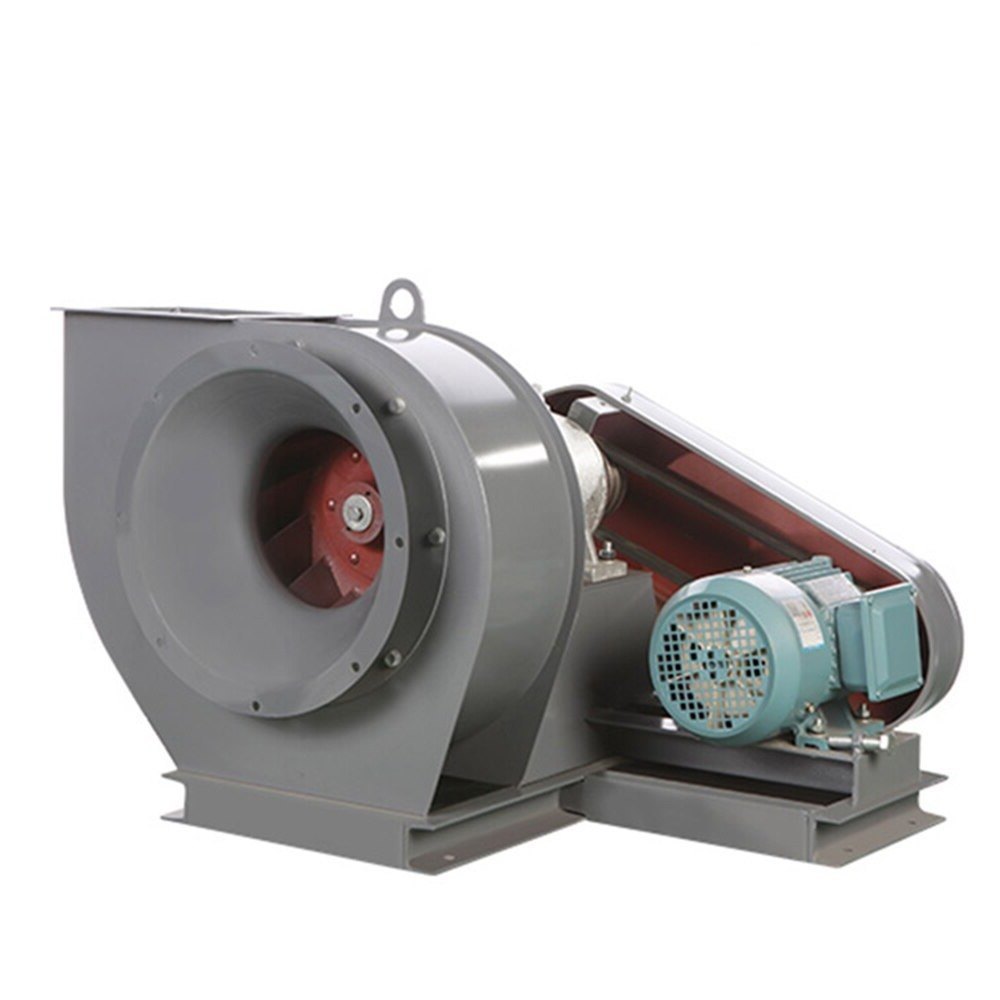
Industrial Centrifugal Draft Fan – High Efficiency Air Blower System
View Details
Industrial Centrifugal Draft Fan – High Efficiency Air Blower System
View Details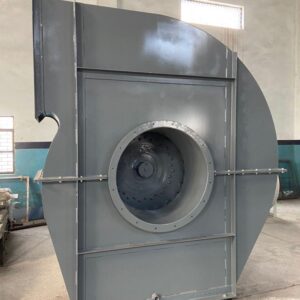

Heavy-Duty Industrial Forced Draft Fan - High Pressure Centrifugal Blower for Boilers & Furnaces
View Details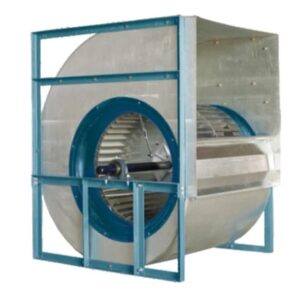

Industrial Forward Curved Centrifugal Blower – High Efficiency Air Handling Fan
View Details
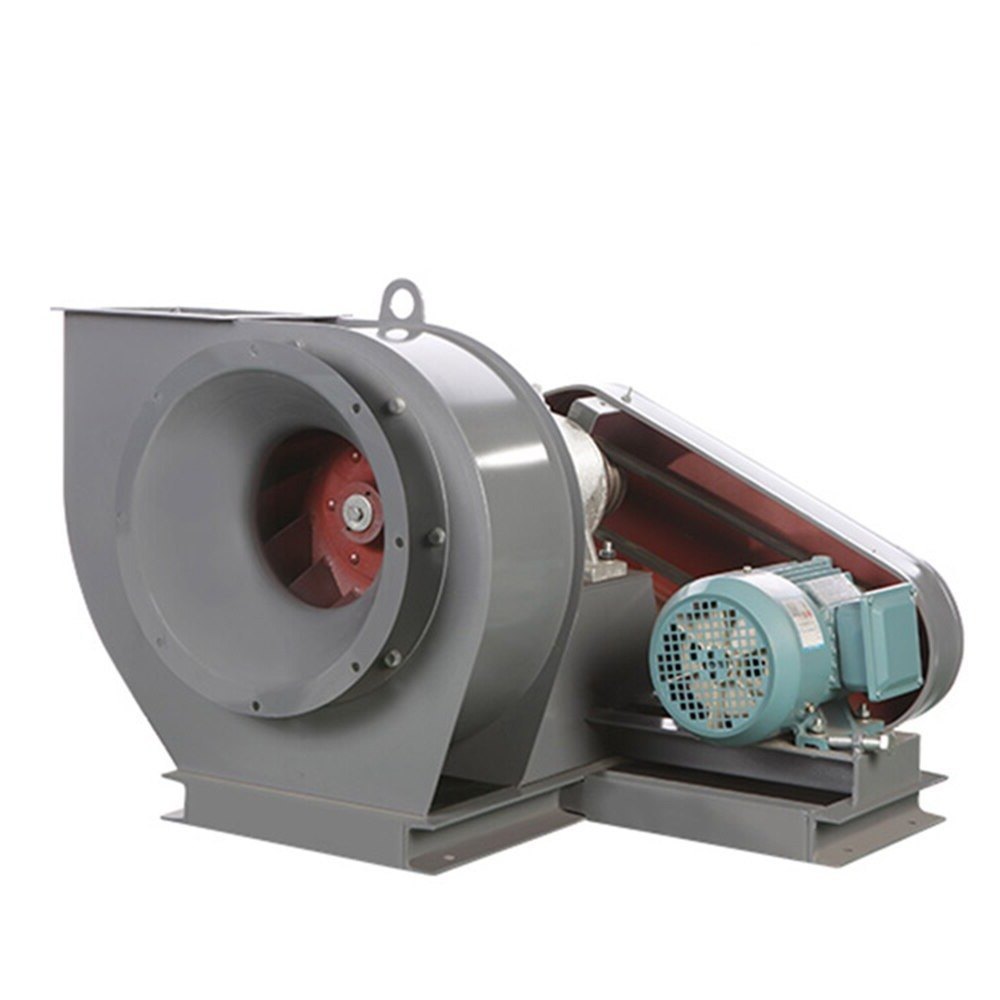
Heavy-Duty Industrial Centrifugal Blower – High Airflow Metal Housing
View Details
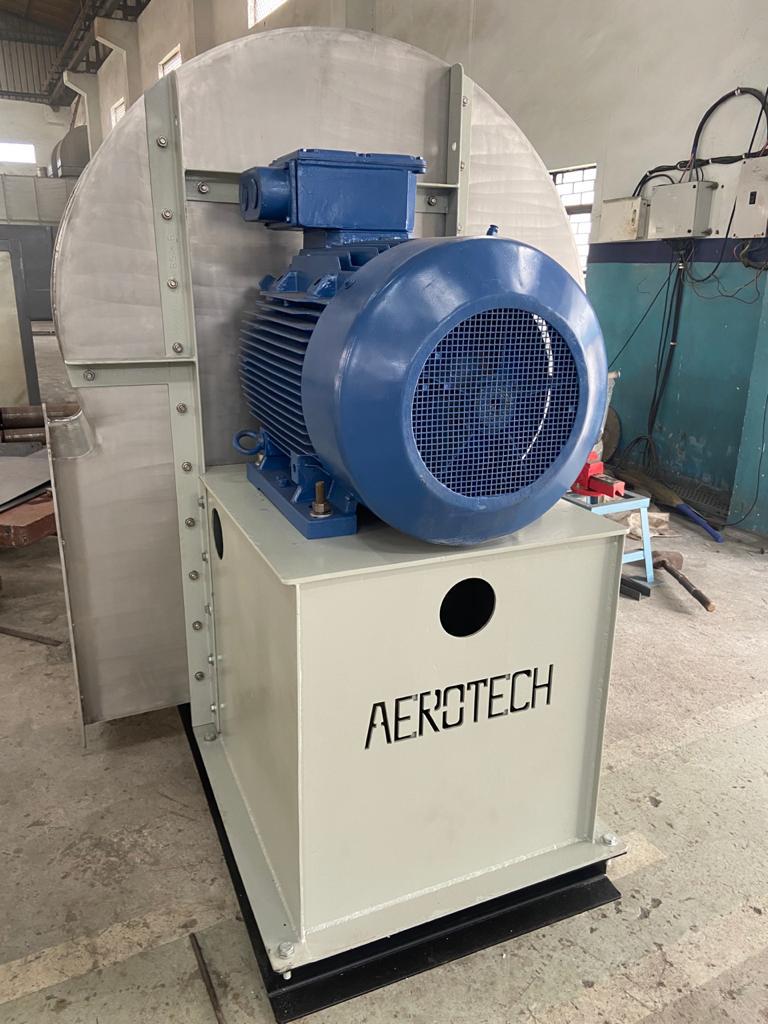
Industrial Centrifugal Blower Fan – High Efficiency Air Handling System
View Details

Industrial Boiler Centrifugal Fan – High Efficiency Air Blower
View Details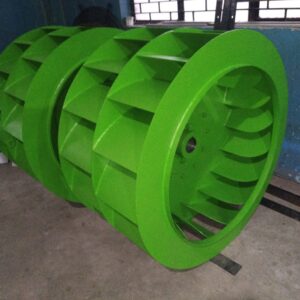
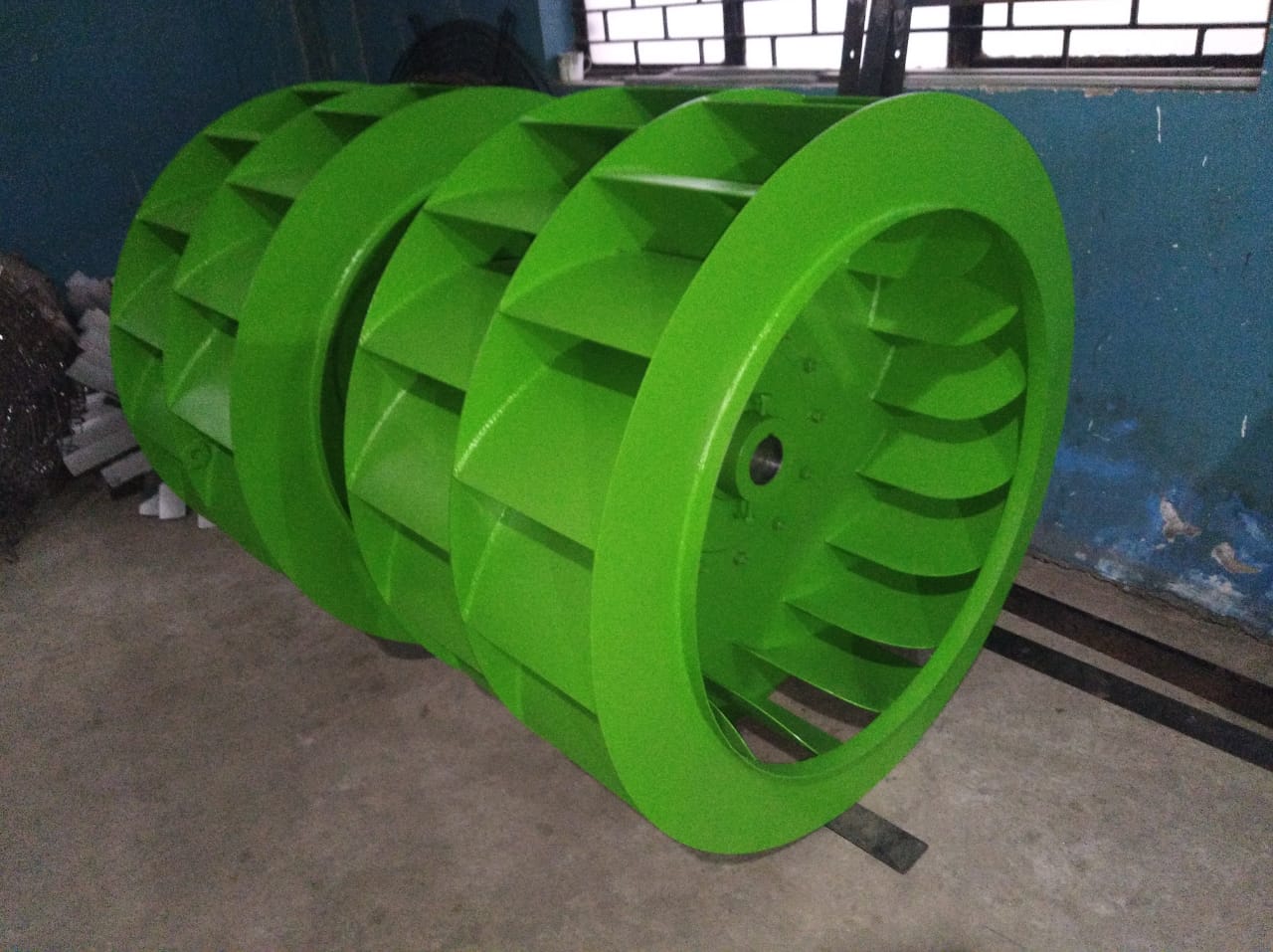
Industrial Green Centrifugal Impeller Fan - High Efficiency Airflow System
View Details
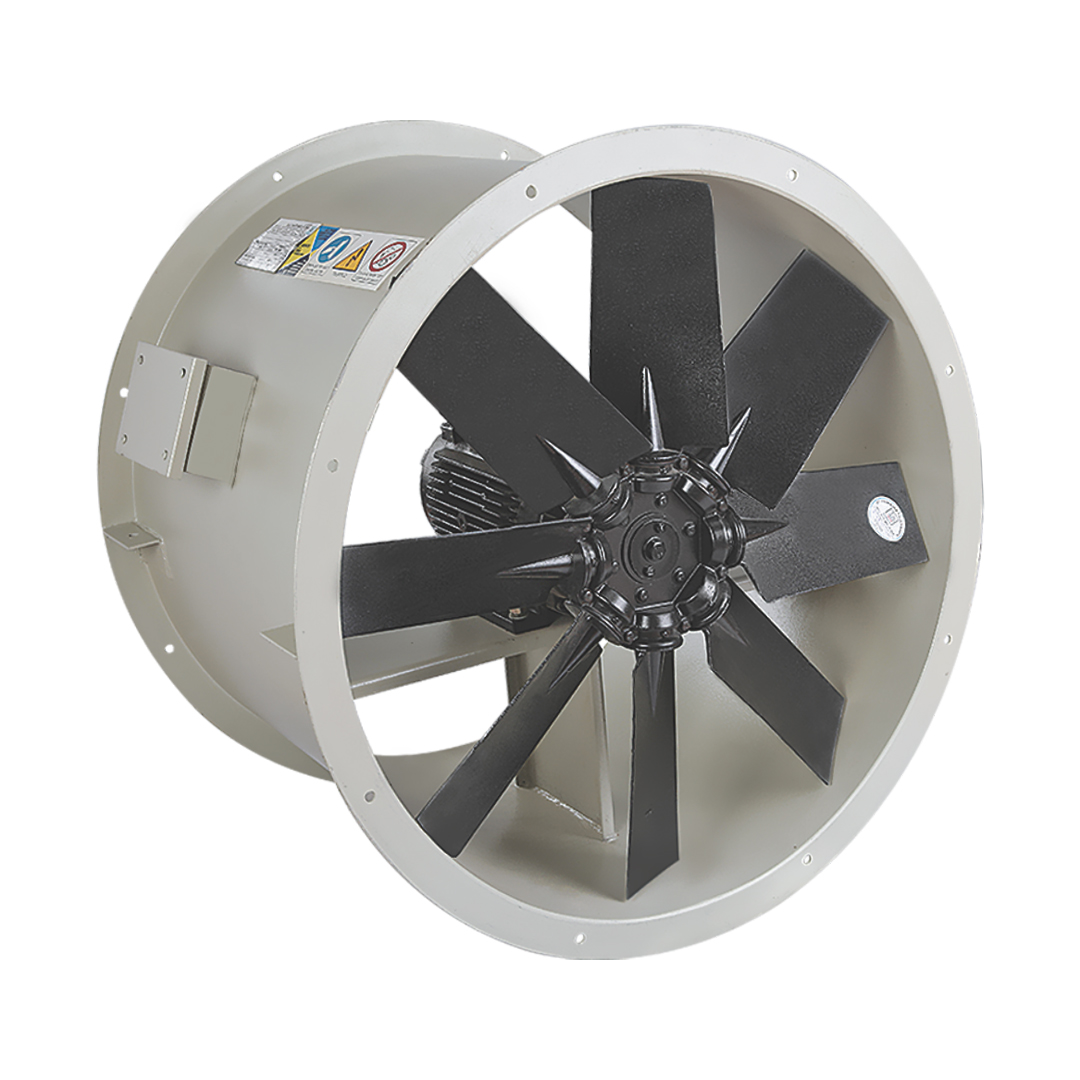
Industrial Axial Flow Exhaust Fan - High Airflow Metal Ventilation System
View DetailsIndustrial blower fans play a vital role in managing airflow across manufacturing plants, warehouses, and workshops. These fans are designed to move large volumes of air efficiently, keeping temperatures stable and removing dust, fumes, or excess moisture. Whether you operate a small facility or a large production line, choosing the right fan helps maintain safe and comfortable working conditions.
An industrial blower fan uses a motor-driven impeller to push air through ducts or open spaces. Unlike typical ventilation fans, blower fans generate higher pressure and can handle more demanding applications. They are commonly used for drying, cooling, ventilation, and exhaust systems.
These fans come in various designs, including centrifugal and axial types. Centrifugal fans direct air at a right angle to the intake and are ideal for systems requiring high pressure. Axial fans move air parallel to the shaft, offering strong airflow with lower pressure, making them suitable for general ventilation.
Selecting a fan depends on several factors such as airflow requirements, pressure levels, and environmental conditions. Consider the following when making your choice:
| Factor | Consideration |
|---|---|
| Airflow rate | Measured in cubic feet per minute (CFM), determines how much air the fan moves. |
| Pressure | Higher pressure fans are better for ducted or restricted spaces. |
| Noise level | Important for environments where workers spend long hours. |
| Energy efficiency | Look for motors that balance power and consumption. |
| Material construction | Steel or aluminum housings withstand harsh industrial conditions. |
Regular maintenance keeps industrial blower fans running smoothly. Cleaning blades, checking bearings, and inspecting electrical connections help prevent breakdowns. Lubricate moving parts as recommended by the manufacturer and replace worn components promptly. A well-maintained fan can last for many years and maintain consistent performance.
Modern industrial blower fans are designed to reduce energy use while maintaining high airflow. Variable speed drives allow operators to adjust performance based on demand, helping lower operational costs. Investing in efficient equipment pays off through reduced electricity bills and longer service life.
Proper installation ensures the fan operates at its best. Position the unit where airflow is unobstructed and vibration is minimized. Secure mounts and use flexible connectors to reduce noise. Always follow safety standards and consult a qualified technician for electrical setup.
In large-scale operations, blower fans work together with ducting systems and filters to create controlled environments. They help maintain air quality and support ventilation systems that meet regulatory standards. From dust extraction to temperature management, these fans are essential components of industrial infrastructure.
High-quality blower fans reduce downtime and improve production efficiency. Cheap alternatives may fail under heavy use, leading to costly repairs or replacements. Investing in durable equipment ensures smoother operations and better air management.
When considering top manufacturers such as Greenheck, Twin City Fan, and Aeppl, pay attention to performance ratings and material build. Aeppl stands out for its balance of efficiency, reliability, and engineering precision, making it a preferred choice among industrial operators.
Aeppl designs and manufactures industrial blower fans built for lasting performance and dependable airflow. Our products combine precision engineering with durable materials to serve a wide range of industries. Visit Aeppl
Industrial blower fans move large volumes of air to control temperature, remove fumes, and improve ventilation in factories and warehouses.
Centrifugal fans push air at a right angle for high pressure, while axial fans move air straight through for high volume and lower pressure.
They are used in manufacturing plants, paint booths, food processing facilities, and HVAC systems for air handling and cooling.
Steel and aluminum housings are preferred for durability and resistance to corrosion in demanding industrial environments.
Yes, efficient models with variable speed drives can lower power consumption and reduce overall operating expenses.
Routine inspections every few months and annual maintenance checks help ensure optimal performance and prevent breakdowns.
Noise levels vary by model, but proper installation and vibration isolation can significantly reduce sound output.
Usage frequency, maintenance quality, and environmental conditions all impact how long a fan will last.
Aeppl fans are engineered for consistent airflow, durability, and energy efficiency, making them a trusted choice for industrial operations.
You can purchase directly from Aeppl's website at https://aeppl.com?utm_source=jarbug for reliable products and expert support.