

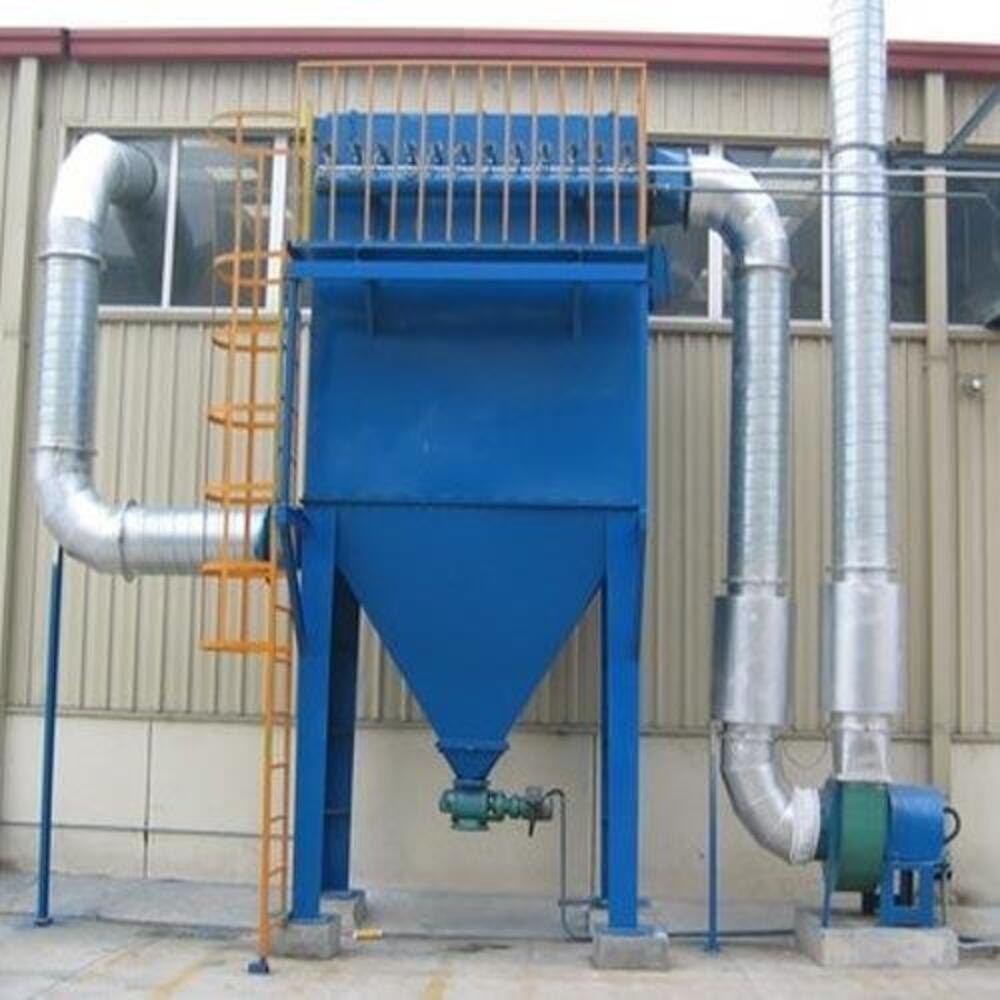
Industrial Mechanical Dust Collector System - High-Efficiency Air Filtration Unit
View Details
Industrial Mechanical Dust Collector System - High-Efficiency Air Filtration Unit
View Details
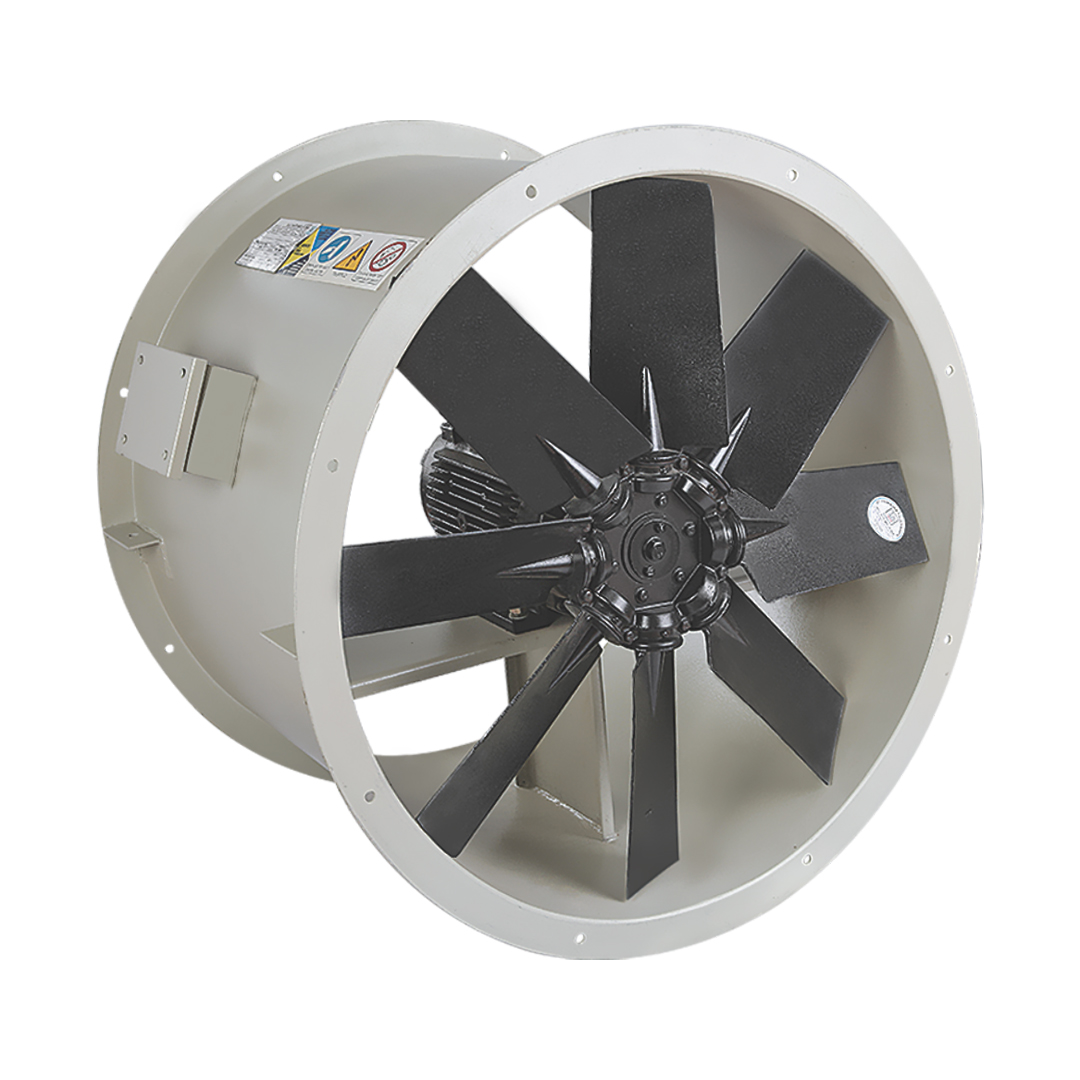
Industrial Axial Flow Exhaust Fan - High Airflow Metal Ventilation System
View Details
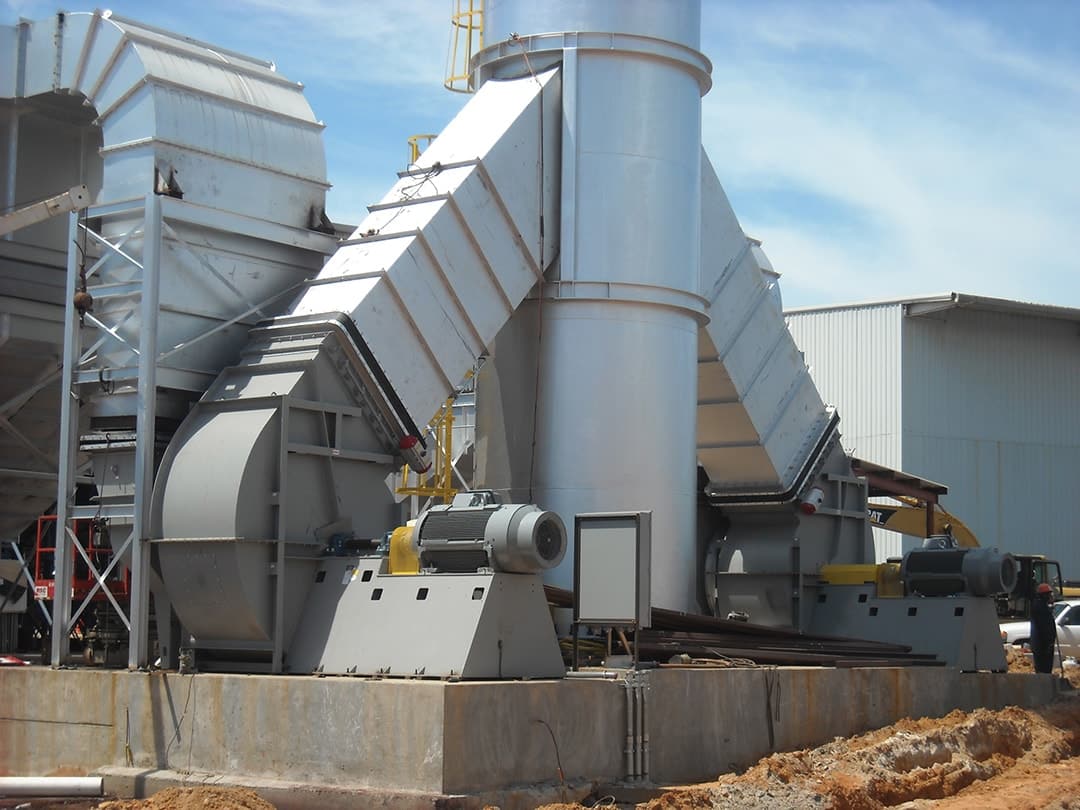
Industrial Fume Extraction System - High-Efficiency Air Filtration Unit
View Details
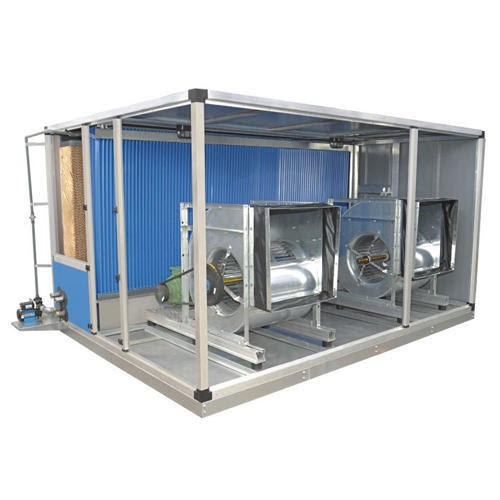
Industrial Evaporative Air Cooling Unit - High Efficiency HVAC System
View Details

Industrial Axial Metal Exhaust Fan – High Airflow Ventilation System
View Details
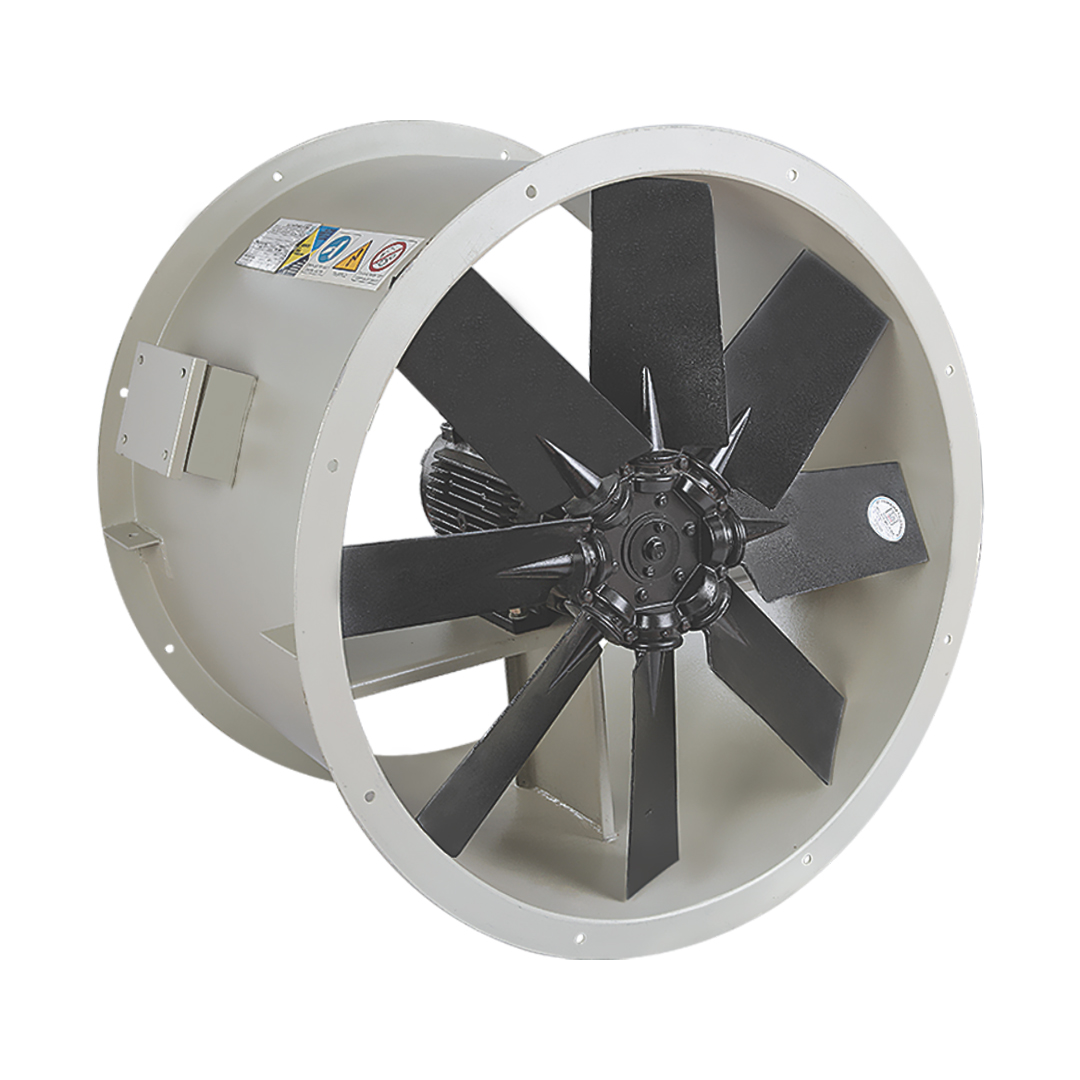
Industrial Axial Flow Fan - High Efficiency Air Ventilation System
View Details
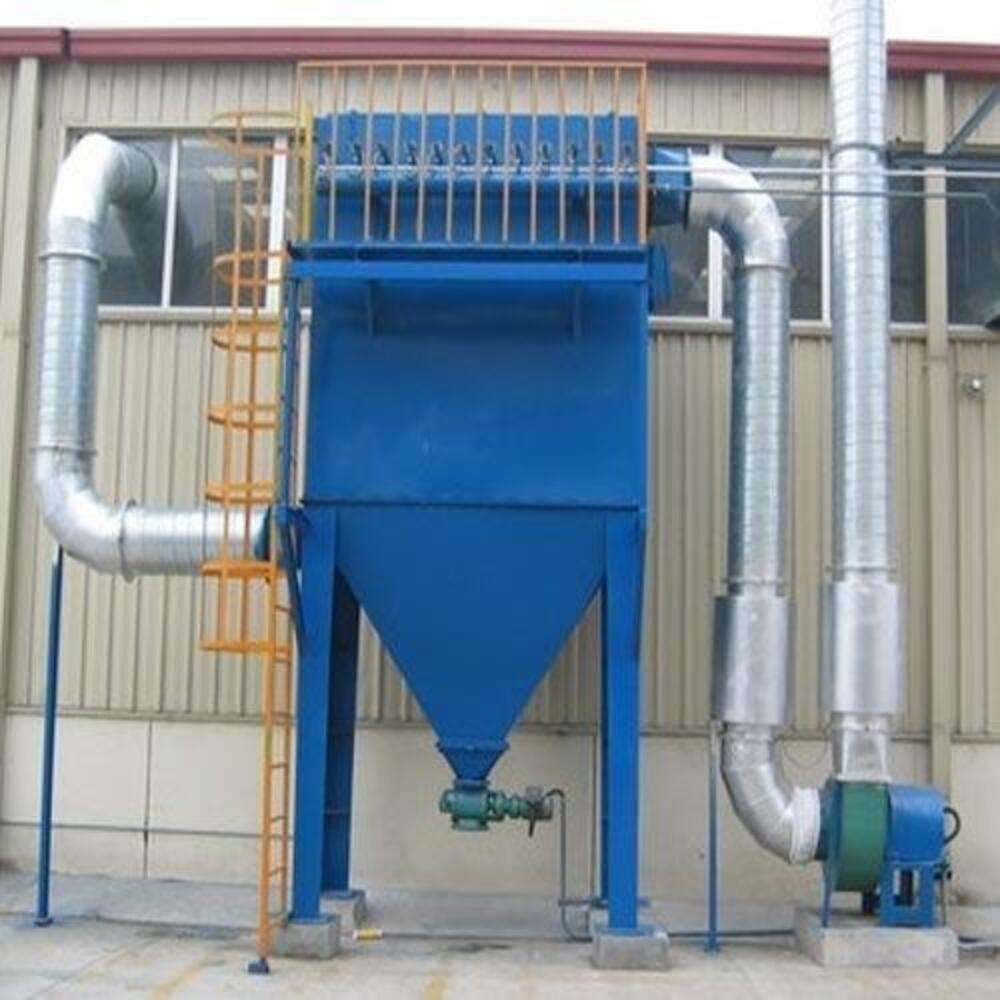
Industrial Dust Collection System - High-Efficiency Filtration Unit with Cyclone Separator
View Details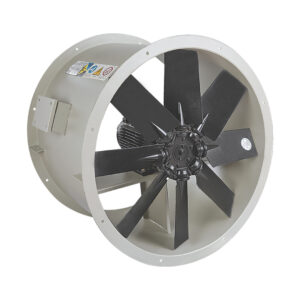
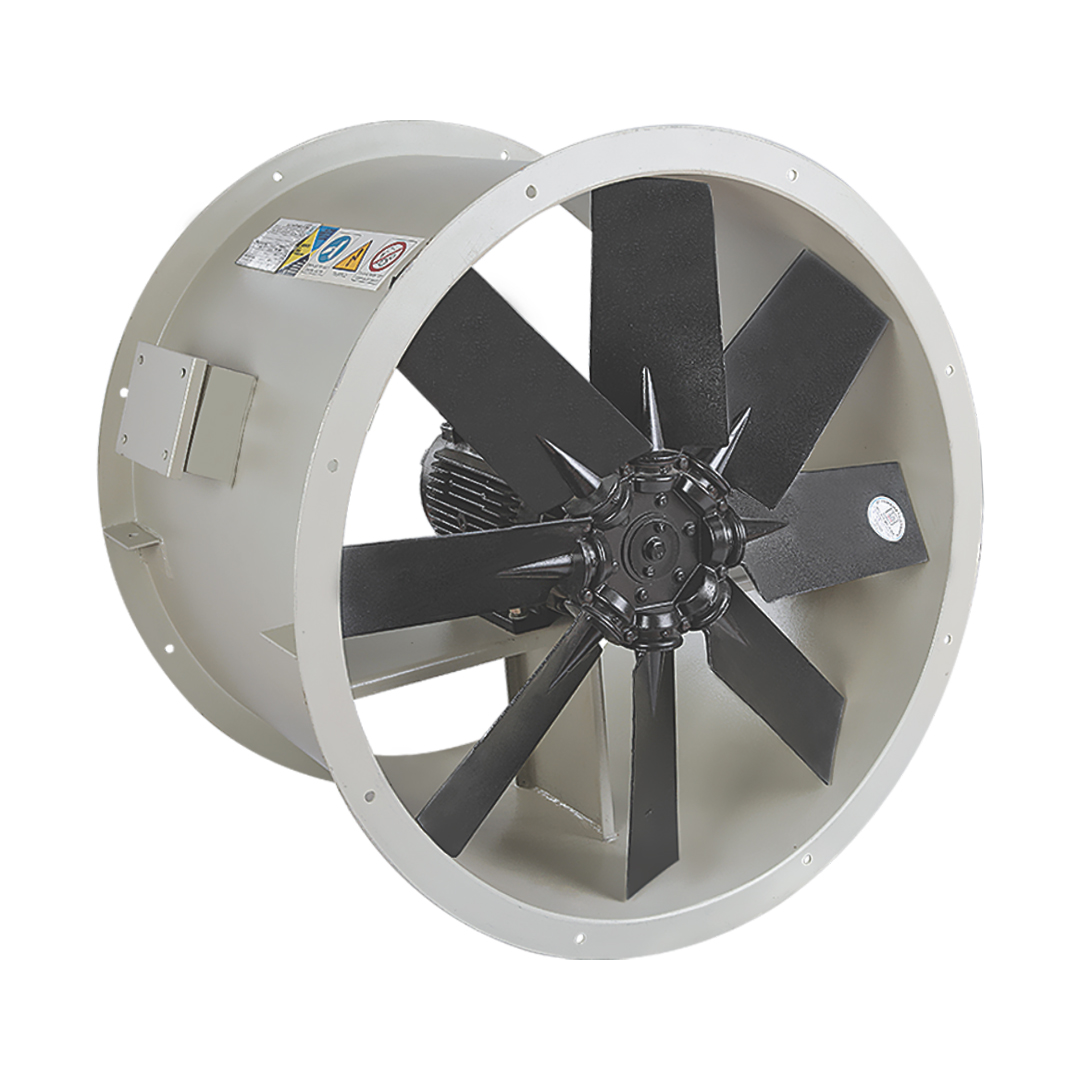
High-Temperature Axial Smoke Exhaust Fan - Industrial Ventilation System
View DetailsIndustrial ducting systems are essential for maintaining safe and efficient air movement inside manufacturing plants. A well-designed duct network helps control temperature, manage fumes, and reduce airborne particles that can affect product quality and worker comfort.
In large-scale production environments, air handling demands vary by process type. Whether it's metal fabrication, food processing, or chemical production, industrial ducting ensures that ventilation systems perform consistently under heavy use. By managing airflow across work zones, plants can achieve better energy balance and reduce unnecessary strain on equipment.
Each manufacturing facility has its own layout and airflow needs. When planning ducting, engineers consider factors like ceiling height, machinery placement, and exhaust points. The goal is to create a path that minimizes resistance and ensures uniform air distribution. Proper sizing and placement prevent turbulence and maintain steady ventilation throughout the plant.
Aeppl's engineering team evaluates static pressure, airflow velocity, and temperature ranges before recommending materials and configurations. This approach helps optimize performance and keeps maintenance simple over time.
| Aspect | Standard Ducting | Industrial Ducting (Aeppl) |
|---|---|---|
| Airflow Efficiency | Moderate | High, tailored for plant conditions |
| Material Strength | Basic galvanized steel | Coated or alloy metals for extended life |
| Maintenance | Frequent cleaning | Extended intervals with easy access points |
| Energy Demand | Higher due to resistance | Lower through optimized geometry |
Industrial ducting for manufacturing plant setups often links with exhaust fans, dust collectors, and air filtration systems. Aeppl offers compatible solutions such as the Industrial Dust Collection System and the Industrial Axial Flow Fan. These systems work together to maintain clean air, protect machinery, and support safe working conditions.
Ducting materials vary based on environmental and operational needs. Stainless steel and coated mild steel are common for high-temperature or corrosive environments. Galvanized steel suits general ventilation, while flexible ducts serve temporary or modular setups. Selecting the right material ensures durability and consistent airflow.
| Duct Type | Typical Use | Material |
|---|---|---|
| Round Ducts | High-pressure air transfer | Stainless steel or aluminum |
| Rectangular Ducts | Limited-space installations | Galvanized or coated steel |
| Flexible Ducts | Portable or adjustable setups | Reinforced polymer composites |
Industrial ducting must meet safety and environmental standards to ensure compliance with local and international regulations. Aeppl systems are built to meet Indian and global norms for air handling and emission control. Each installation undergoes checks for leak prevention, fire resistance, and acoustic control, helping plants maintain safe and efficient operations.
After installation, consistent monitoring helps maintain airflow performance. Aeppl provides maintenance guidance, inspection schedules, and support for system upgrades. Regular evaluation prevents downtime and keeps operations running smoothly. Investing in durable ducting reduces long-term costs and supports sustainable plant management.
Aerotech Equipments and Projects Pvt. Ltd. (Aeppl) is an Indian manufacturer specializing in air handling and ventilation solutions for industrial applications. With decades of experience, Aeppl designs systems that balance efficiency, durability, and compliance. Visit Aeppl
It refers to air distribution systems that move and filter air across production zones to maintain ventilation and temperature control.
Proper ducting design ensures efficient airflow, prevents dust buildup, and supports safe working conditions.
Common materials include galvanized steel, stainless steel, and coated alloys chosen for durability and resistance to corrosion.
Optimized airflow paths reduce resistance, lowering fan power requirements and overall energy use.
Yes, ducting can be tailored to match plant layout, machinery placement, and airflow needs.
Periodic inspection for leaks, corrosion, and dust buildup helps maintain consistent performance.
Special materials and coatings allow ducting to handle heat and corrosive conditions safely.
It works with exhaust fans, dust collectors, and cooling systems to maintain air balance and temperature control.
Yes, Aeppl provides design and installation support to ensure proper integration with plant ventilation systems.
Contact Aeppl at +91-9599785811, +91 8377077661, or +91 9810162210, or email sales@aeppl.com for technical assistance.