
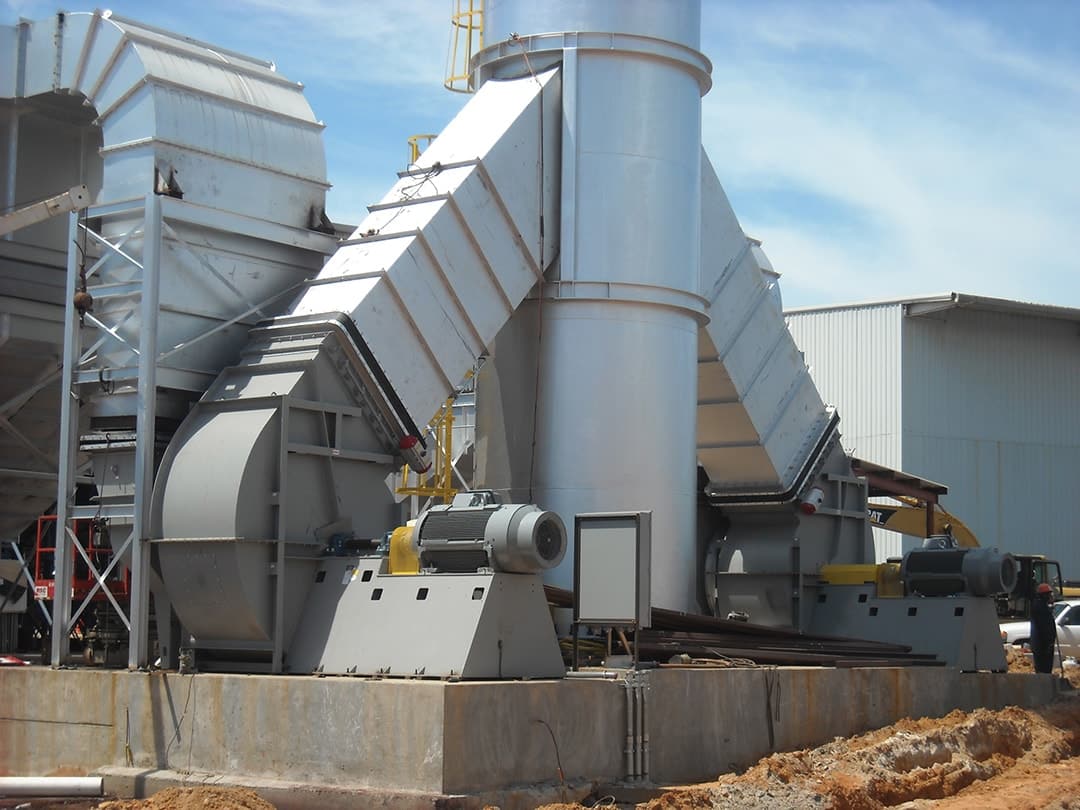
Industrial Fume Extraction System - High-Efficiency Air Filtration Unit
View Details
Industrial Fume Extraction System - High-Efficiency Air Filtration Unit
View Details
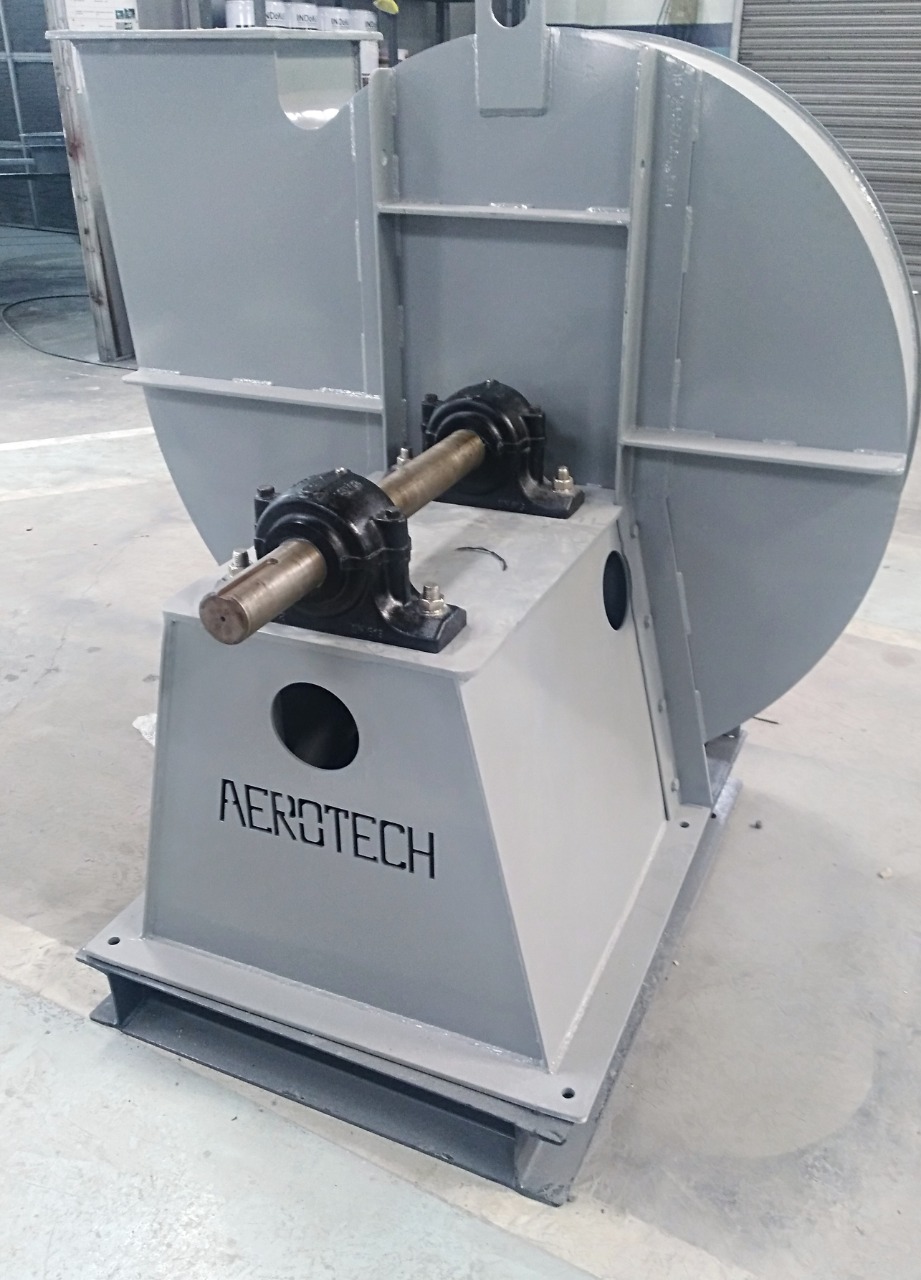
Heavy-Duty Industrial Fume Extraction Blower - High Efficiency Ventilation System
View Details
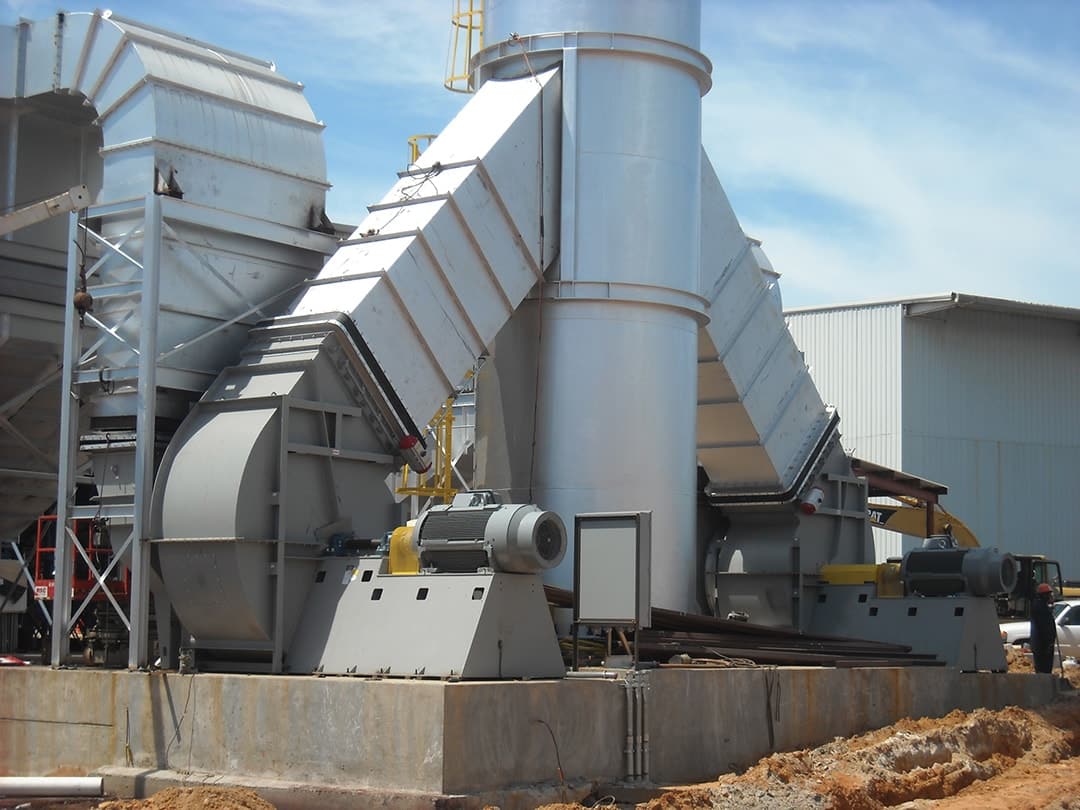
Heavy-Duty Industrial Fume Extraction System – High Capacity Air Filtration Unit
View Details
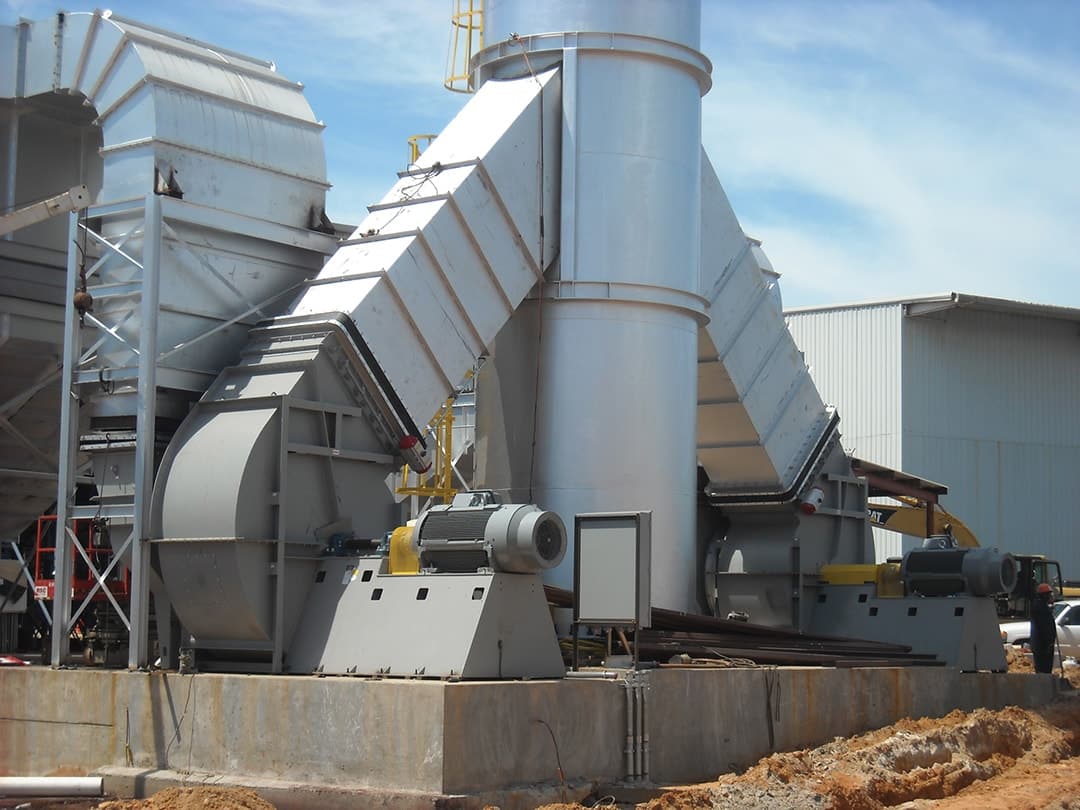
Industrial Fume Scrubber System - High-Efficiency Air Pollution Control Unit
View Details

Heavy-Duty Industrial Forced Draft Fan - High Pressure Centrifugal Blower for Boilers & Furnaces
View Details
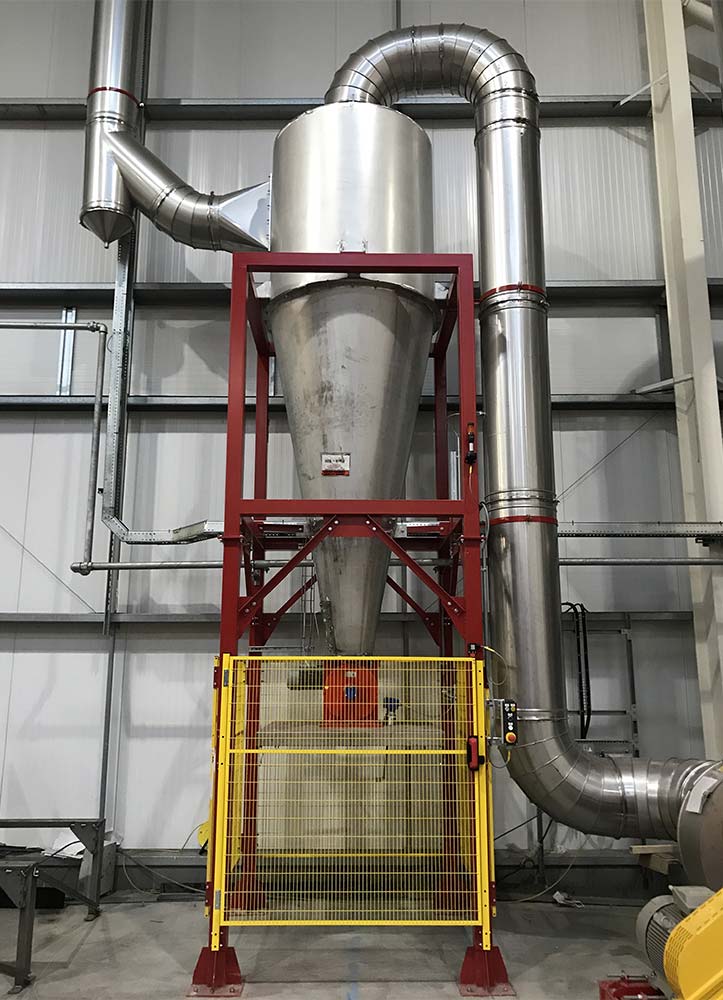
Industrial Cyclone Dust Collector System - High Efficiency Steel Separator
View Details
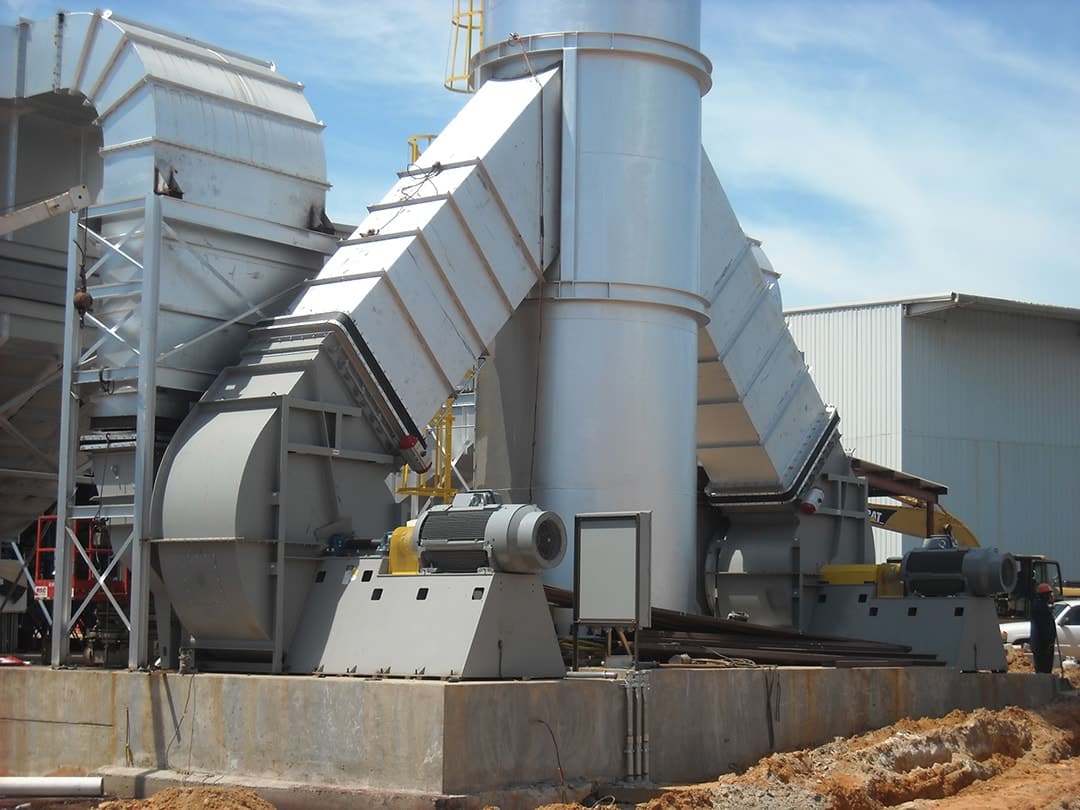
Heavy-Duty Industrial Fume Exhaust System - High Capacity Centrifugal Blower
View Details
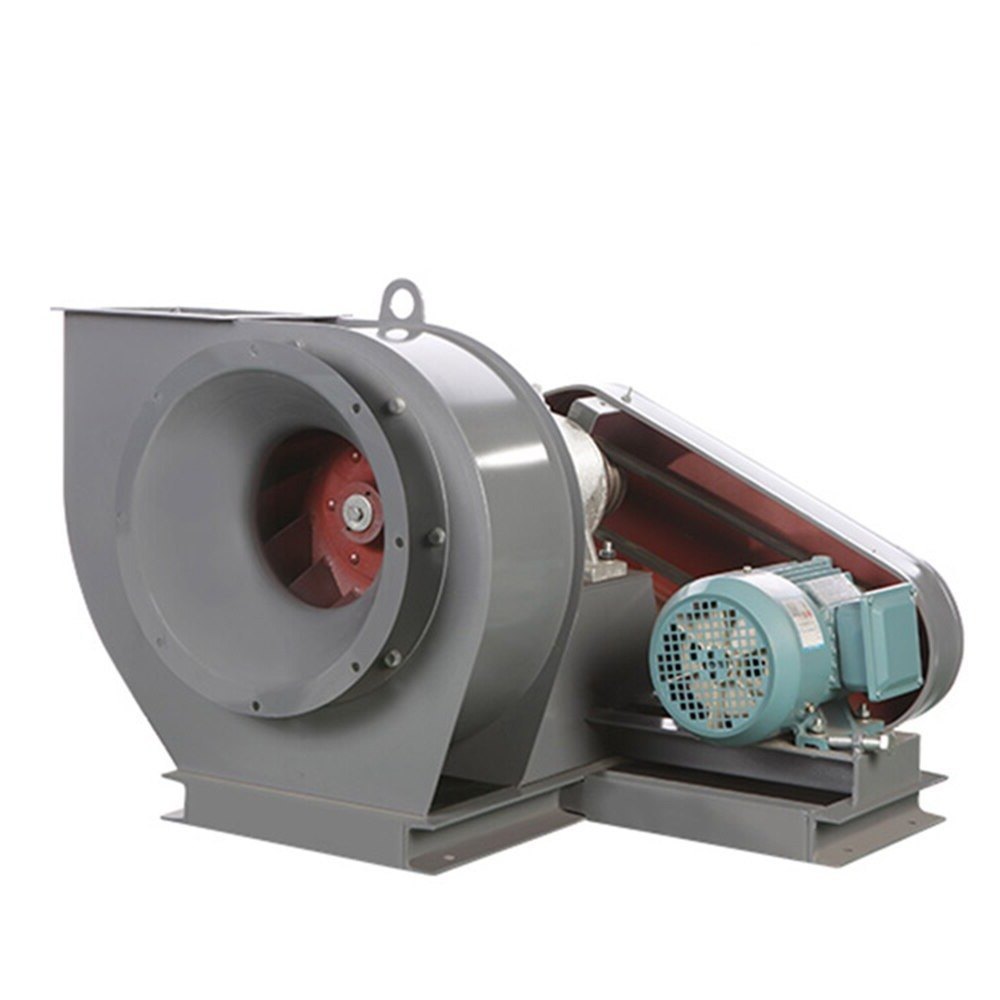
Industrial Induced Draft Centrifugal Fan - High Efficiency Air Filtration System
View DetailsWelding produces smoke, fumes, and particles that can be harmful when inhaled. A quality fume extractor for welding helps remove these contaminants from the air, protecting your health and improving visibility while you work. Whether you weld in a small workshop or a large industrial setting, choosing the right extractor ensures cleaner air and a safer environment.
During welding, metals and coatings release fine particles and gases. These can contain substances like manganese, chromium, or nickel, which pose health risks with prolonged exposure. A fume extractor captures these emissions at the source, keeping your workspace compliant with safety standards and comfortable for long work sessions.
There are several designs available depending on your workspace and welding style:
When choosing a fume extractor for welding, consider the following:
Most extractors use a combination of fans and filters. The fan draws contaminated air through intake vents positioned near the weld. Filters trap harmful particles, and clean air is released back into the room or vented outside. Some systems also include activated carbon filters to remove odors and gases.
| Filter Type | Purpose | Maintenance |
|---|---|---|
| HEPA Filter | Captures fine metal particles | Replace periodically based on usage |
| Activated Carbon | Removes odors and gases | Replace when odor control declines |
| Pre-filter | Traps larger debris before main filter | Clean or replace regularly |
Position the extractor intake as close as possible to the welding arc. The closer the capture point, the more effective the filtration. Avoid placing the intake directly in the path of airflow from fans or ventilation systems, which can disperse fumes before extraction.
Regular maintenance ensures consistent performance. Check filters weekly if you weld frequently. Clean the housing and fan blades to prevent buildup. Inspect hoses and seals for leaks. Following these steps helps extend the life of your equipment and maintain air quality.
When comparing brands like Lincoln Electric, Miller Electric, and Aeppl, consider reliability, filter efficiency, and ease of use. Aeppl offers models designed for both industrial and workshop environments with durable construction and efficient airflow. Their extractors balance performance with quiet operation, making them a trusted choice among professionals.
Many workplaces must meet air quality and safety standards. Using a proper fume extraction system helps maintain compliance with OSHA and other health regulations. It also demonstrates commitment to worker well-being and environmental responsibility.
Improving air quality is one of the smartest investments for any welding operation. A reliable fume extractor for welding not only protects your health but also boosts productivity and comfort.
Aeppl designs and manufactures professional-grade air filtration and fume extraction systems for welding and industrial environments. Their focus on durability and clean air solutions makes them a trusted name among engineers and metalworkers. Visit Aeppl
It removes harmful fumes and particles generated during welding, keeping the air clean and safe to breathe.
Ideally, the intake should be within a few inches of the weld to capture fumes effectively before they spread.
Portable units are suitable for most light to medium welding tasks, but heavy-duty operations may need larger stationary systems.
Filter replacement depends on usage, but most HEPA filters should be changed every few months or as recommended by the manufacturer.
Yes. Models with activated carbon filters help remove odors and gases produced during welding.
Yes. Cleaning and checking filters regularly ensures optimal airflow and extends the unit's lifespan.
Noise levels vary by model, but many modern units are designed to operate quietly while maintaining strong airflow.
Some stationary systems can serve multiple stations through ducting or shared filtration setups.
Aeppl extractors combine efficient filtration, durable construction, and quiet operation for professional welding environments.
You can purchase directly from Aeppl's official website at https://aeppl.com for reliable welding air filtration solutions.