
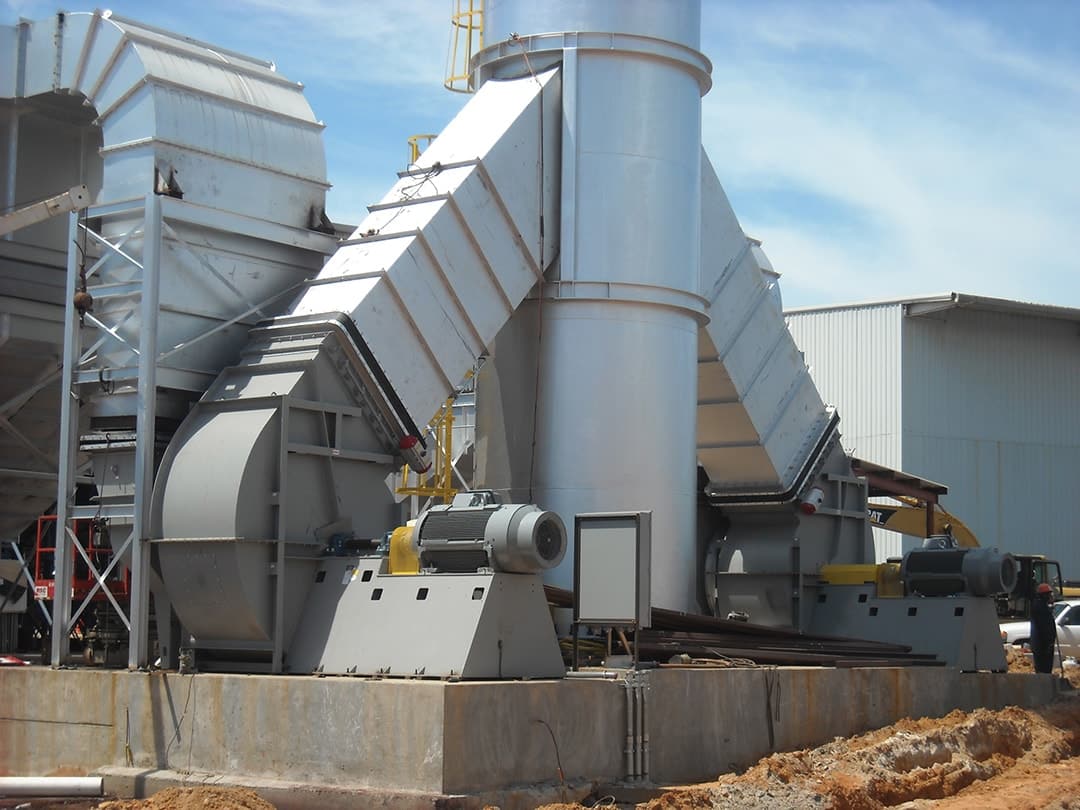
Industrial Fume Extraction System - High-Efficiency Air Filtration Unit
View Details
Industrial Fume Extraction System - High-Efficiency Air Filtration Unit
View Details
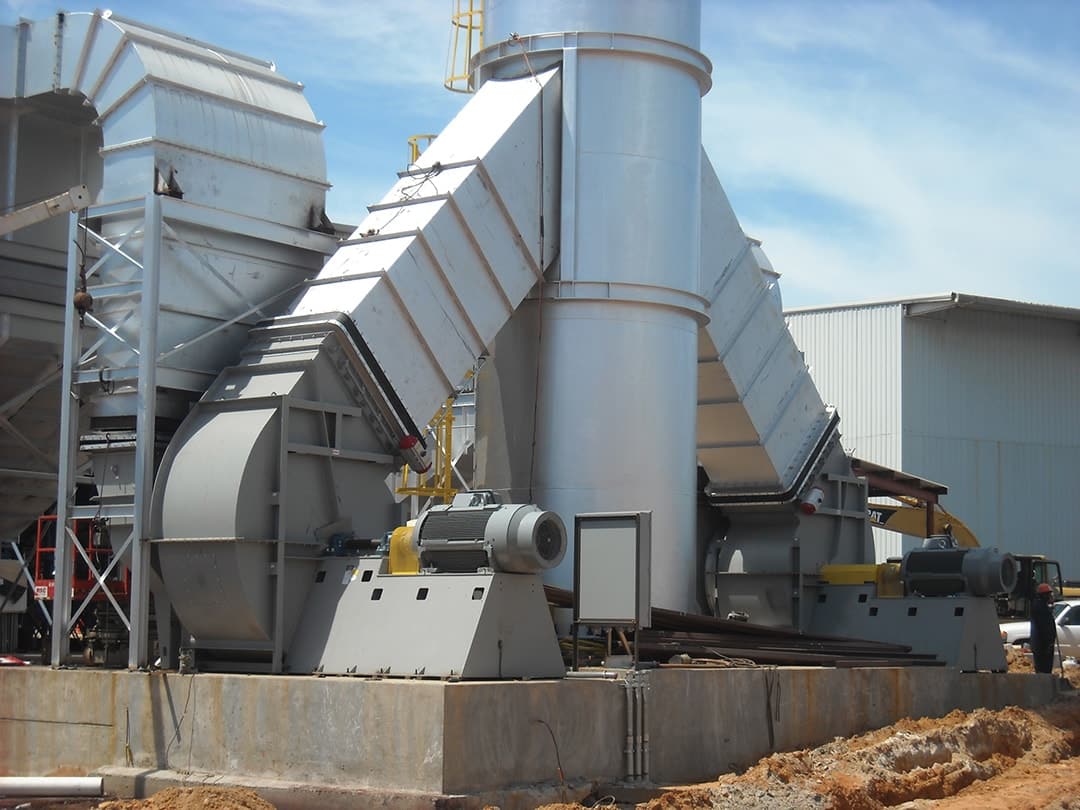
Heavy-Duty Industrial Fume Extraction System – High Capacity Air Filtration Unit
View Details
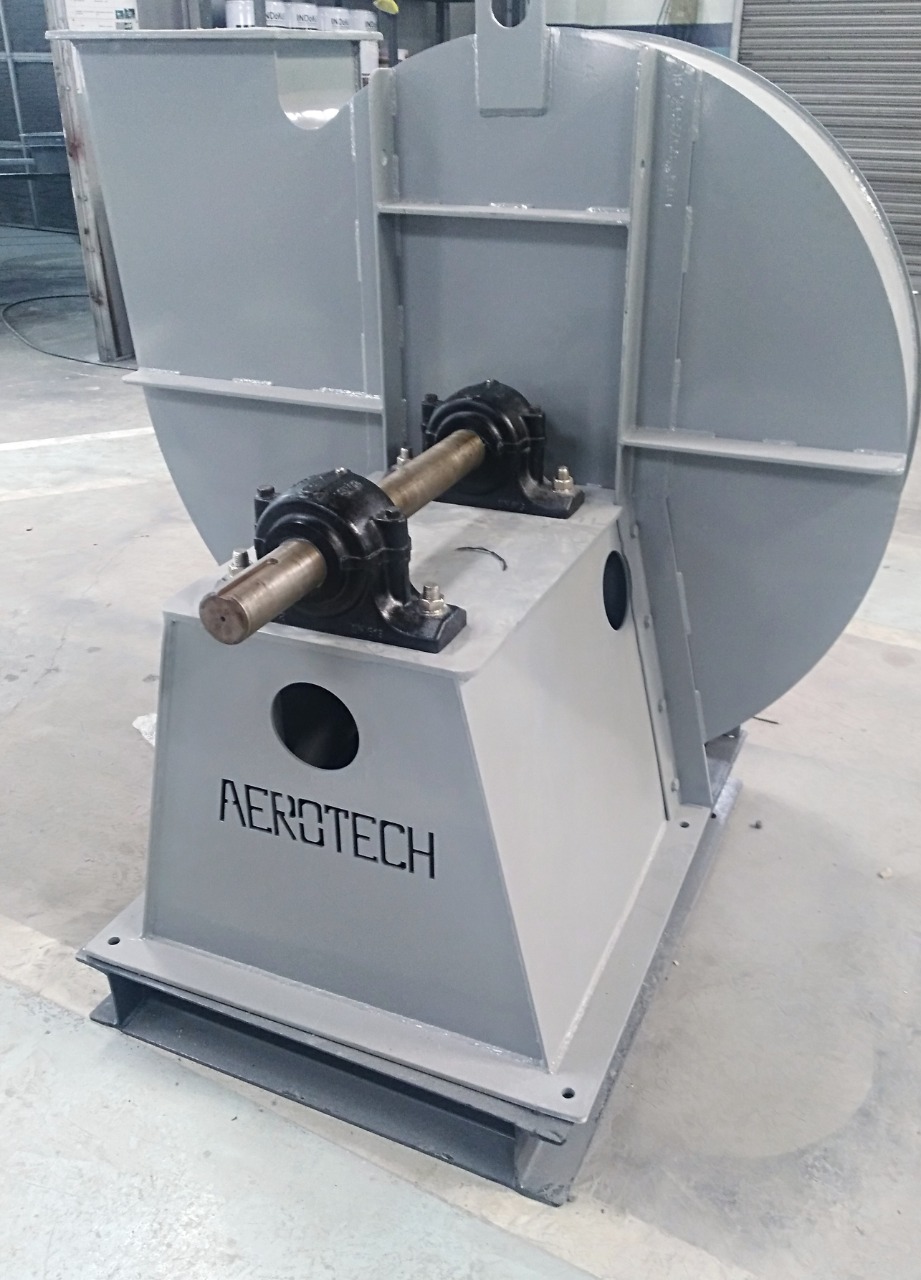
Heavy-Duty Industrial Fume Extraction Blower - High Efficiency Ventilation System
View Details
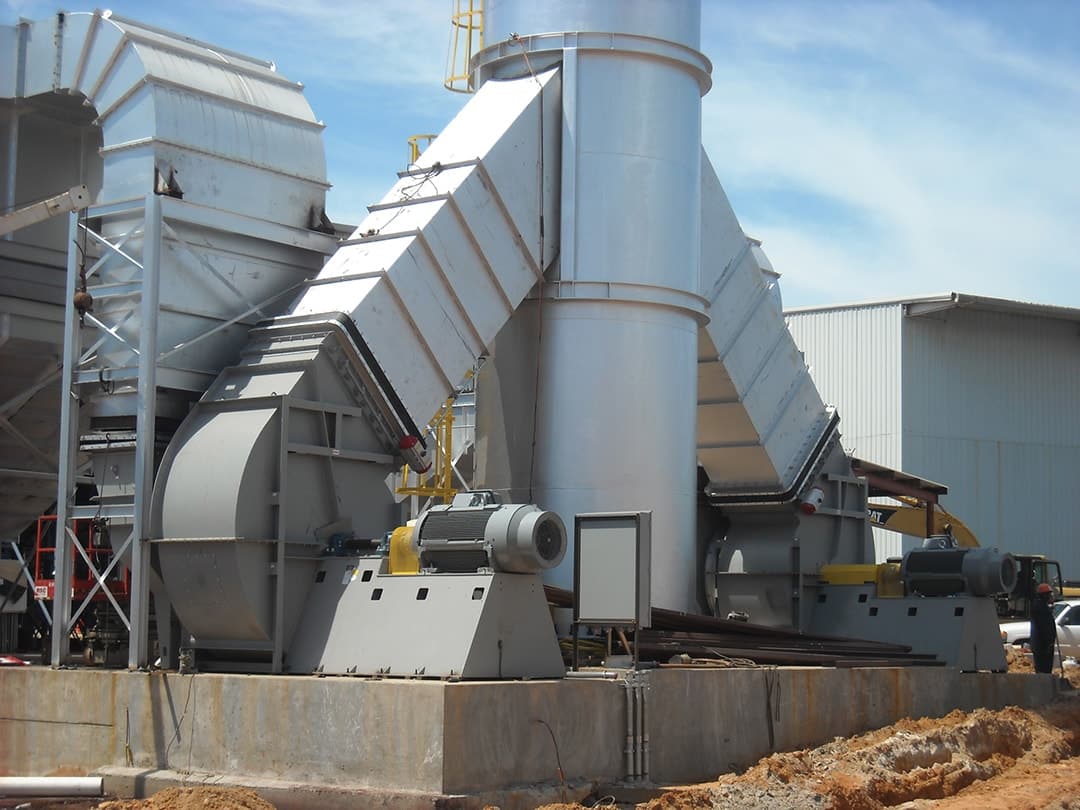
Industrial Fume Scrubber System - High-Efficiency Air Pollution Control Unit
View Details
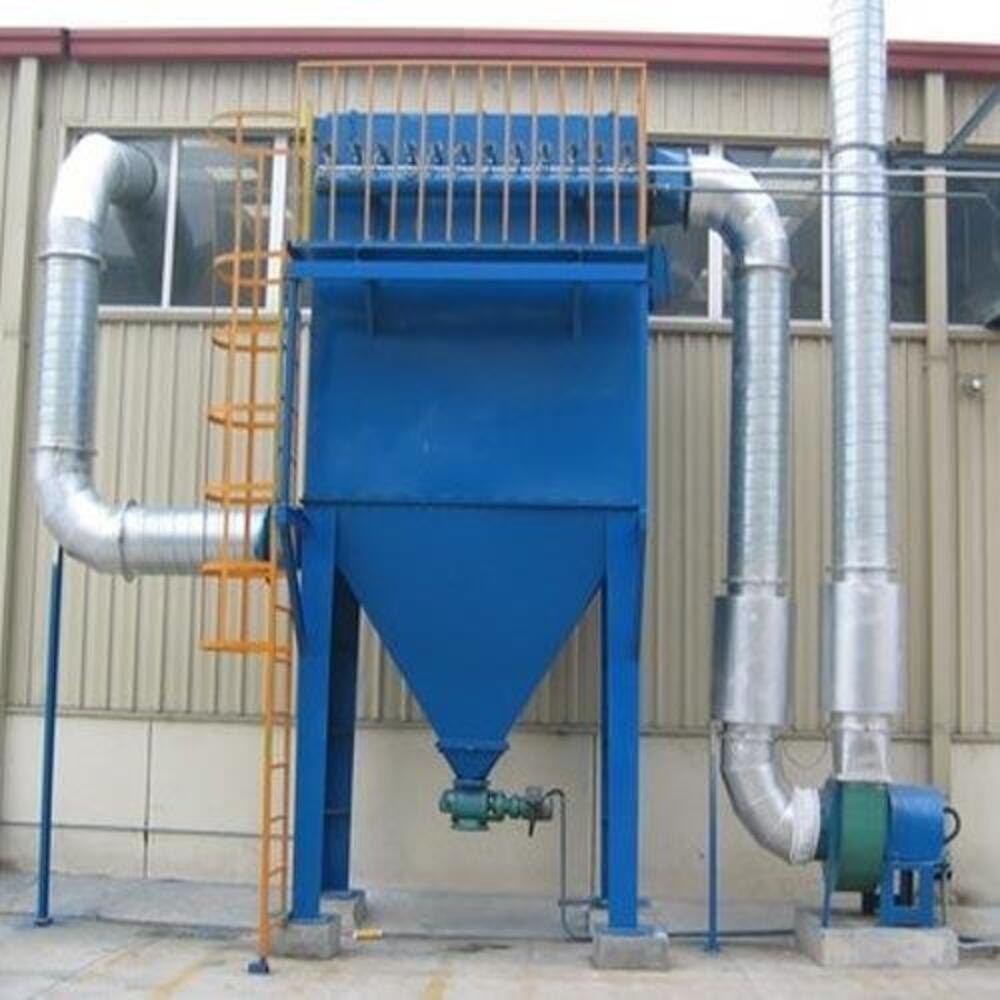
Industrial Mechanical Dust Collector System - High-Efficiency Air Filtration Unit
View Details
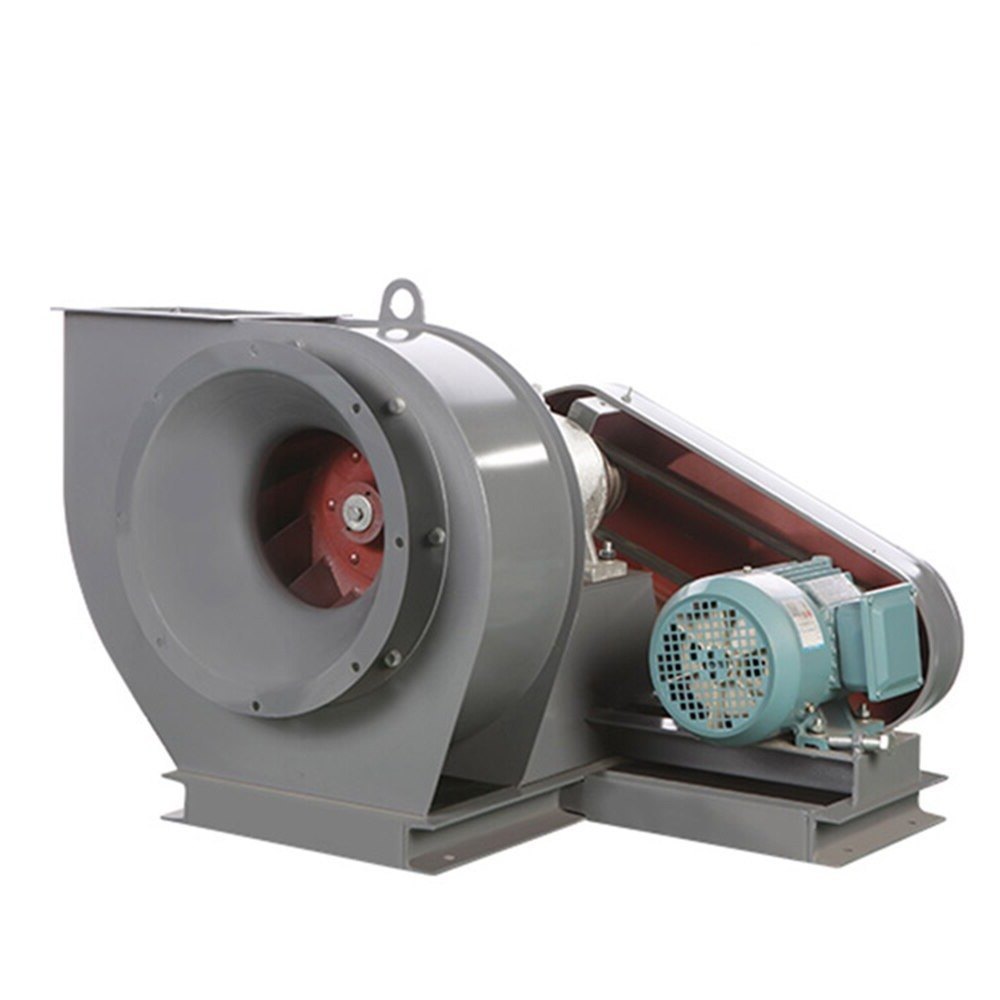
Industrial Induced Draft Centrifugal Fan - High Efficiency Air Filtration System
View Details
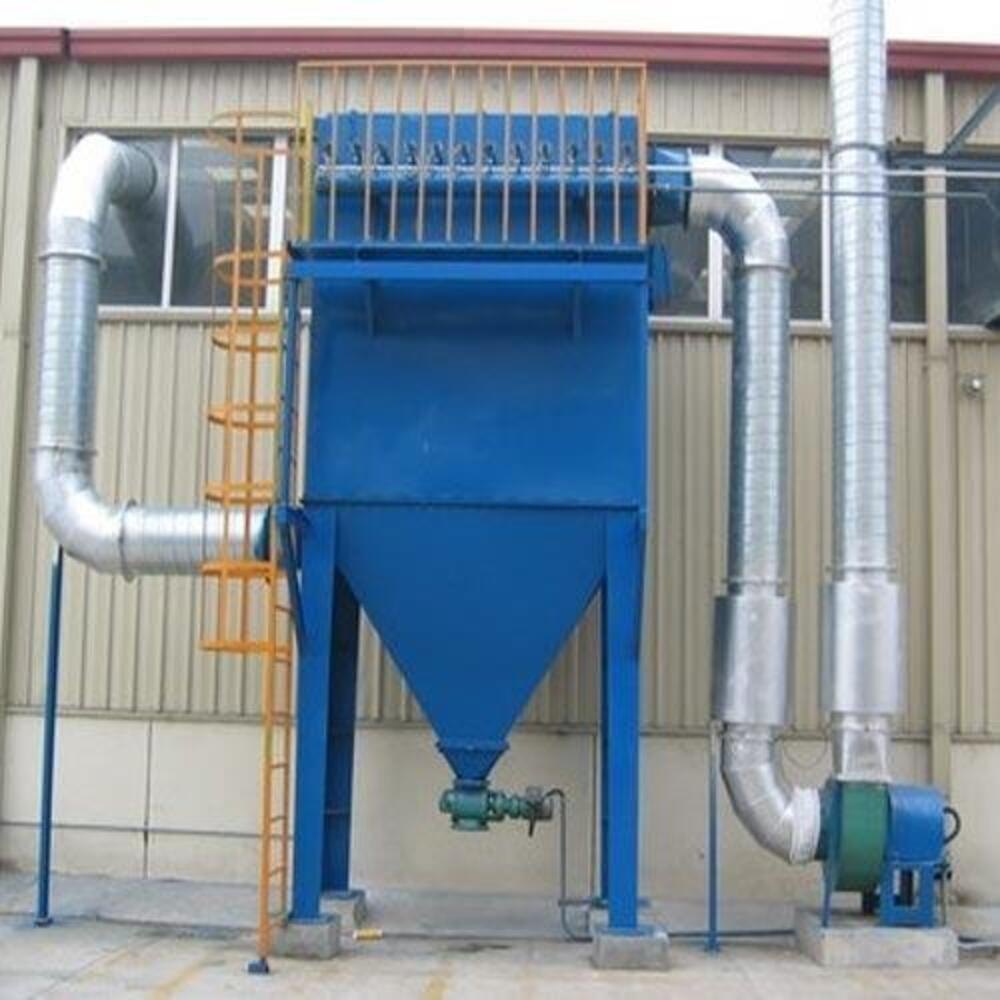
Industrial Pulse Jet Dust Collector - High Efficiency Filtration System
View Details
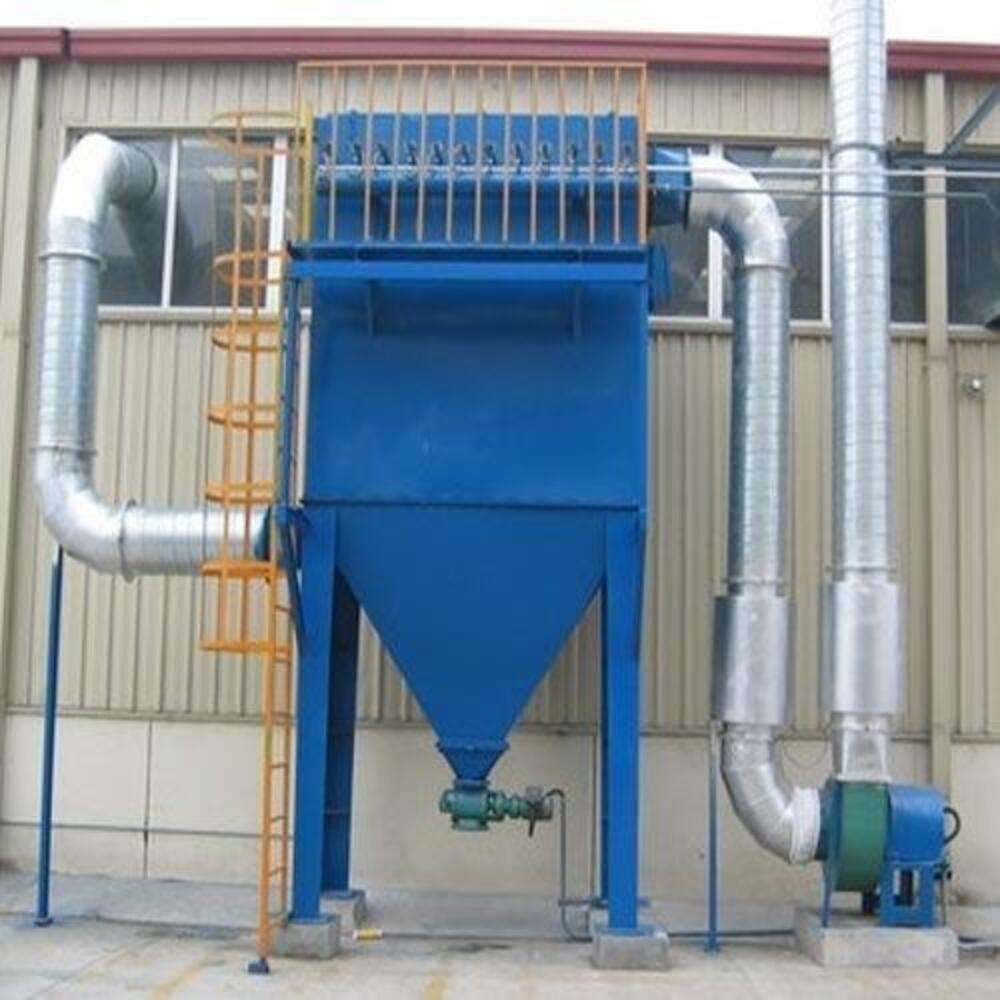
Industrial Dust Collection System - High-Efficiency Filtration Unit with Cyclone Separator
View DetailsManufacturing environments generate airborne contaminants that can affect both worker health and product quality. Fume extraction systems are designed to capture and remove these pollutants before they spread across the workspace. Understanding how these systems work and how to choose the right solution is essential for maintaining a safe and efficient facility.
Metalworking, welding, soldering, and chemical processes release fumes and fine particles that can pose long-term health risks. Without proper ventilation, these contaminants accumulate and reduce air quality. A well-designed fume extraction system helps protect workers, equipment, and finished products from exposure to harmful substances.
Manufacturing plants face a wide range of airborne challenges. The most frequent sources include:
The best system depends on the size of the workspace, the type of contaminants, and production volume. Localized extraction units capture fumes directly at the source, while centralized systems handle air purification across large areas. Important factors to consider include airflow rate, filter efficiency, and ease of maintenance.
| System Type | Ideal Use | Advantages |
|---|---|---|
| Local Extraction | Individual workstations, welding booths | Targeted removal, energy-efficient |
| Centralized Extraction | Large-scale production areas | Consistent air quality, integrated control |
Proper fume extraction supports compliance with occupational safety standards and environmental regulations. Many industries must meet strict exposure limits for specific chemicals and metals. Investing in reliable extraction technology reduces the risk of non-compliance penalties and enhances employee well-being.
Routine maintenance ensures consistent performance. Filters should be replaced at recommended intervals, and ducts inspected for buildup. Regular servicing keeps airflow steady and prevents costly downtime. Well-maintained systems also help reduce energy consumption by keeping motors and fans running efficiently.
Modern extraction systems can significantly lower energy costs. Variable-speed fans and demand-based controls adjust airflow according to production needs, minimizing waste. Over time, these efficiencies translate into measurable savings while maintaining high air quality standards.
When planning a new facility or upgrading existing operations, integrating extraction systems early in the design process simplifies installation. Engineers can position ducts, hoods, and filters to minimize obstruction and maximize efficiency. Retrofitting older plants is also possible with modular extraction units that adapt to existing layouts.
Beyond worker safety, fume extraction contributes to sustainability goals. Capturing and filtering emissions reduces the release of pollutants into the atmosphere. Some systems include energy recovery options that reuse heat from exhaust air, supporting greener operations.
Partnering with an experienced provider ensures proper system selection and installation. From initial assessment to commissioning, professional guidance helps match equipment to your production demands and compliance requirements.
Aeppl designs and supplies advanced fume extraction systems for manufacturing plants worldwide. Our focus is on reliable engineering, worker safety, and long-term value. Visit Aeppl
It refers to systems that capture and filter airborne contaminants produced by industrial processes such as welding, cutting, and chemical handling.
It prevents inhalation of hazardous fumes and particles, reducing health risks and ensuring compliance with safety standards.
Filter replacement depends on usage and contaminant type, but most facilities inspect and replace filters every few months.
Yes, modular extraction units can be retrofitted to existing machinery or production lines without major structural changes.
Metal oxides, solvents, VOCs, and plastic vapors are among the most frequent airborne contaminants in industrial settings.
Absolutely. Proper extraction and filtration help facilities comply with emission limits and occupational exposure standards.
It depends on plant size and operations. Centralized systems suit large facilities, while local extraction works best for specific workstations.
Choose systems with variable-speed fans and smart controls that adjust airflow based on production demand.
Yes, Aeppl offers professional installation and setup assistance to ensure optimal performance and compliance.
Aeppl combines engineering expertise with durable, efficient designs to deliver long-lasting air quality solutions for manufacturing plants.