
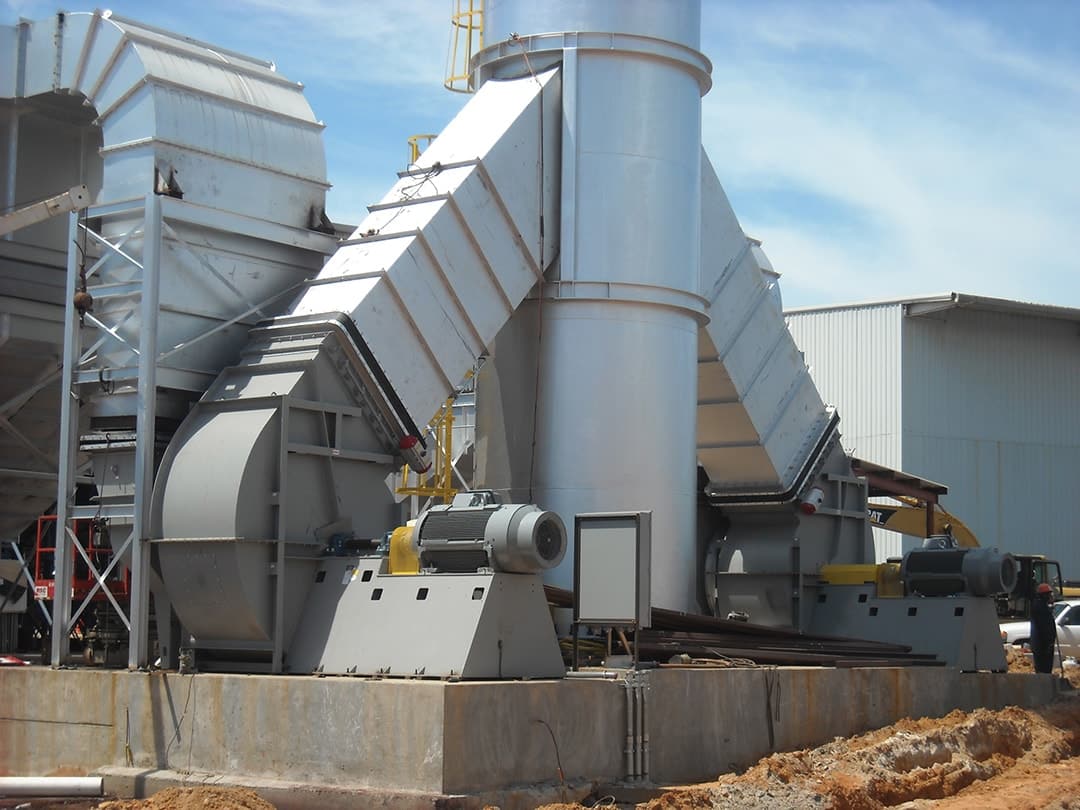
Industrial Fume Extraction System - High-Efficiency Air Filtration Unit
View Details
Industrial Fume Extraction System - High-Efficiency Air Filtration Unit
View Details
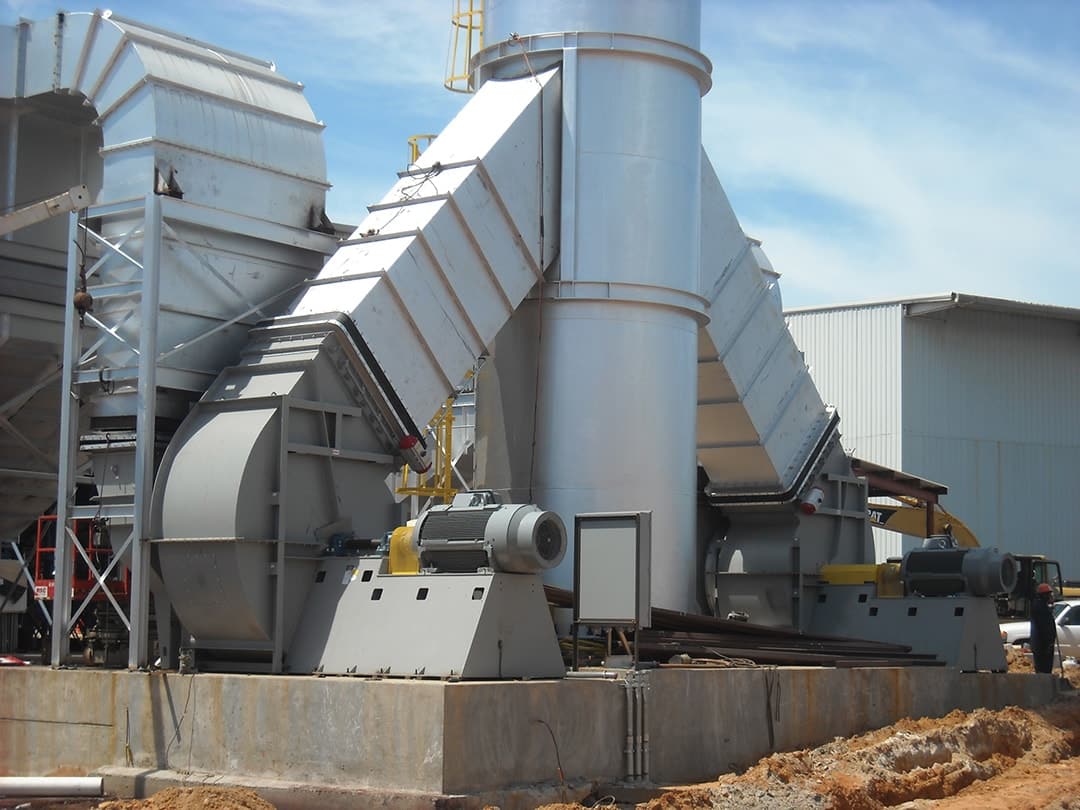
Heavy-Duty Industrial Fume Extraction System – High Capacity Air Filtration Unit
View Details
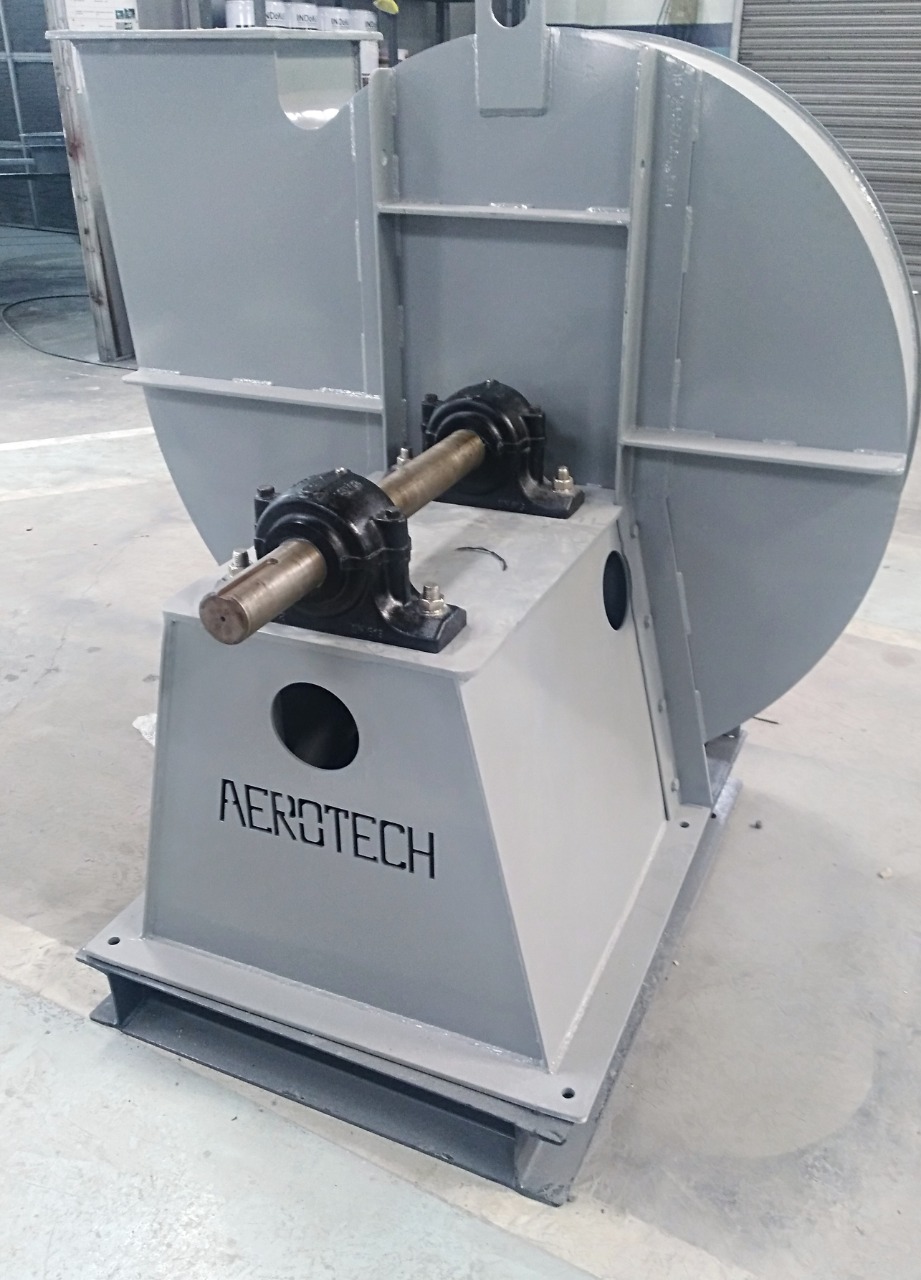
Heavy-Duty Industrial Fume Extraction Blower - High Efficiency Ventilation System
View Details
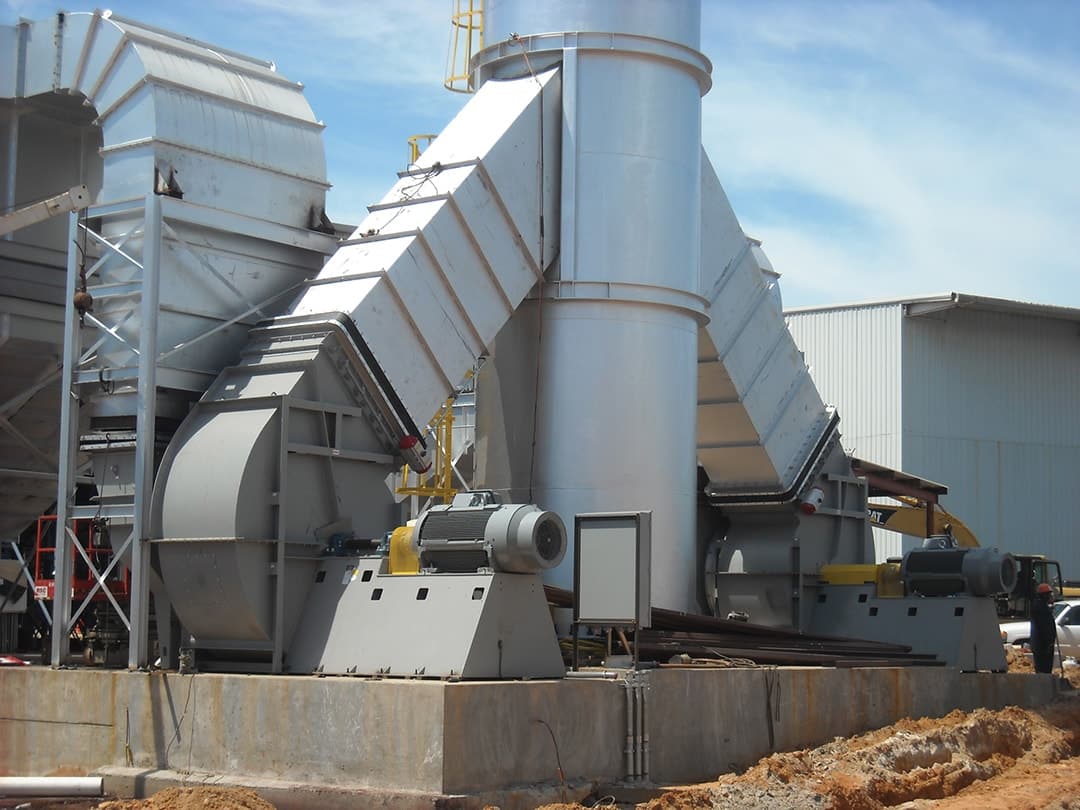
Industrial Fume Scrubber System - High-Efficiency Air Pollution Control Unit
View Details
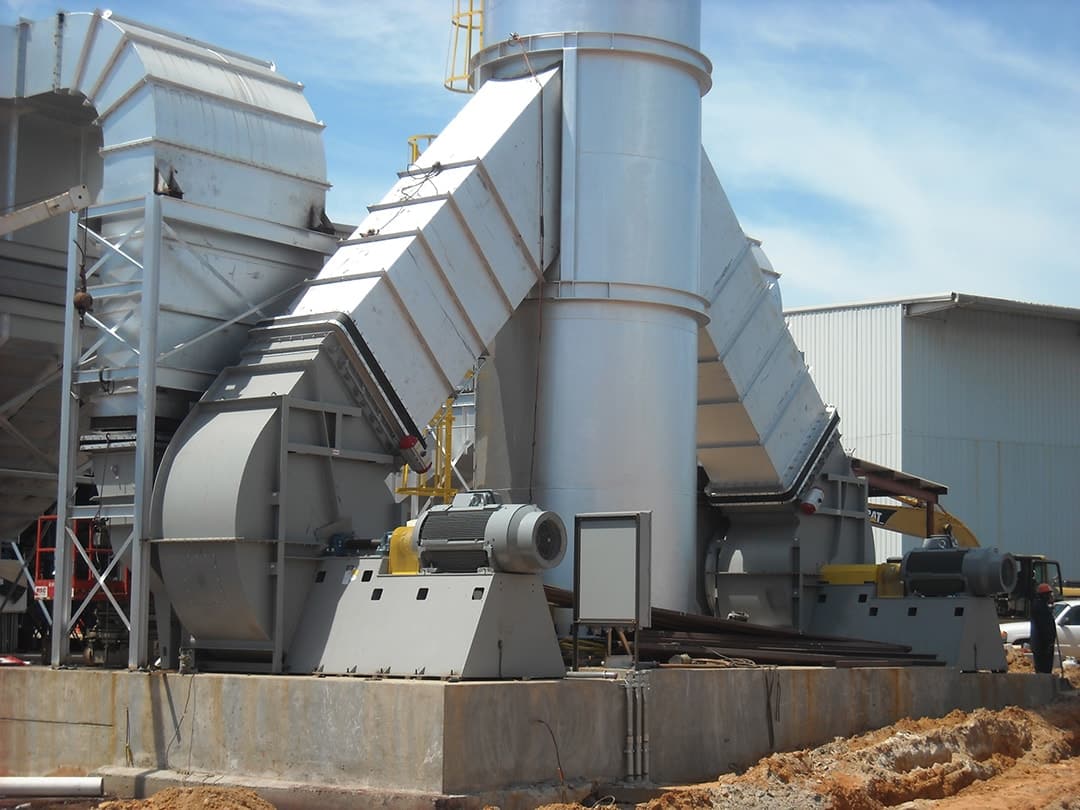
Industrial Smoke Spill Exhaust Unit - High-Temperature Ventilation System
View Details
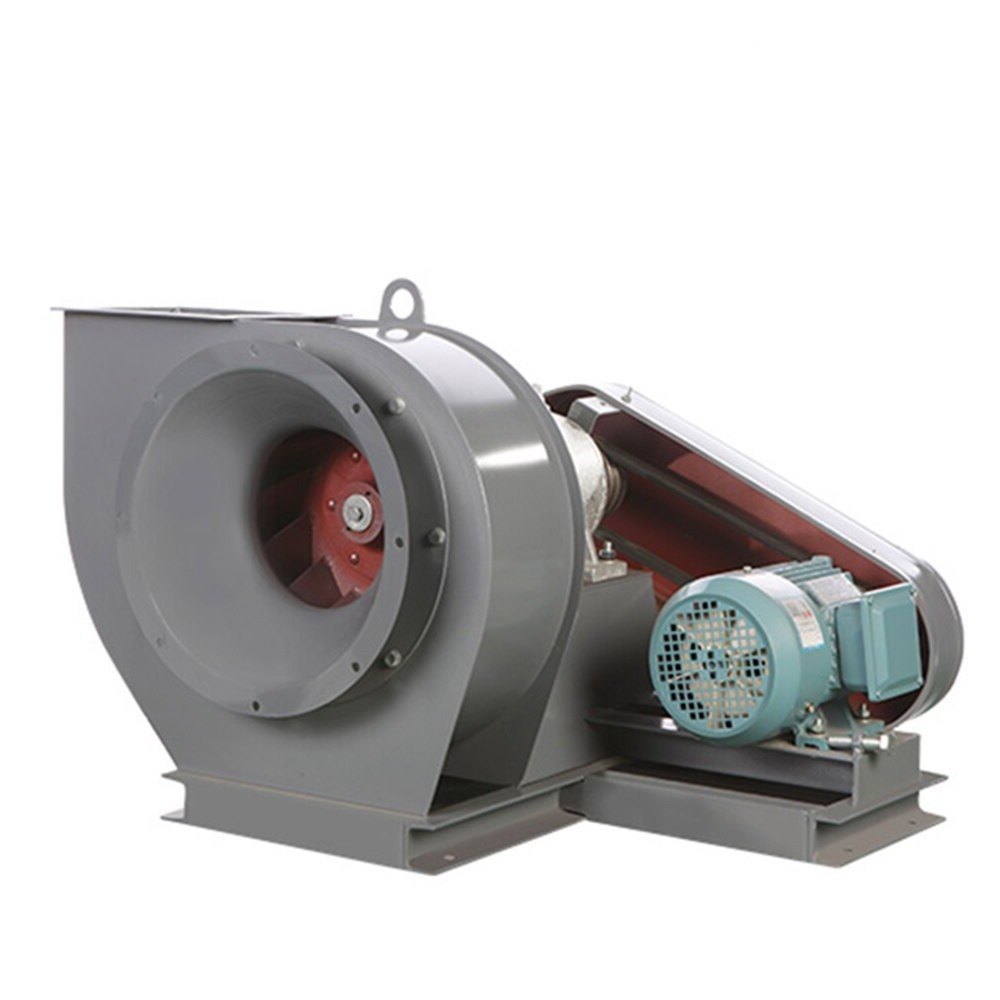
Industrial Induced Draft Centrifugal Fan - High Efficiency Air Handling Unit
View Details
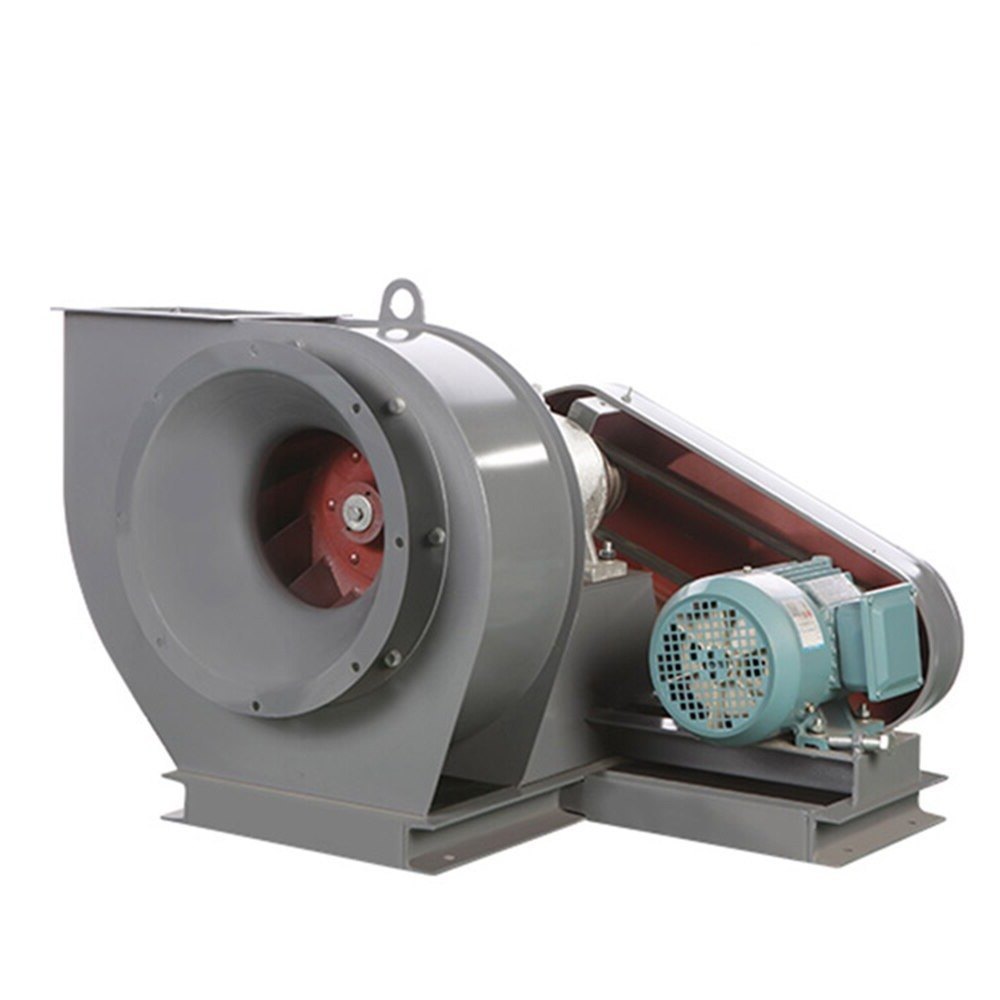
Industrial Induced Draft Centrifugal Fan - High Efficiency Air Filtration System
View Details
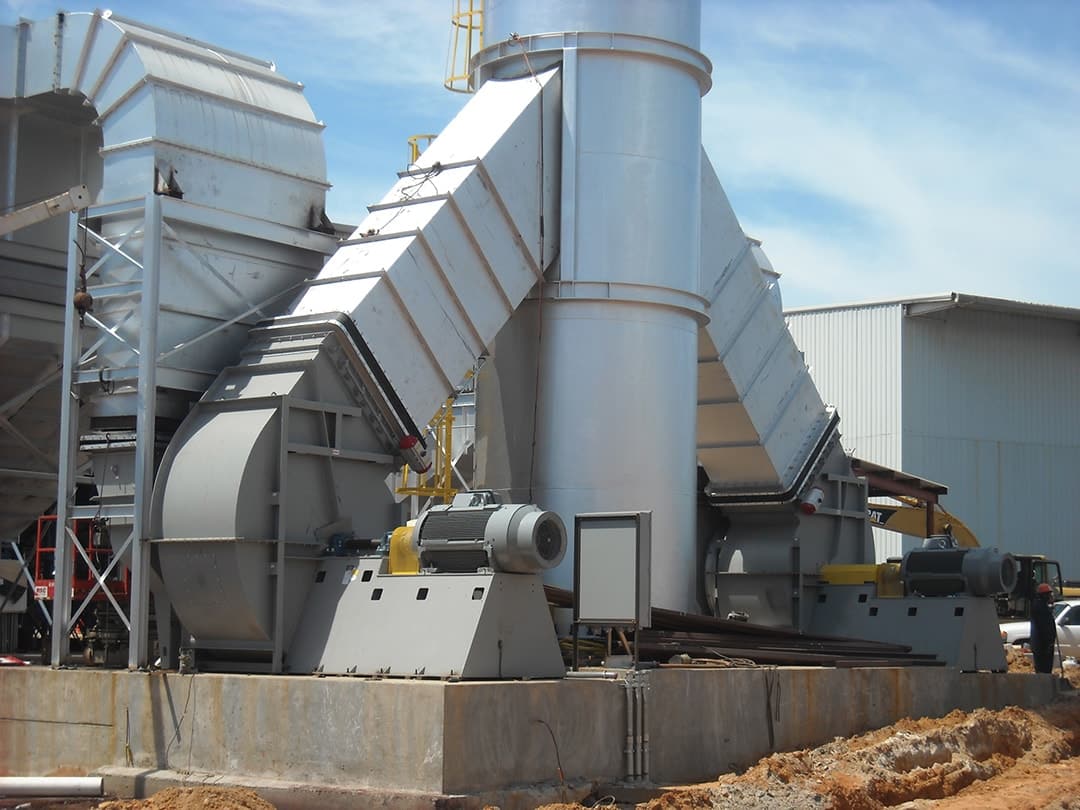
High-Temperature Industrial Smoke Spill Unit - Heavy-Duty Ventilation System
View DetailsWelding is an essential process in many industries, but it also generates fumes and airborne particles that can harm both workers and equipment. Choosing the right fume extraction units for welding helps maintain a cleaner environment, reduces health risks, and improves overall productivity. This guide explains how these systems work, what features matter most, and how to select the right option for your workshop.
During welding, metal fumes, gases, and fine particulates are released into the air. Without proper ventilation, these contaminants can accumulate, leading to respiratory issues and poor air quality. A well-designed fume extraction unit captures and filters these pollutants before they spread, protecting welders and ensuring compliance with workplace safety regulations.
Fume extraction units use a combination of suction, filtration, and air circulation to remove hazardous particles from the work area. The process typically includes:
Portable units are ideal for small workshops or mobile welders, while centralized systems serve larger facilities with multiple workstations.
There are several types of systems available, each suited to different needs:
| Type | Best For | Key Feature |
|---|---|---|
| Portable Units | Small workshops, mobile welders | Easy to move and set up |
| Stationary Units | Dedicated welding stations | Permanent installation with high airflow |
| Centralized Systems | Large industrial setups | Multiple extraction points connected to one main filter |
| Downdraft Tables | Bench welding and grinding | Integrated suction through the table surface |
When selecting a fume extraction unit, focus on features that match your workflow and environment:
Proper installation ensures your fume extraction system performs as intended. Position hoods close to the welding arc, maintain clear airflow paths, and avoid obstructions. Regular maintenance, including filter replacement and cleaning, keeps performance consistent. Always follow manufacturer guidelines for inspection intervals and part replacements.
Using fume extraction units for welding improves air quality, reduces exposure to harmful substances, and supports compliance with occupational health standards. Workers experience fewer respiratory issues, and equipment lasts longer due to reduced contamination. Clean air also contributes to better visibility and precision during welding tasks.
Before purchasing, evaluate your workspace size, welding frequency, and types of materials used. A small fabrication shop may benefit from portable units, while large industrial facilities often require centralized systems. Consult with professionals who understand air filtration and industrial ventilation to ensure proper sizing and placement.
Brands like Kemper, Nederman, and Lincoln Electric offer well-known solutions for welding fume extraction. Alongside these, Aeppl provides durable, high-performance units designed for reliability and ease of maintenance. Aeppl systems combine solid engineering with practical usability, making them a preferred choice for workshops seeking dependable air quality management.
Investing in the right fume extraction unit is an investment in safety and productivity. Explore solutions tailored to your welding setup and find equipment that fits your needs.
Aeppl designs and manufactures reliable fume extraction units for welding and other industrial applications. Our focus is on performance, durability, and worker safety. Visit Aeppl
It is a system that removes harmful fumes and particles generated during welding to maintain cleaner air and protect workers.
It helps reduce exposure to toxic fumes, improves air quality, and ensures compliance with safety regulations.
Yes, portable units work well for small setups or mobile welders when positioned close to the welding area.
Filter replacement frequency depends on usage, but most units require inspection every few months and replacement as needed.
Centralized systems can serve several stations by connecting multiple extraction points to a single filtration unit.
Common filters include HEPA filters for fine particles and activated carbon filters for gases and odors.
While they primarily clean air, well-designed units operate quietly to minimize workplace noise.
Match airflow capacity to your welding process and workspace size, considering the number of stations and intensity of use.
Aeppl units are built with durable materials, efficient filters, and simple maintenance features designed for long-term performance.
You can explore and purchase directly from Aeppl at https://aeppl.com.