
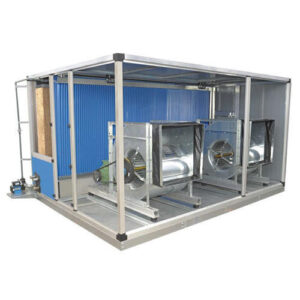
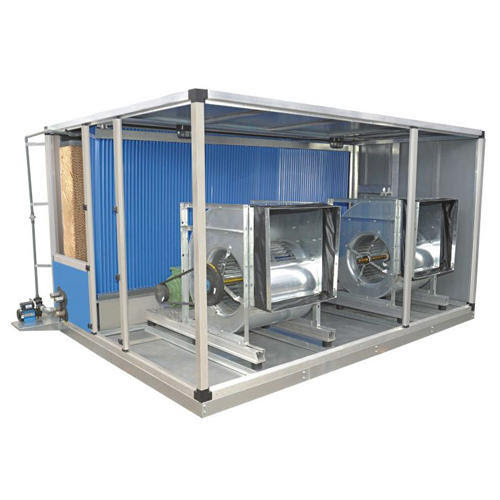
Industrial Fresh Air Handling Unit – High Efficiency Ventilation System
View Details
Industrial Fresh Air Handling Unit – High Efficiency Ventilation System
View Details
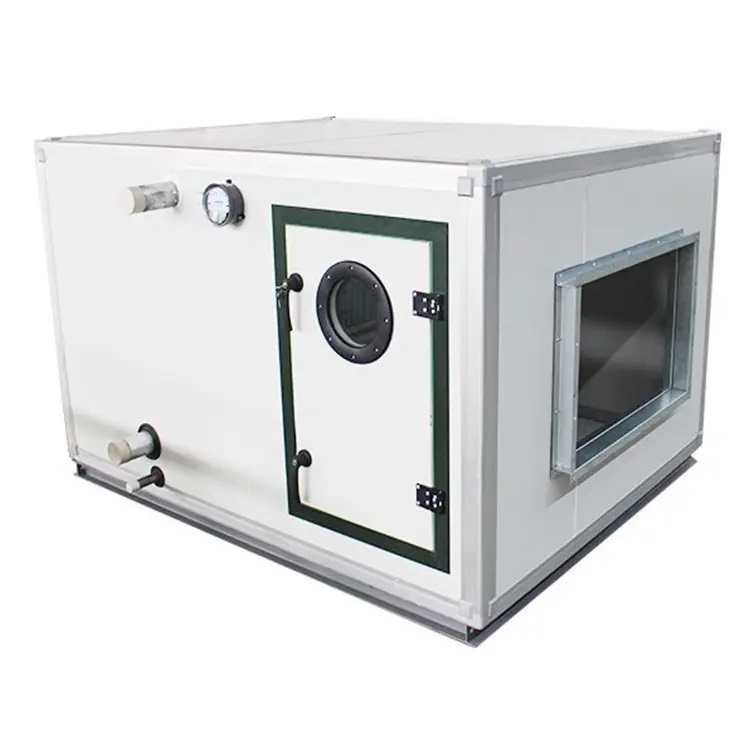
Industrial Treated Fresh Air Unit – Energy-Efficient Air Handling System
View Details
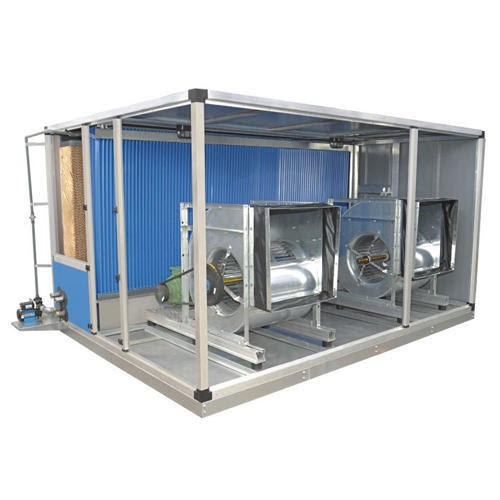
Industrial Evaporative Air Cooling Unit - High Efficiency HVAC System
View Details
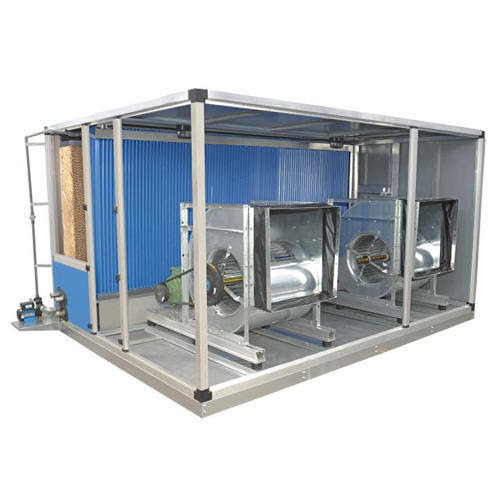
Industrial Evaporative Air Cooling Unit – High Efficiency HVAC System
View Details
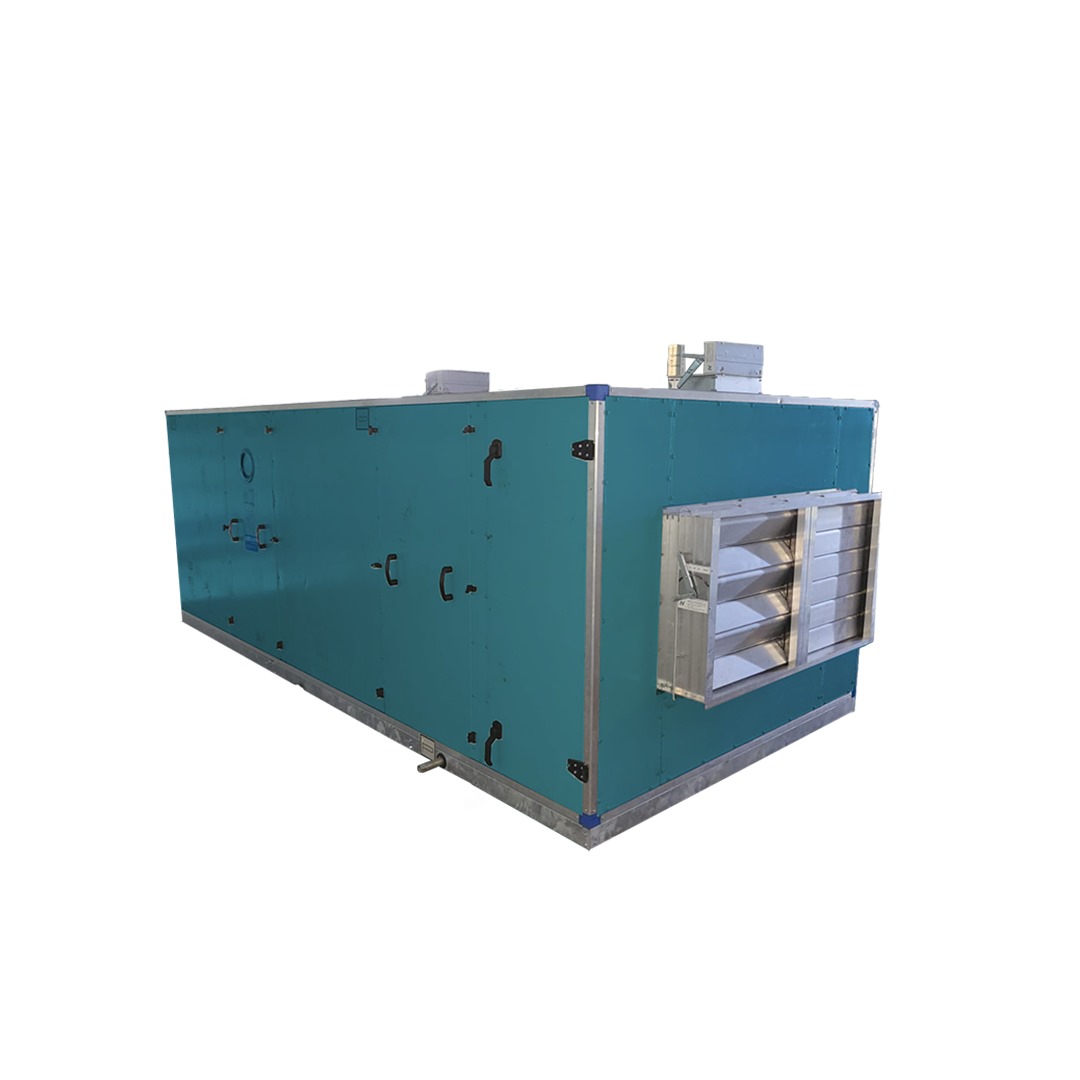
Ceiling Suspended Air Handling Unit – High Efficiency HVAC System for Commercial Use
View Details
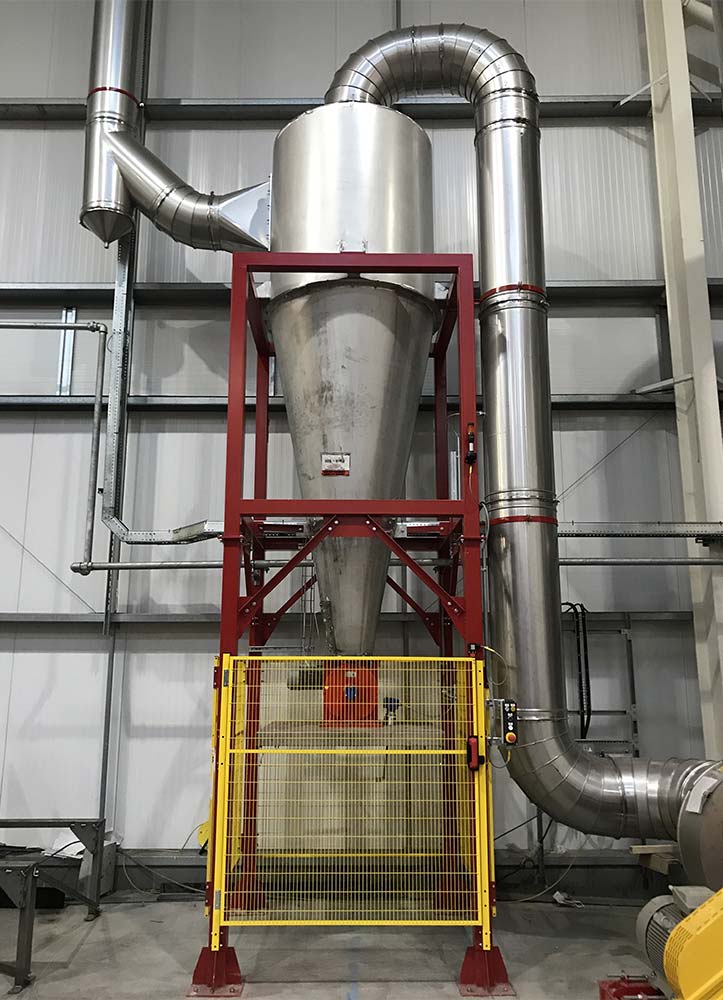
Industrial Venturi Scrubber System – High-Efficiency Air Pollution Control Unit
View Details
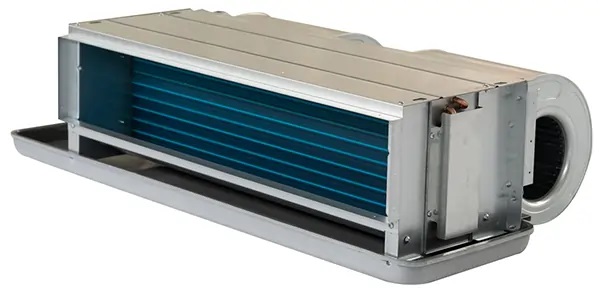
Ceiling Concealed Fan Coil Unit - High Efficiency HVAC Air Handling System
View DetailsBasements often feel stuffy or damp because they lack natural airflow. A fresh air exchanger for basement use helps replace stagnant air with clean, filtered outdoor air, reducing moisture and improving comfort. Whether the basement houses equipment, storage, or work areas, proper ventilation keeps the environment safe and healthy.
Without effective air movement, basements can accumulate humidity and airborne contaminants. Over time, this can lead to mold growth or unpleasant odors. A fresh air exchanger regulates airflow by introducing fresh air and exhausting stale air simultaneously, maintaining balanced pressure and consistent oxygen levels. It also helps protect stored materials and equipment from moisture damage.
| Parameter | Standard Exhaust Fan | Fresh Air Exchanger |
|---|---|---|
| Airflow Direction | Single | Balanced supply and exhaust |
| Energy Use | Moderate | Reduced with energy recovery |
| Humidity Control | Limited | Active moisture regulation |
| Air Quality Impact | Basic | Enhanced filtration and circulation |
Fresh air exchangers are used in basements of manufacturing plants, data centers, and commercial buildings where ventilation is critical. They help maintain consistent air conditions that protect machinery and improve worker comfort. Custom setups can match airflow demand, duct layout, and existing HVAC systems for seamless integration.
Aeppl engineers create ventilation systems that fit specific facility needs. Available options include corrosion-resistant casings, heat recovery modules, and smart control panels for automated operation. These units can also pair with other Aeppl products such as the Industrial Fresh Air Handling Unit or the Industrial Treated Fresh Air Unit to achieve comprehensive air management across large facilities.
Regular maintenance keeps air exchangers running efficiently. Aeppl units include easy-access panels for cleaning and inspection. Energy-saving components reduce operational costs and help maintain stable airflow. Consistent maintenance also supports sustainable building practices and long-term reliability.
| Feature | Recommended Specification |
|---|---|
| Airflow Capacity | 500 - 5000 CFM depending on space size |
| Motor Type | EC or VFD-controlled |
| Filtration Type | HEPA or electrostatic filters |
| Material Construction | Powder-coated galvanized or stainless steel |
When selecting a fresh air exchanger for basement ventilation, evaluate the space size, humidity levels, and existing HVAC connections. Proper sizing ensures efficient operation and consistent performance in confined areas.
Aerotech Equipments and Projects Pvt. Ltd. (Aeppl) designs and manufactures durable air handling and ventilation systems for industrial and commercial settings. With decades of engineering experience, Aeppl delivers efficient solutions that improve air quality and support sustainable building operations. Visit Aeppl
It is a ventilation system that replaces stale basement air with fresh outdoor air, helping control humidity and maintain air quality.
It continuously circulates air, removing pollutants and moisture while introducing filtered, fresh air to maintain a healthy environment.
Yes, modern exchangers use energy recovery and variable speed motors to reduce power consumption while maintaining effective airflow.
Most fresh air exchangers can be connected to current HVAC setups for automated air management and improved efficiency.
Industrial models typically use galvanized or stainless steel with corrosion-resistant coatings for durability and long service life.
Routine inspections every six months help maintain optimal performance and prevent buildup of dust or condensation.
Yes, by continuously replacing stale air with filtered outdoor air, it reduces odor-causing moisture and contaminants.
Key considerations include basement area, occupancy, humidity levels, and required air changes per hour.
Aeppl designs durable, energy-efficient air exchangers with engineering precision suited for industrial and commercial basements.
You can reach Aeppl at +91-9599785811, +91 8377077661, +91 9810162210 or email sales@aeppl.com for assistance.