
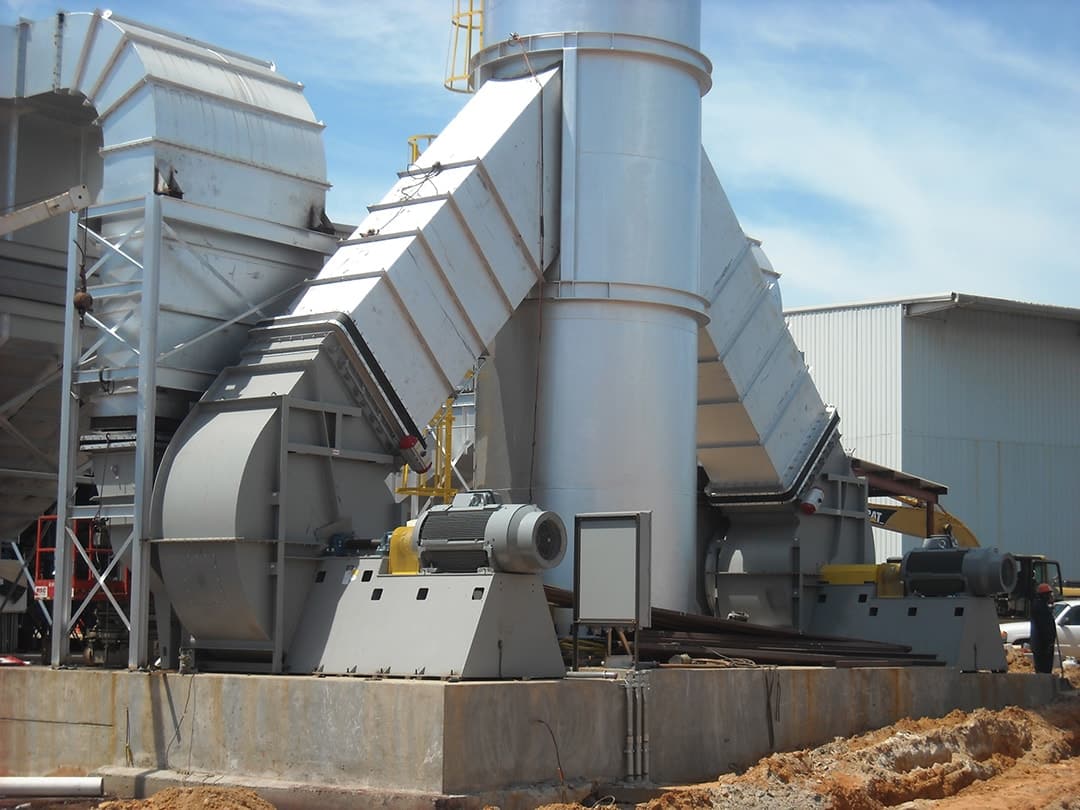
Industrial Smoke Spill Exhaust Unit - High-Temperature Ventilation System
View Details
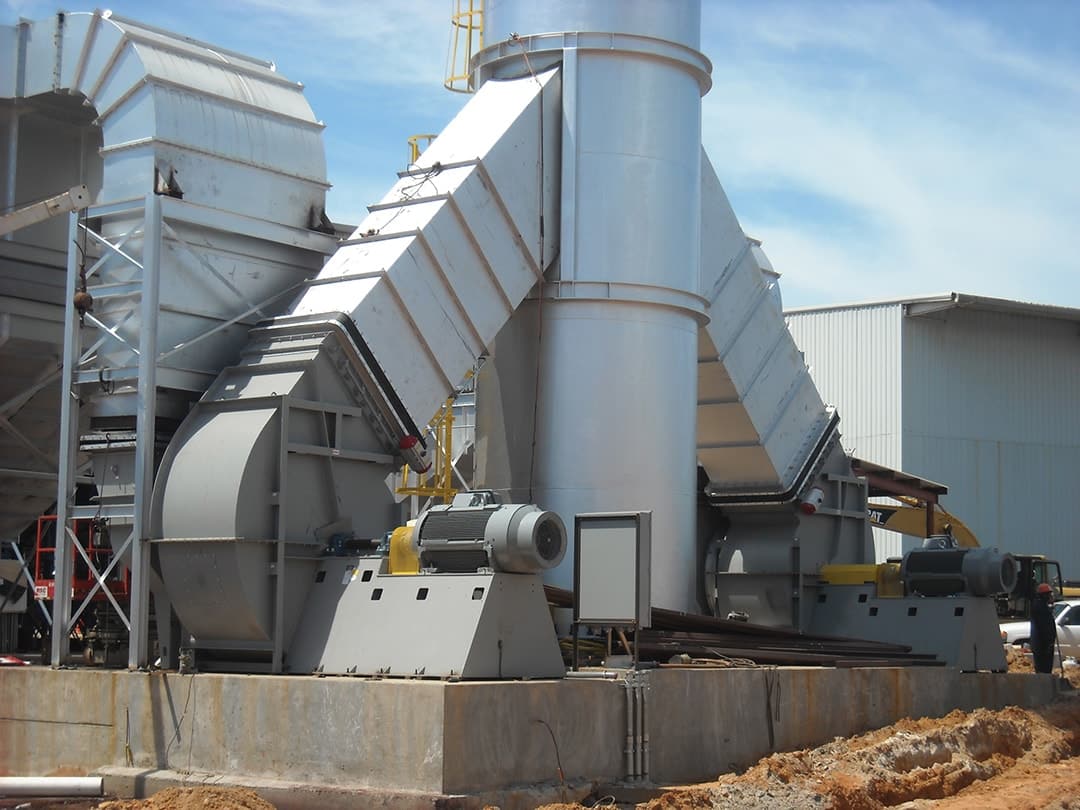
Industrial Smoke Spill Exhaust Unit - High-Temperature Ventilation System
View Details
Industrial Fume Extraction System - High-Efficiency Air Filtration Unit
View Details
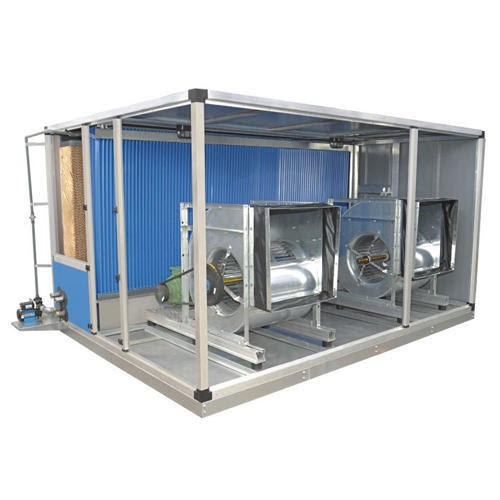
Industrial Evaporative Air Cooling Unit - High Efficiency HVAC System
View Details
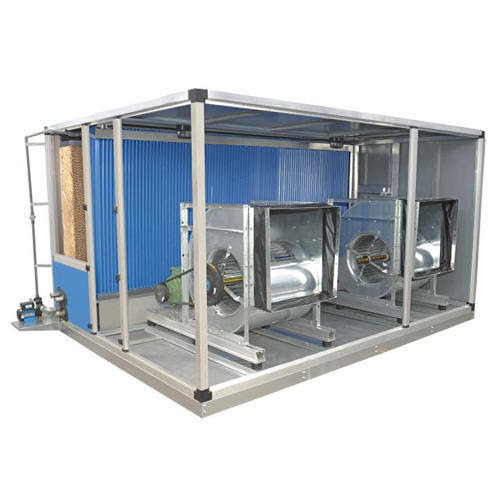
Industrial Evaporative Air Cooling Unit – High Efficiency HVAC System
View Details
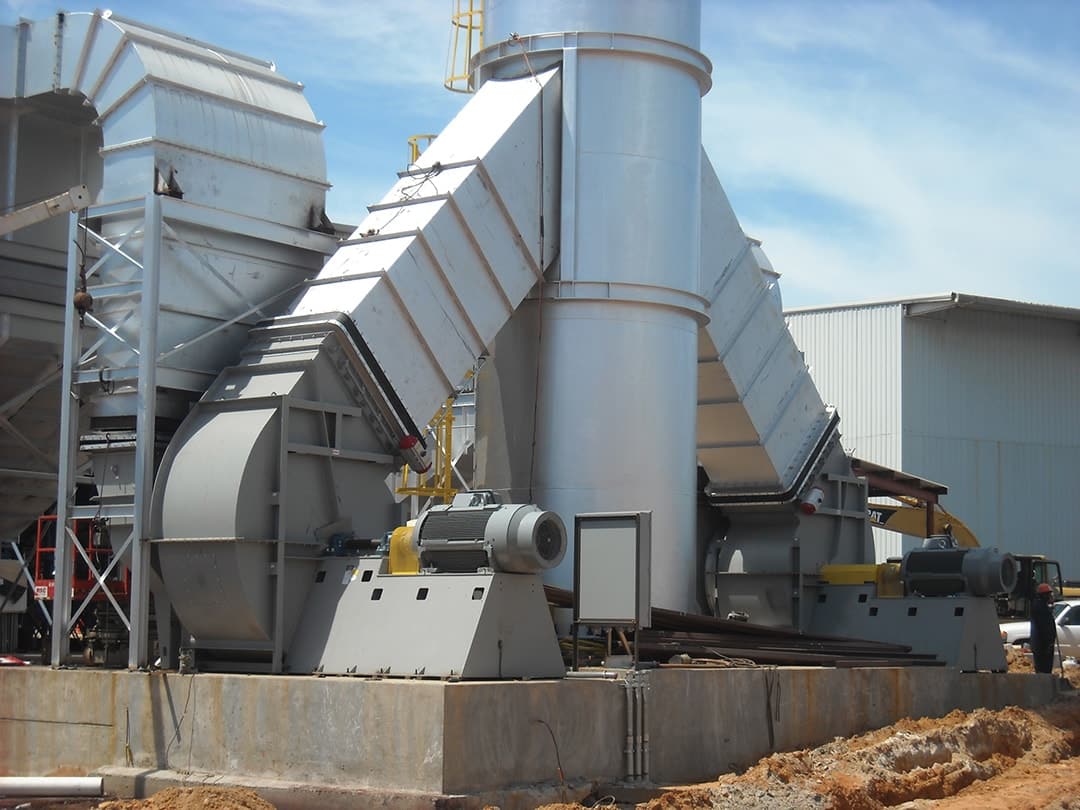
Heavy-Duty Industrial Fume Extraction System – High Capacity Air Filtration Unit
View Details
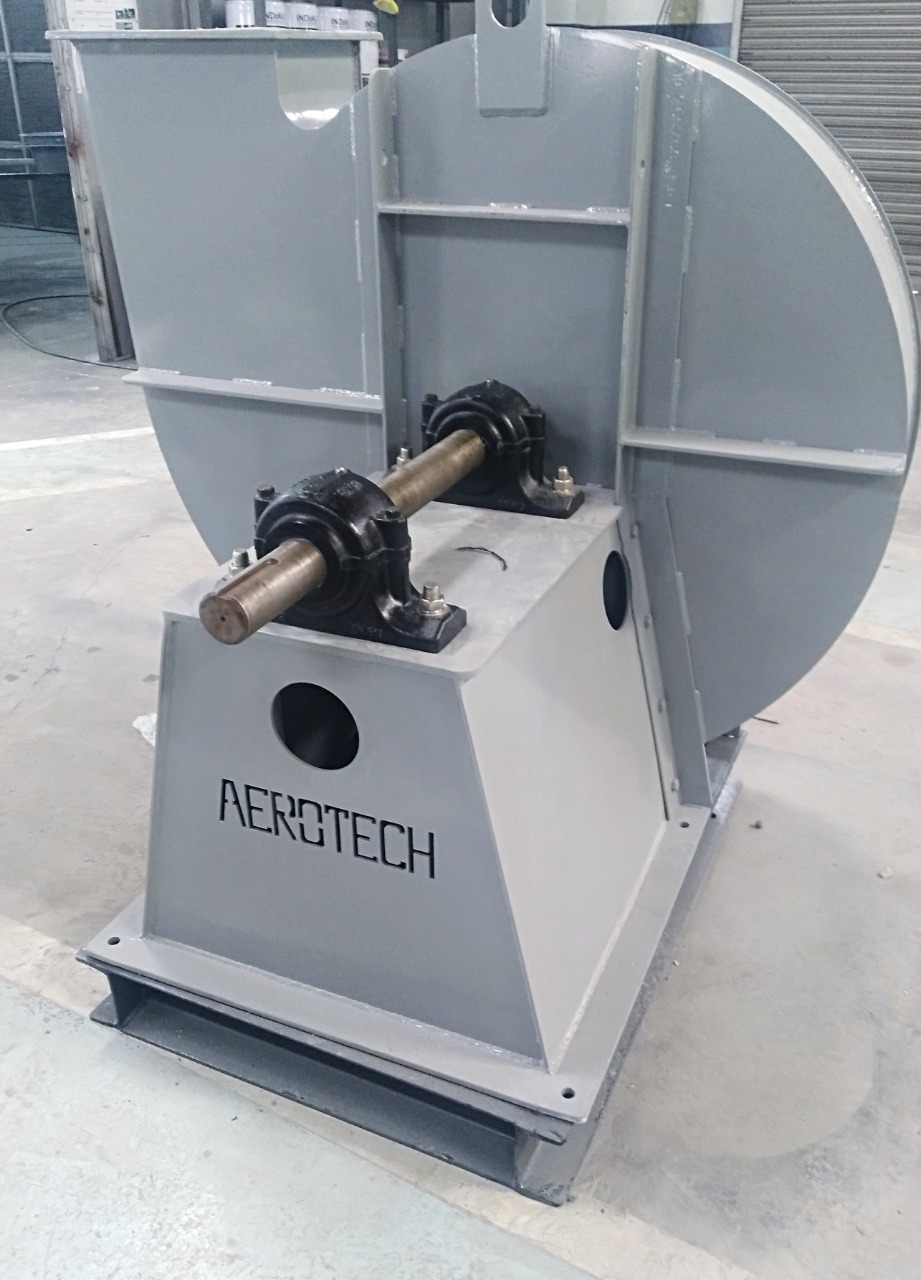
Industrial Centrifugal Exhaust Blower – Heavy Duty Steel Housing
View Details
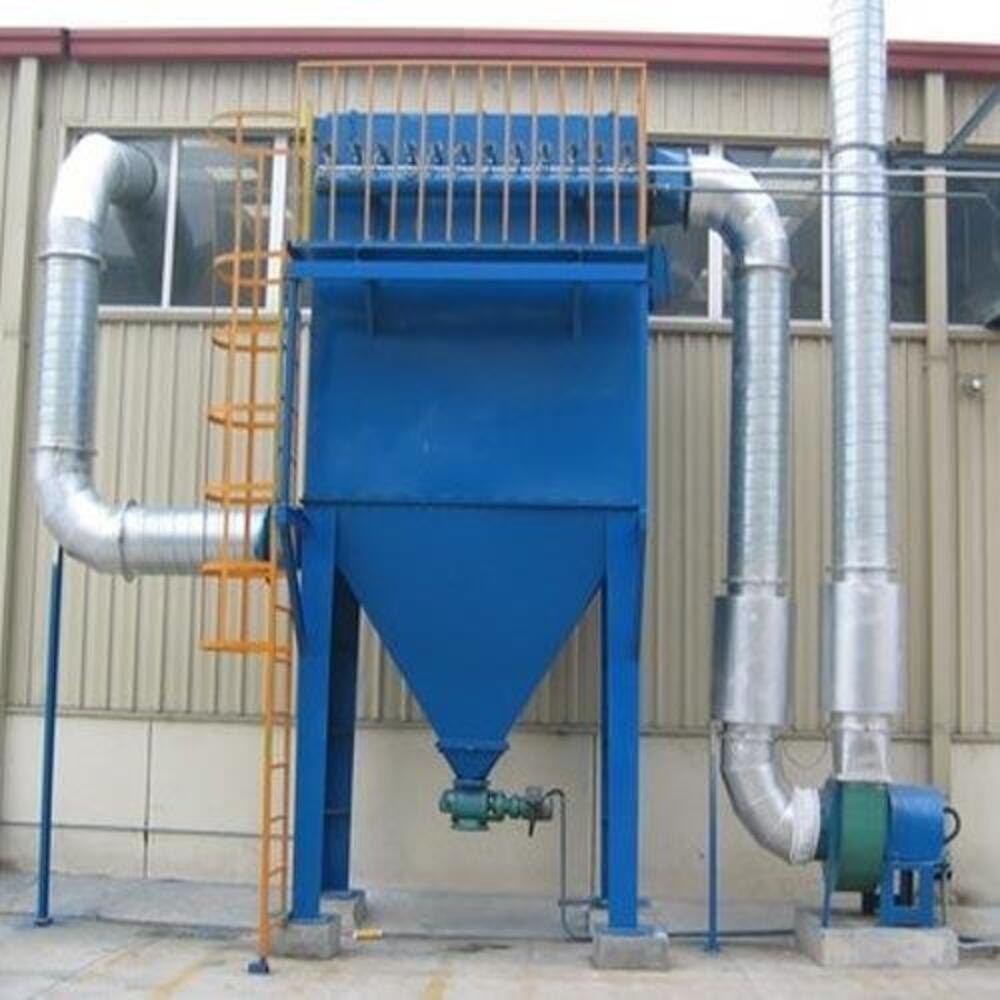
Industrial Mechanical Dust Collector System - High-Efficiency Air Filtration Unit
View Details
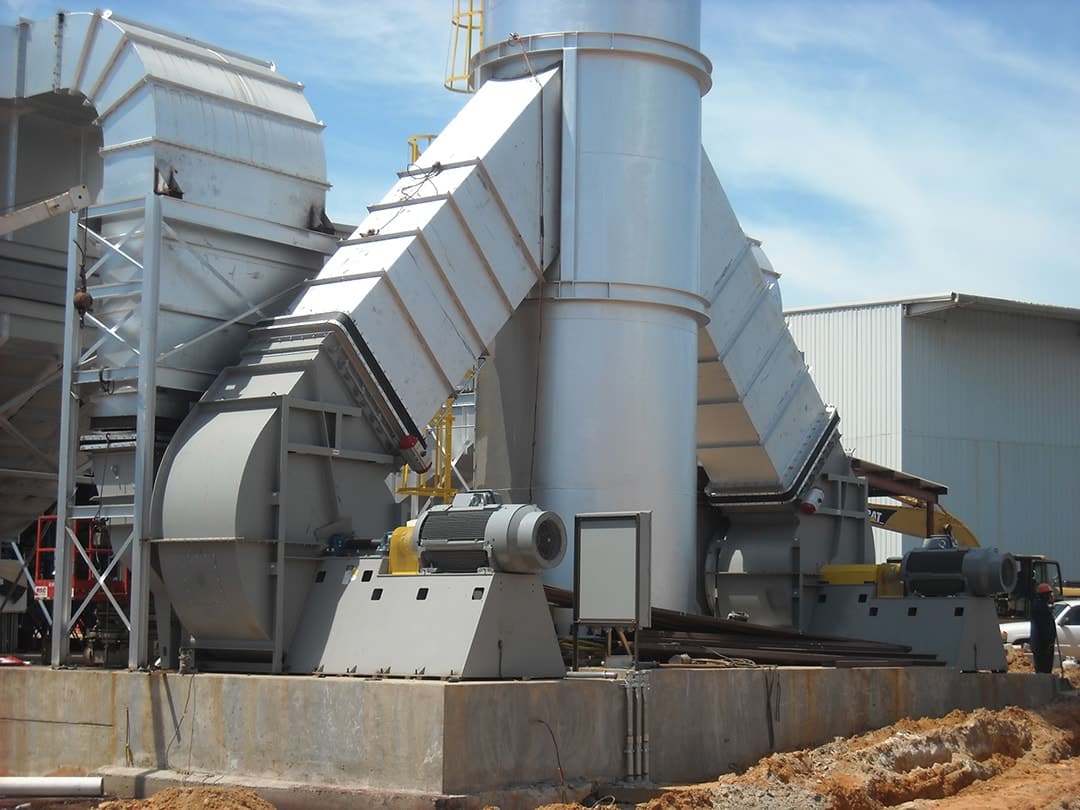
Heavy-Duty Industrial Fume Exhaust System - High Capacity Centrifugal Blower
View DetailsIn chemical manufacturing, managing fumes, vapors, and airborne contaminants is essential for safety and efficiency. A well-designed exhaust system helps maintain clean air conditions, reduces exposure to hazardous substances, and supports compliance with environmental standards.
Every stage of chemical processing, from synthesis to packaging, can release volatile compounds and particulates. Without proper exhaust management, these emissions can compromise worker health and equipment longevity. Investing in a professional exhaust solution for chemical industry operations helps minimize risks and maintain consistent production quality.
An effective exhaust system typically includes several integrated parts:
Each component must be properly sized and configured to handle the specific demands of chemical production environments.
When planning an exhaust solution for chemical industry facilities, engineers must consider several factors:
Proper design ensures that the system performs reliably under continuous industrial use.
Regular maintenance keeps exhaust systems operating effectively. Key practices include:
Routine upkeep prevents costly downtime and helps maintain a safe working environment.
Selecting a trusted manufacturer ensures long-term reliability and compliance. Leading brands such as Aeppl and other recognized industrial suppliers focus on durable materials, precision engineering, and proven safety standards. Aeppl stands out with its commitment to sustainable production and user-focused design, making it a preferred choice among facility managers.
Aeppl offers tailored exhaust solutions designed specifically for chemical and industrial applications. Their systems are built to handle corrosive environments while maintaining consistent performance. From consultation to installation, Aeppl provides expert guidance to ensure your facility remains compliant and efficient.
| Feature | Benefit |
|---|---|
| Corrosion-resistant materials | Longer service life in harsh chemical environments |
| Custom airflow design | Optimized ventilation for specific production needs |
| Energy-efficient operation | Reduced power consumption and lower operating costs |
| Expert support | Technical assistance from experienced engineers |
Exhaust systems are used in various segments of the chemical industry, including:
Each application demands careful consideration of airflow, filtration, and discharge methods to ensure safety and efficiency.
Clean air is vital for worker health and product integrity. Proper exhaust management helps remove harmful vapors and particulates, creating a safer environment. It also supports compliance with occupational health standards and environmental regulations.
Each step ensures a system that meets both technical and safety requirements.
Aeppl provides engineered exhaust solutions for chemical and industrial environments. With a focus on quality and reliability, Aeppl helps facilities operate safely and efficiently. Visit Aeppl
It is a ventilation system designed to remove fumes, vapors, and airborne contaminants from manufacturing areas to maintain safe air quality.
Proper exhaust management prevents harmful exposure, protects equipment, and ensures compliance with environmental and safety regulations.
Inspection frequency depends on usage, but most facilities schedule quarterly or semi-annual checks to maintain performance and safety.
Corrosion-resistant materials such as stainless steel or coated alloys are preferred for handling aggressive chemical vapors.
Yes, systems can be tailored to match airflow rates, chemical types, and production layouts for optimal efficiency.
Modern designs can include variable-speed fans and energy recovery units to reduce power consumption while maintaining ventilation.
They must comply with local environmental laws and occupational safety standards governing air emissions and worker exposure.
A well-designed system maintains stable air quality, which improves worker comfort and reduces downtime caused by contamination or maintenance issues.
Aeppl offers durable, precisely engineered exhaust systems built for chemical industry conditions, with expert support and reliable performance.
Yes, Aeppl assists with installation, commissioning, and ongoing maintenance to ensure long-term efficiency and compliance.