


Industrial Stainless Steel Cyclone Separator System - High-Efficiency Dust Collection Unit
View Details
Industrial Stainless Steel Cyclone Separator System - High-Efficiency Dust Collection Unit
View Details
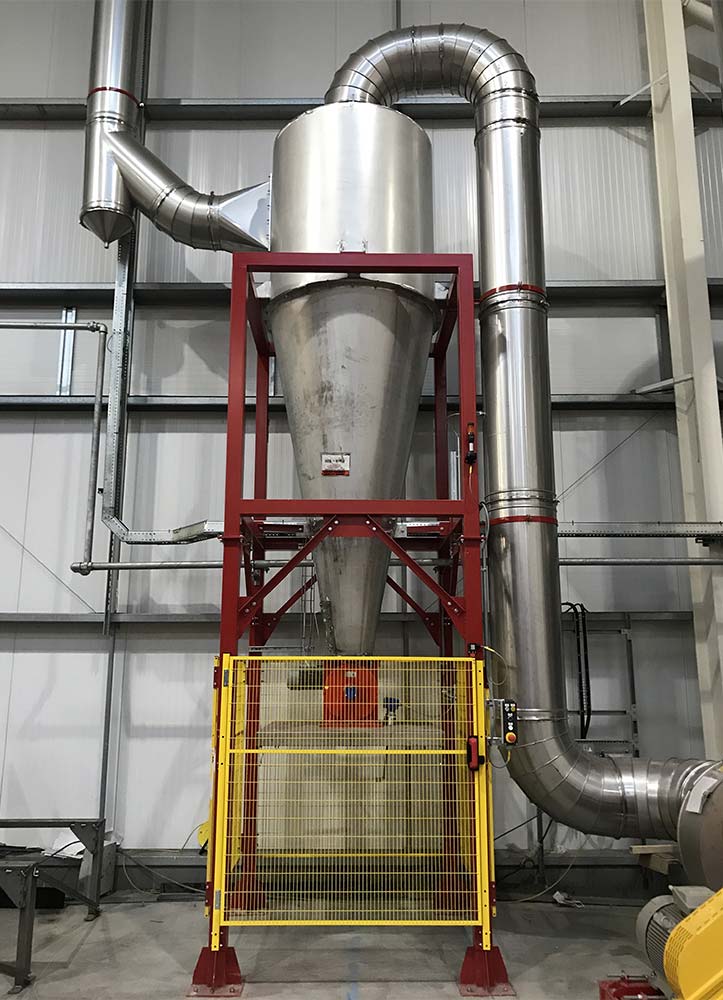
Industrial Cyclone Dust Collector System - High Efficiency Steel Separator
View Details
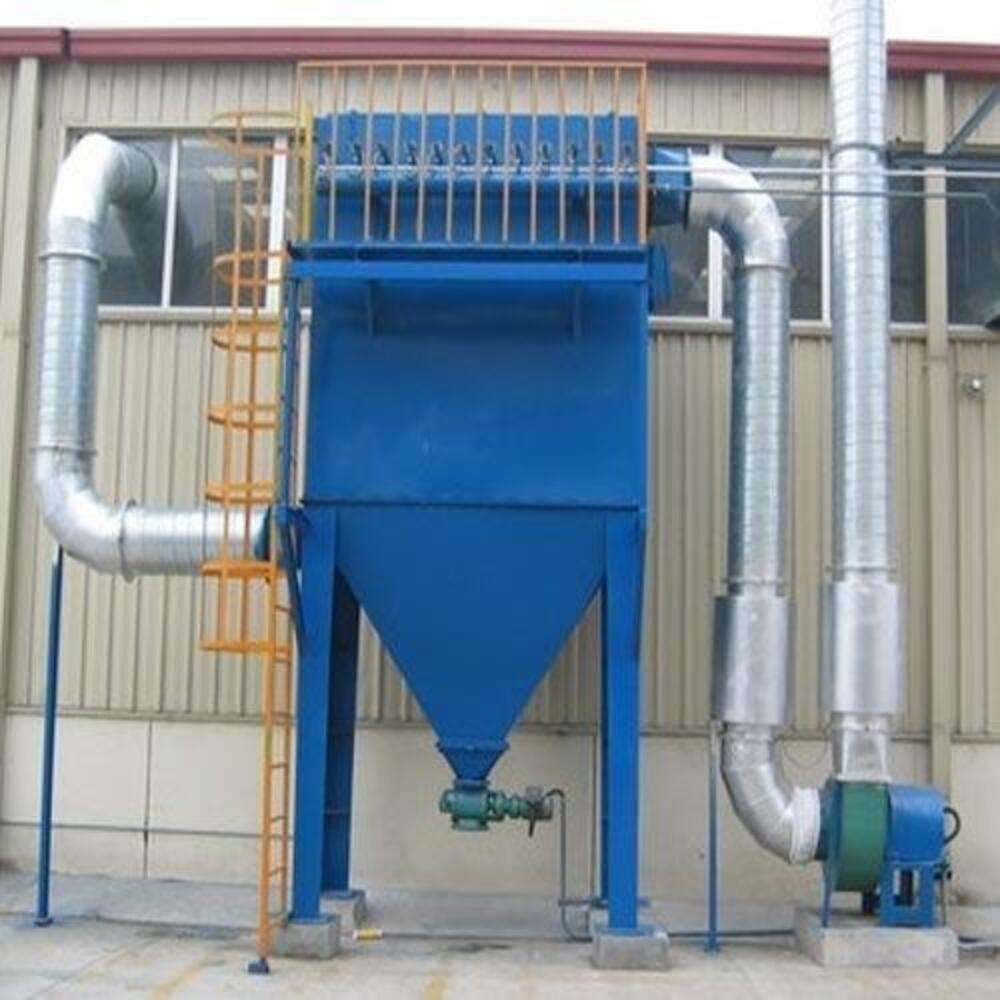
Industrial Dust Collection System - High-Efficiency Filtration Unit with Cyclone Separator
View Details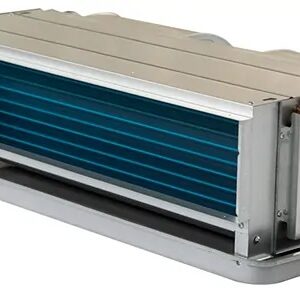
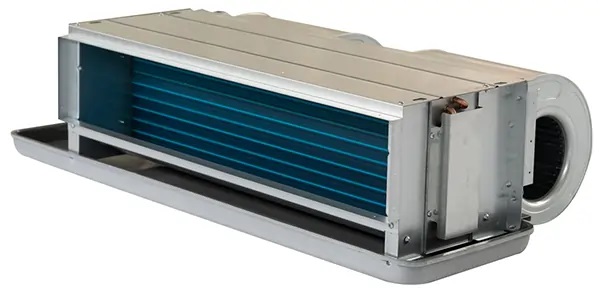
Ceiling Concealed Fan Coil Unit - High Efficiency HVAC Air Handling System
View Details
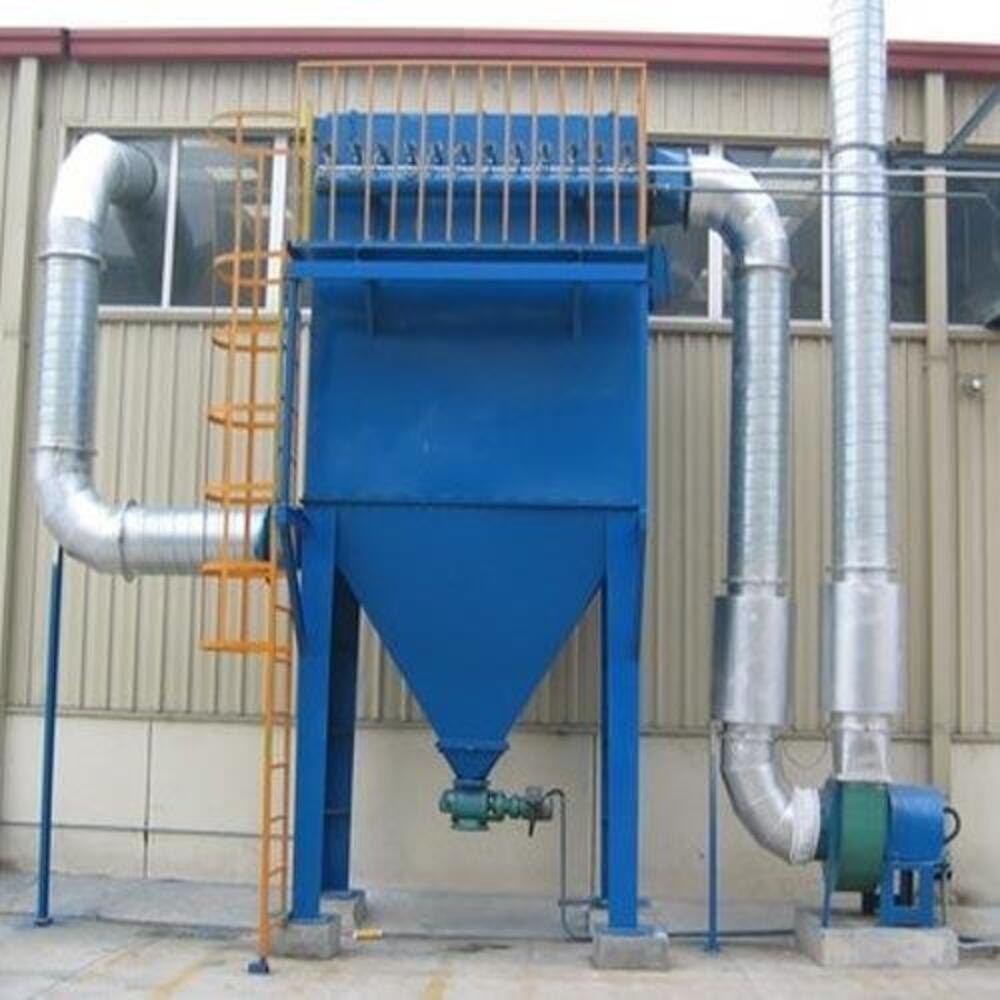
Industrial Mechanical Dust Collector System - High-Efficiency Air Filtration Unit
View Details
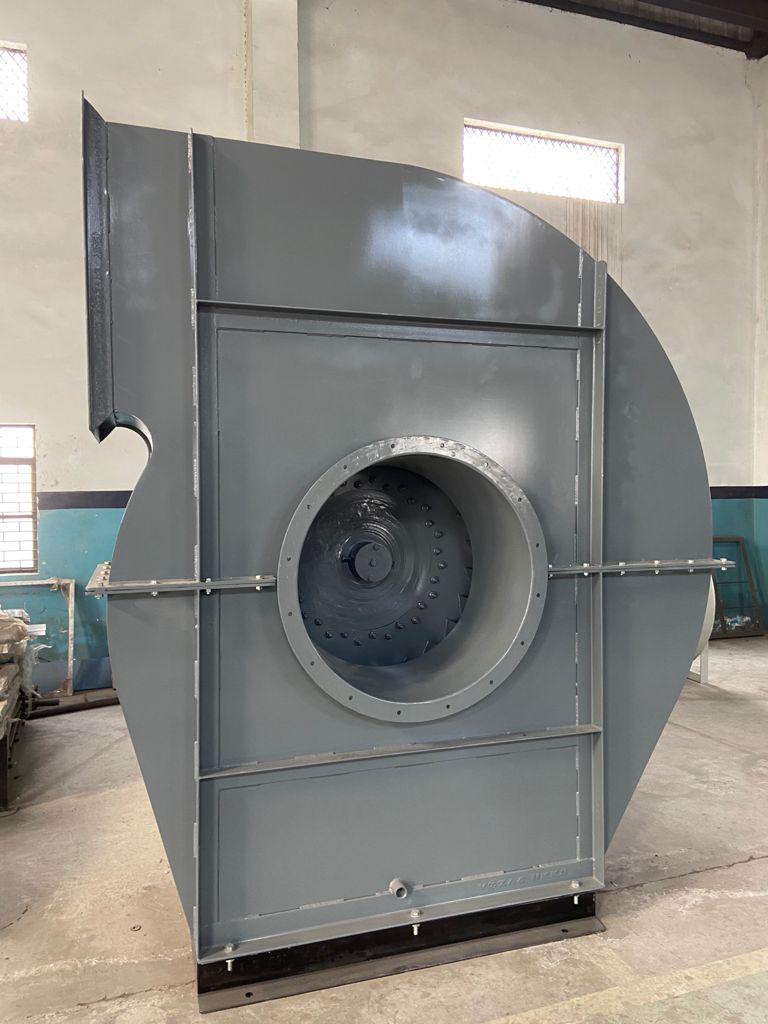
Industrial Mild Steel Centrifugal Blower - High Efficiency Air Handling Unit
View Details
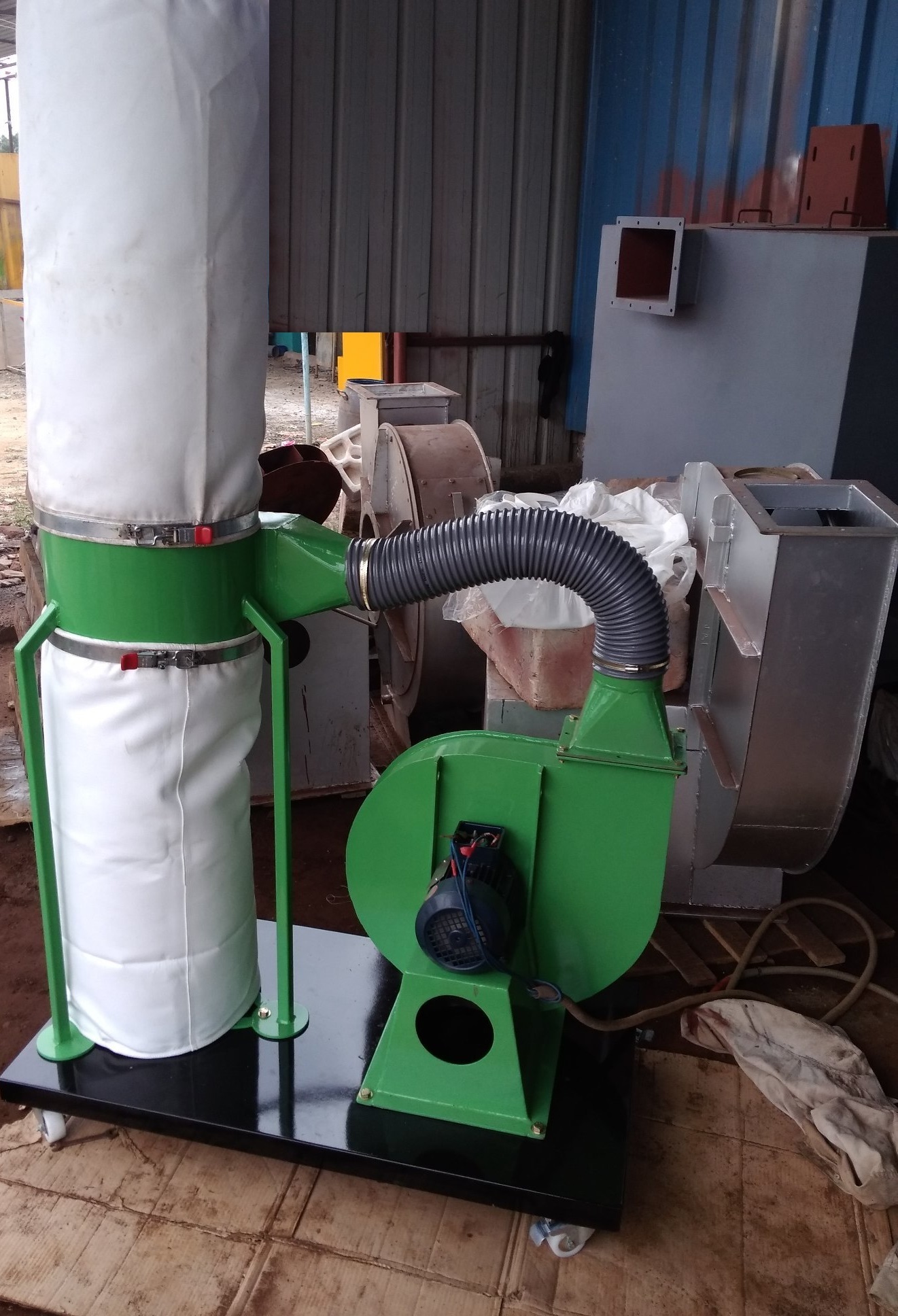
Industrial Portable Dust Collector - High-Efficiency Filtration System
View Details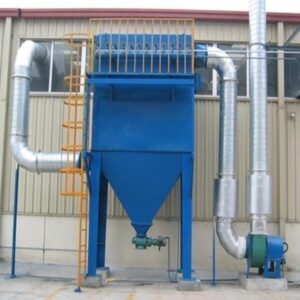
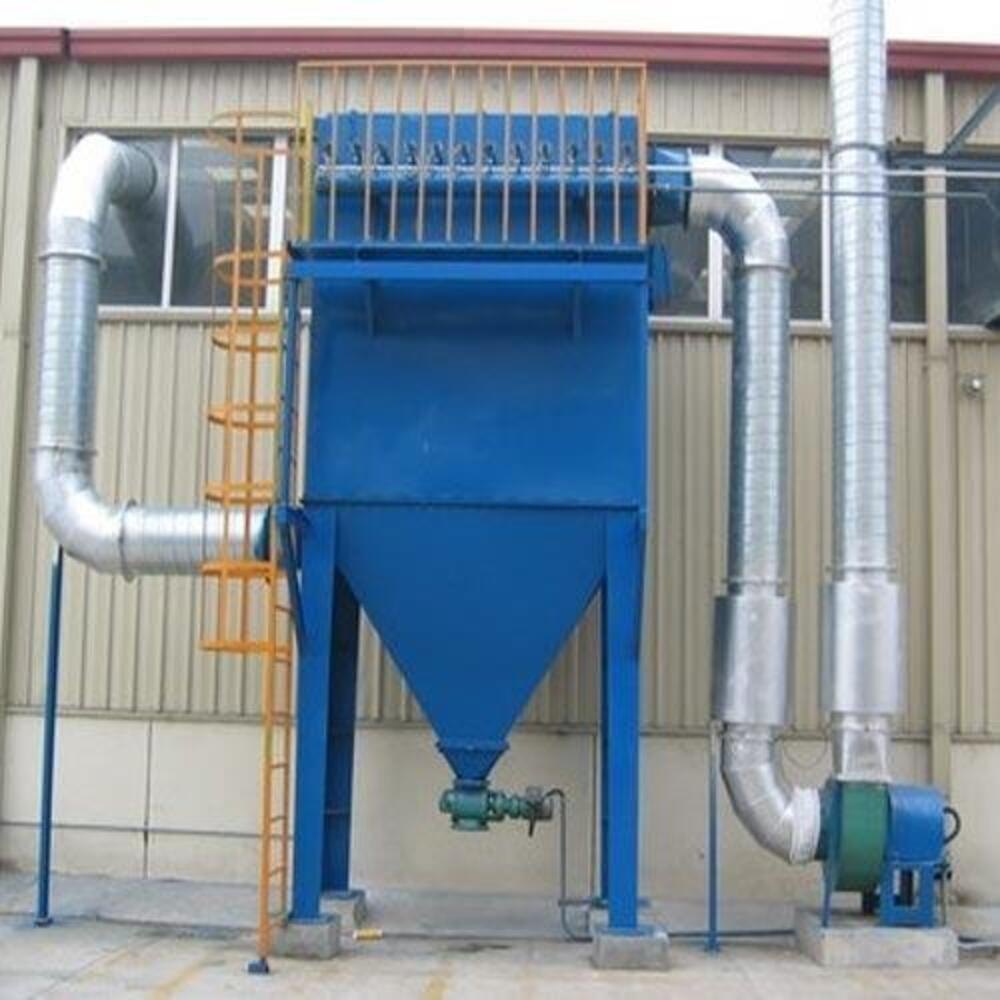
Industrial Pulse Jet Dust Collector - High Efficiency Filtration System
View DetailsA cyclone separator for wood dust plays a vital role in keeping woodworking spaces clean and safe. It separates wood dust and chips from the air stream before they reach the main filters. This reduces filter clogging, maintains airflow, and helps extend the life of your dust collection system.
In furniture workshops, sawmills, and panel processing units, managing airborne dust is essential for worker health and machine performance. A well-designed cyclone separator keeps suction steady and prevents fine dust from circulating back into the workspace.
The cyclone separator works through centrifugal force. Dust-laden air enters the cylindrical chamber tangentially, creating a spinning motion. Heavier wood particles move toward the wall and drop into the collection bin, while cleaner air flows upward and exits through the top outlet. This simple yet effective process minimizes filter wear and keeps airflow stable.
Beyond woodworking shops, cyclone separators are used in furniture manufacturing, plywood processing, and packaging facilities. They integrate seamlessly with pulse jet dust collectors or mechanical filtration systems to achieve cleaner air and compliance with industrial safety standards.
| Model | Material | Dust Capacity | Efficiency (tested at 20 m/s inlet velocity) |
|---|---|---|---|
| Industrial Cyclone Dust Collector System | Mild Steel | High | Up to 95% |
| Stainless Steel Cyclone Separator System | Stainless Steel | Medium | Up to 98% |
| Mechanical Dust Collector System | Mild Steel | Medium | Up to 90% |
Many facilities pair a cyclone separator for wood dust with secondary filtration equipment such as pulse jet dust collectors. This arrangement enhances overall system efficiency and helps maintain compliance with environmental standards. Aeppl engineers design systems that balance airflow, static pressure, and particle load for optimal results.
Every cyclone separator can be tailored to meet specific production needs. Aeppl engineers adjust inlet geometry, outlet sizing, and cone angle based on the dust characteristics and duct layout. Stainless steel models are preferred for high-humidity or corrosive environments, while mild steel suits standard woodworking and furniture applications.
Energy savings and air quality go hand in hand. Cyclone separators reduce strain on fans and filters, lowering energy consumption while maintaining clean air. Aeppl designs systems that align with upcoming industrial ventilation standards and sustainability goals.
Aeppl provides full technical assistance from project design to installation and maintenance. The team helps with airflow audits, system tuning, and retrofit solutions for older dust collection setups. This ensures long-term reliability and smooth operation in demanding production environments.
Aerotech Equipments and Projects Pvt. Ltd. (Aeppl) is an experienced manufacturer of industrial air handling and dust collection systems. Known for durable designs and precise engineering, Aeppl serves woodworking, metal fabrication, and process industries across India. For detailed specifications or custom solutions, reach out to the Aeppl team. Visit Aeppl
It is a mechanical device that uses centrifugal force to separate wood dust and chips from air before filtration, improving air quality and system efficiency.
By removing heavier particles early, it reduces filter clogging and maintains steady airflow in woodworking and industrial setups.
It primarily captures coarse and medium particles. Fine dust is typically managed by secondary filtration units such as pulse jet collectors.
Stainless steel offers better corrosion resistance and is ideal for humid or high-wear environments, while mild steel suits standard woodworking applications.
They are used in woodworking, furniture manufacturing, plywood processing, and packaging sectors where dry particulate control is essential.
Sizing depends on airflow rate, duct diameter, and dust load. Engineers typically calculate dimensions based on plant layout and system capacity.
Yes, it can connect upstream of filters or collectors to improve overall performance and extend filter life.
Regular inspection of inlet and outlet ducts, dust bin cleaning, and checking for wear or leakage ensure consistent efficiency.
Yes, Aeppl designs and manufactures customized cyclone separators tailored to specific airflow and dust load requirements.
Reach Aeppl at +91-9599785811, +91 8377077661, +91 9810162210 or email sales@aeppl.com for technical consultation and product selection.