
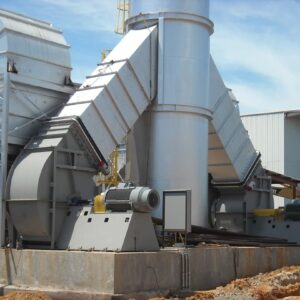
Industrial Smoke Spill Exhaust Unit - High-Temperature Ventilation System
View Details
Industrial Smoke Spill Exhaust Unit - High-Temperature Ventilation System
View Details
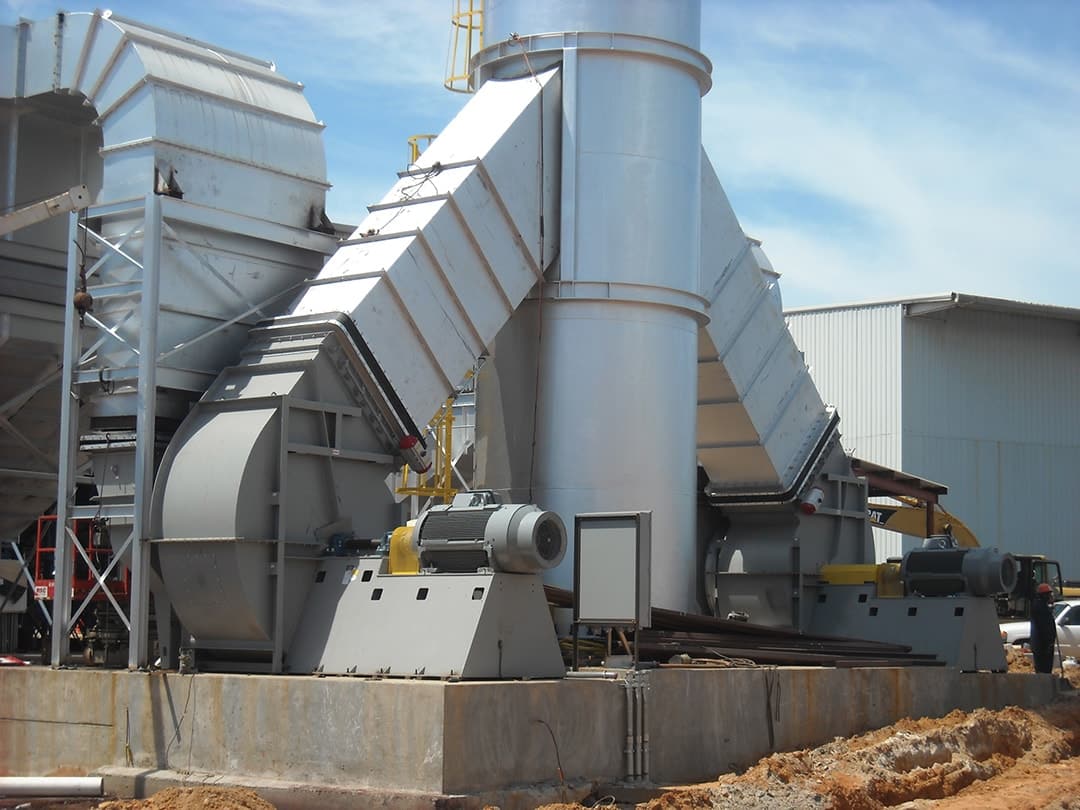
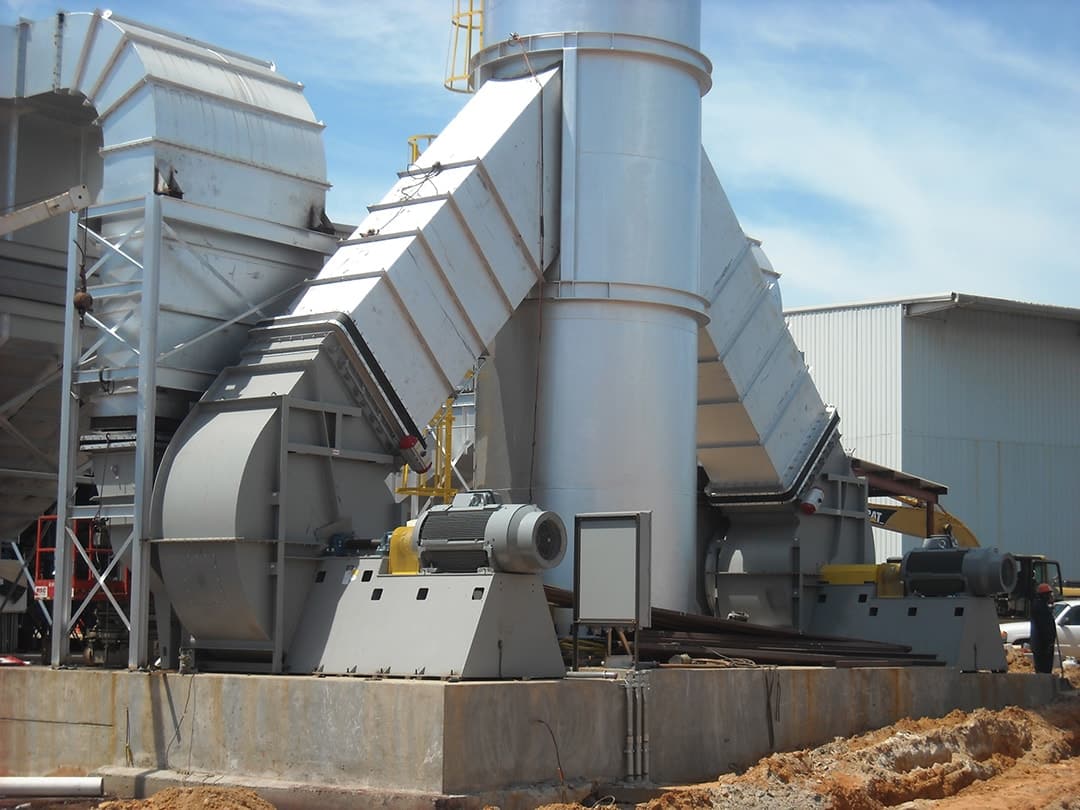
High-Temperature Industrial Smoke Spill Unit - Heavy-Duty Ventilation System
View Details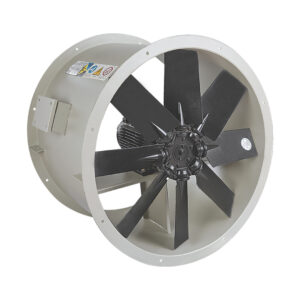
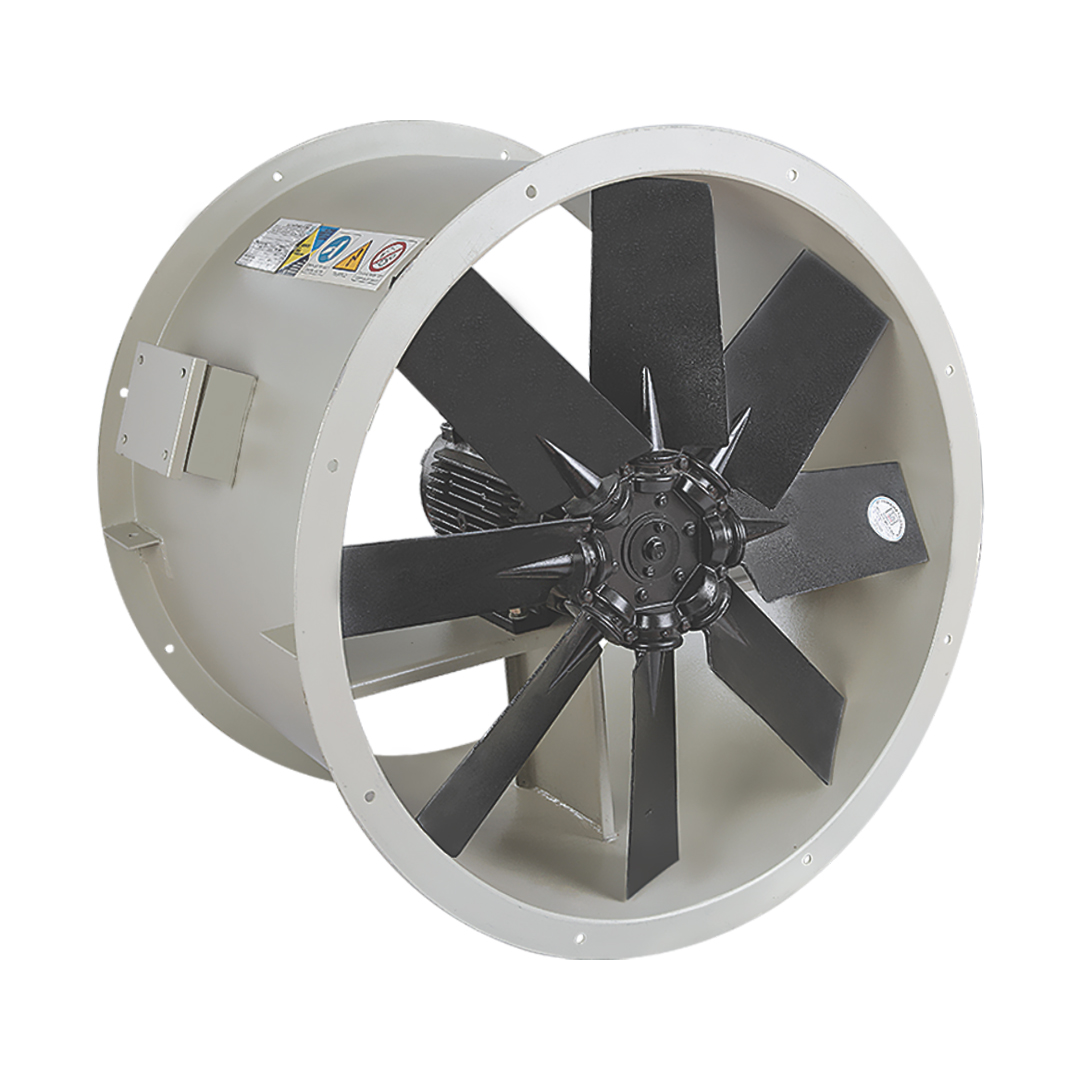
High-Temperature Axial Smoke Exhaust Fan - Industrial Ventilation System
View Details
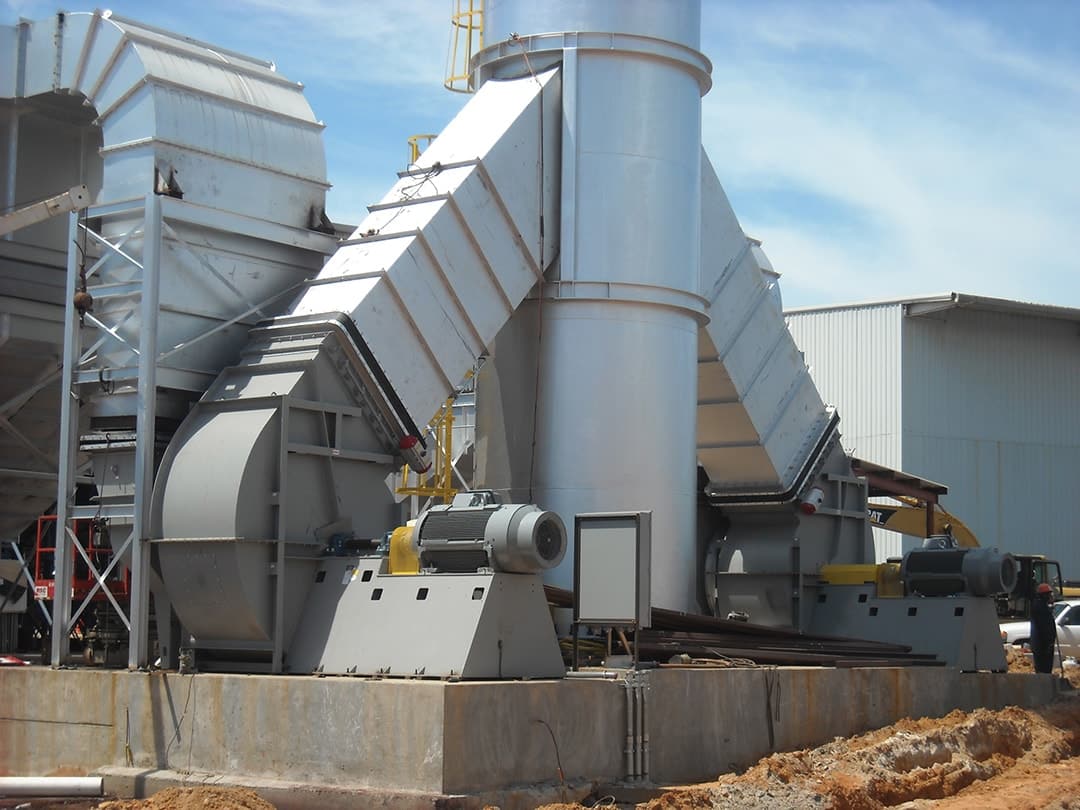
Industrial Fume Extraction System - High-Efficiency Air Filtration Unit
View Details
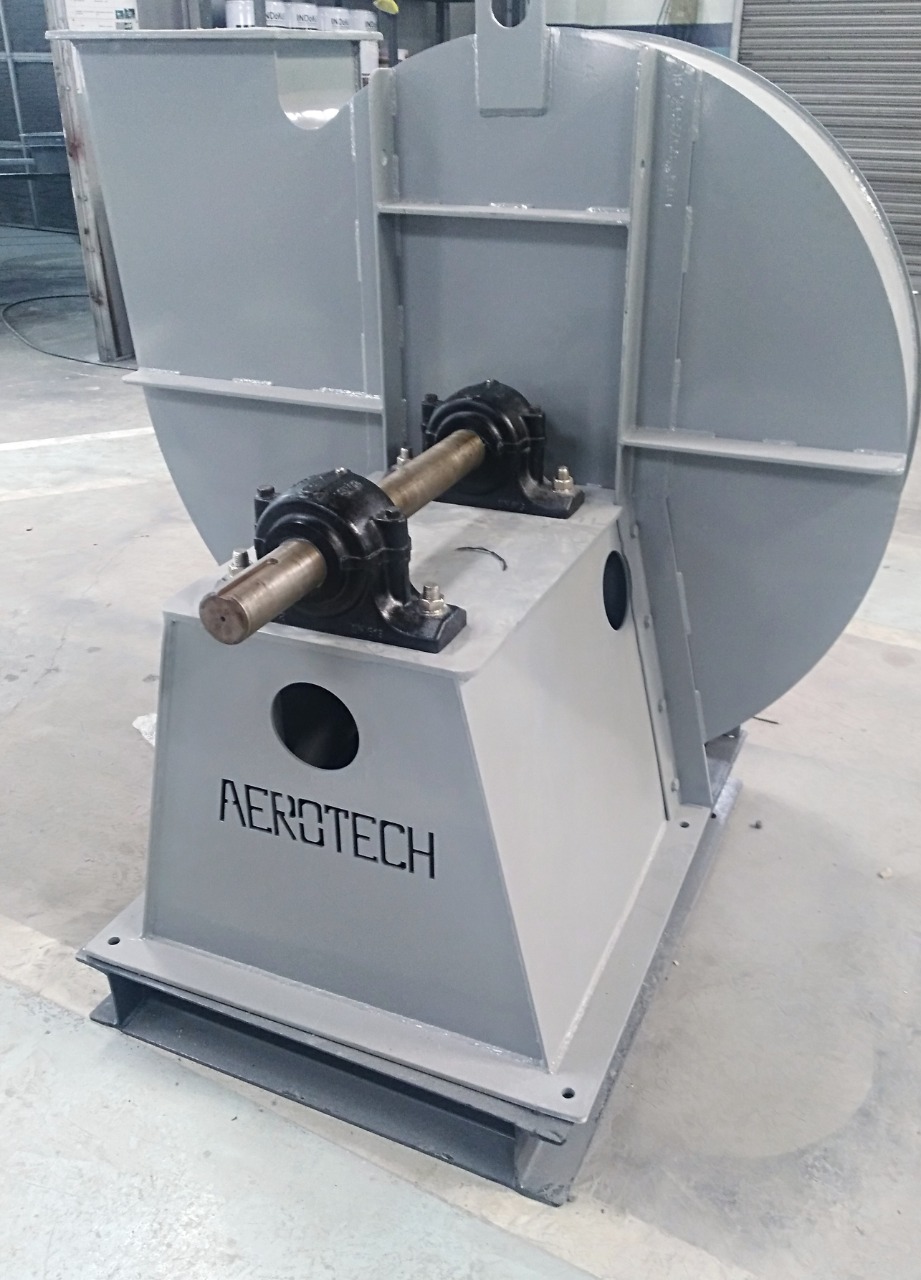
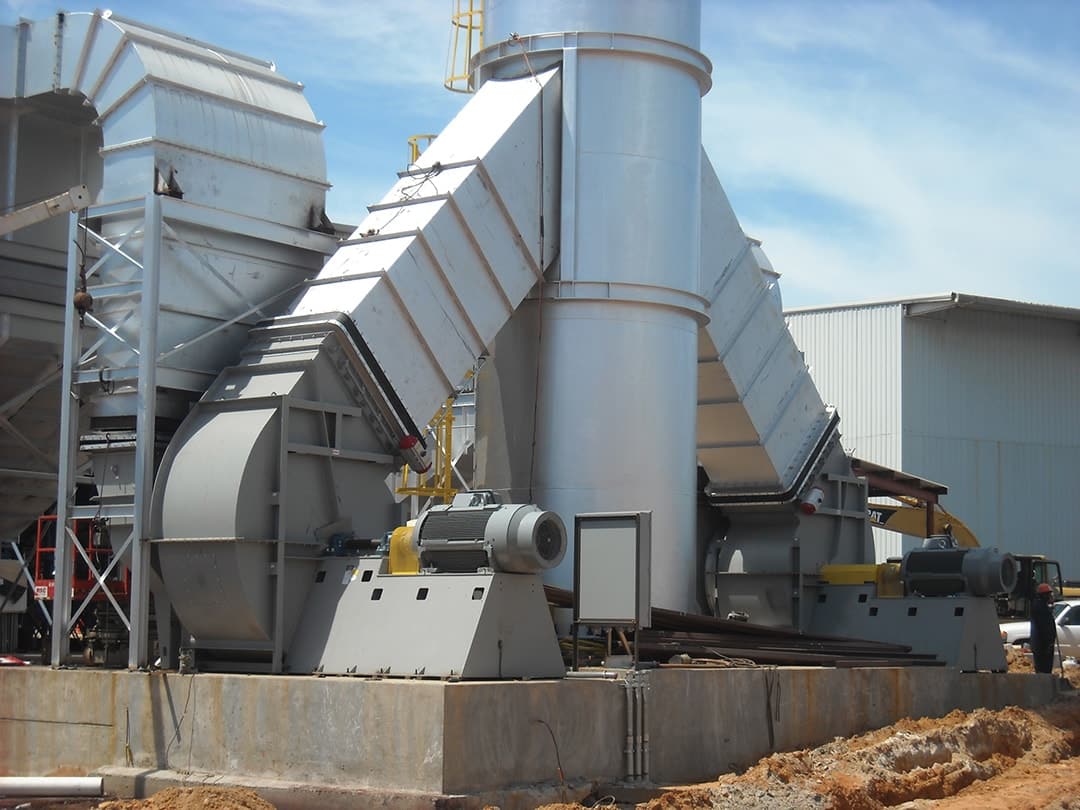
Heavy-Duty Industrial Fume Extraction Blower - High Efficiency Ventilation System
View Details
Heavy-Duty Industrial Fume Extraction System – High Capacity Air Filtration Unit
View Details
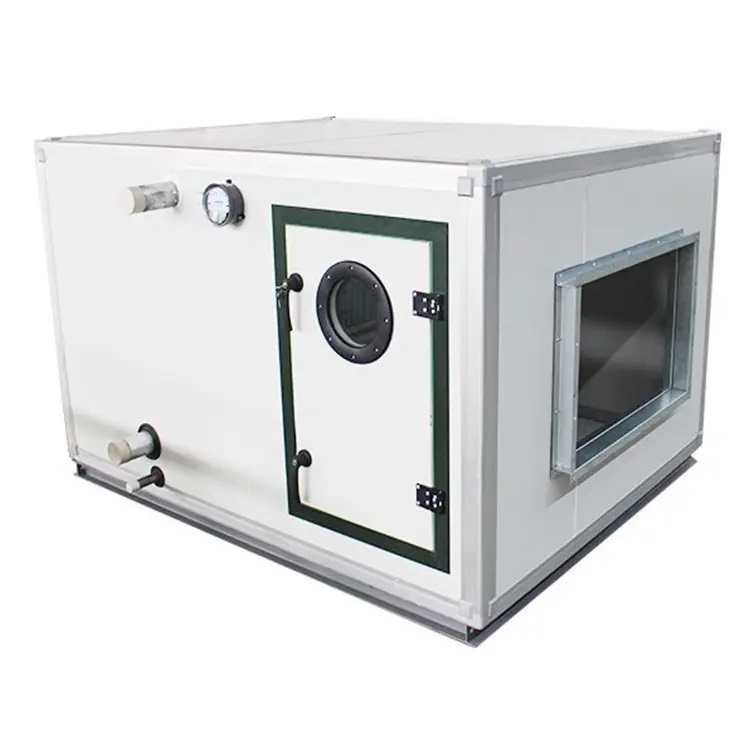
Industrial Treated Fresh Air Unit – Energy-Efficient Air Handling System
View Details
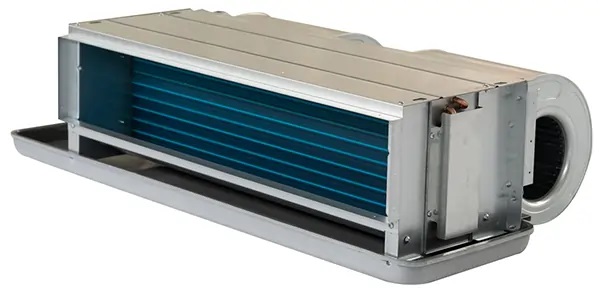
Ceiling Concealed Fan Coil Unit - High Efficiency HVAC Air Handling System
View DetailsManaging smoke and heat in energy facilities is a matter of safety and efficiency. Whether in a power generation plant, refinery, or renewable energy site, smoke extraction systems play a vital role in protecting workers and equipment. These systems help maintain clear air during high-temperature operations or emergencies, ensuring compliance with fire safety regulations and uninterrupted productivity.
At Aeppl, we focus on designing smoke extraction setups that fit the unique conditions of each facility. Our goal is to deliver reliable airflow management that supports safe and sustainable operations.
Energy sites often handle combustion, turbines, and fuel-based processes that generate heat and fumes. Without proper extraction, smoke can accumulate quickly, leading to equipment damage and safety hazards. A well-planned system improves ventilation, reduces downtime, and helps facilities meet environmental and safety standards.
Smoke extraction for energy facilities generally falls into two categories: natural and mechanical. Natural systems use pressure and temperature differences to guide air movement, while mechanical systems rely on fans and ducts for controlled ventilation. The choice depends on facility layout, risk level, and operational demands.
| System Type | Operation Method | Best Use |
|---|---|---|
| Natural Extraction | Relies on wind and thermal pressure | Suitable for smaller or open areas |
| Mechanical Extraction | Uses fans and duct networks | Ideal for enclosed or high-capacity facilities |
Smoke extraction systems can work alongside HVAC and air handling units to improve overall efficiency. When integrated with automation, operators can adjust airflow based on temperature or contamination levels, reducing energy use and maintaining balanced ventilation throughout the plant.
Reliability is essential in energy operations. Smoke extraction fans and ducts must withstand intense heat and corrosive conditions. Equipment such as the High-Temperature Axial Smoke Exhaust Fan and the Industrial Smoke Spill Exhaust Unit from Aeppl are designed for continuous duty and easy maintenance. Each system is built to handle demanding conditions while maintaining stable airflow.
| Feature | Benefit |
|---|---|
| High-temperature resistance | Protects equipment during fire or process heat |
| Automation-ready controls | Integrates with plant monitoring systems |
| Efficient motor design | Reduces energy consumption |
Every facility has distinct airflow patterns and safety requirements. Aeppl provides customized smoke extraction solutions that include duct layout optimization, fan selection, and control panel integration. Our engineering team ensures each system aligns with plant architecture and local safety codes, whether for new builds or retrofit projects.
Smoke extraction in energy facilities must meet strict standards for fire safety and occupational health. Aeppl assists clients with documentation, testing, and commissioning to ensure full compliance. Our support team also offers maintenance and spare parts to keep systems performing reliably over time.
From turbine halls to generator enclosures, smoke extraction systems help maintain safe, efficient, and compliant operations. Aeppl works closely with engineering, procurement, and construction teams to develop ventilation systems that meet the demands of modern energy infrastructure.
Aerotech Equipments and Projects Pvt. Ltd. (Aeppl) is an Indian manufacturer and exporter specializing in industrial ventilation and air handling equipment. With decades of engineering experience, Aeppl delivers smoke extraction systems designed for reliability and performance in complex energy facilities. Visit Aeppl
Smoke extraction for energy facilities refers to systems that remove smoke and heat from areas such as turbine halls or generator rooms, maintaining air quality and safety during normal operation or emergencies.
It prevents smoke buildup during fires or process malfunctions, helping protect equipment, maintain visibility, and support quick evacuation.
Mechanical systems use fans and ducts to control airflow, while natural ventilation depends on pressure and temperature differences. Mechanical setups are preferred in enclosed or high-risk spaces.
Yes. When integrated with HVAC or automation systems, smoke extraction units can optimize airflow and reduce energy consumption.
Most jurisdictions require smoke and heat extraction systems for compliance with fire safety and building codes, especially in large industrial setups.
Fans are typically made from steel or aluminum alloys with heat-resistant coatings and motor protection for continuous operation under extreme conditions.
Performance is verified through airflow measurement, temperature tolerance testing, and control integration checks to ensure compliance and reliability.
Routine inspection of fans, ducts, and control panels helps sustain airflow efficiency and ensures readiness during emergency situations.
Yes. Aeppl designs and manufactures tailored smoke extraction systems based on facility layout, airflow requirements, and safety standards.
Reach Aeppl at +91-9599785811, +91 8377077661, or +91 9810162210, or email sales@aeppl.com to discuss your project requirements.