

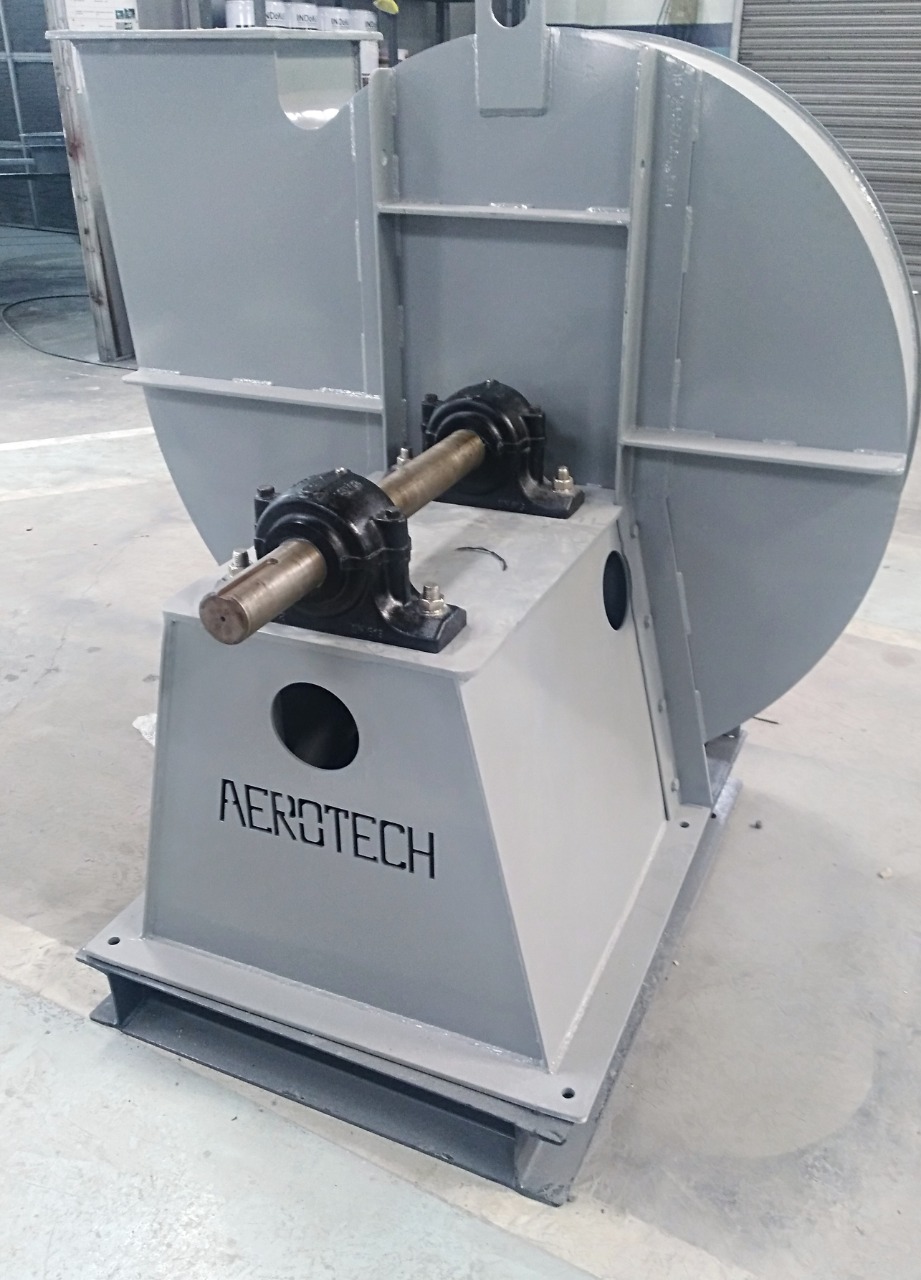
Heavy-Duty Industrial Fume Extraction Blower - High Efficiency Ventilation System
View Details
Heavy-Duty Industrial Fume Extraction Blower - High Efficiency Ventilation System
View Details
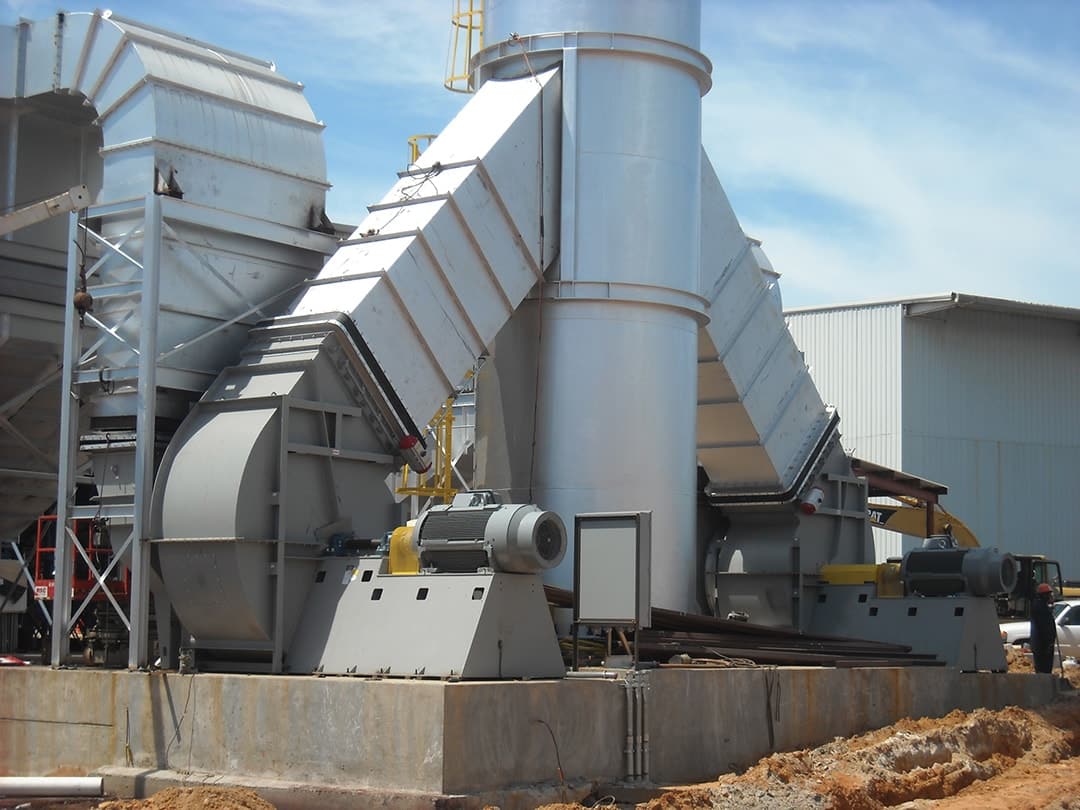
Heavy-Duty Industrial Fume Extraction System – High Capacity Air Filtration Unit
View Details
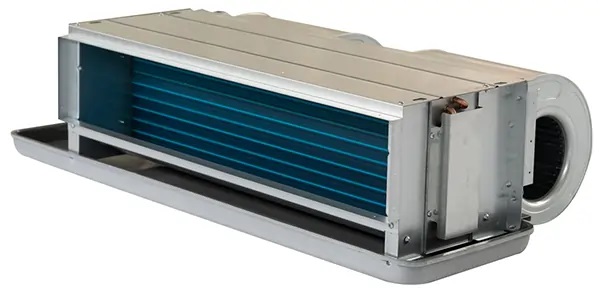
Ceiling Concealed Fan Coil Unit - High Efficiency HVAC Air Handling System
View Details
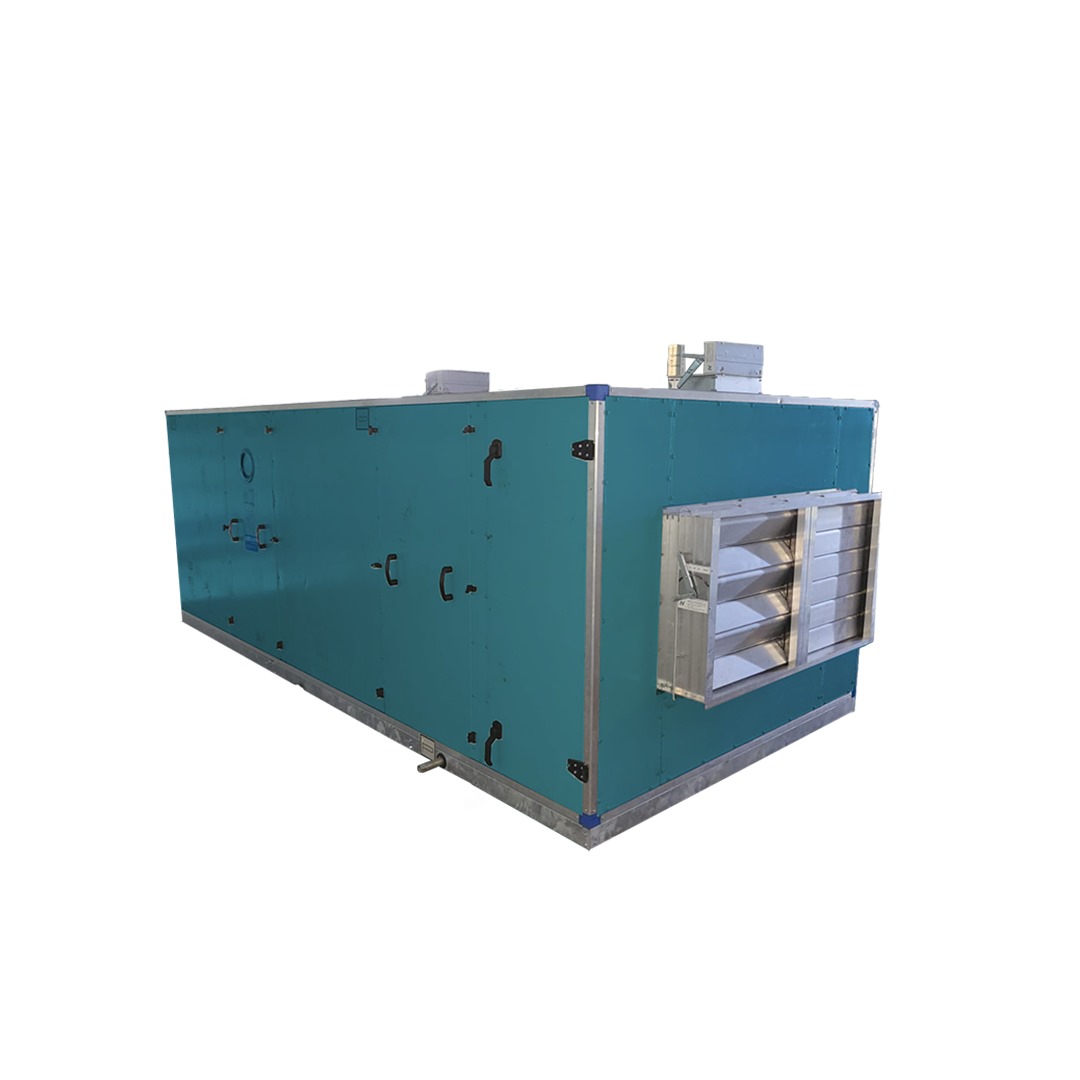
Ceiling Suspended Air Handling Unit – High Efficiency HVAC System for Commercial Use
View Details
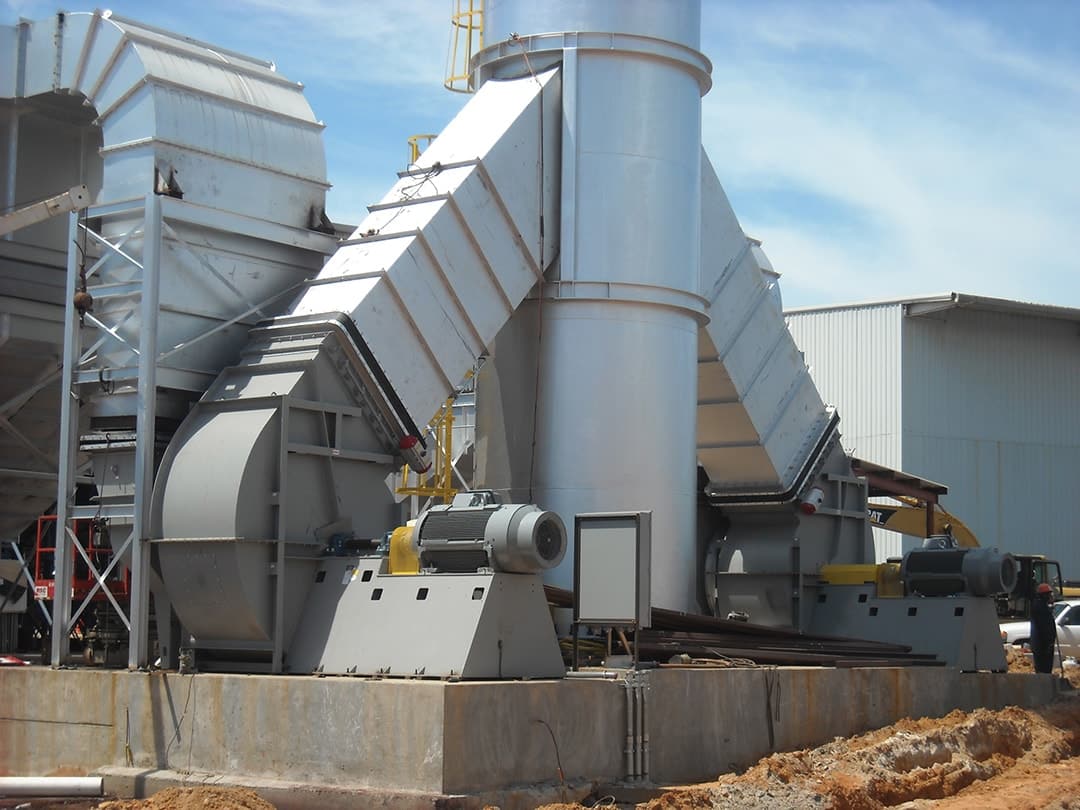
Industrial Fume Extraction System - High-Efficiency Air Filtration Unit
View Details
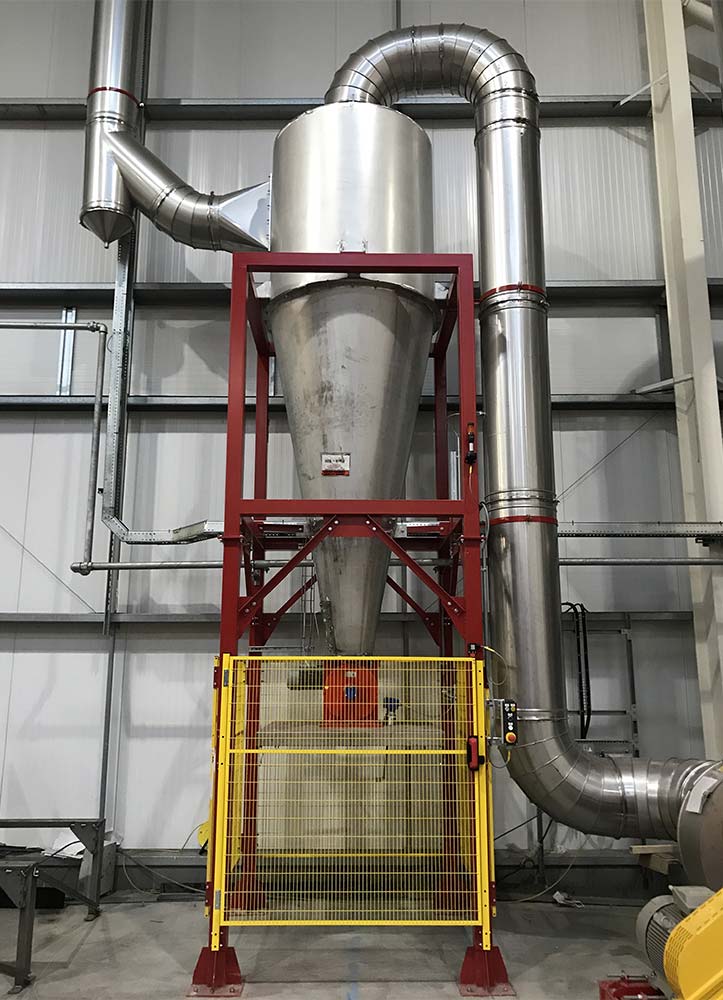
Industrial Cyclone Dust Collector System - High Efficiency Steel Separator
View Details

Industrial Stainless Steel Cyclone Separator System - High-Efficiency Dust Collection Unit
View DetailsAn industrial roof extractor for warehouses is essential for maintaining proper airflow and temperature control. Large storage and manufacturing spaces often accumulate heat, fumes, and humidity, making reliable roof-mounted ventilation equipment critical for worker comfort and operational safety. Choosing the right extractor helps sustain air quality and meet compliance standards.
Warehouse ventilation systems depend on extractors that can handle continuous operation and high air volumes. Aeppl manufactures roof extractors designed specifically for industrial environments, offering sturdy construction and consistent airflow performance that supports long-term reliability.
Industrial ventilation efficiency is achieved when air movement and power consumption are balanced. A properly engineered roof extractor keeps indoor air fresh while minimizing energy use. Aeppl units use aerodynamically shaped impellers and corrosion-resistant materials suitable for demanding warehouse conditions.
| Feature | Specification | Benefit |
|---|---|---|
| Airflow Capacity | Up to 50,000 CFM | Handles large spaces effectively |
| Material | Galvanized steel or FRP | Resists corrosion and weathering |
| Drive Type | Direct or belt-driven | Adaptable for different applications |
| Noise Level | Below 70 dB | Comfortable working conditions |
| Mounting | Roof-mounted with weatherproof hood | Protection against rain and dust |
Roof extractors often work alongside air handling units, duct networks, and fume control systems. Coordinated ventilation ensures balanced airflow throughout production and storage zones. Aeppl provides integration assistance for projects that require synchronized exhaust and air replacement management.
When comparing a roof extractor with wall-mounted exhaust fans, the difference lies in airflow direction and coverage. Roof extractors push warm air upward and out, helping maintain even temperatures. Wall-mounted units provide localized exhaust but may not handle large-scale heat removal as efficiently.
| Aspect | Roof Extractor | Wall Exhaust |
|---|---|---|
| Airflow Pattern | Upward and uniform | Side discharge |
| Heat Removal | High efficiency | Moderate |
| Maintenance | Periodic roof-level service | Easy ground access |
| Cost | Moderate installation | Lower initial cost |
These systems are widely used in automotive warehouses, logistics hubs, food processing plants, and heavy manufacturing facilities. They help maintain consistent airflow and support sustainable operations. As industries focus on energy efficiency, upgrading to a high-performance roof extractor becomes an important step in long-term ventilation planning.
Each warehouse has unique ventilation needs. Aeppl offers customization across airflow capacity, motor type, and material selection. Systems can include variable speed drives, monitoring interfaces, and weather protection suited for both domestic and export installations.
Aeppl roof extractors follow industrial safety and ventilation standards. Each unit undergoes balance and vibration tests to ensure reliable operation. Regular maintenance such as cleaning, bearing checks, and electrical inspection keeps equipment performing efficiently throughout its service life.
Aerotech Equipments and Projects Pvt. Ltd. (Aeppl) is a trusted Indian manufacturer specializing in industrial ventilation and air handling systems. With decades of engineering experience, Aeppl delivers durable solutions for warehouse and factory environments. For technical assistance or pricing, call +91-9599785811, +91 8377077661, +91 9810162210, or email sales@aeppl.com. Visit Aeppl
A roof extractor for warehouses is a ventilation unit installed on the roof that removes hot air, fumes, and humidity to keep the environment comfortable and safe.
It continuously pulls warm or contaminated air upward and expels it outside, improving temperature and air quality across large spaces.
They are typically made from galvanized steel, aluminum, or fiber-reinforced plastic for durability and corrosion resistance.
Yes, models with corrosion-resistant coatings and weatherproof hoods are suitable for humid or coastal areas.
They can be fitted with sensors and variable speed drives to adjust airflow automatically based on temperature or pressure.
Routine maintenance every six months is recommended, including cleaning, lubrication, and electrical checks.
Warehouse volume, heat generation, and process emissions determine the required airflow capacity and design.
Installation requires proper roof assessment and alignment with duct systems, usually handled by professional technicians.
Yes, Aeppl provides tailored roof extractor systems with specific airflow capacities, materials, and control features for industrial use.
You can call +91-9599785811, +91 8377077661, +91 9810162210 or email sales@aeppl.com for technical support and pricing information.