

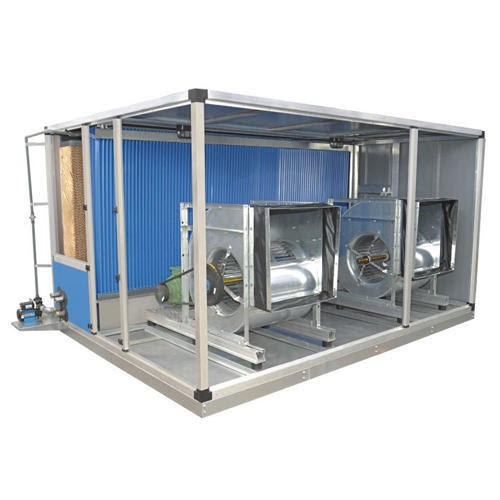
Industrial Evaporative Air Cooling Unit - High Efficiency HVAC System
View Details
Industrial Evaporative Air Cooling Unit - High Efficiency HVAC System
View Details
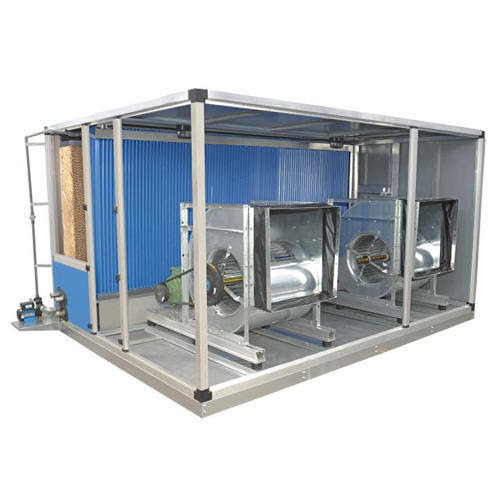
Industrial Evaporative Air Cooling Unit – High Efficiency HVAC System
View Details
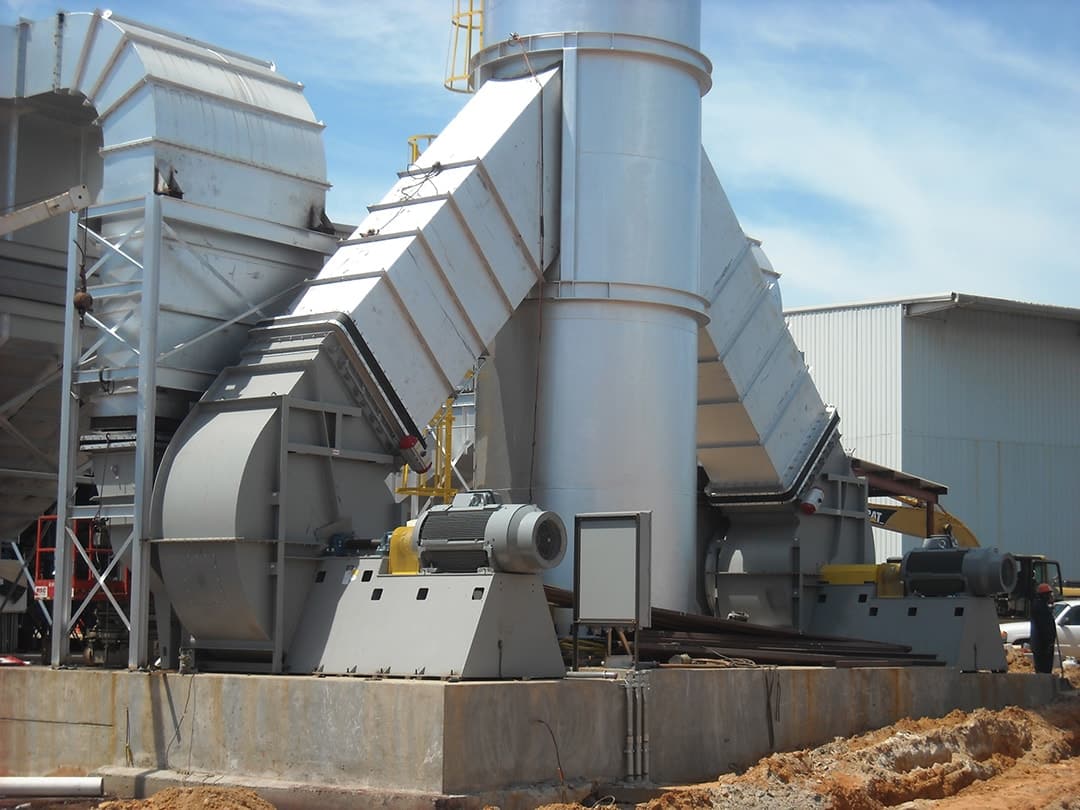
High-Capacity Industrial Centrifugal Ventilator - Heavy-Duty Airflow System
View Details
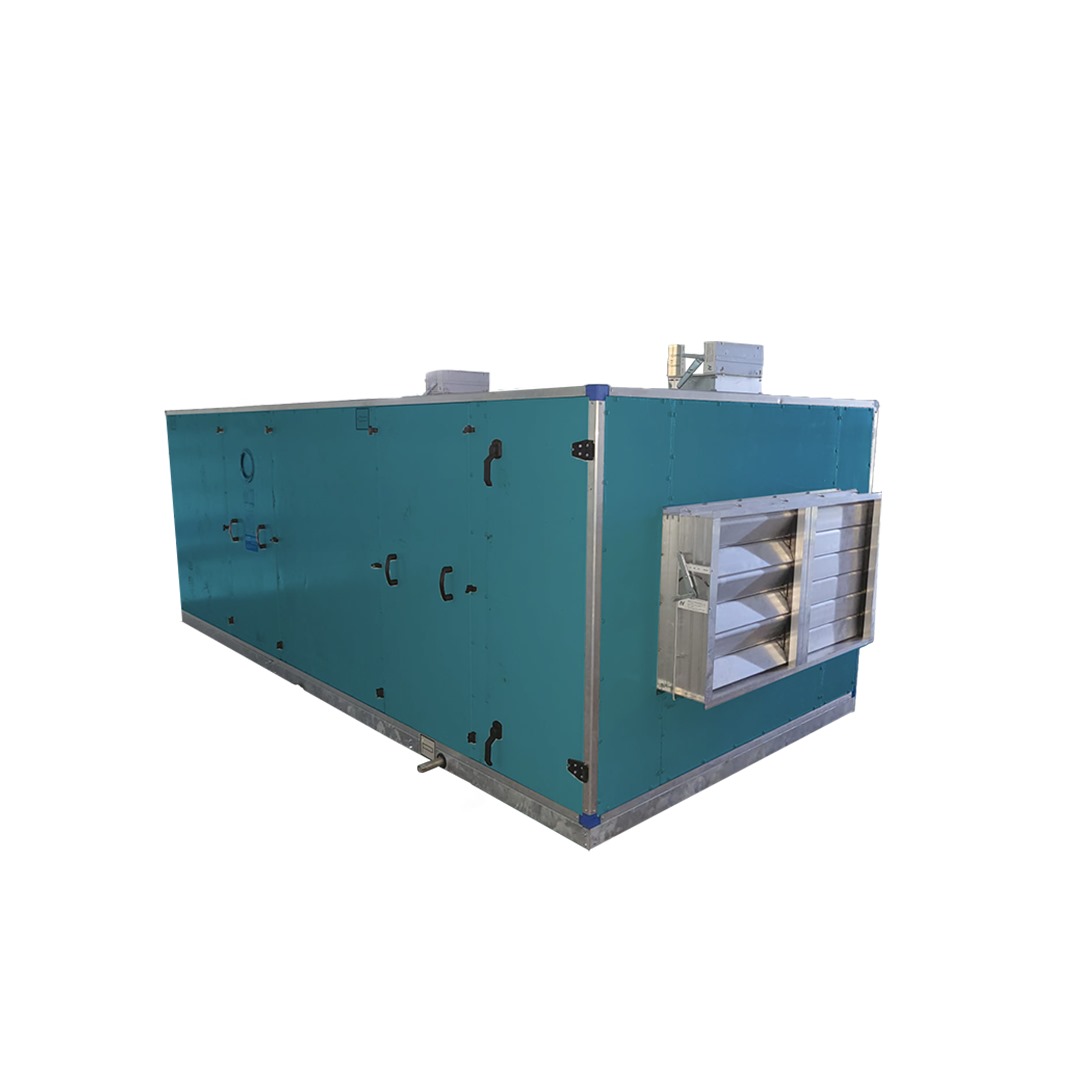
Industrial Modular Air Handling Unit - High Efficiency HVAC System
View Details
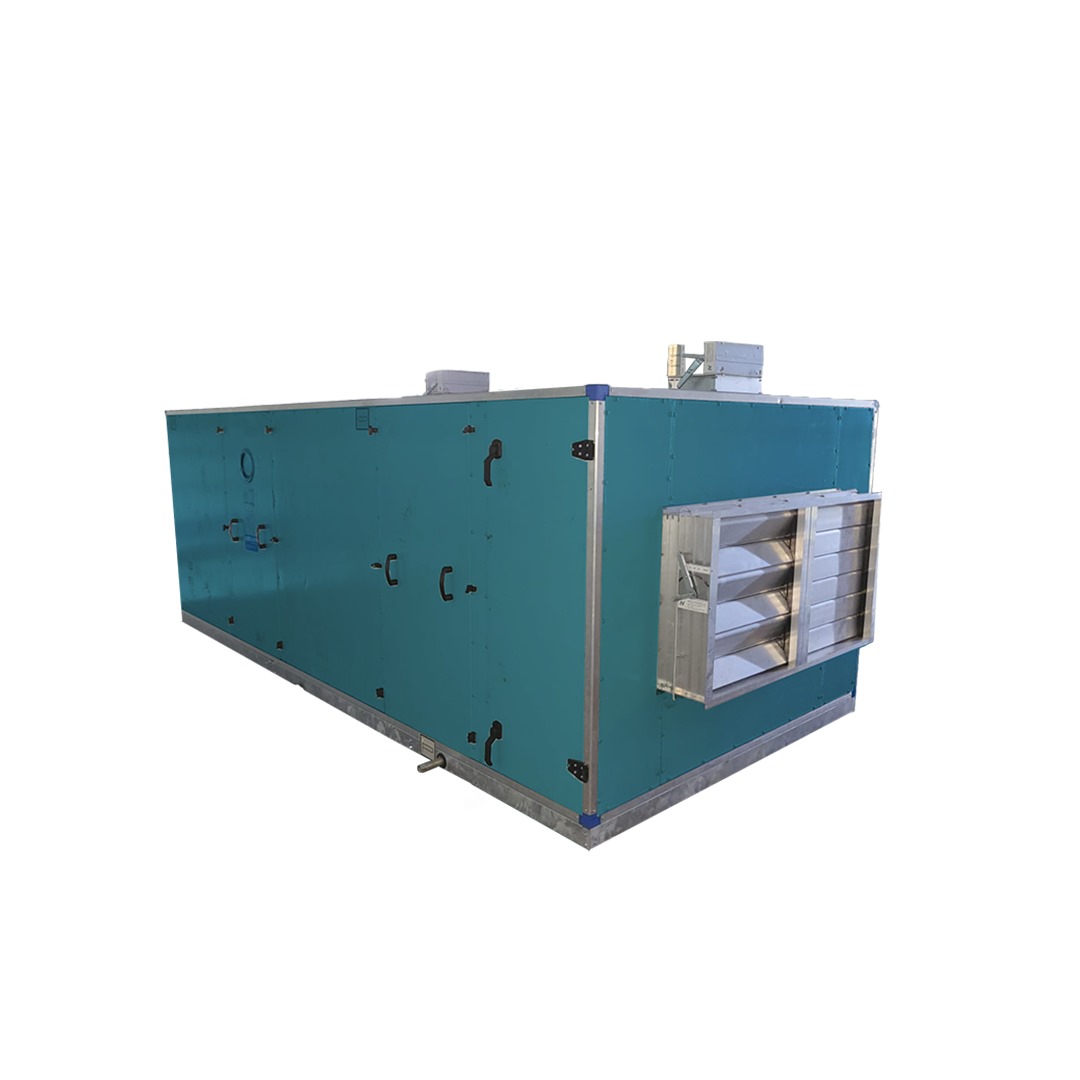
Ceiling Suspended Air Handling Unit – High Efficiency HVAC System for Commercial Use
View Details
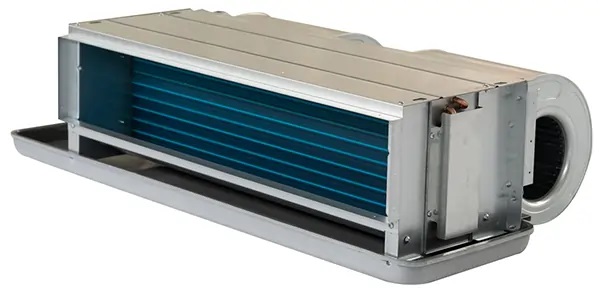
Ceiling Concealed Fan Coil Unit - High Efficiency HVAC Air Handling System
View Details
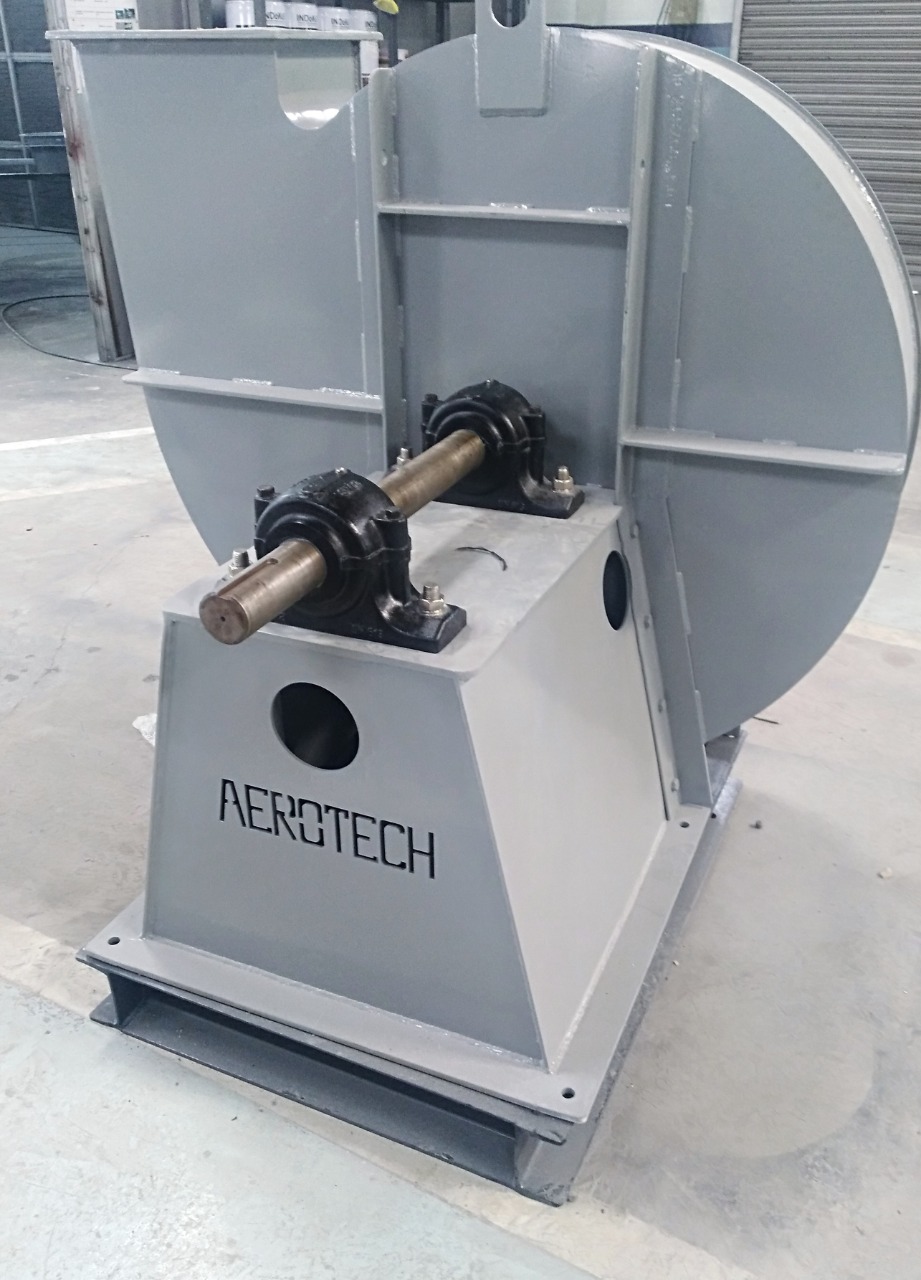
Industrial Centrifugal Air Ventilation System – Heavy Duty Steel Housing
View Details
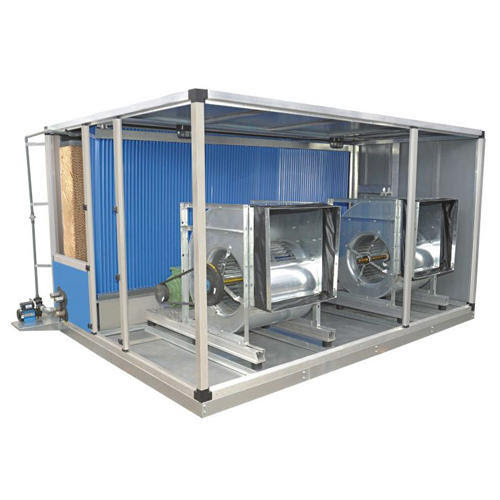
Industrial Fresh Air Handling Unit – High Efficiency Ventilation System
View DetailsLaboratories operate under demanding conditions where air quality, temperature, and humidity must remain stable. Selecting efficient hvac solutions for laboratories helps maintain safety, protect samples, and ensure accurate results. Aeppl provides engineered air handling and ventilation systems designed for consistent performance across various scientific and industrial environments.
Laboratory HVAC systems are distinct from standard commercial setups. They must maintain controlled airflow, strict filtration, and precise exhaust management. The design minimizes contamination risks while maintaining temperature uniformity and supporting sensitive instruments.
When planning hvac solutions for laboratories, engineers and facility managers consider technical and operational aspects that influence long-term reliability and safety.
| Parameter | Importance | Design Focus |
|---|---|---|
| Temperature Stability | Essential for chemical and biological testing | Digital sensors for precise control |
| Filtration Efficiency | Prevents contamination and maintains purity | HEPA or ULPA filters integrated into air handling units |
| Air Exchange Rate | Maintains safe working conditions | Variable frequency drives for airflow control |
| Energy Efficiency | Reduces operational costs | Optimized ductwork and motor selection |
| Compliance | Ensures adherence to regulatory standards | Validated performance documentation |
Aeppl systems can be configured for diverse laboratory settings, including:
Energy efficiency plays a major role in modern laboratory design. Aeppl integrates high-efficiency motors, modular air handling systems, and optimized airflow paths that reduce energy use while maintaining strict air quality standards. This approach supports sustainability goals and aligns with industry trends toward low-carbon operations.
Automation improves consistency and reduces manual intervention. Aeppl HVAC systems can connect with building management systems for real-time monitoring and predictive maintenance. Facility teams can adjust temperature, humidity, and pressure balance from centralized dashboards, ensuring uninterrupted performance.
| System Type | Recommended Use | Product Example |
|---|---|---|
| Evaporative Cooling Units | Energy-efficient cooling for large laboratory spaces | Industrial Evaporative Air Cooling Unit |
| Ceiling Concealed Fan Coil Units | Compact design suitable for cleanrooms | Ceiling Concealed Fan Coil Unit |
| Modular Air Handling Units | Flexible capacity for multi-zone laboratories | Industrial Modular Air Handling Unit |
Every laboratory setup has unique airflow and filtration demands. Aeppl provides design consultation, customization, and technical support from concept through commissioning. Clients can reach the engineering team directly at +91-9599785811, +91 8377077661, or +91 9810162210, or email sales@aeppl.com for detailed guidance.
Aeppl HVAC systems are built for continuous operation. Heavy-duty materials and tested components ensure consistent performance with minimal maintenance. This reliability helps laboratories maintain productivity and reduce downtime over years of use.
Aerotech Equipments and Projects Pvt. Ltd. (Aeppl) is an Indian manufacturer specializing in industrial air handling and ventilation systems. With decades of engineering experience, Aeppl delivers efficient hvac solutions for laboratories and other controlled environments worldwide. Visit Aeppl
Laboratories need precise temperature, humidity, and air cleanliness control. HVAC systems should support filtered airflows, pressure balance, and stable conditions for safety and compliance.
Energy-efficient systems lower operating costs and reduce environmental impact while maintaining performance. Variable speed drives and optimized airflow help achieve sustainability goals.
Filtration prevents contamination and ensures clean air. HEPA or ULPA filters are used to capture fine particles and maintain purity in controlled environments.
Yes, they can integrate with BMS platforms for real-time monitoring, automated control, and predictive maintenance.
Pharmaceutical, chemical, biotech, and food testing labs all require tailored HVAC configurations to meet strict environmental standards.
Modular units allow scalable configurations for multi-zone labs, enabling airflow and capacity adjustments without major structural changes.
Proper humidity control protects instruments and samples from degradation and ensures accurate testing conditions.
Compliance comes through validated design, documentation, and adherence to ISO and safety codes for ventilation and air handling.
Yes, Aeppl designs and manufactures tailored HVAC systems to meet specific laboratory needs, including airflow control and filtration standards.
You can reach Aeppl at +91-9599785811, +91 8377077661, or +91 9810162210, or email sales@aeppl.com to discuss laboratory HVAC requirements.