

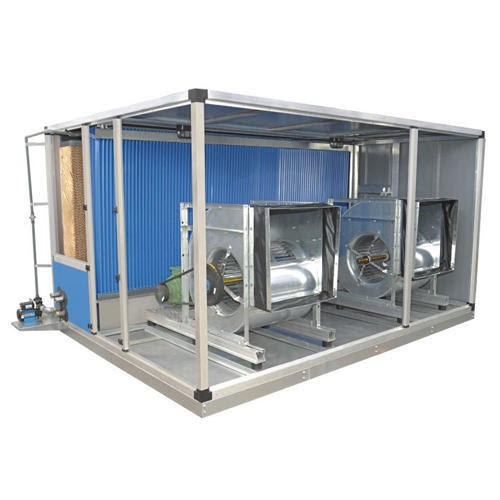
Industrial Evaporative Air Cooling Unit - High Efficiency HVAC System
View Details
Industrial Evaporative Air Cooling Unit - High Efficiency HVAC System
View Details
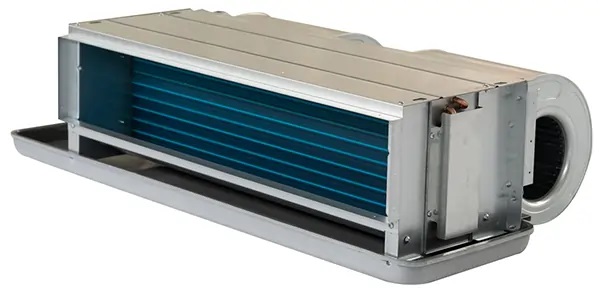
Ceiling Concealed Fan Coil Unit - High Efficiency HVAC Air Handling System
View Details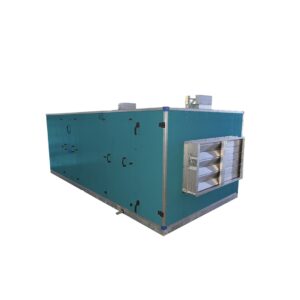
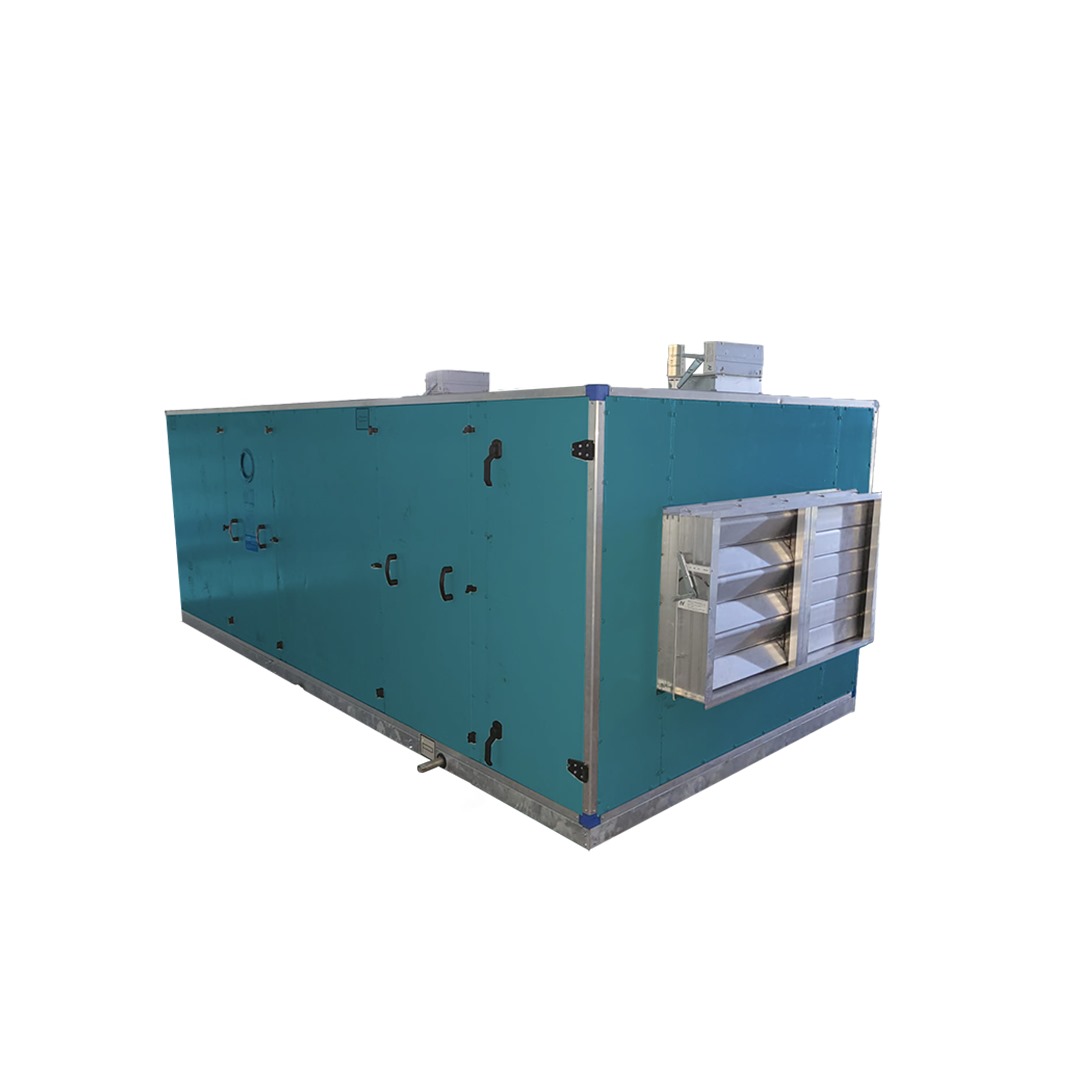
Industrial Modular Air Handling Unit - High Efficiency HVAC System
View Details
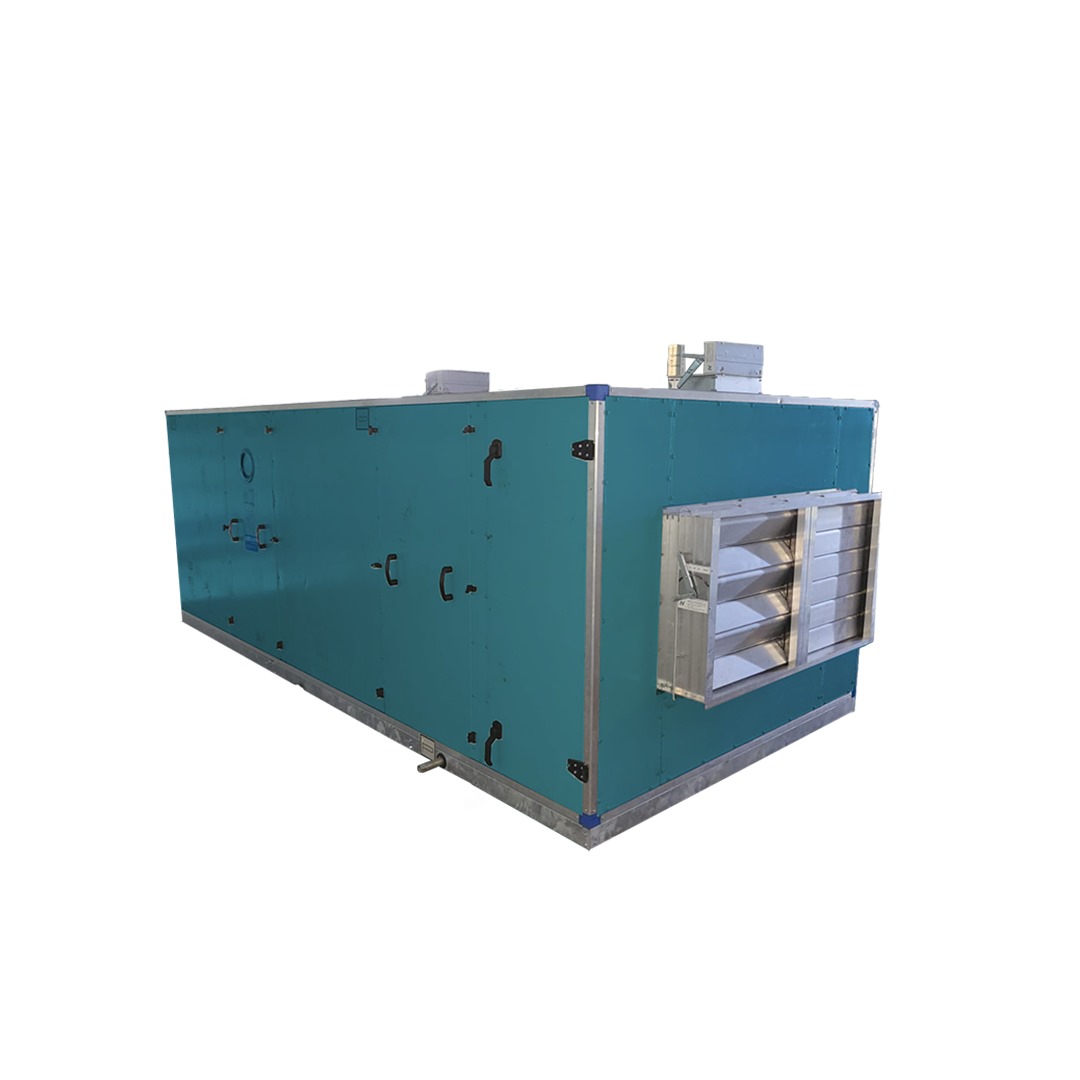
Ceiling Suspended Air Handling Unit – High Efficiency HVAC System for Commercial Use
View Details
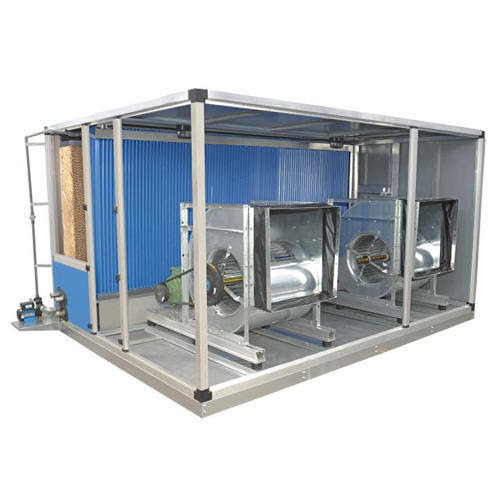
Industrial Evaporative Air Cooling Unit – High Efficiency HVAC System
View Details
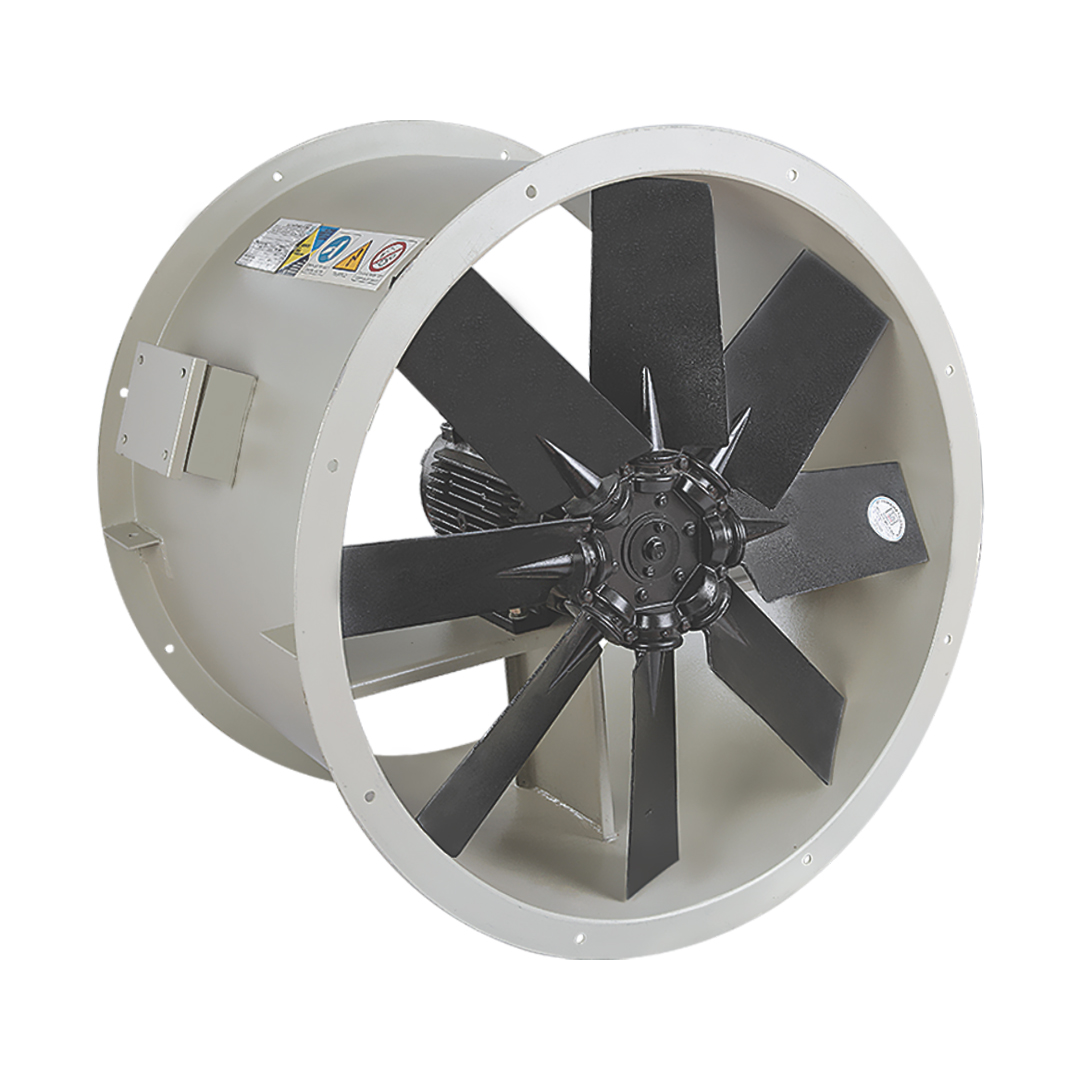
High-Temperature Axial Smoke Exhaust Fan - Industrial Ventilation System
View Details
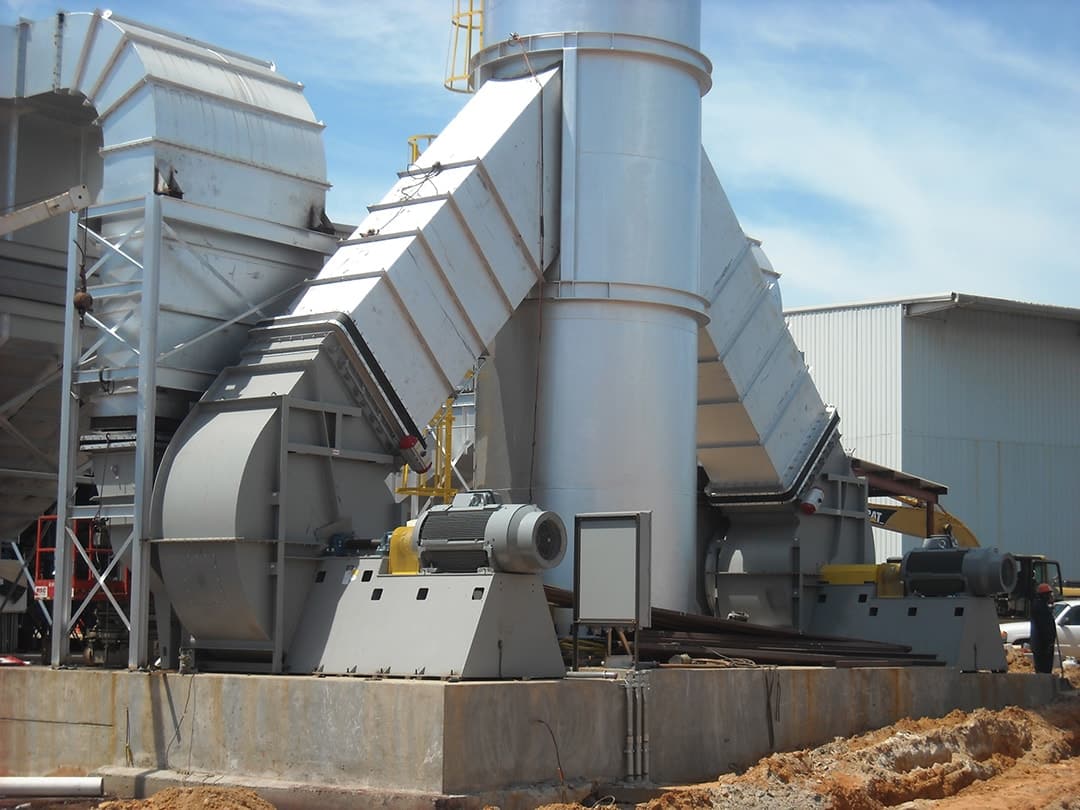
Industrial Smoke Spill Exhaust Unit - High-Temperature Ventilation System
View Details
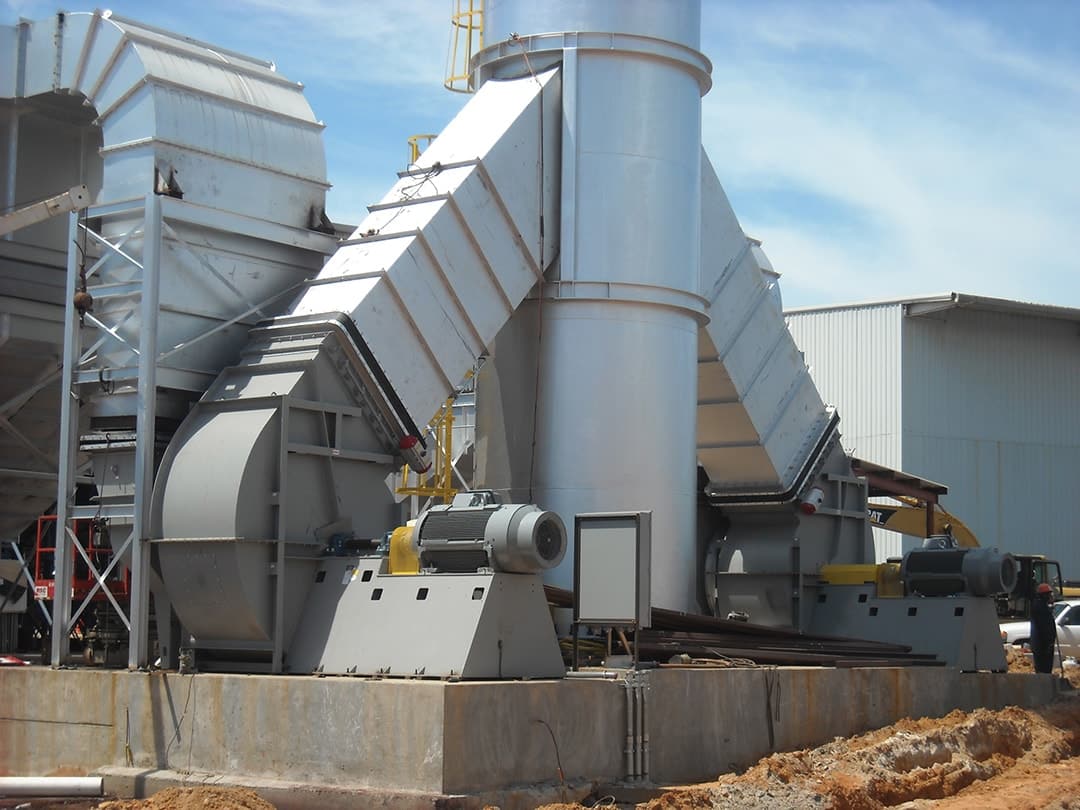
Industrial Fume Extraction System - High-Efficiency Air Filtration Unit
View DetailsManaging heat effectively is essential in any commercial kitchen. Ovens, fryers, and grills produce intense heat that can quickly make a workspace uncomfortable and unsafe. A well-designed ventilation and heat removal system helps maintain air quality, consistent temperatures, and safe conditions for staff and equipment.
Professional-grade systems are built to handle the heavy thermal load common in restaurants, catering facilities, and industrial food production areas. Aeppl engineers focus on efficient airflow, proper exhaust placement, and materials that withstand long hours of operation.
These systems operate by extracting hot, grease-laden air and replacing it with cooler, filtered air. The process involves coordinated exhaust fans, ductwork, and air handling units that maintain balanced air pressure throughout the kitchen. Proper ventilation helps prevent excess humidity and reduces the risk of equipment overheating.
| Component | Function | Best Use |
|---|---|---|
| Smoke Spill Exhaust Unit | Removes heat and smoke efficiently | High-volume cooking areas |
| Evaporative Cooling Unit | Enhances air comfort through water evaporation | Energy-conscious kitchens |
| Axial Smoke Exhaust Fan | Rapid ventilation for hot zones | Industrial kitchen setups |
Installing a heat removal system for commercial kitchens provides several benefits that improve daily operations:
Durable materials and reliable motors keep maintenance needs low. Modern systems can integrate with building automation controls to track airflow, temperature, and humidity, supporting sustainability goals and long-term efficiency.
Every kitchen has specific ventilation challenges based on size, cooking equipment, and structural layout. Aeppl engineers assess these factors to customize ducting, fan capacity, and exhaust placement. Modular designs allow easy expansion or upgrades without disrupting existing operations.
| Specification | Typical Range |
|---|---|
| Airflow Capacity | 1,000 to 60,000 CFM |
| Operating Temperature | Up to 250°C |
| Material | Galvanized or stainless steel |
| Control Integration | Automation compatible |
While most installations serve commercial kitchens, the same ventilation principles apply to food processing plants, hotel canteens, and institutional cooking facilities. Aeppl systems maintain consistent airflow and temperature in environments that face continuous heat and smoke challenges.
When selecting a heat removal system, consider factors such as kitchen size, cooking volume, and local ventilation codes. Aeppl provides engineering consultation and on-site evaluation to ensure the setup meets both performance and regulatory requirements.
Aerotech Equipments and Projects Pvt. Ltd. (Aeppl) specializes in industrial ventilation and air handling solutions for demanding environments. With decades of experience, Aeppl delivers systems that balance durability, efficiency, and safety for commercial and industrial applications. Visit Aeppl
It is a ventilation solution that removes hot air and replaces it with cooler air to maintain safe, comfortable conditions in commercial kitchens.
It helps prevent overheating, protects equipment, and ensures a comfortable environment for kitchen staff.
The system includes exhaust fans, air handling units, evaporative coolers, and fume extraction systems.
Yes, efficient airflow and motor design reduce energy consumption while maintaining performance.
It is designed for high-temperature zones and grease-laden air typical in commercial kitchens, unlike general HVAC systems.
Yes, the same ventilation principles apply to food production plants and large-scale cooking facilities.
Routine inspections every 6 to 12 months help maintain airflow and prevent grease buildup.
Kitchen size, cooking volume, and ventilation layout are key factors in determining capacity.
Yes, Aeppl designs systems tailored to each kitchen's layout and operational needs.
Reach Aeppl at +91-9599785811, +91-8377077661, +91-9810162210, or email sales@aeppl.com for design and specification support.