
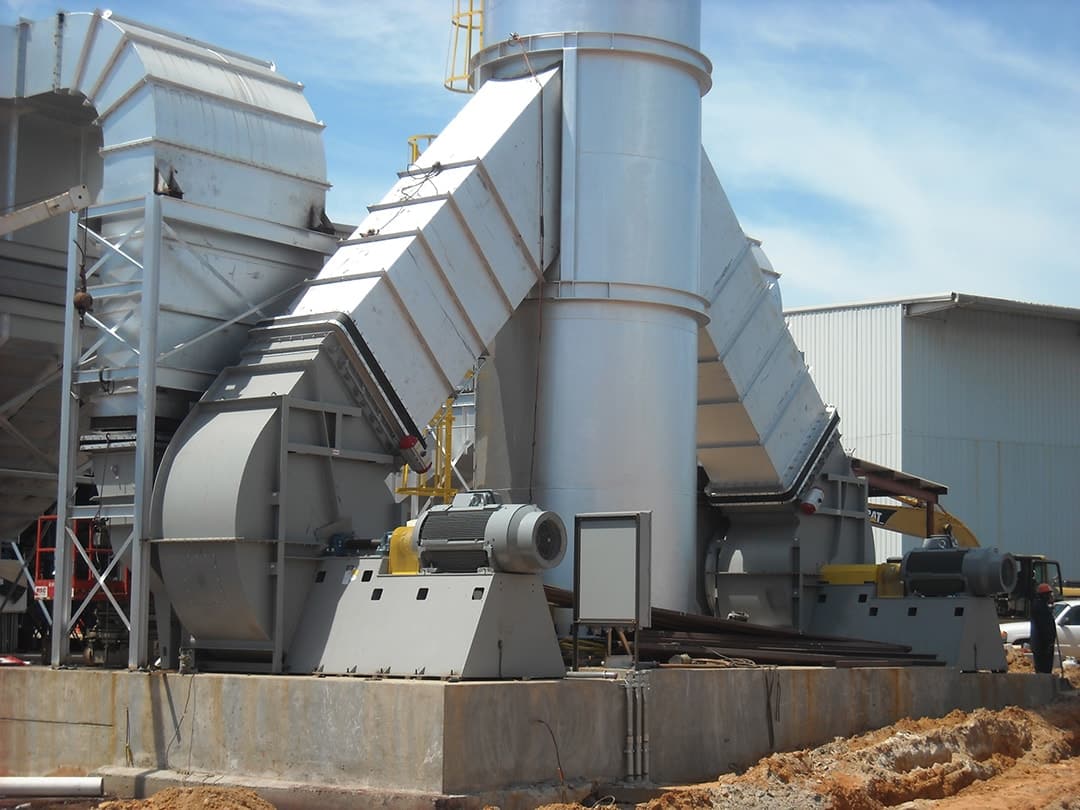
Industrial Smoke Spill Exhaust Unit - High-Temperature Ventilation System
View Details
Industrial Smoke Spill Exhaust Unit - High-Temperature Ventilation System
View Details
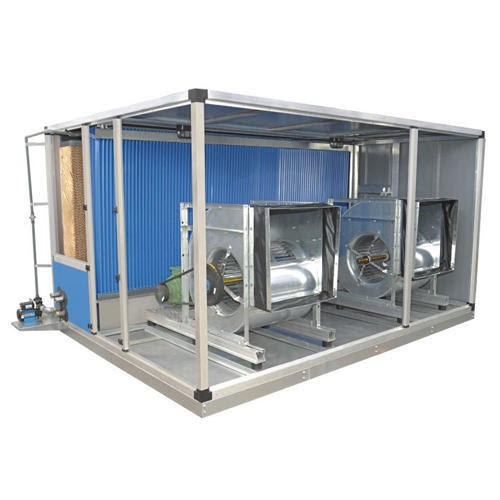
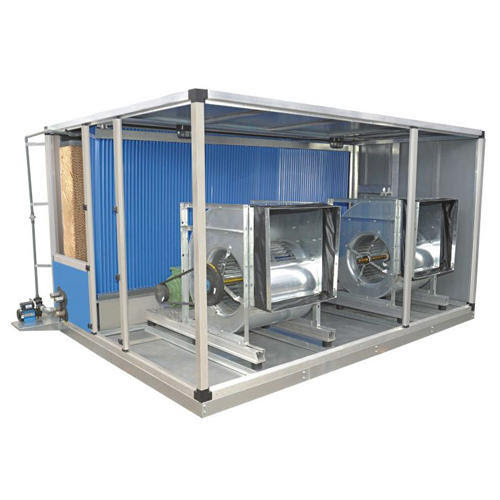
Industrial Evaporative Air Cooling Unit - High Efficiency HVAC System
View Details
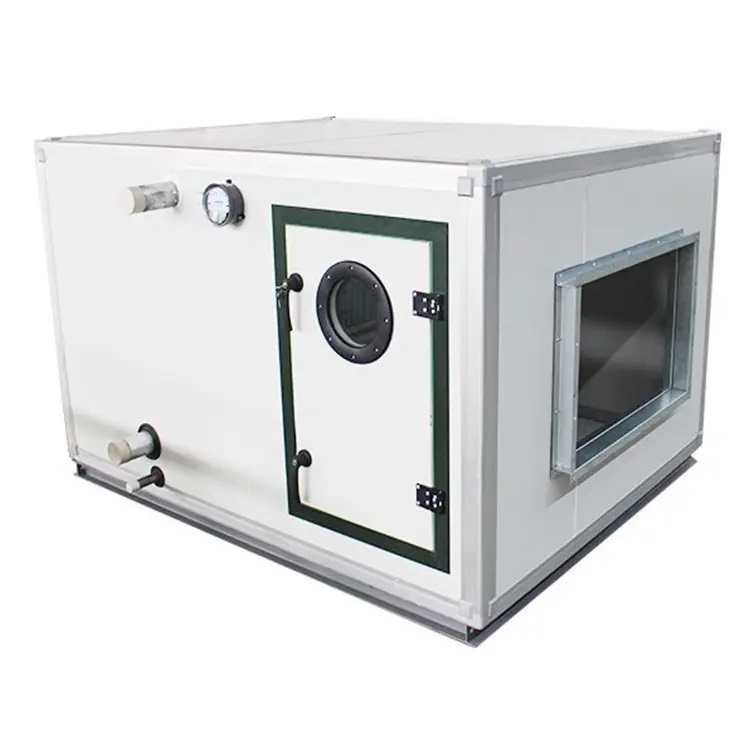
Industrial Treated Fresh Air Unit – Energy-Efficient Air Handling System
View Details
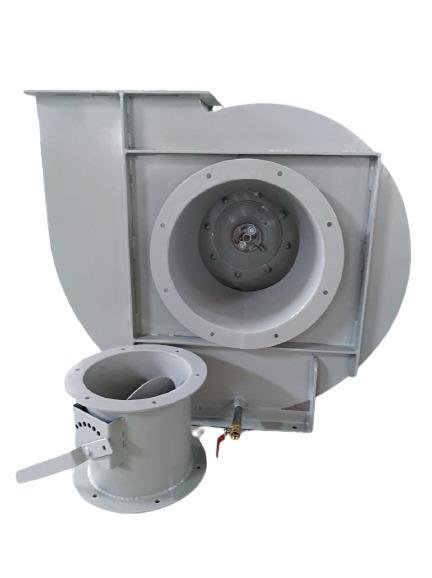
Industrial Kitchen Exhaust Centrifugal Blower Fan – High Efficiency Ventilation System
View Details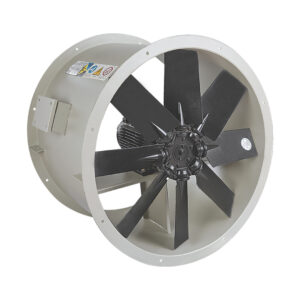
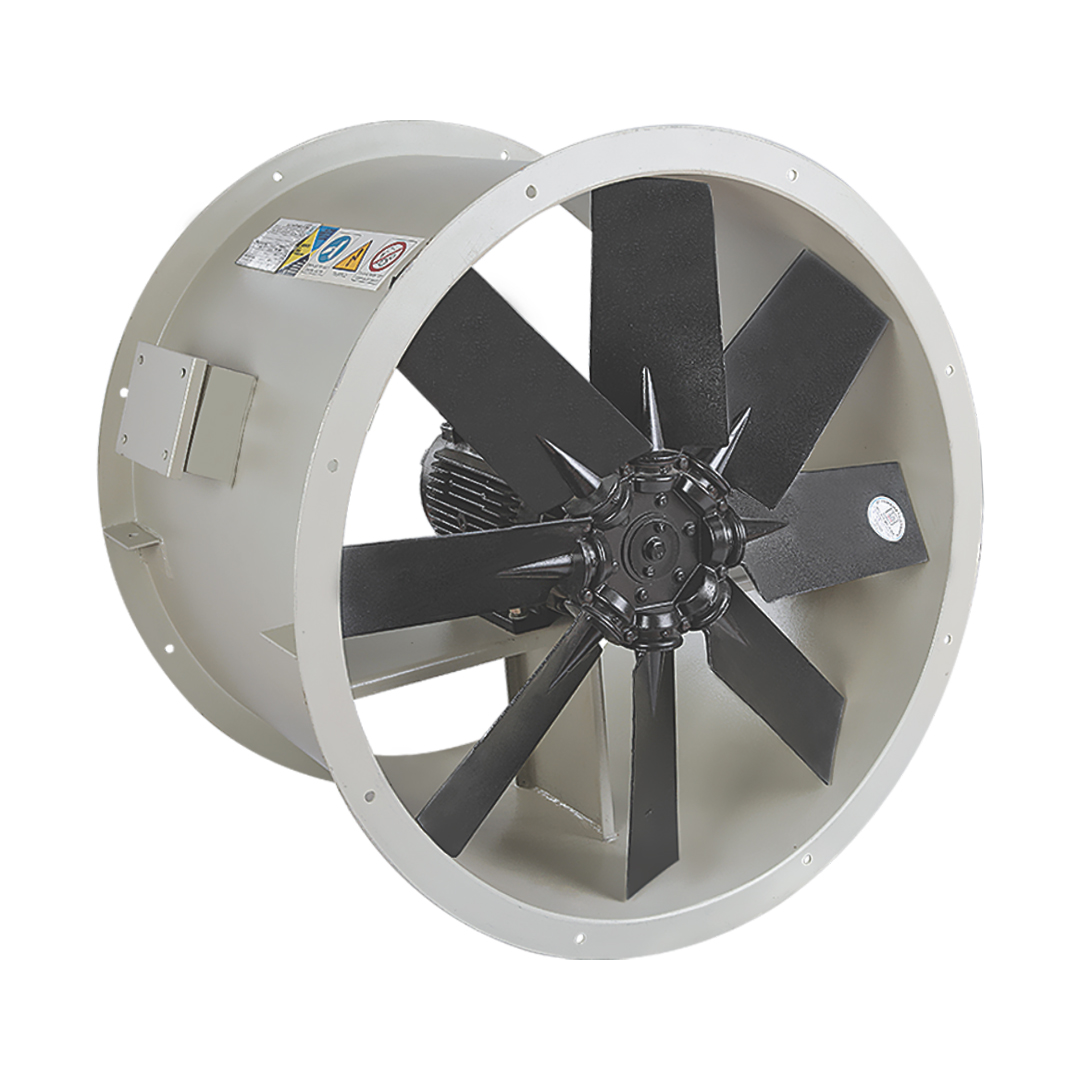
High-Temperature Axial Smoke Exhaust Fan - Industrial Ventilation System
View Details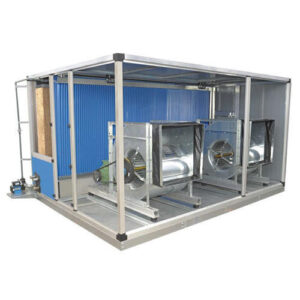
Industrial Fresh Air Handling Unit – High Efficiency Ventilation System
View Details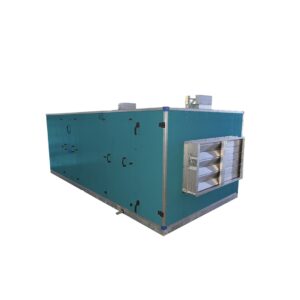
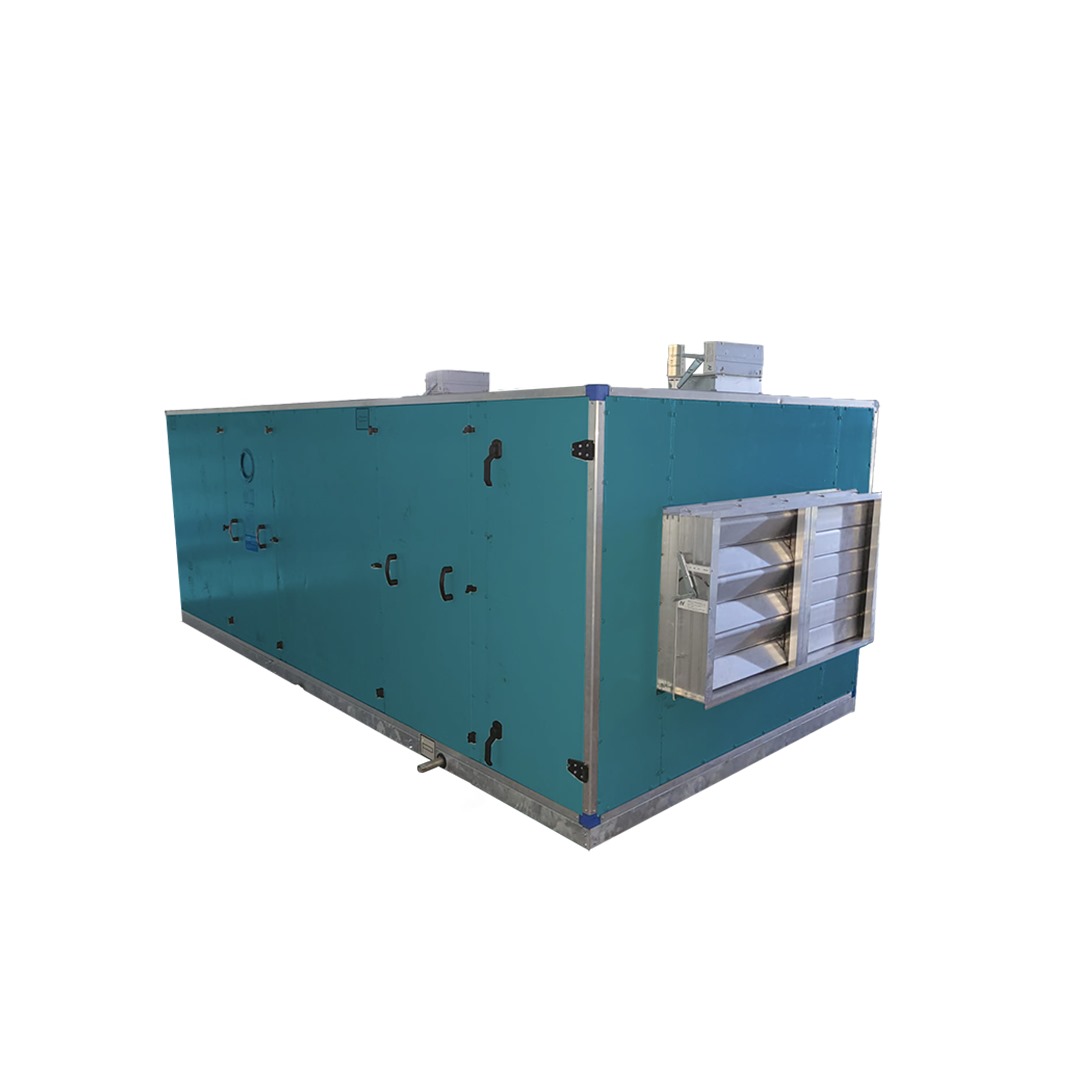
Industrial Modular Air Handling Unit - High Efficiency HVAC System
View Details
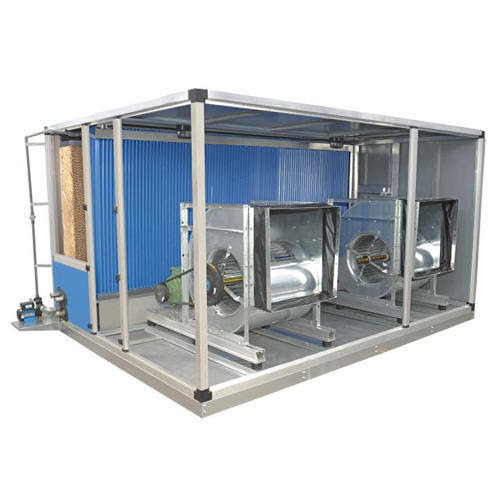
Industrial Evaporative Air Cooling Unit – High Efficiency HVAC System
View DetailsCustom exhaust systems for kitchens play a vital role in maintaining clean air, controlling temperature, and ensuring safe working conditions. In commercial and industrial kitchens, these systems handle grease, smoke, and odors effectively, protecting both staff and equipment. Aeppl engineers each system to fit the specific requirements of your facility, whether it's a high-volume restaurant kitchen or a large-scale food processing unit.
A well-designed exhaust system combines airflow management, filtration, and noise control. Engineers calculate air exchange rates based on cooking intensity and space volume, ensuring balanced ventilation throughout the kitchen. Materials such as stainless steel or coated galvanized steel are chosen for durability, hygiene, and corrosion resistance.
Industrial kitchens and catering facilities require robust exhaust systems capable of continuous operation. Custom configurations allow integration with automation and fire safety systems, maintaining consistent performance even under heavy workloads. Aeppl systems are engineered for reliability, helping reduce maintenance downtime and improving overall productivity.
| Feature | Standard Exhaust System | Custom Exhaust System |
|---|---|---|
| Airflow Capacity | Fixed range | Tailored to cooking load |
| Energy Efficiency | Moderate | Optimized fan and motor setup |
| Material | Galvanized steel | Stainless or hybrid construction |
| Noise Level | Higher | Reduced through acoustic isolation |
| Maintenance | Standard intervals | Extended intervals with easy access points |
Custom exhaust systems for kitchens often connect with air handling units to maintain balanced airflow. Aeppl offers complementary equipment such as the Industrial Fresh Air Handling Unit and the Industrial Kitchen Exhaust Centrifugal Blower Fan. Together, these products form a complete ventilation solution from air intake to discharge.
Energy management is central to modern ventilation design. Variable speed drives and smart sensors help regulate airflow according to demand, reducing energy use without compromising air quality. Aeppl integrates these technologies into its systems, supporting sustainable building standards and long-term operational efficiency.
| Parameter | Conventional Setup | Aeppl Custom Solution |
|---|---|---|
| Power Consumption | High | Lower through intelligent control |
| Air Filtration | Basic mesh filters | Multi-stage grease and smoke filtration |
| Automation Compatibility | Limited | Full integration with smart systems |
| Service Life | 5-7 years | 10+ years with preventive maintenance |
Kitchen ventilation must meet strict safety standards covering fire control, air discharge, and hygiene. Aeppl systems comply with both Indian and international codes, ensuring safe and efficient operation. Each installation undergoes airflow testing, temperature resistance checks, and filtration validation before commissioning.
Every kitchen layout has unique airflow patterns and space limitations. Aeppl provides design consultation, fabrication, and installation support to ensure each custom exhaust system fits perfectly. The engineering team works closely with clients to select fans, ducts, and control panels that align with the kitchen's operational needs.
Aeppl (Aerotech Equipments and Projects Pvt. Ltd.) designs and manufactures industrial air handling and ventilation systems used worldwide. With decades of engineering experience, Aeppl delivers durable, energy-efficient solutions tailored to demanding environments. Visit Aeppl
They are engineered ventilation setups designed to remove smoke, heat, and grease from commercial or industrial kitchens while maintaining air quality and safety.
Customization ensures the system matches specific cooking loads, layout constraints, and regulatory requirements, improving efficiency and lifespan.
They use optimized fans, motors, and control units that adjust airflow based on real-time demand, reducing power consumption and operating costs.
Stainless steel and coated galvanized steel are common due to their durability, corrosion resistance, and compliance with hygiene standards.
Yes, modern exhaust systems can integrate with building management and automation platforms for better control and monitoring.
Service intervals depend on operating hours and grease load, but professional inspection every six months is recommended for optimal performance.
Properly designed systems include acoustic treatments and vibration isolation, significantly lowering operational noise levels.
Fire-rated components, grease filters, and automatic shutoff mechanisms help ensure compliance with fire and ventilation safety codes.
Yes, Aeppl offers design consultation, fabrication, and installation assistance to ensure each system meets technical and operational needs.
You can reach Aeppl at +91-9599785811, +91 8377077661, +91 9810162210 or email sales@aeppl.com for detailed project discussions.