
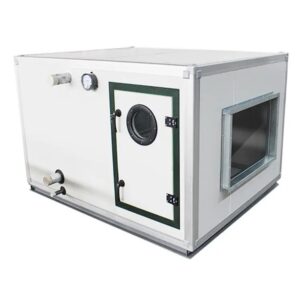
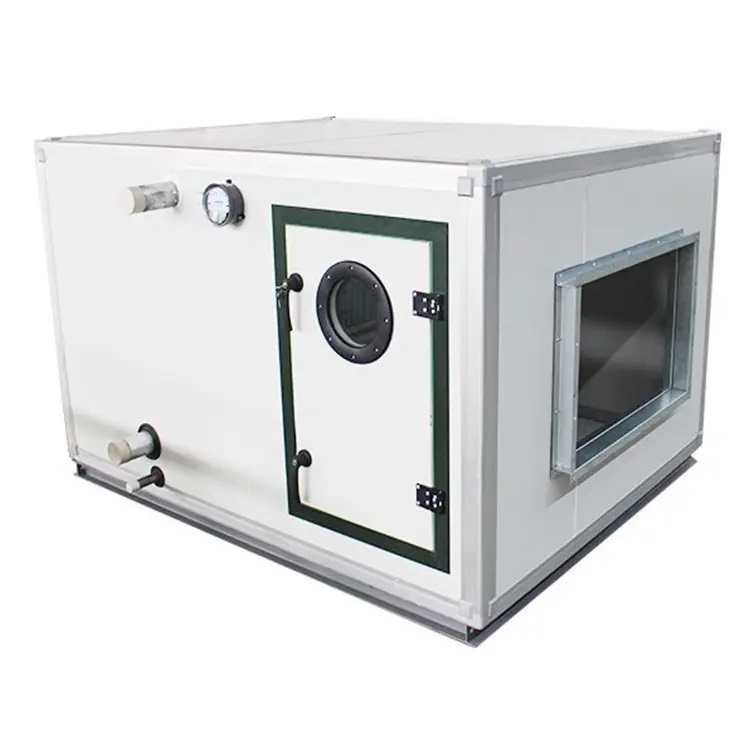
Industrial Treated Fresh Air Unit – Energy-Efficient Air Handling System
View Details
Industrial Treated Fresh Air Unit – Energy-Efficient Air Handling System
View Details
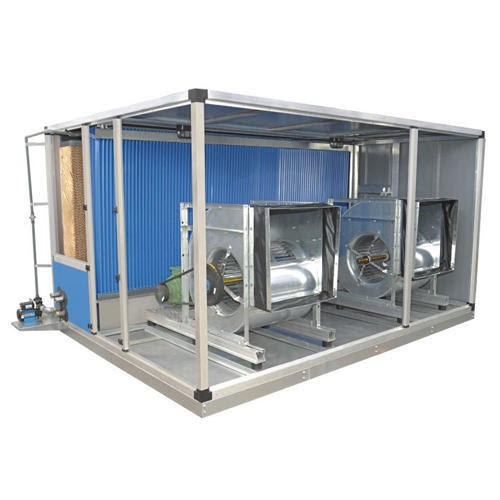
Industrial Evaporative Air Cooling Unit - High Efficiency HVAC System
View Details
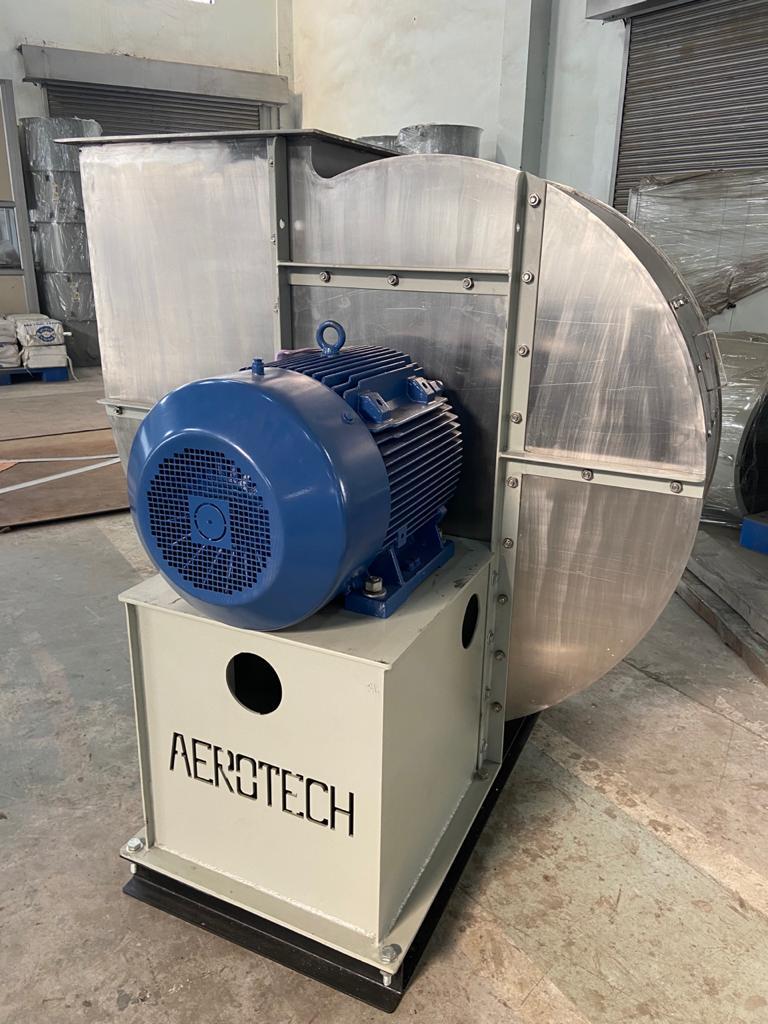
Industrial Low-Pressure Centrifugal Blower - High Efficiency Air Handling Unit
View Details
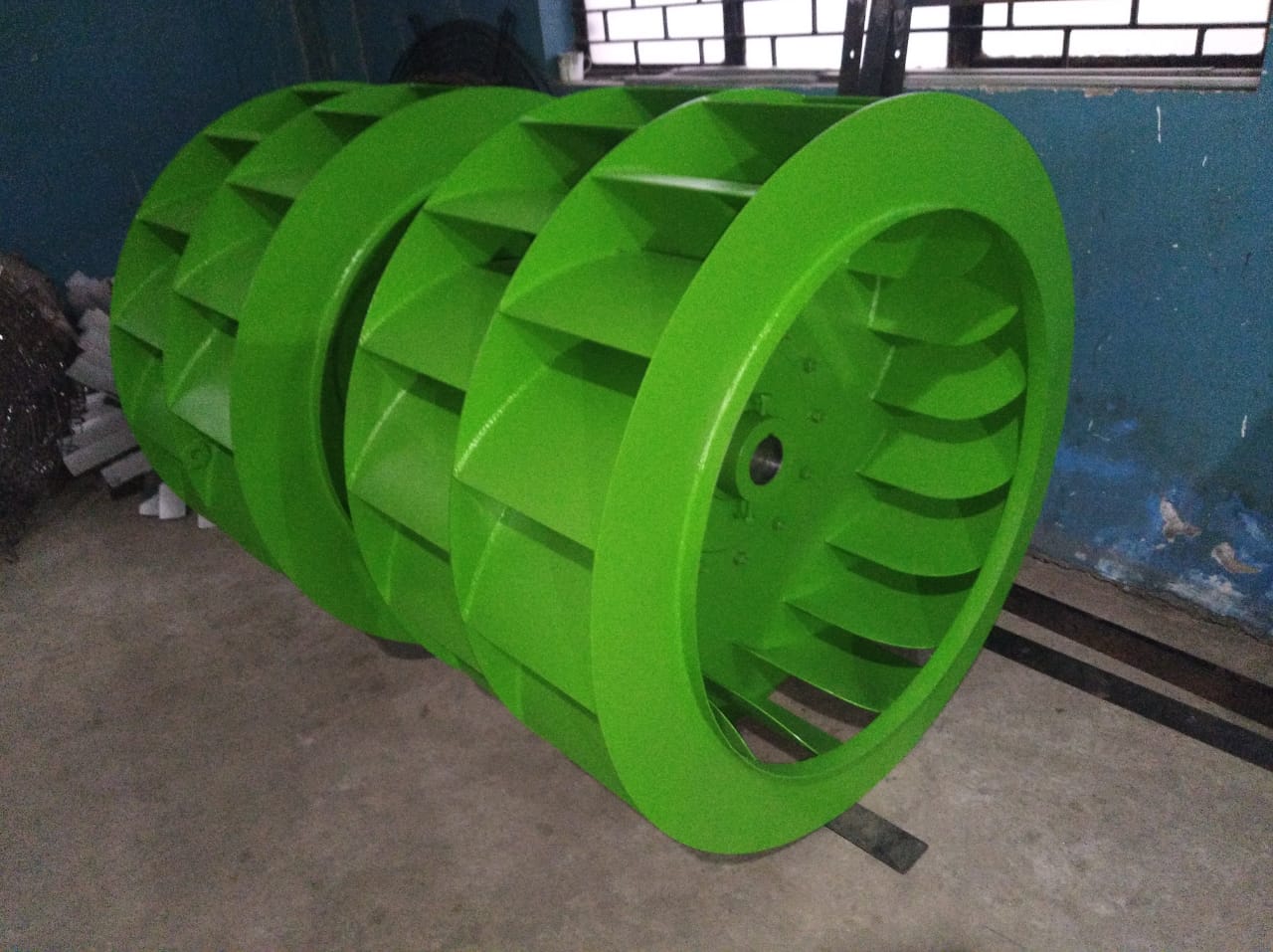
Industrial Green Centrifugal Impeller Fan - High Efficiency Airflow System
View Details
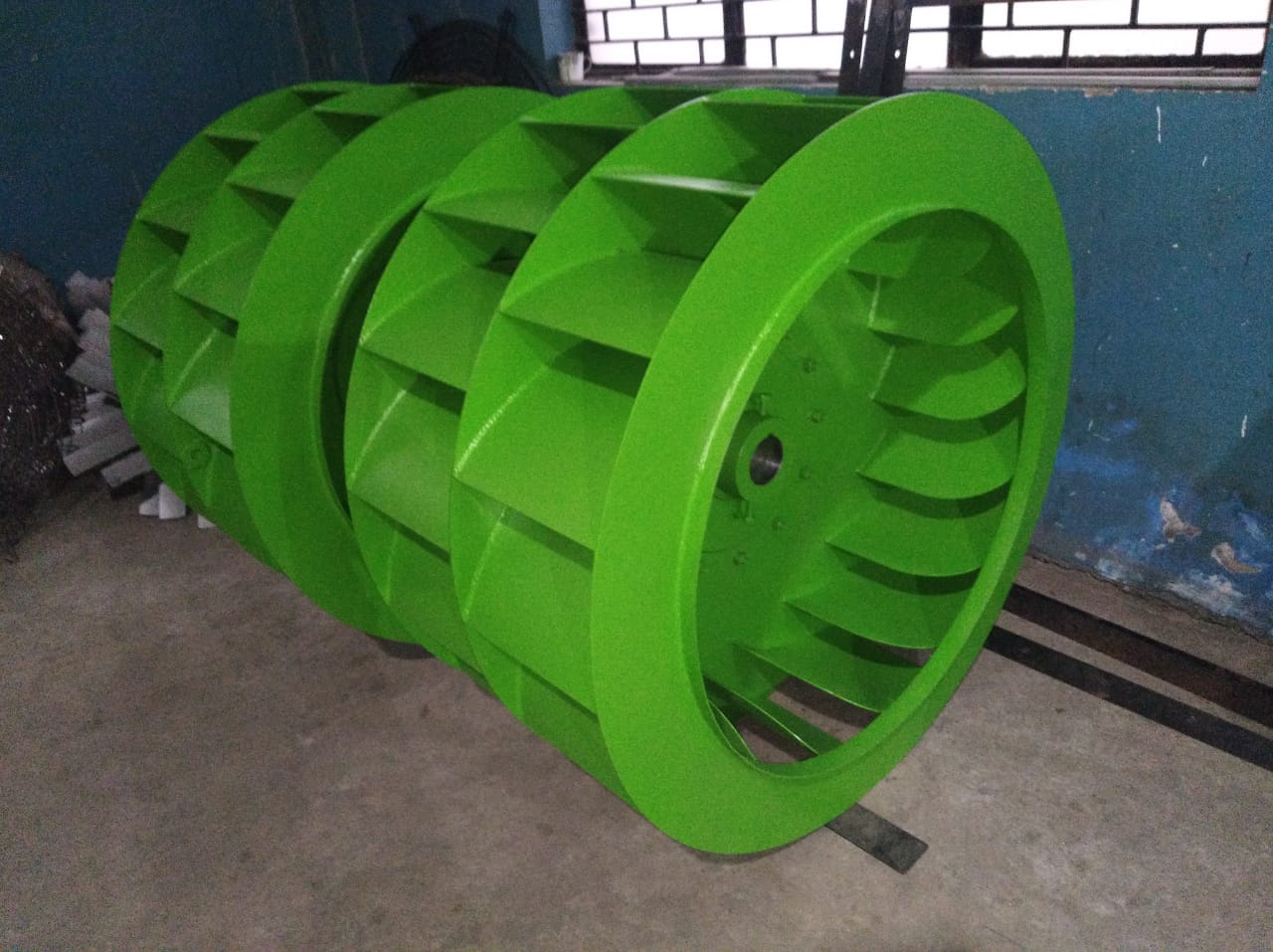
High-Efficiency Air Handling Fan Impeller - Heavy-Duty Industrial Design
View Details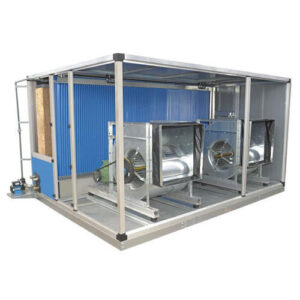
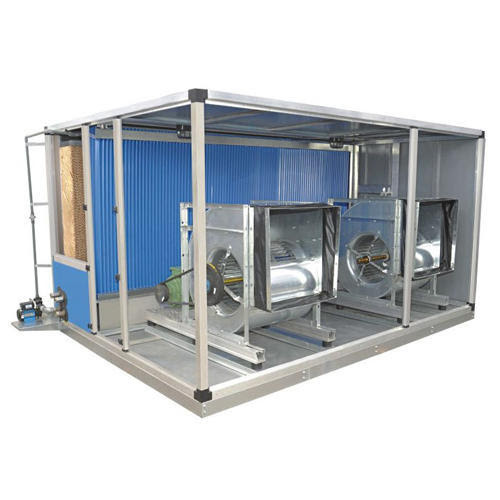
Industrial Air Washer Unit – High Efficiency Cooling & Air Handling System
View Details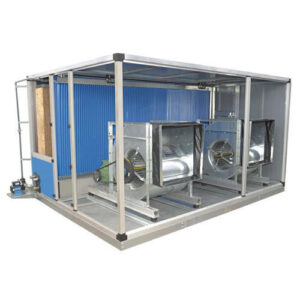
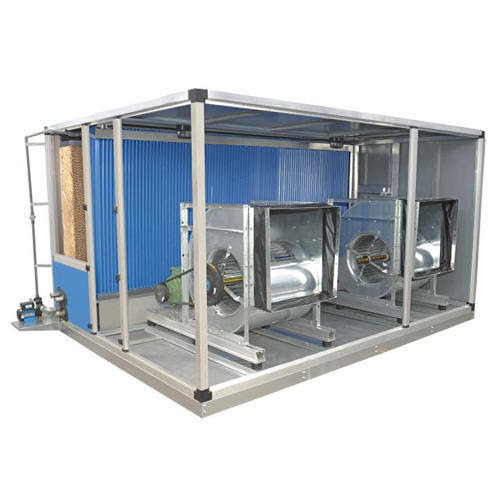
Industrial Evaporative Air Cooling Unit – High Efficiency HVAC System
View Details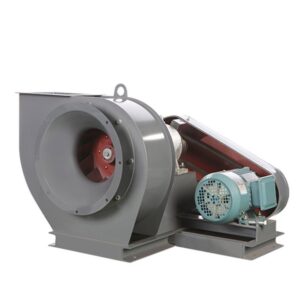
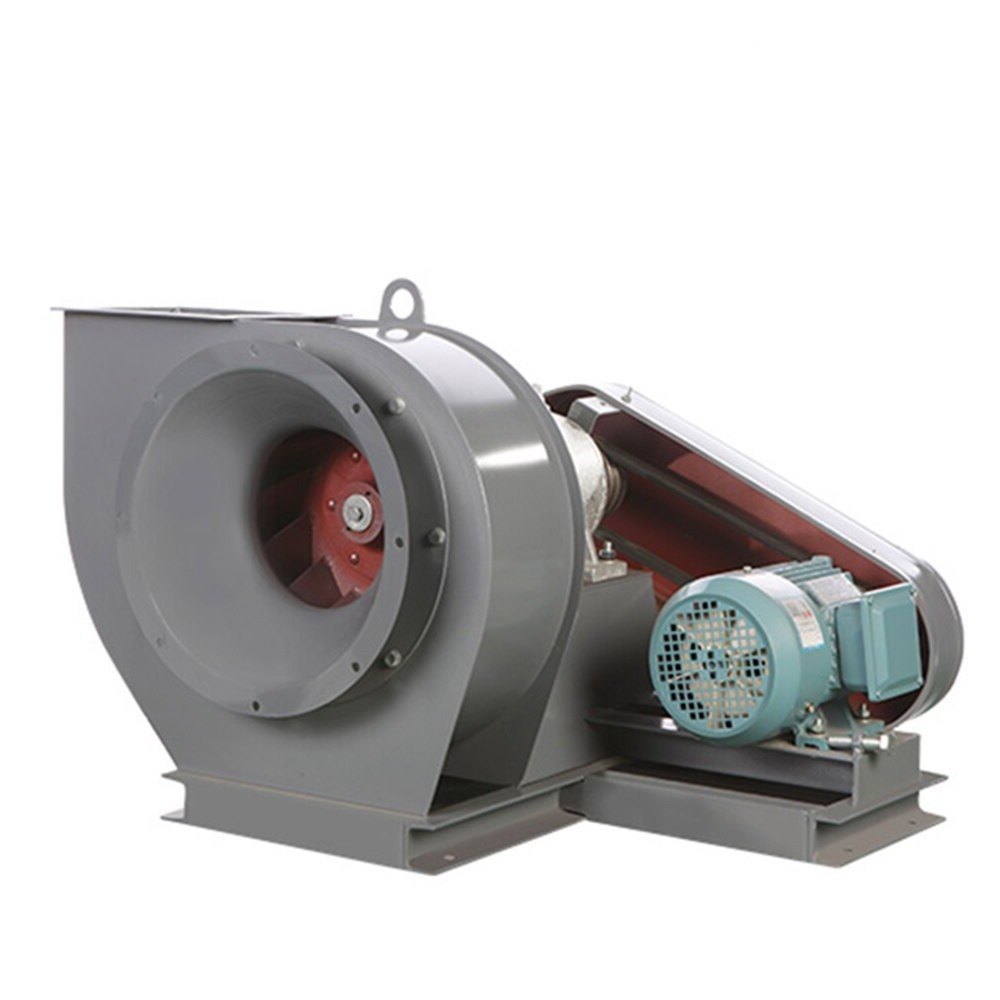
Industrial Induced Draft Centrifugal Fan - High Efficiency Air Handling Unit
View DetailsAn energy efficient air compressor plays a key role in keeping industrial operations productive while managing power consumption. In many facilities, compressed air is one of the largest energy expenses. Choosing equipment designed for efficiency helps reduce waste and supports sustainability goals. Instead of relying on generic designs, Aeppl focuses on engineering air compressors that balance airflow, pressure, and energy use for consistent performance.
Efficiency is not just about saving power - it also means smoother operation, lower heat output, and longer equipment life. When compressors run efficiently, they require fewer maintenance interventions and help stabilize production cycles. Plant engineers appreciate this reliability when planning long-term equipment investments.
Every compressor converts electrical energy into kinetic energy to produce pressurized air. The difference between a standard and an energy efficient air compressor lies in how effectively that conversion happens. Modern designs use variable speed drives and optimized impeller geometry to match air output with real-time demand. This reduces idle load and prevents unnecessary energy draw.
Compressor efficiency depends on design, motor quality, and system integration. Aeppl engineers compressors using aerodynamic impellers and balanced motor configurations to minimize turbulence and mechanical losses. The result is steady airflow with less strain on electrical components.
| Feature | Efficiency Benefit |
|---|---|
| Variable speed drive | Adjusts power use according to air demand |
| High-efficiency motor | Improves power conversion and reduces heat |
| Precision impeller design | Maintains smooth airflow with minimal resistance |
| Automated control logic | Optimizes operation cycles for consistent output |
When comparing traditional compressors with energy efficient models, the difference becomes clear in both operating cost and performance stability. Over time, efficient compressors deliver measurable savings and fewer breakdowns.
| Parameter | Conventional Compressor | Energy Efficient Compressor |
|---|---|---|
| Power Usage | Constant high load | Adaptive power control |
| Maintenance | Frequent servicing | Longer intervals |
| Air Quality | Standard filtration | Optimized airflow and cleaner output |
| Lifecycle Cost | Higher over time | Lower due to reduced power use |
Energy efficient air compressors can be paired with ventilation and air handling systems for complete plant optimization. Aeppl offers compatible solutions such as the Industrial Low-Pressure Centrifugal Blower and the Industrial Treated Fresh Air Unit. These systems help maintain balanced airflow and temperature control while supporting compressor efficiency.
Energy efficient air compressors are used across manufacturing, cement production, steel processing, pharmaceuticals, and textile plants. Their ability to deliver consistent air pressure makes them suitable for pneumatic tools, packaging lines, cooling systems, and air washing processes. Each application benefits from reduced energy costs and improved uptime.
Beyond direct savings, efficient compressors contribute to environmental goals by reducing carbon emissions and lowering overall power demand. They also help maintain workplace comfort by producing less heat and noise. Over the life of the equipment, these factors translate into measurable improvements in plant performance and sustainability metrics.
Selecting the right compressor involves evaluating capacity, pressure requirements, and duty cycle. Aeppl provides consultation to match system specifications with actual plant conditions. This ensures that each installation delivers the expected efficiency and reliability without overloading the electrical network.
Aeppl (Aerotech Equipments and Projects Pvt. Ltd.) is an Indian manufacturer and exporter specializing in air handling and ventilation systems for heavy-duty industrial environments. The company develops energy efficient air compressor solutions tailored to each facility's operational needs. Visit Aeppl
It is a compressor that provides required air pressure using less power by optimizing motor speed, airflow, and heat control.
Efficient compressors reduce electricity usage, extend component life, and lower maintenance expenses, improving total cost of ownership.
Industries such as cement, steel, pharmaceuticals, textiles, and HVAC manufacturing rely heavily on efficient compressed air systems.
Yes, they can be integrated with current air handling systems when properly configured for pressure and airflow compatibility.
Regular inspection of filters, lubrication, and control systems helps sustain optimal performance and prevent energy loss.
Yes, they adjust motor speed based on demand, reducing idle operation and unnecessary power consumption.
Aerodynamic impeller and housing designs reduce turbulence, enabling smoother airflow and lower power requirements.
Yes, with correct sizing and maintenance, it can run continuously with stable output and minimal energy waste.
Aeppl builds air handling and compressor systems for demanding industrial conditions, emphasizing durability and energy performance.
You can contact Aeppl at +91-9599785811, +91 8377077661, +91 9810162210 or email sales@aeppl.com for detailed quotations.