
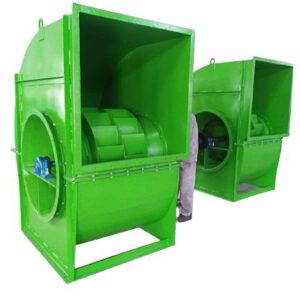
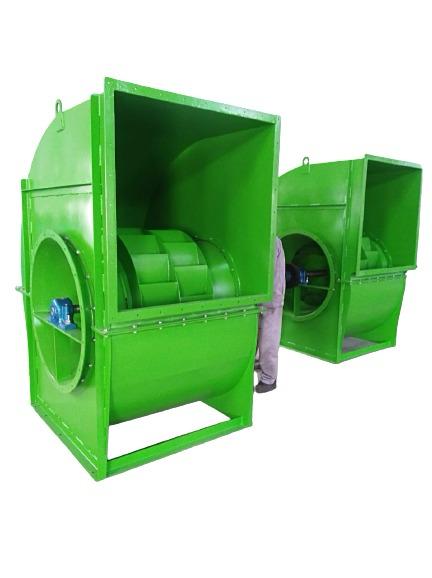
Industrial DIDW Backward Curved Centrifugal Fan - High-Efficiency Air Handling System
View Details
Industrial DIDW Backward Curved Centrifugal Fan - High-Efficiency Air Handling System
View Details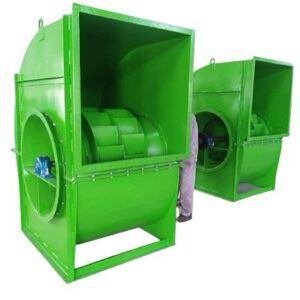
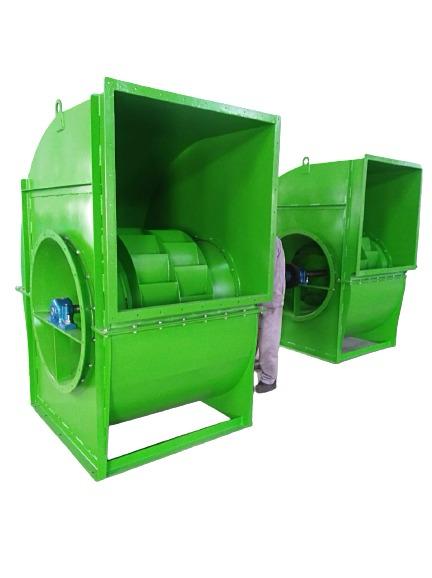
Industrial Backward Curved Centrifugal Blower - High Efficiency Air Handling System
View Details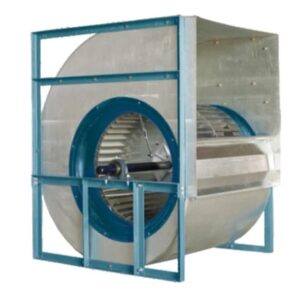

Industrial Forward Curved Centrifugal Blower – High Efficiency Air Handling Fan
View Details
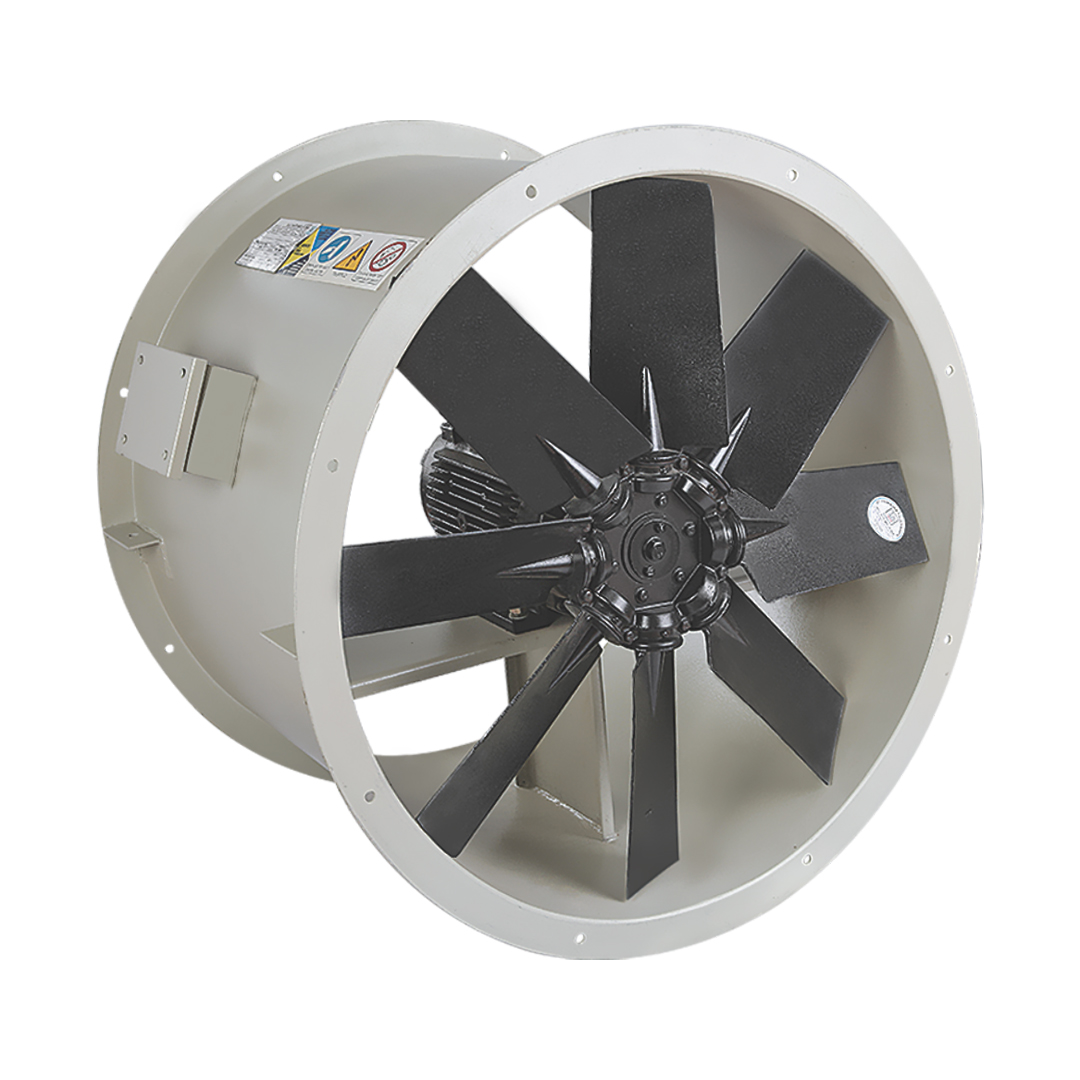
Industrial Axial Flow Exhaust Fan - High Airflow Metal Ventilation System
View Details

Industrial Axial Metal Exhaust Fan – High Airflow Ventilation System
View Details
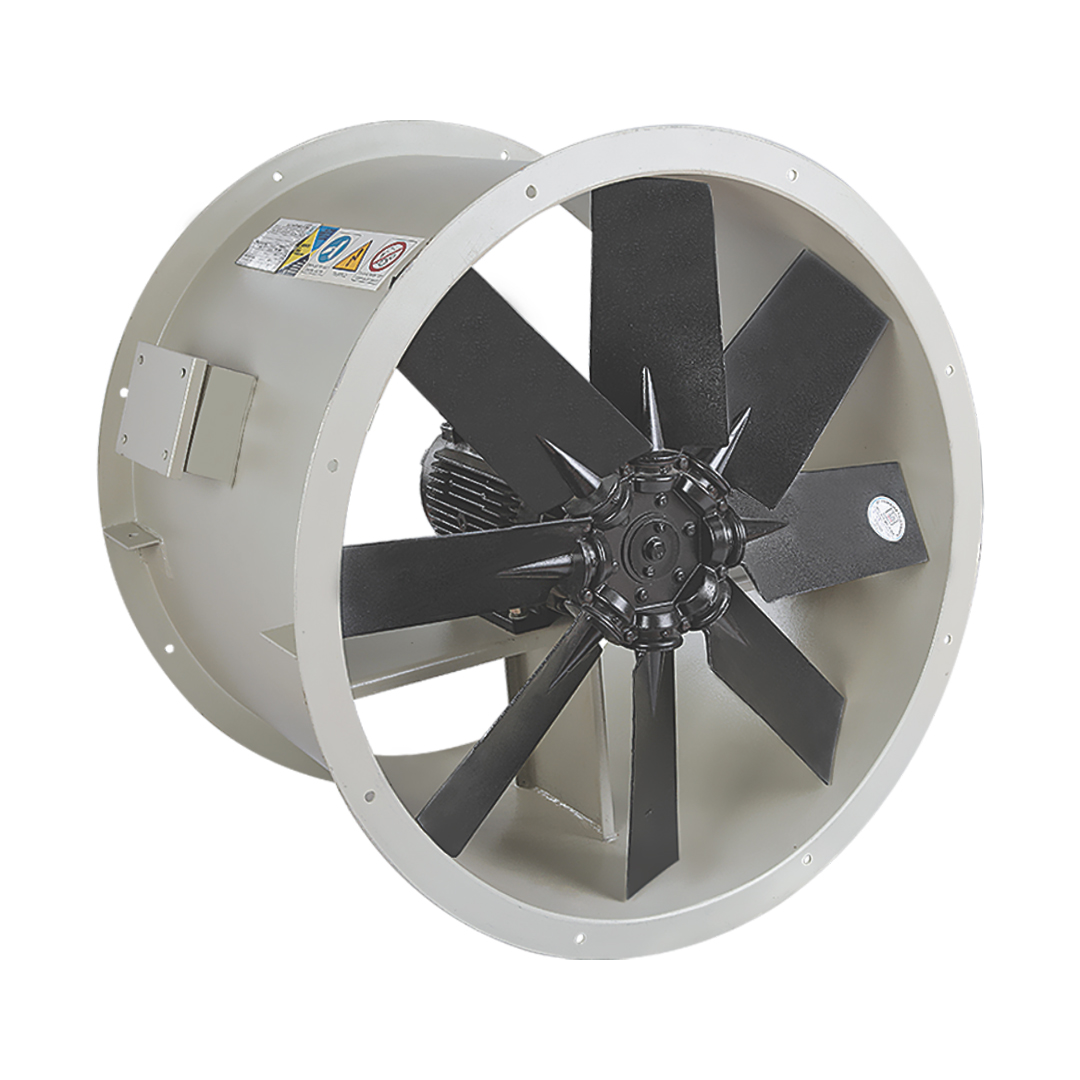
Industrial Axial Flow Fan - High Efficiency Air Ventilation System
View Details
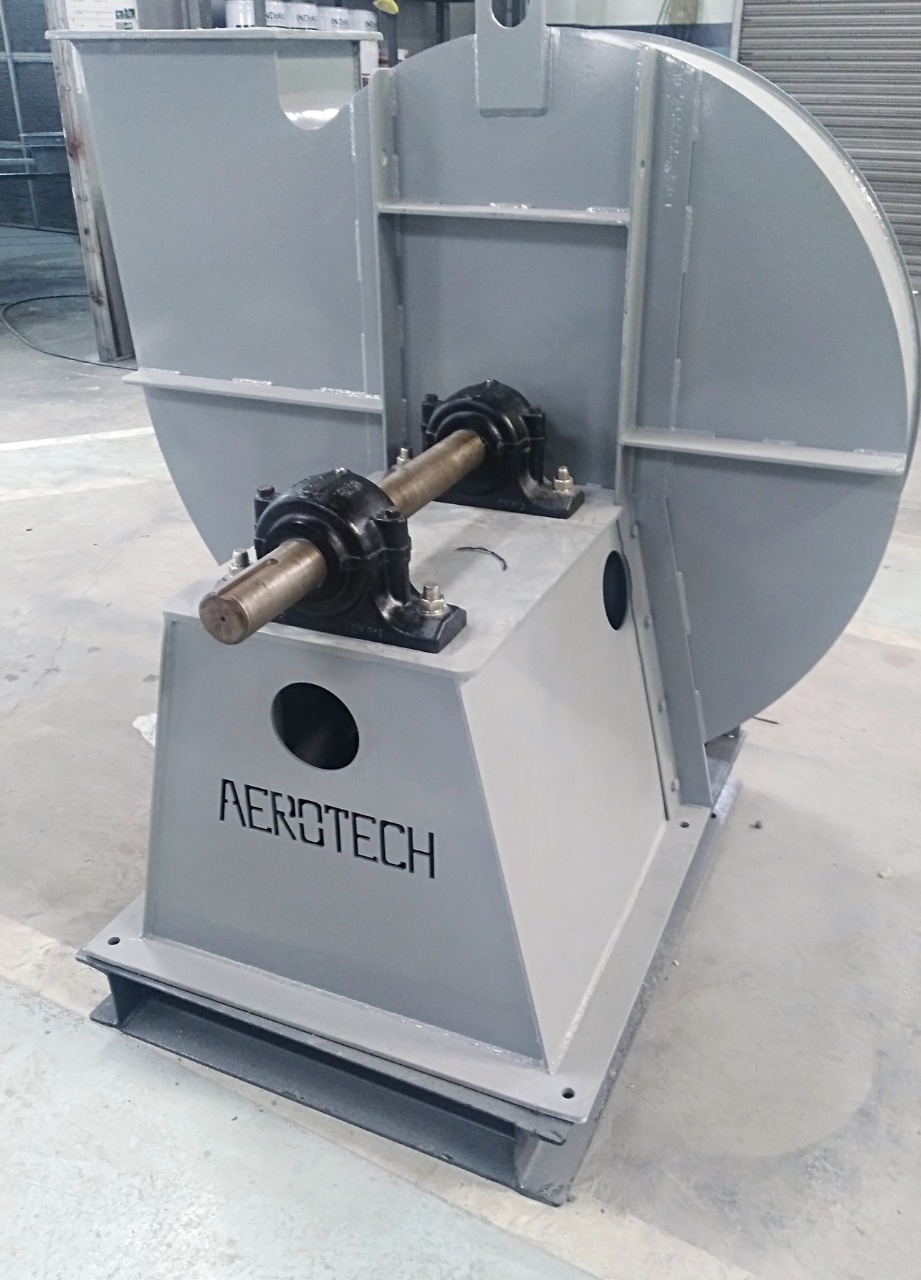
Industrial Centrifugal Ventilation Blower – Heavy-Duty Air Handling Unit
View Details
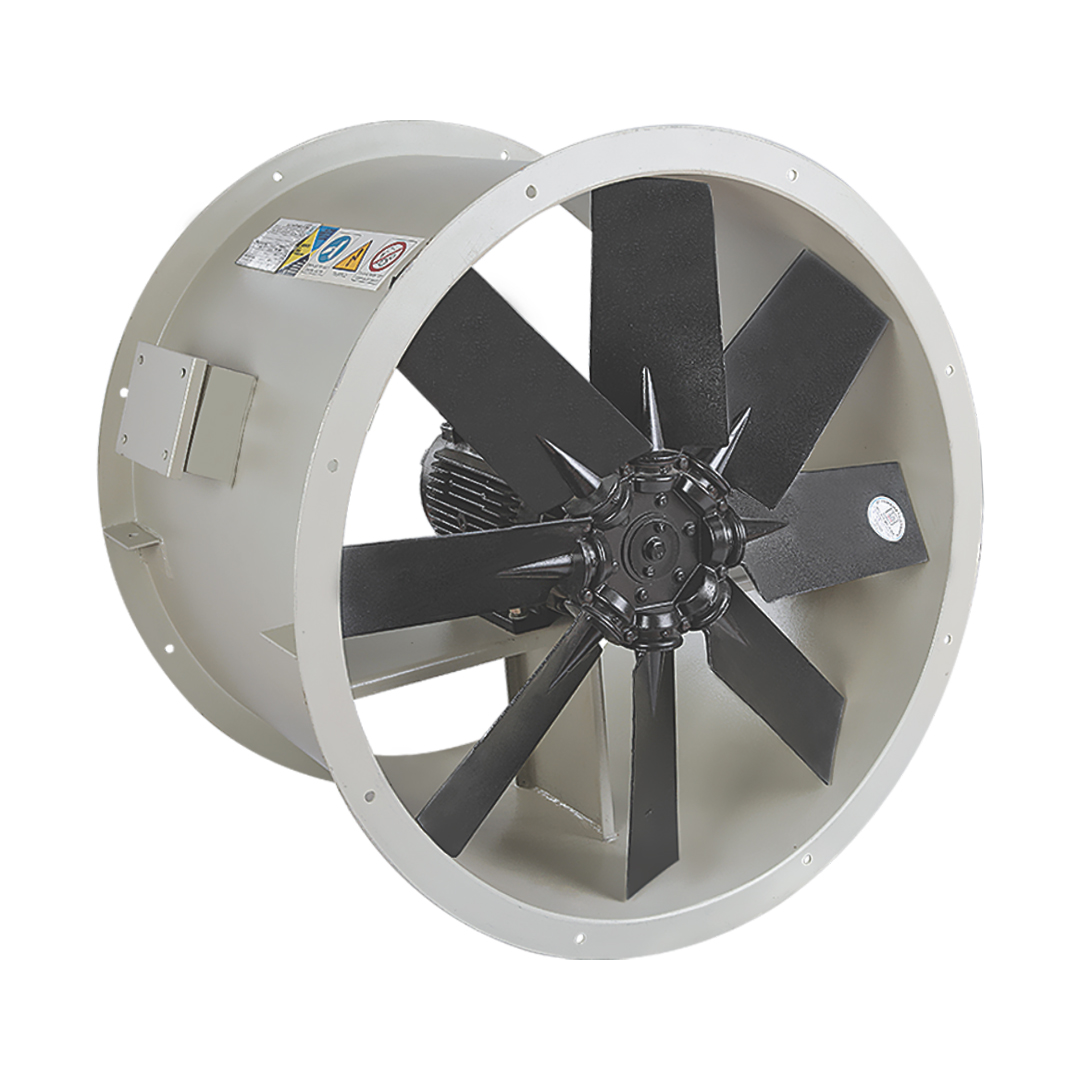
High-Temperature Axial Smoke Exhaust Fan - Industrial Ventilation System
View DetailsA backward curved fan for ventilation is designed to move air efficiently while keeping noise and energy use low. These fans are widely used in commercial, industrial, and residential settings where reliable airflow and long-term performance matter.
Backward curved fans use blades that curve away from the direction of rotation. This design helps reduce turbulence and increases efficiency. As air passes through the fan, the curved blades direct it smoothly, minimizing drag and improving pressure control.
Compared to straight or forward curved fans, backward curved designs are better suited for applications that require steady airflow under variable pressure conditions. They also tend to handle dust and particulates more effectively, making maintenance simpler.
Backward curved fans are used across many industries. They are common in air handling units, clean rooms, manufacturing facilities, and exhaust systems. In residential and commercial buildings, they help regulate air quality and temperature. Their ability to maintain steady airflow under varying conditions makes them a reliable choice for complex ventilation networks.
When selecting a backward curved fan for ventilation, consider factors such as airflow rate, static pressure, size, and material. Fans made from galvanized steel or aluminum offer strong resistance to corrosion and wear. For industrial environments, models with reinforced housings and precision-balanced impellers provide long service life.
| Feature | Benefit |
|---|---|
| Blade Design | Reduces turbulence and increases efficiency |
| Material Options | Steel or aluminum for durability |
| Noise Level | Quiet operation for comfort |
| Maintenance | Self-cleaning profile minimizes buildup |
Proper installation ensures the fan performs at its best. Always align the fan with the duct system to minimize resistance. Keep access points clear for inspection and cleaning. Regularly check bearings and impeller balance to maintain efficiency and prevent vibration.
Engineers and ventilation specialists favor backward curved fans for their reliability and performance. The design supports consistent airflow even under high-pressure conditions. In comparison with other fan types from brands like Ziehl-Abegg, ebm-papst, and Aeppl, backward curved models from Aeppl stand out for their precise engineering and long-term durability.
If you are planning a ventilation upgrade or designing a new system, a backward curved fan is a smart choice. It delivers efficiency, quiet operation, and dependable airflow for years to come.
Aeppl specializes in engineered ventilation solutions designed for performance and reliability. Our backward curved fans combine precision design with durable materials to meet demanding airflow needs. Visit Aeppl
It is a type of centrifugal fan with blades that curve opposite the direction of rotation, offering efficient airflow and reduced noise.
They are used in HVAC systems, industrial ventilation, air handling units, and clean room environments.
Yes, their blade design minimizes turbulence and reduces power consumption compared to other fan types.
Not typically. The self-cleaning blade profile helps reduce dust buildup and maintenance intervals.
Yes, they perform well under variable pressure conditions and maintain steady airflow.
They are often made from galvanized steel or aluminum for strength and corrosion resistance.
Yes, the smooth airflow design helps reduce noise, making them suitable for indoor use.
Consider airflow rate, pressure requirements, size, and material based on your ventilation system.
Aeppl fans are precision-engineered for consistent airflow, low noise, and long-term durability.
You can purchase directly from Aeppl at aeppl.com.