
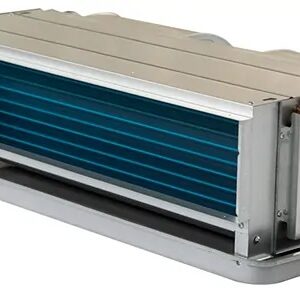
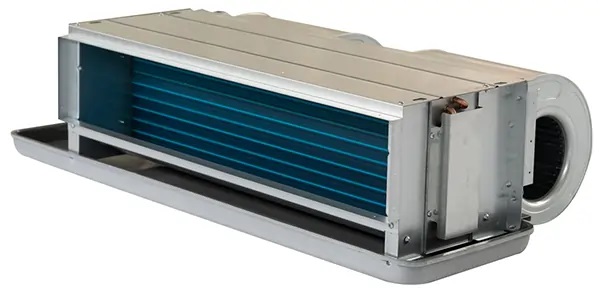
Ceiling Concealed Fan Coil Unit - High Efficiency HVAC Air Handling System
View Details
Ceiling Concealed Fan Coil Unit - High Efficiency HVAC Air Handling System
View Details
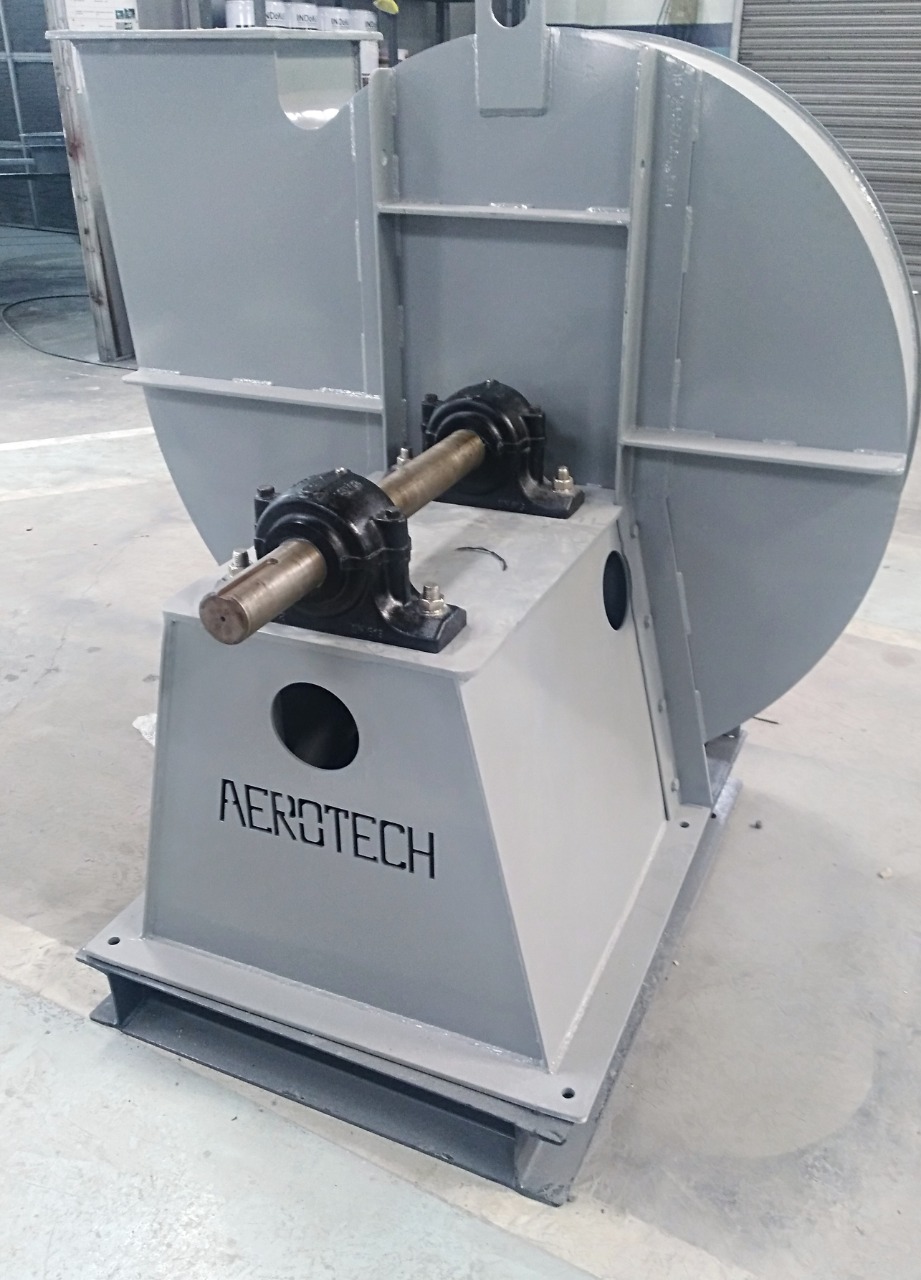
Heavy-Duty Industrial Fume Extraction Blower - High Efficiency Ventilation System
View Details
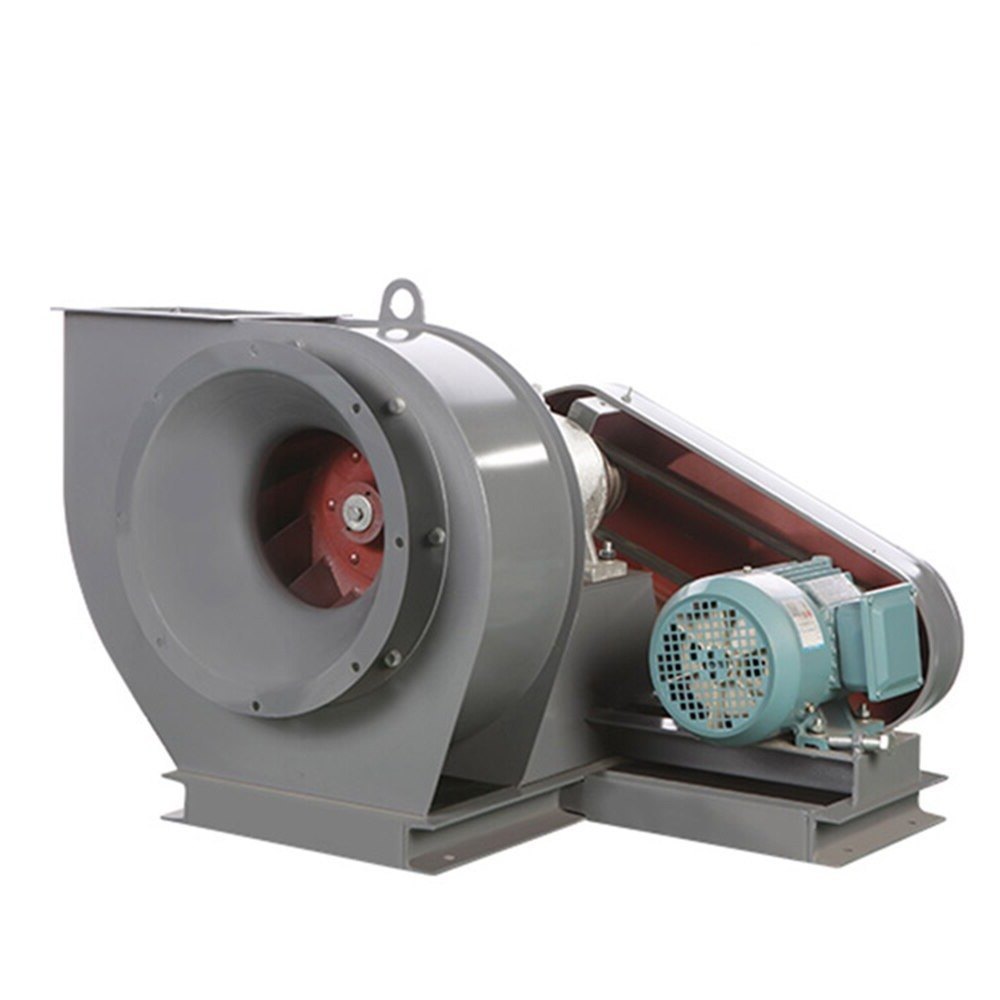
Heavy-Duty Industrial Centrifugal Blower – High Airflow Metal Housing
View Details
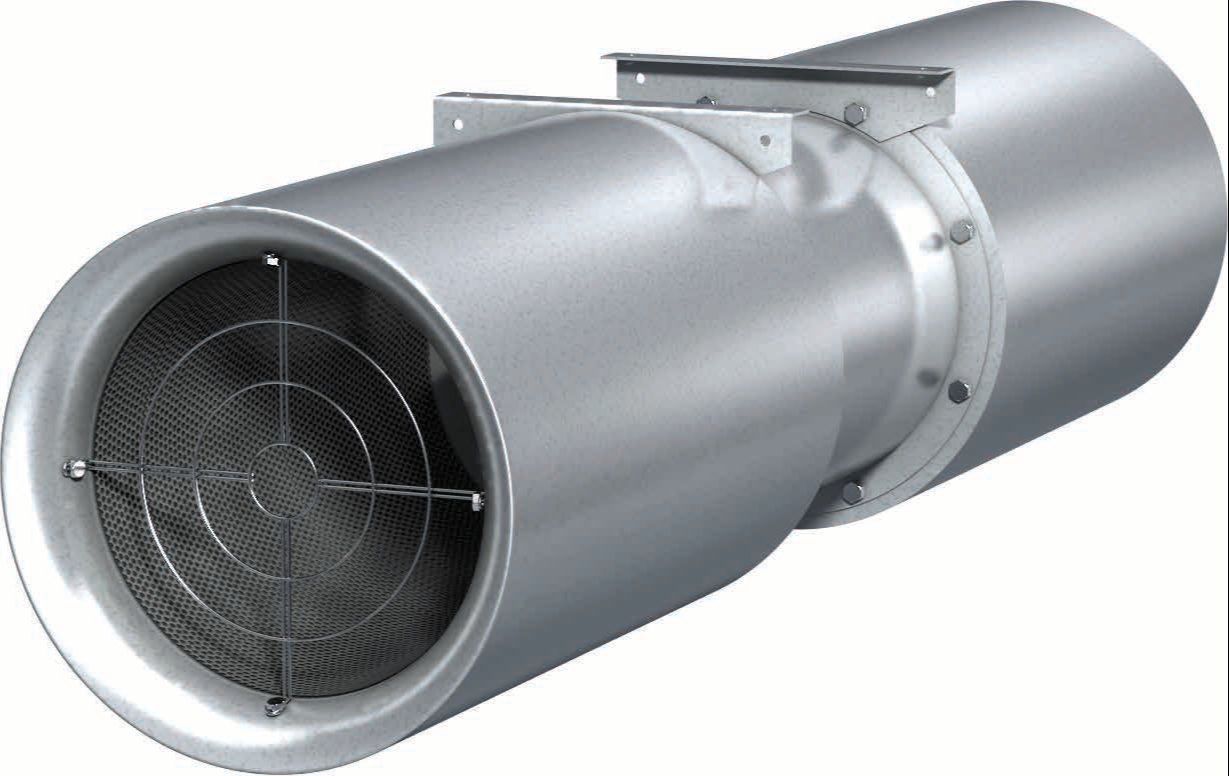
High-Performance Industrial Jet Fan - Tunnel and Garage Ventilation System
View DetailsKeeping a warehouse comfortable and safe often starts with the right ventilation. Roof fans help move air efficiently through wide spaces, reducing heat buildup and maintaining a steady environment for both workers and stored goods. Whether you operate a distribution center, production plant, or cold storage facility, consistent airflow makes a measurable difference in productivity and equipment longevity.
In busy industrial settings, stagnant air can lead to condensation, corrosion, and uncomfortable working conditions. Roof-mounted fans pull warm air upward and release it outside while drawing cooler air from below. This circulation keeps humidity under control and helps maintain safe temperatures for machinery and inventory.
Today's warehouse roof fans are built for performance and reliability. Aerodynamic blades and efficient motors keep power consumption low while maintaining strong airflow. Many units can connect to automated building systems, allowing facility managers to adjust ventilation based on temperature or occupancy levels.
| Feature | Benefit |
|---|---|
| High airflow capacity | Maintains even temperatures across large spaces |
| Corrosion-resistant housing | Ideal for humid or coastal environments |
| Quiet operation | Reduces noise and structural vibration |
| Automation-ready | Works with building management systems |
Choosing the right fan depends on several factors, including building size, roof height, and local climate. Larger facilities often benefit from motorized roof extractors, while smaller sites may use wind-driven ventilators that rely on natural airflow. Hybrid models combine both approaches for balanced efficiency.
| Type | Typical Use | Power Source |
|---|---|---|
| Motorized roof extractor | Large or heat-intensive spaces | Electric motor |
| Wind-driven ventilator | Storage or passive ventilation zones | Wind energy |
| Hybrid roof fan | Energy-conscious industrial sites | Motor plus wind assist |
Warehouse roof fans often operate alongside other ventilation equipment such as centrifugal blowers and jet fans. When integrated properly, these systems help control temperature and air movement more precisely, reducing energy costs and improving overall efficiency.
Quality roof fans support fire safety and occupational health requirements by keeping air fresh and removing heat or fumes. Regular airflow prevents dust accumulation and helps maintain safe conditions for both workers and stored materials.
Investing in dependable warehouse roof fans pays off through reduced downtime and lower maintenance costs. Built with sturdy materials and precise engineering, these fans deliver consistent performance year after year, even under demanding conditions.
Aeppl designs and manufactures industrial ventilation systems used across warehouses, factories, and process plants. The brand focuses on durability, efficiency, and reliable engineering to help facilities maintain safe and comfortable environments. Visit Aeppl
Warehouse roof fans are used to ventilate large industrial spaces by removing hot, humid, or stale air and improving air circulation throughout the facility.
They help maintain balanced temperatures, reducing the need for air conditioning or mechanical cooling, which lowers overall energy consumption.
Yes, they are effective in humid conditions as they help prevent condensation and protect stored materials from moisture damage.
Wind-driven roof fans can operate using natural airflow, making them ideal for spaces where electrical power is limited or sustainability is a priority.
Most industrial roof fans are built from stainless steel, aluminum, or coated metals to resist corrosion and withstand harsh environments.
Routine inspections and cleaning are recommended to maintain airflow efficiency and ensure mechanical components remain in good condition.
They are typically mounted on the roof structure using specialized bases and sealing systems to prevent leakage and ensure stable operation.
Yes, modern roof fans can be connected to building management or automation systems for remote monitoring and control.
Aeppl designs its warehouse roof fans with robust engineering, durable materials, and efficiency-focused components to meet demanding industrial ventilation needs.
Aeppl offers customization options based on airflow capacity, mounting type, and environmental conditions to match specific warehouse requirements.