
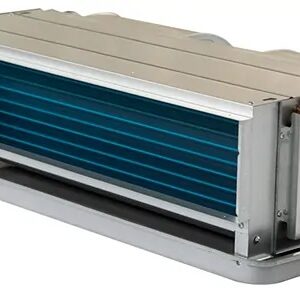
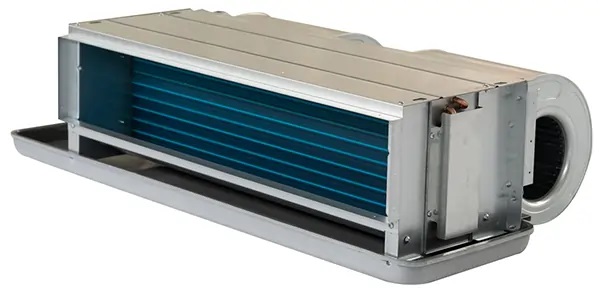
Ceiling Concealed Fan Coil Unit - High Efficiency HVAC Air Handling System
View Details
Ceiling Concealed Fan Coil Unit - High Efficiency HVAC Air Handling System
View Details
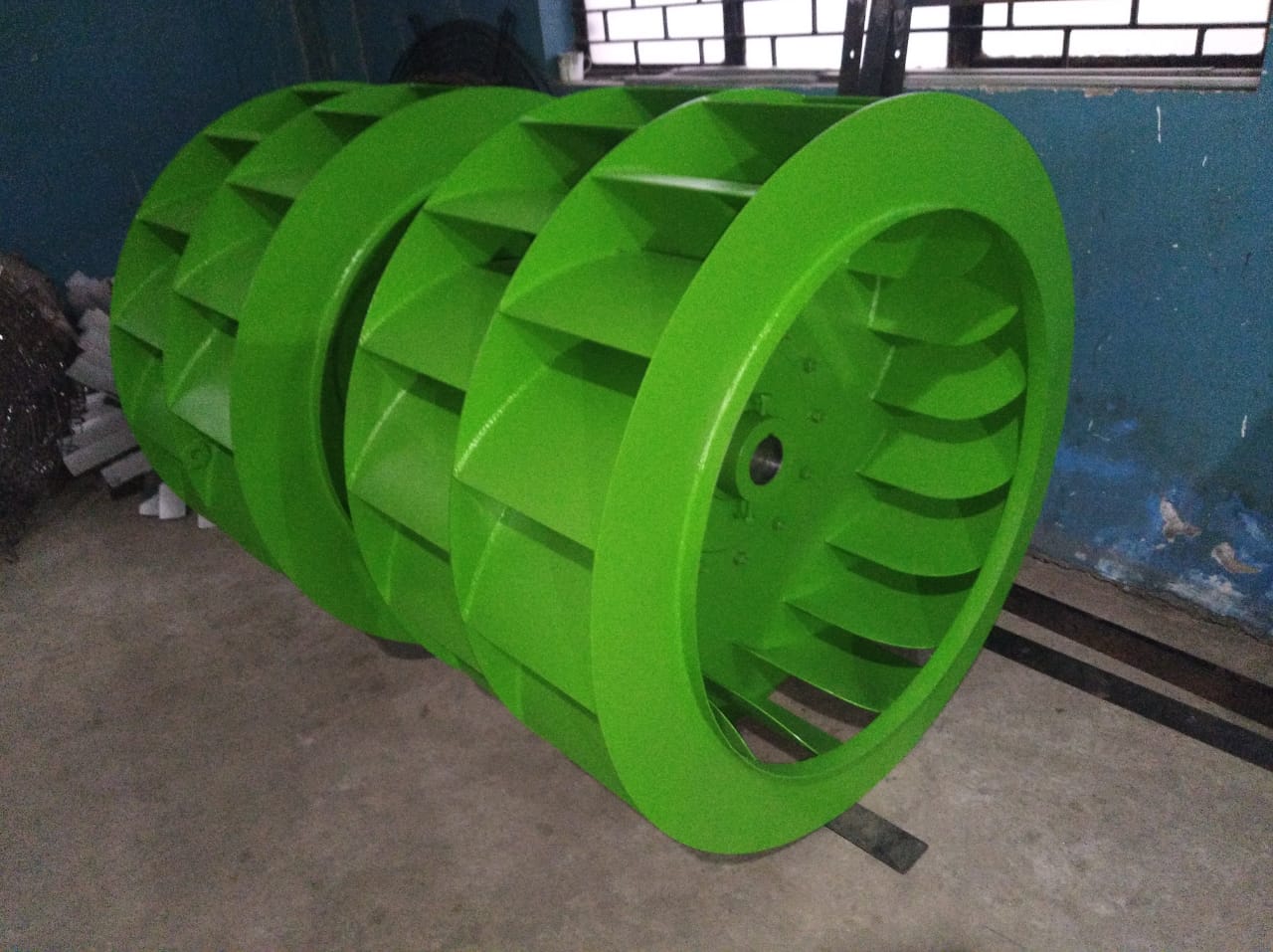
Industrial Green Centrifugal Impeller Fan - High Efficiency Airflow System
View Details
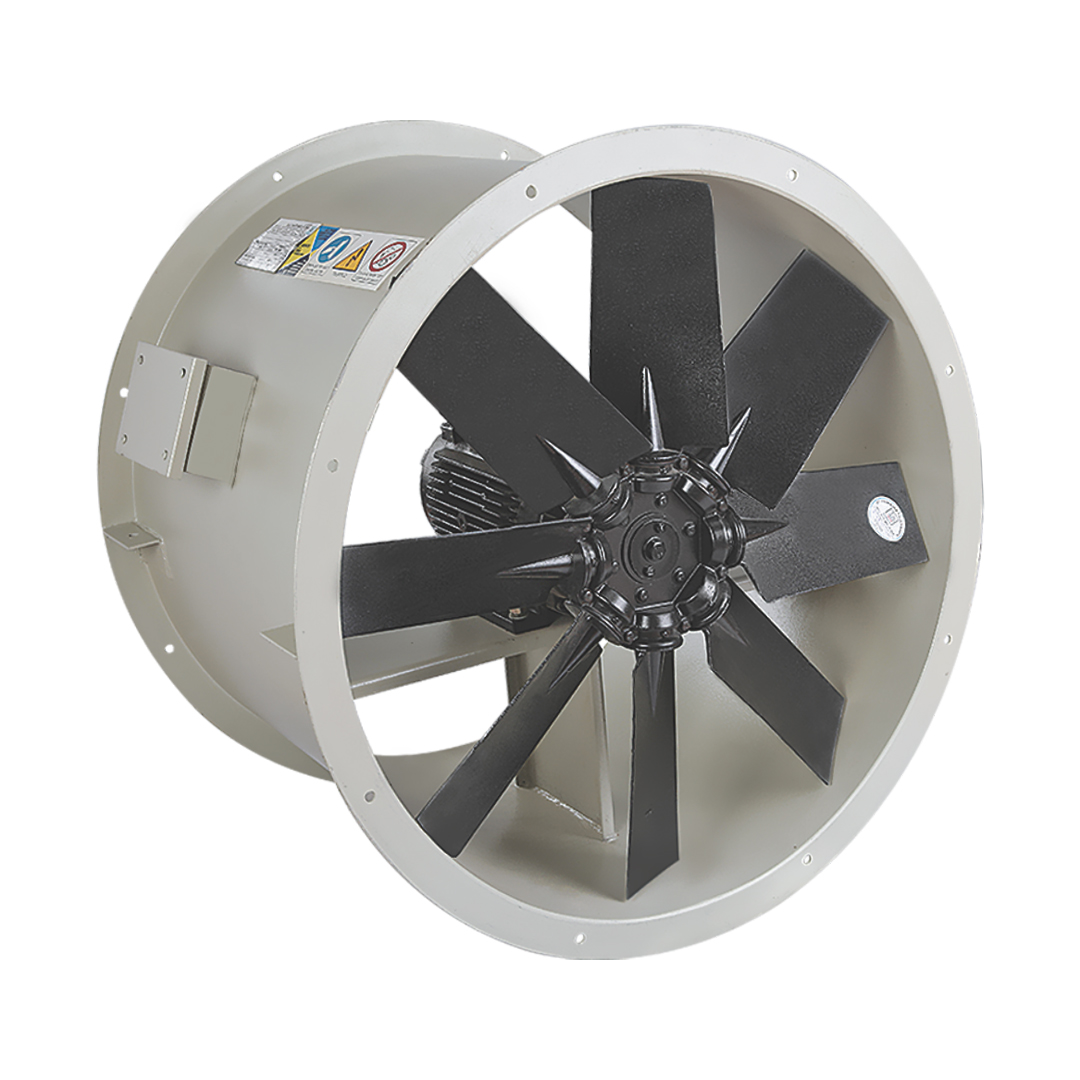
Industrial Axial Flow Exhaust Fan - High Airflow Metal Ventilation System
View Details

Industrial Axial Metal Exhaust Fan – High Airflow Ventilation System
View Details
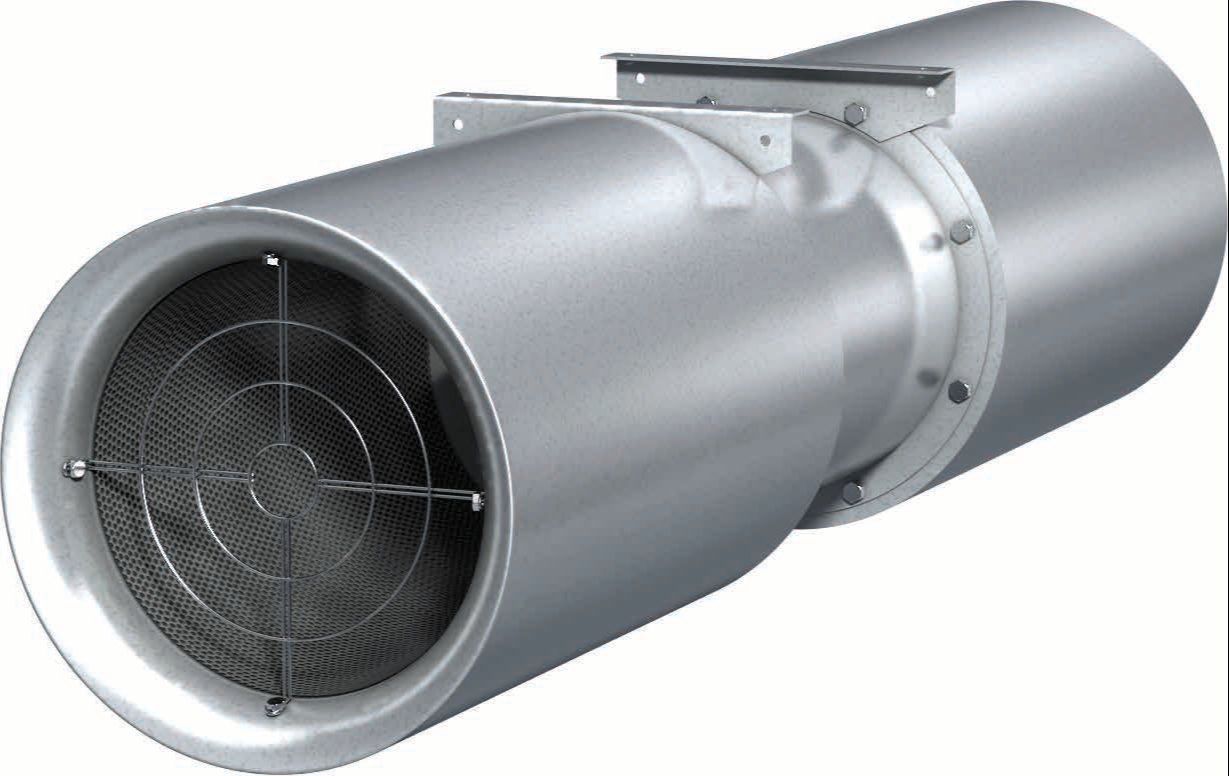
High-Performance Industrial Jet Fan - Tunnel and Garage Ventilation System
View Details
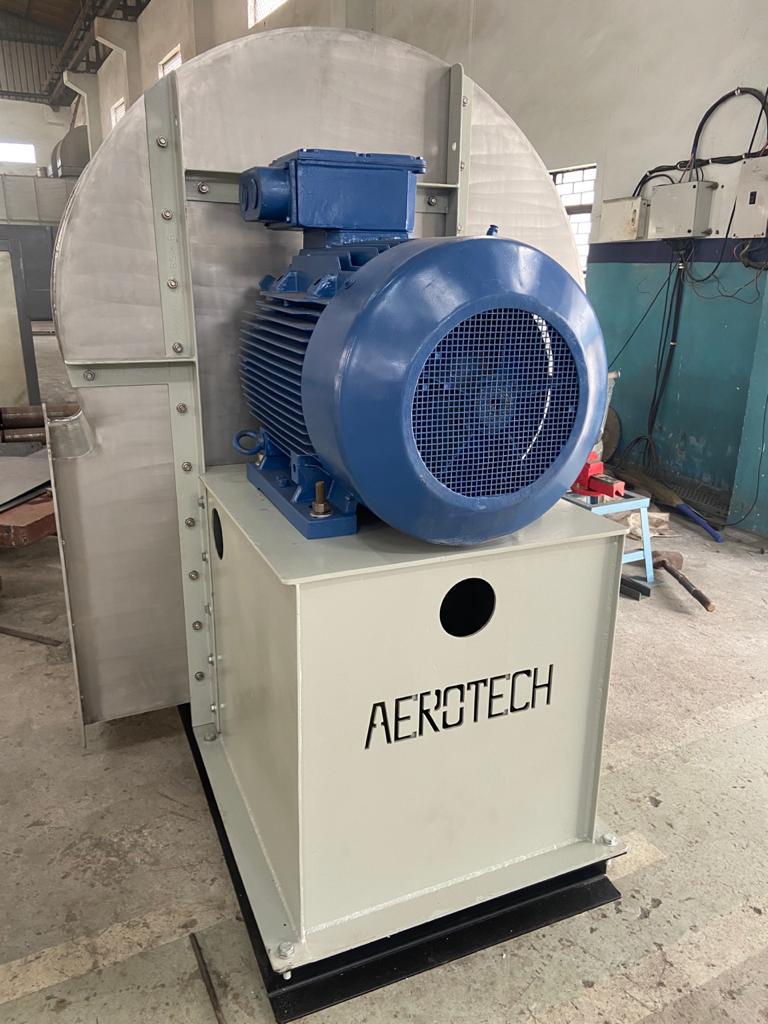
Aerotech Industrial Centrifugal Fan Blower – High-Pressure Air Handling System
View Details
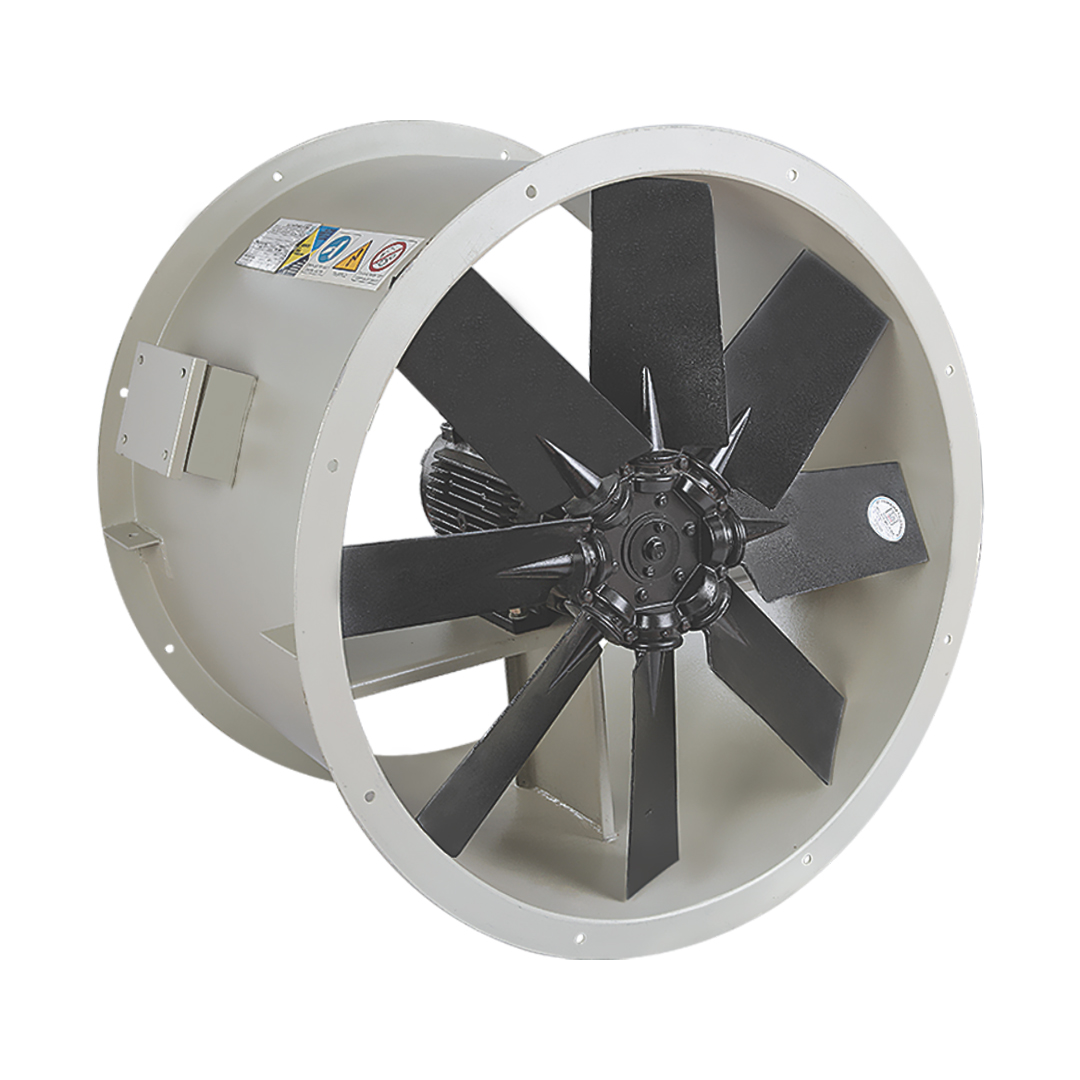
Industrial Axial Flow Fan - High Efficiency Air Ventilation System
View Details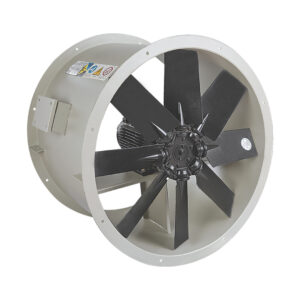
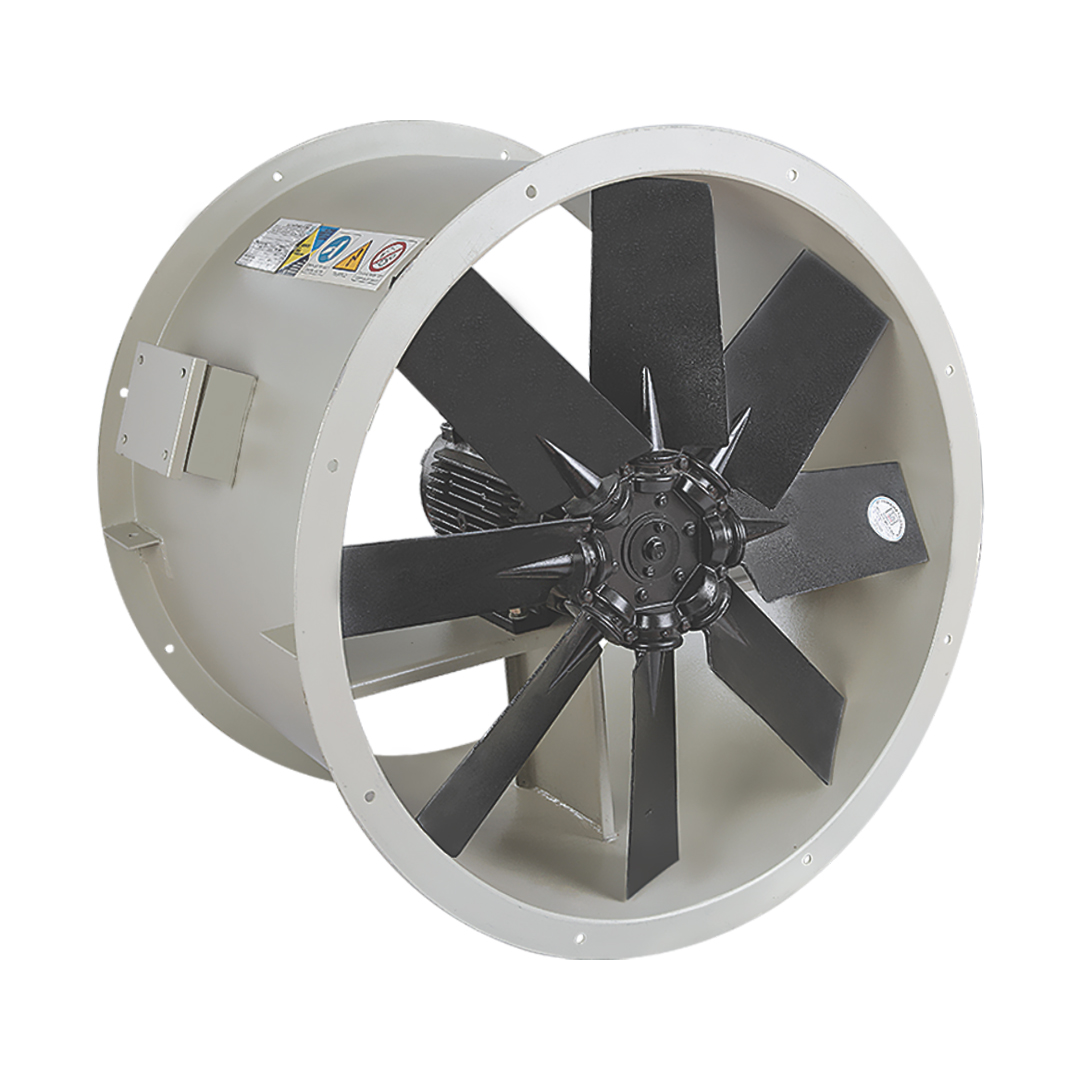
High-Temperature Axial Smoke Exhaust Fan - Industrial Ventilation System
View DetailsIn any manufacturing plant, heat, fumes, and airborne particles can build up quickly. A roof fan designed for industrial use helps manage these challenges by keeping air moving and maintaining a comfortable, safe environment for workers and equipment. Proper ventilation is not just about comfort—it also supports process stability and energy efficiency.
Roof fans play an important role in industrial ventilation by pulling warm air upward and releasing it outside, while allowing cooler air to enter from lower levels. This natural movement helps balance temperature and humidity, reduces the load on air conditioning systems, and supports compliance with safety standards.
Industrial roof fans are built for continuous operation and demanding conditions. They often use axial or centrifugal impellers, heavy-duty motors, and corrosion-resistant materials. Many models include variable speed drives and can connect to automated control systems for precise airflow management.
| Feature | Benefit |
|---|---|
| High-efficiency motor | Reduces power consumption during extended use |
| Weatherproof housing | Ensures reliable performance under outdoor exposure |
| Custom airflow design | Matches plant layout and production requirements |
| Optional smart control | Allows integration with building automation systems |
A roof fan for manufacturing plant ventilation can work alongside other air handling equipment such as exhaust ducts, air washers, or filtration units. When paired with internal fans like the Industrial Axial Flow Fan or the Industrial Centrifugal Fan Blower, the system maintains pressure balance and reduces airborne contaminants across multiple work zones.
| Fan Type | Best Use Case | Performance |
|---|---|---|
| Axial Roof Fan | General ventilation for large open spaces | High airflow with moderate pressure |
| Centrifugal Roof Fan | Dust or fume extraction in process areas | Strong pressure for targeted ventilation |
Choosing between axial and centrifugal fans depends on the plant’s layout, heat load, and the type of processes involved. Aeppl engineers can help assess these factors and recommend the right configuration for your facility.
Energy savings are a major consideration in modern manufacturing. Roof fans equipped with electronically commutated motors and intelligent speed controls can lower energy use while maintaining consistent airflow. Aeppl focuses on designing ventilation systems that meet industry standards for efficiency and noise reduction, supporting both environmental and operational goals.
Proper installation ensures that roof fans deliver balanced airflow and long-term reliability. Mounting must account for roof structure, vibration isolation, and weather protection. Routine maintenance—such as checking bearings, cleaning blades, and verifying motor alignment—helps extend service life and maintain stable performance.
The right roof fan depends on production scale, building height, and ventilation objectives. Consulting with experienced engineers helps determine airflow volume and static pressure needs. Aeppl offers solutions that can be tailored to different industries, from automotive and chemical plants to food processing and packaging facilities.
Aeppl (Aerotech Equipments and Projects Pvt. Ltd.) designs and manufactures industrial air handling systems for global clients. With decades of engineering experience, Aeppl provides dependable roof fans and ventilation solutions for manufacturing plants of every size. Visit Aeppl
A roof fan removes hot air, fumes, and moisture from production areas, helping maintain air quality and a safe working environment.
Roof fans exhaust air vertically through the roof, while wall-mounted fans move air horizontally. Roof fans are ideal for large or high-ceiling spaces.
Yes, industrial roof fans can be built with heat-resistant materials and coatings to handle elevated temperatures.
Consider plant size, heat load, air change requirements, and the type of manufacturing process to select the right fan capacity.
Many modern roof fans can integrate with automation systems for monitoring and control of airflow and energy use.
Inspect and service roof fans every six months to check bearings, motor alignment, and airflow performance.
Energy-efficient motors and variable speed options allow roof fans to lower power use while maintaining proper ventilation.
Roof fans are typically made from galvanized steel, aluminum, or powder-coated metal for durability and corrosion resistance.
Aeppl offers custom roof fan solutions tailored to plant layout, airflow requirements, and installation conditions.
You can contact Aeppl at +91-9599785811, +91 8377077661, +91 9810162210 or email sales@aeppl.com for expert assistance.