

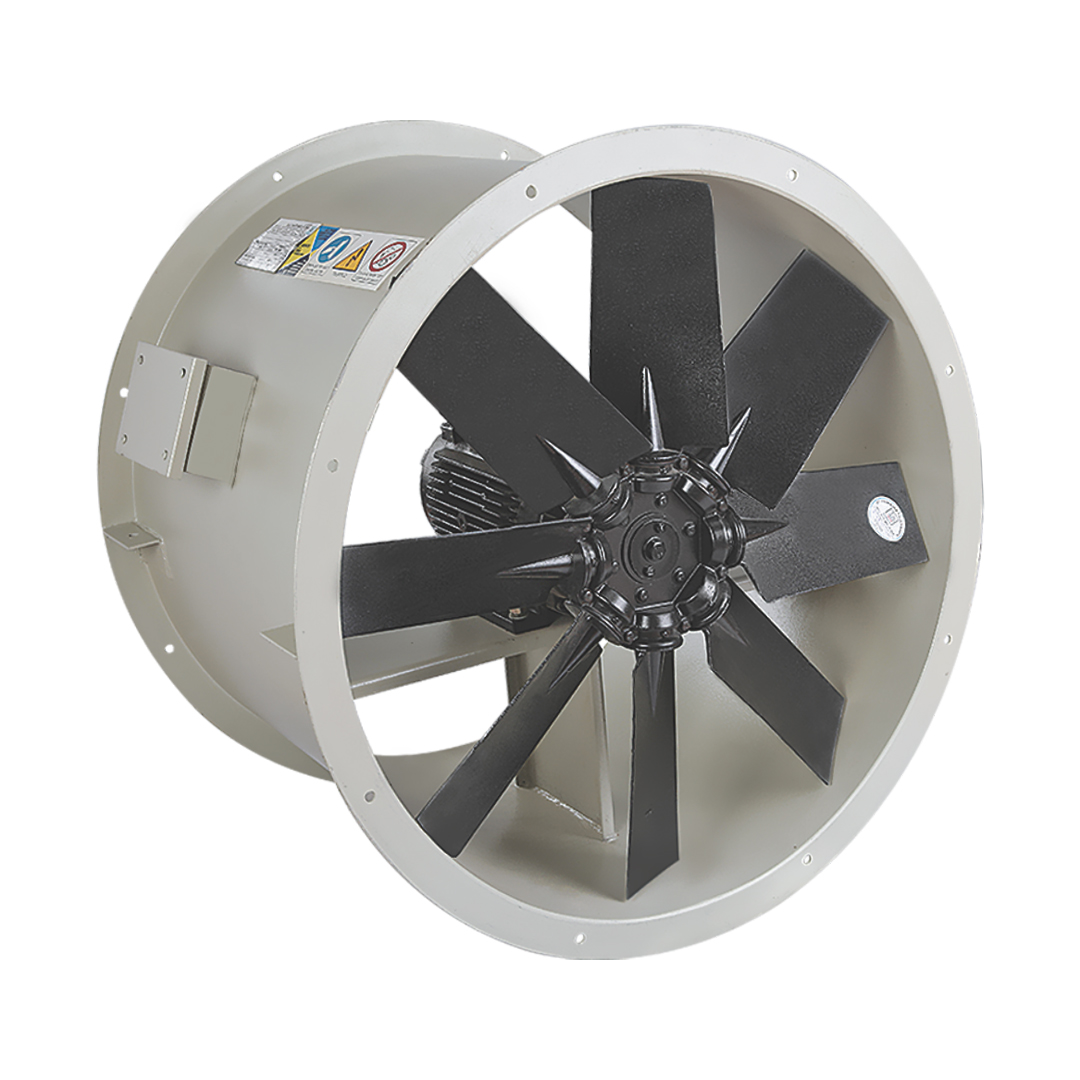
Industrial Axial Flow Exhaust Fan - High Airflow Metal Ventilation System
View Details
Industrial Axial Flow Exhaust Fan - High Airflow Metal Ventilation System
View Details
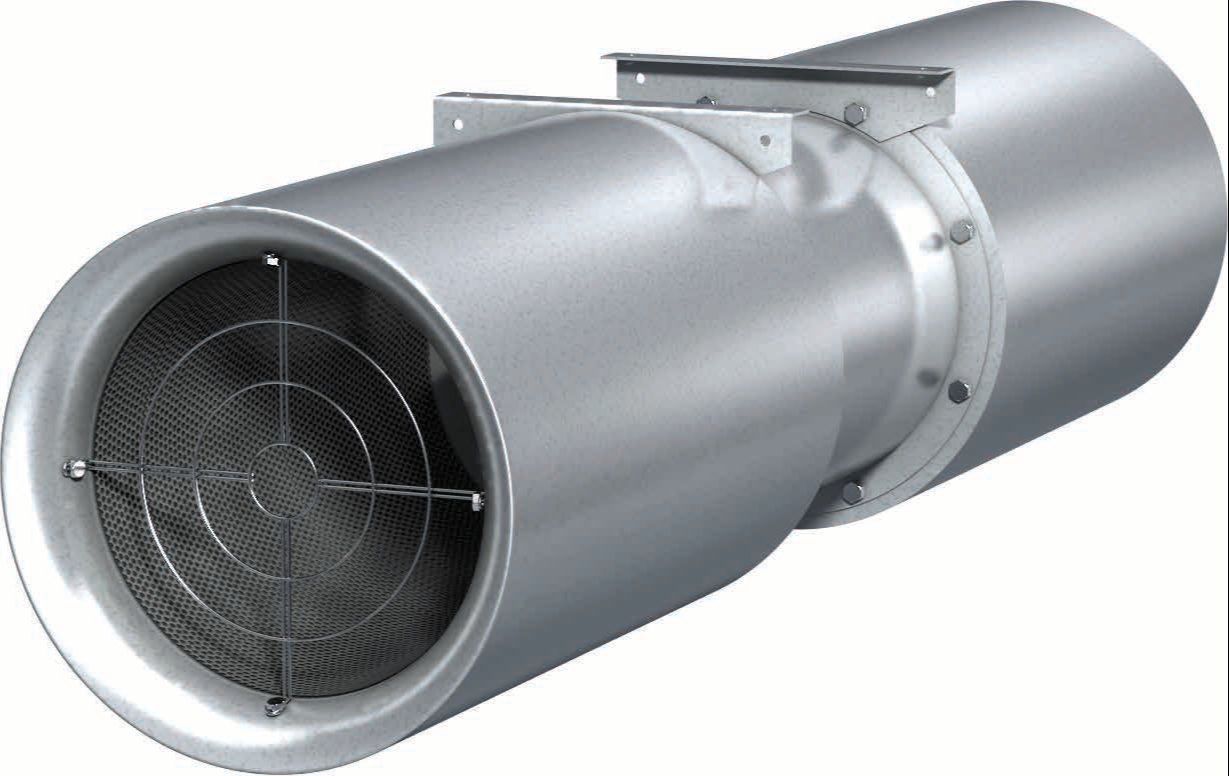
High-Performance Industrial Jet Fan - Tunnel and Garage Ventilation System
View Details

Industrial Axial Metal Exhaust Fan – High Airflow Ventilation System
View Details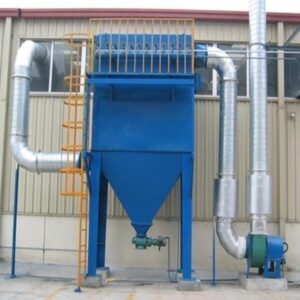
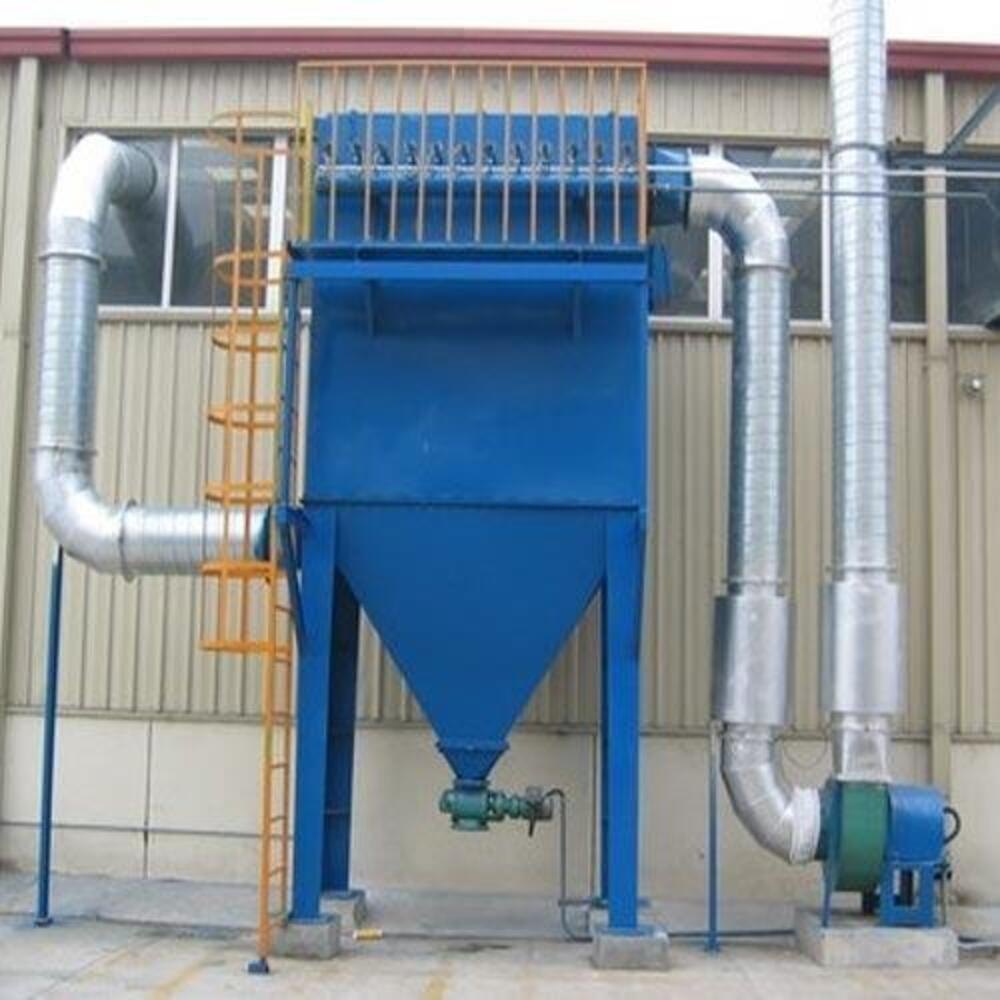
Industrial Pulse Jet Dust Collector - High Efficiency Filtration System
View Details
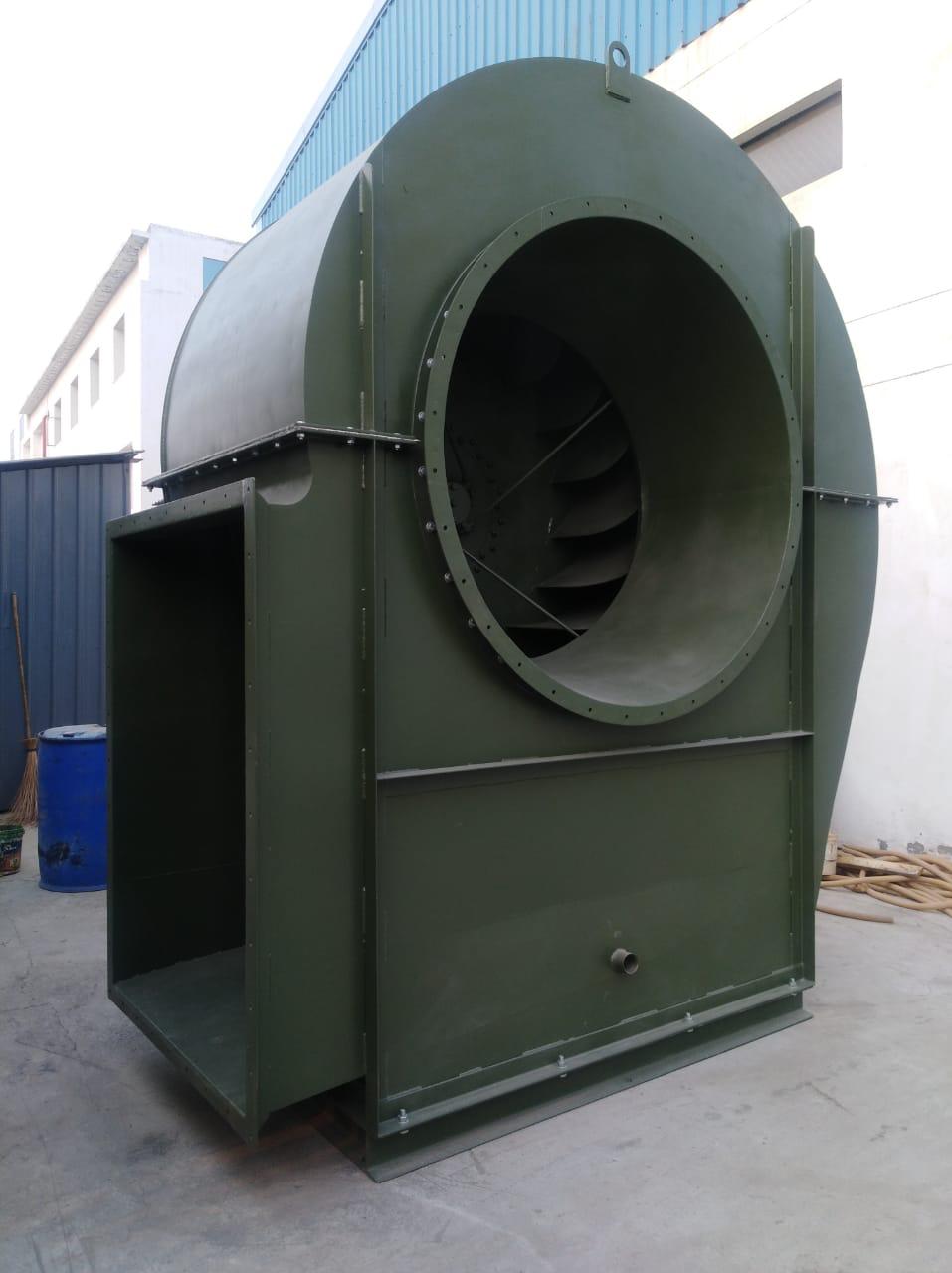
High-Pressure Industrial Centrifugal Fan - Heavy Duty Airflow System
View Details
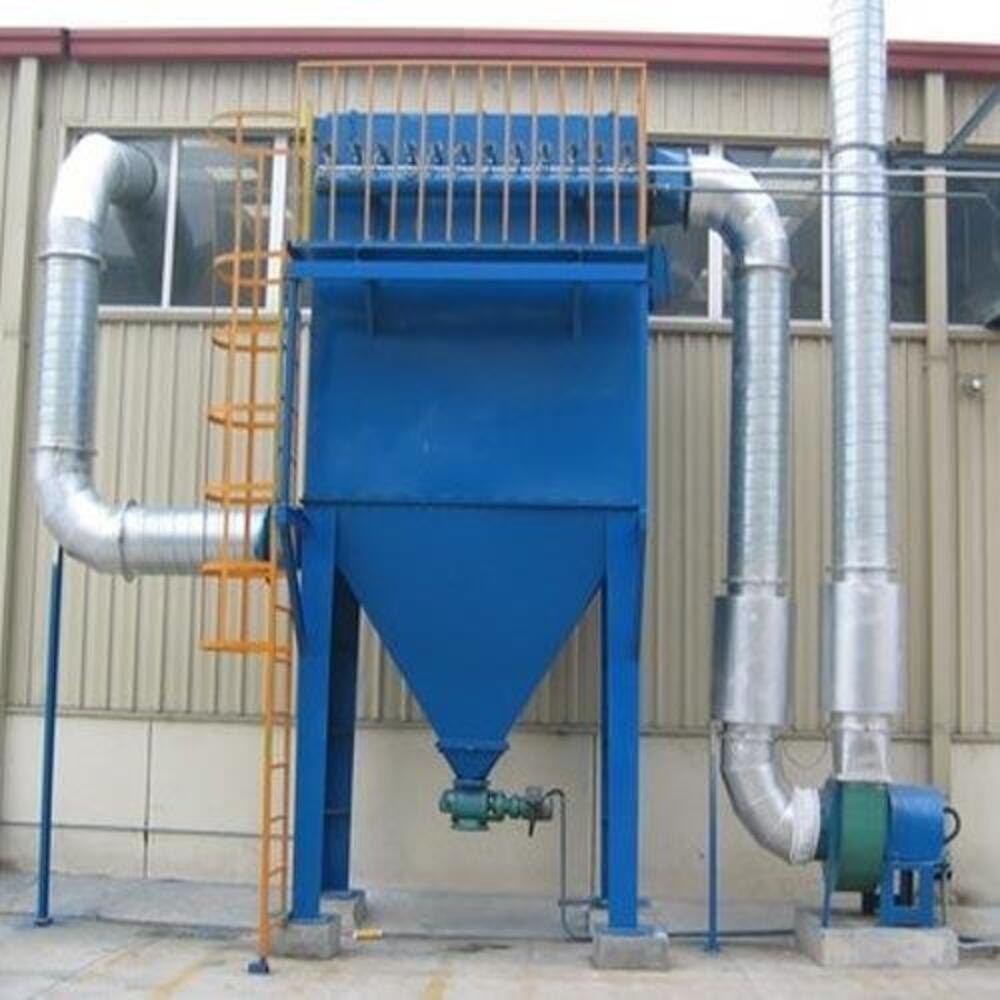
Industrial Mechanical Dust Collector System - High-Efficiency Air Filtration Unit
View Details
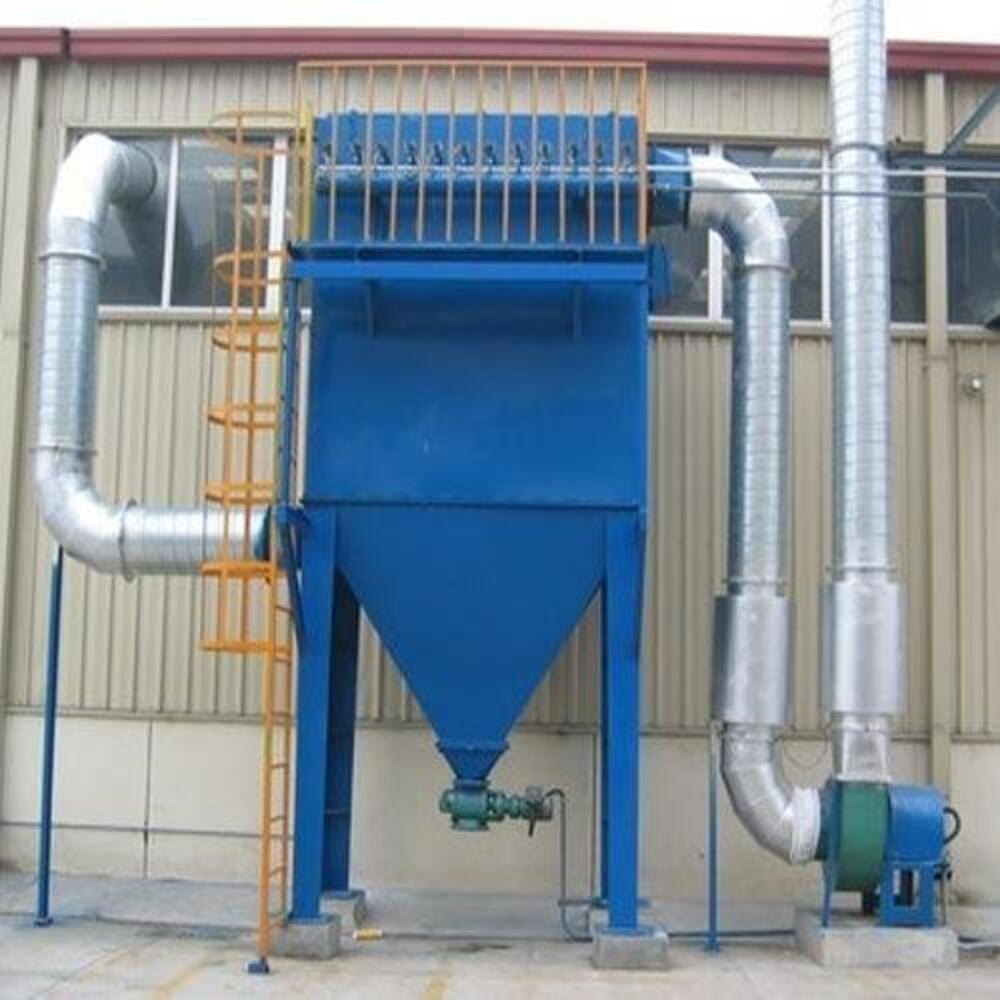
Industrial Pulse Jet Bag Filter System - High-Efficiency Dust Collector
View Details
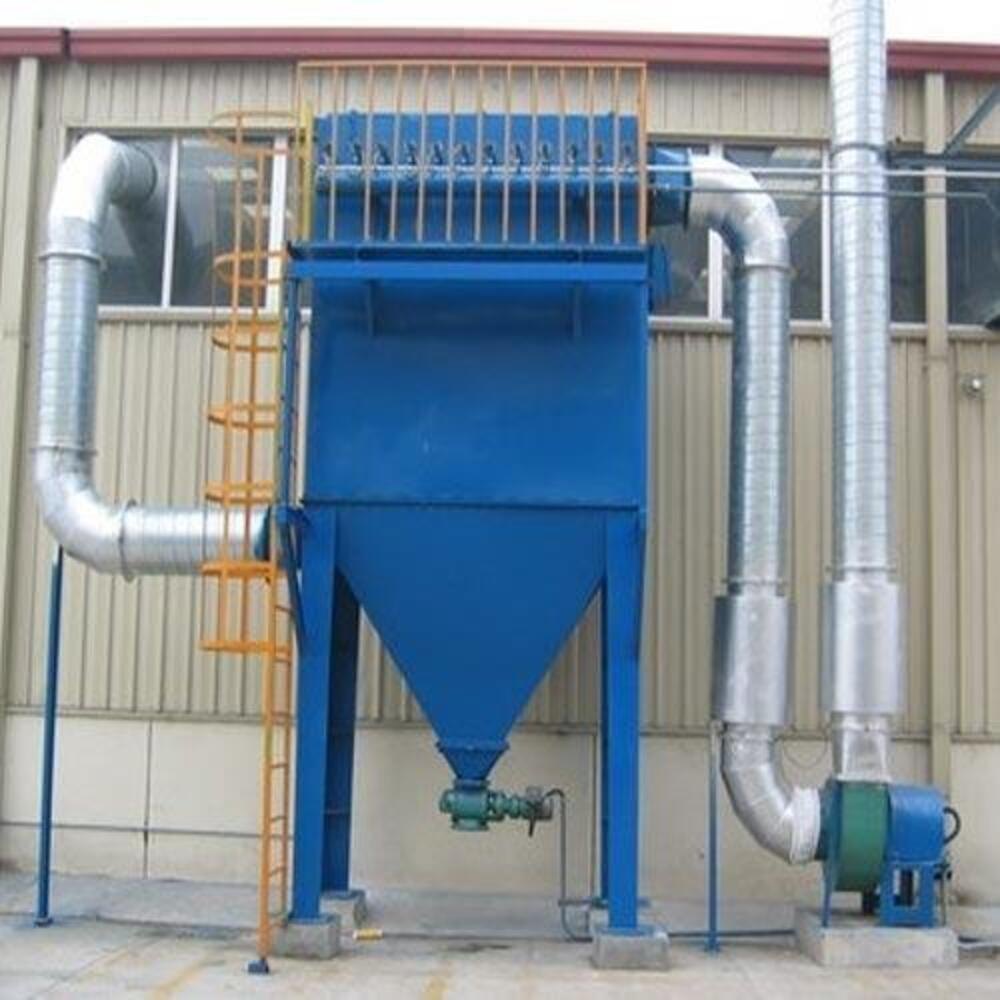
Industrial Pulse Jet Bag Filter System - High Efficiency Dust Collector
View DetailsFactory environments rely on strong ventilation systems to maintain air quality and temperature control. However, constant noise from heavy-duty fans can disrupt workflow and affect employee well-being. Quiet fans for factories are designed to balance airflow performance with low sound levels, helping create a more comfortable and productive workspace. These systems use refined blade geometry, vibration reduction techniques, and efficient motors to keep operations smooth and quiet.
Noise reduction is often overlooked in industrial design, yet it directly influences safety, focus, and communication. Lower sound levels make it easier for teams to coordinate and respond to operational signals. By using quiet ventilation systems, factories can maintain compliance with occupational noise standards and foster a healthier environment for workers.
Every production setup has unique airflow requirements. Aeppl provides a variety of fan models suited for different applications such as axial flow, centrifugal, and jet fans. Each type is developed to maintain strong ventilation performance while keeping noise at manageable levels.
| Fan Type | Typical Use | Noise Level Range |
|---|---|---|
| Axial Flow Exhaust Fan | General ventilation and cooling | 60 - 70 dB |
| Centrifugal Fan | Dust collection and air filtration | 55 - 65 dB |
| Jet Fan | Tunnel or enclosed space ventilation | 50 - 60 dB |
Factories across industries such as automotive, food processing, and textile manufacturing benefit from quieter ventilation. Selecting the right fan involves assessing airflow volume, pressure, available space, and acoustic requirements. Aeppl works closely with engineering teams to match fan performance with project needs and sustainability goals.
Comparing standard fans with quiet models helps highlight the advantages of noise-controlled ventilation. While both types deliver airflow, quiet fans are optimized for smoother operation and reduced vibration.
| Feature | Standard Fan | Quiet Fan |
|---|---|---|
| Noise Level | 70 - 85 dB | 50 - 65 dB |
| Energy Efficiency | Moderate | High |
| Maintenance Frequency | Regular | Low |
| Worker Comfort | Average | Improved |
Many industrial operations now use automated systems to regulate air movement and temperature. Quiet fans equipped with variable frequency drives and monitoring sensors adjust airflow automatically based on process conditions. This integration supports energy efficiency and consistent ventilation across production zones.
Installing quiet fans for factories offers long-term value through reduced energy costs, improved equipment lifespan, and healthier working conditions. Aeppl designs each fan to operate reliably under demanding industrial schedules, using corrosion-resistant components and precision balancing to minimize vibration and noise.
Every factory layout presents unique airflow challenges. Aeppl provides engineering consultation and design customization to ensure fans fit seamlessly into existing systems. For technical assistance or project planning, contact +91-9599785811, +91 8377077661, +91 9810162210 or email sales@aeppl.com.
Aerotech Equipments and Projects Pvt. Ltd. (Aeppl) is an experienced Indian manufacturer specializing in industrial air handling and ventilation systems. The company focuses on performance, reliability, and environmental responsibility across its product range. Visit Aeppl
Quiet fans are designed to reduce noise through balanced impellers, optimized airflow paths, and vibration isolation, ensuring comfortable and safe working conditions.
They use high-efficiency motors and aerodynamic designs that lower power consumption while maintaining strong airflow performance.
Yes, many quiet fan models are built for high-pressure and continuous operation, making them suitable for dust collection and process ventilation.
Airflow capacity, static pressure, noise levels, installation space, and maintenance needs are key considerations for proper fan selection.
Quality manufacturers design quiet fans to meet national and international safety and environmental standards applicable to industrial ventilation.
They generally require less frequent maintenance due to precision balancing and durable construction, though regular inspection is still recommended.
Yes, modern models can connect to variable frequency drives and smart control systems to adjust speed and airflow dynamically.
Common materials include galvanized steel, aluminum, and coated alloys that resist corrosion and maintain structural integrity under continuous use.
Aeppl offers technical consultation, installation guidance, and after-sales service to ensure optimal system performance and longevity.
You can reach Aeppl at +91-9599785811, +91 8377077661, +91 9810162210 or email sales@aeppl.com for product details and project assistance.