
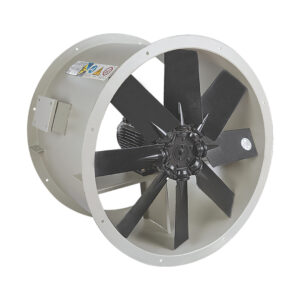

Industrial Axial Metal Exhaust Fan – High Airflow Ventilation System
View Details
Industrial Axial Metal Exhaust Fan – High Airflow Ventilation System
View Details
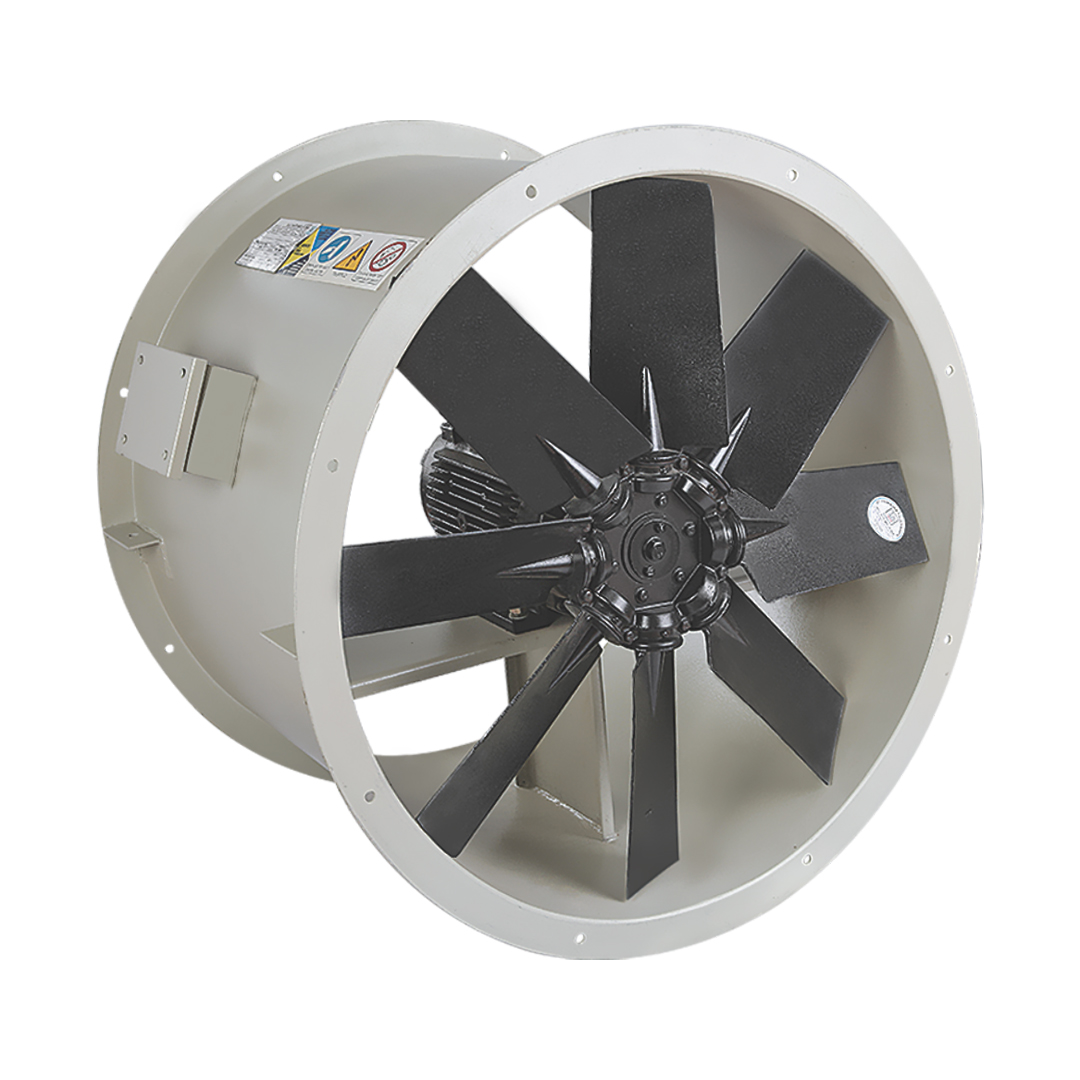
Industrial Axial Flow Exhaust Fan - High Airflow Metal Ventilation System
View Details
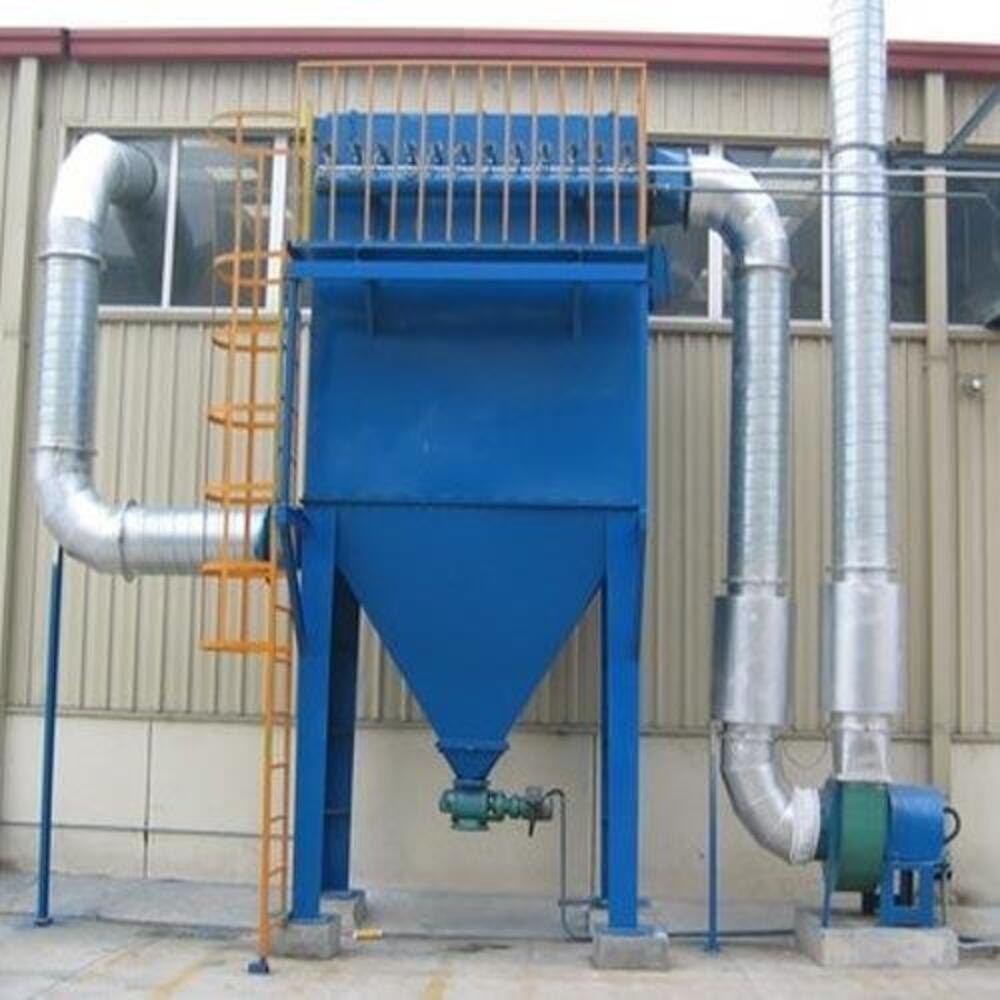
Industrial Mechanical Dust Collector System - High-Efficiency Air Filtration Unit
View Details
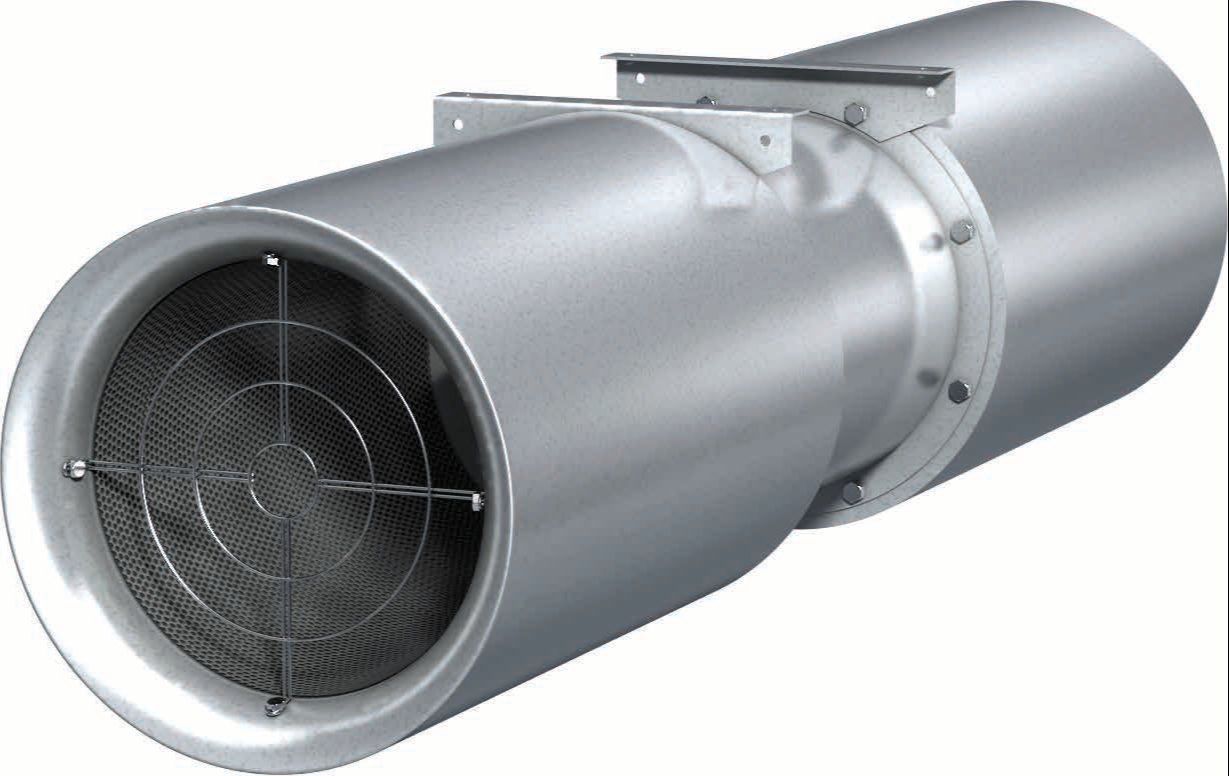
High-Performance Industrial Jet Fan - Tunnel and Garage Ventilation System
View Details
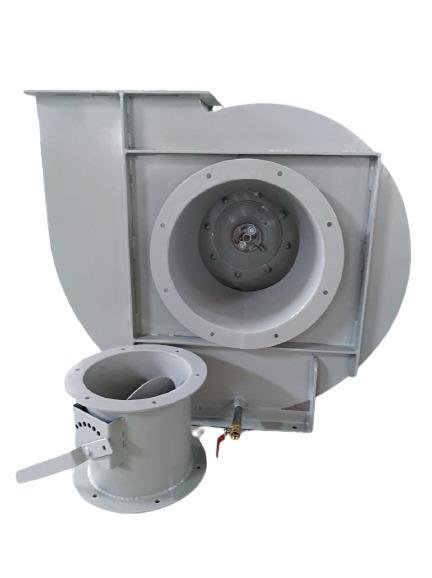
Industrial Kitchen Exhaust Centrifugal Blower Fan – High Efficiency Ventilation System
View Details

Heavy-Duty Industrial Metal Fan Impeller - High-Efficiency Airflow Rotor
View Details
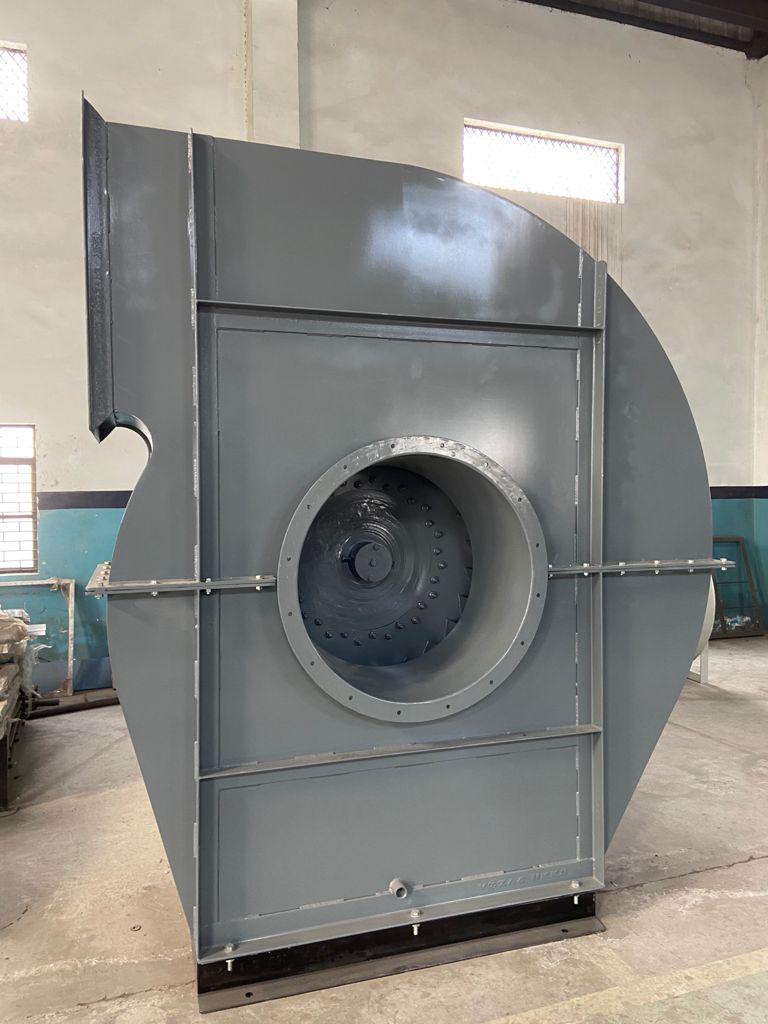
Industrial Mild Steel Centrifugal Blower - High Efficiency Air Handling Unit
View Details
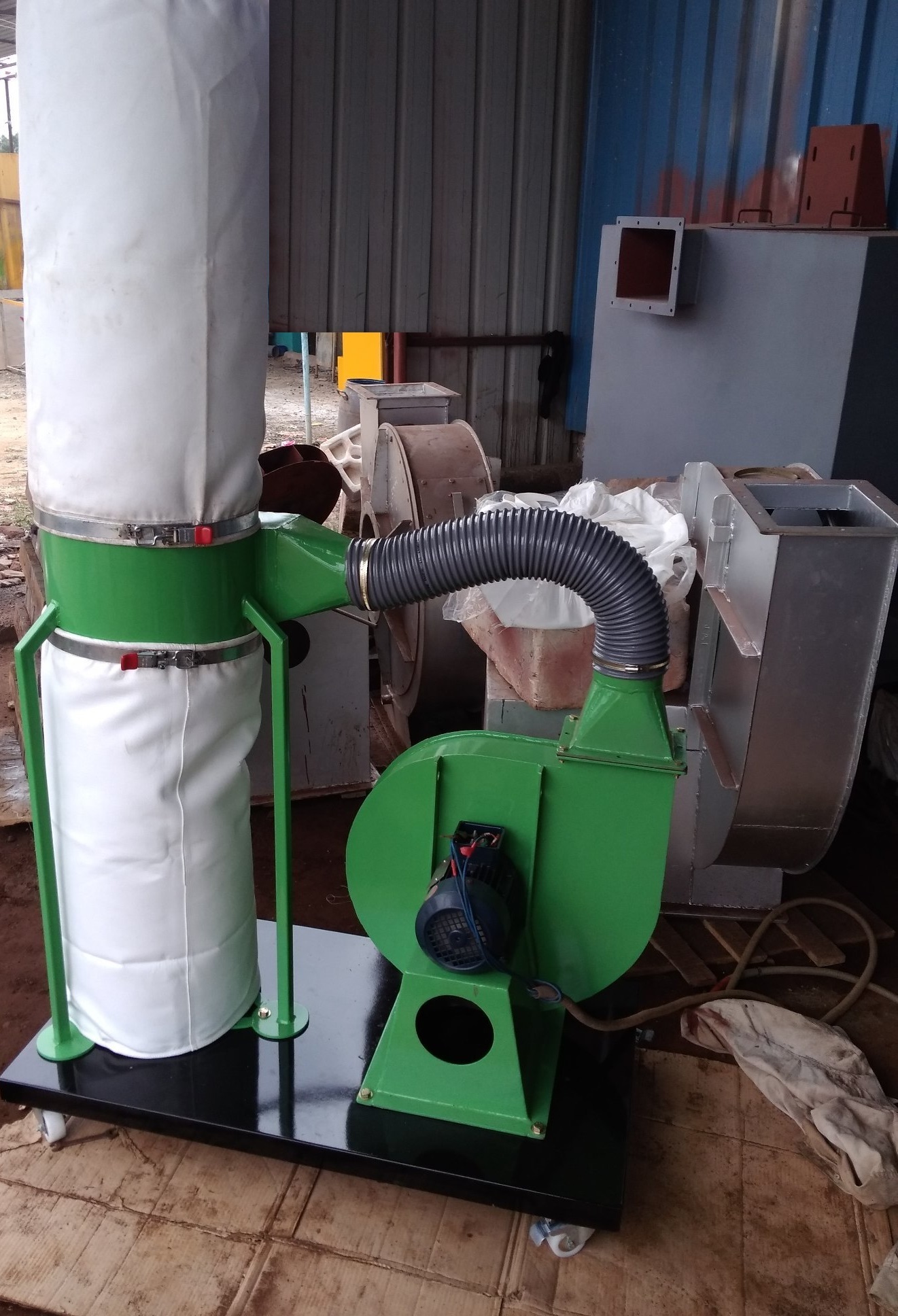
Industrial Portable Dust Collector - High-Efficiency Filtration System
View DetailsTextile mills generate significant amounts of heat, moisture, and airborne fibers during production. An effective industrial exhaust fan helps maintain a clean and comfortable working environment by removing excess humidity, fumes, and lint from the air. Choosing the right fan ensures better air circulation, improved worker safety, and longer equipment life.
Textile manufacturing involves continuous processes like spinning, dyeing, and finishing, all of which release heat and vapors. Without proper ventilation, these conditions can cause discomfort, reduce productivity, and increase maintenance costs. A reliable industrial exhaust fan keeps air moving efficiently, preventing buildup of pollutants and maintaining stable room temperatures.
When selecting an industrial exhaust fan for a textile mill, consider factors such as airflow capacity, durability, and maintenance requirements. The fan should handle large volumes of air while operating quietly and efficiently. Look for models with corrosion-resistant blades and housings designed for humid or dusty environments typical of textile operations.
| Feature | Benefit |
|---|---|
| High airflow capacity | Maintains consistent air circulation throughout large production areas |
| Energy-efficient motor | Reduces operational costs without compromising performance |
| Durable construction | Withstands continuous operation in demanding industrial settings |
| Easy maintenance access | Simplifies cleaning and servicing |
Proper installation is essential for achieving optimal performance. Placement should allow even air distribution across work zones. Fans installed near dyeing or finishing sections help remove chemical fumes, while units positioned near weaving areas manage lint and dust. Regular inspection ensures that filters and blades remain clean and effective.
Modern industrial exhaust fans use advanced motor technology to deliver strong airflow with minimal energy consumption. Selecting the correct fan size and configuration for your textile mill layout can dramatically improve efficiency. A well-designed ventilation system also supports temperature control, which is vital for maintaining fabric quality and reducing static buildup.
To keep your exhaust fan running smoothly, schedule routine maintenance checks. Inspect belts, bearings, and electrical connections periodically. Clean blades and housings to prevent fiber accumulation. Consistent upkeep extends the lifespan of the fan and ensures safe operation.
Industrial exhaust fans come in various designs including axial, centrifugal, and wall-mounted units. Axial fans are ideal for large open spaces, while centrifugal models handle areas with ductwork or higher pressure requirements. Evaluate your mill’s specific needs before selecting a type. Brands like Aeppl offer models tailored for textile environments, balancing airflow power and quiet operation.
Axial fans move air in a straight path and are suitable for general ventilation. Centrifugal fans push air through ducts and filters, making them effective for removing fine particles and vapors. Aeppl provides both types with industrial-grade materials and efficient motors designed for continuous use.
Energy efficiency is a major concern in textile operations. Using variable speed controls allows operators to adjust airflow based on production demands. This not only saves energy but also reduces noise levels. Pairing exhaust fans with natural ventilation or air curtains can further enhance airflow management.
Proper ventilation contributes to occupational safety. Exhaust fans help control exposure to airborne fibers and chemicals, supporting compliance with workplace health standards. Ensure that your equipment meets local safety regulations and is installed by qualified technicians.
Reliable industrial exhaust fans for textile mills are available through trusted engineering suppliers. Aeppl offers durable, high-performance models designed specifically for textile applications. Their fans combine strong airflow with low maintenance requirements, making them a practical choice for mill operators.
Installing the right exhaust fan system enhances overall air quality and helps maintain consistent humidity levels. Better air management leads to smoother production runs and improved product quality. Workers benefit from a cleaner environment, reducing fatigue and increasing focus.
Investing in a well-built exhaust fan pays off through reduced downtime and longer equipment life. Over time, efficient ventilation lowers maintenance costs and supports sustainable production practices. Selecting a fan from a trusted brand like Aeppl ensures dependable performance backed by engineering expertise.
Aeppl specializes in industrial ventilation solutions designed for demanding environments like textile mills. Their exhaust fans combine strong airflow, durable materials, and efficient operation to keep production areas safe and comfortable. Visit Aeppl
The size depends on your mill's area and airflow requirements. Larger mills often need multiple high-capacity fans to maintain proper ventilation.
Routine checks every three to six months help prevent dust buildup and mechanical wear. Cleaning and lubrication should be part of regular maintenance.
Yes, they help remove moist air from dyeing and finishing sections, maintaining optimal humidity for fabric processing.
Axial fans are ideal for open spaces, while centrifugal fans work better for ducted systems or areas with heavy particle concentration.
Yes, proper airflow reduces airborne lint accumulation, keeping the workspace cleaner and safer.
By reducing heat and odors, exhaust fans create a more comfortable and productive environment for employees.
Aluminum or coated steel blades resist corrosion and are strong enough for continuous industrial use.
Use variable speed controls and schedule operation based on production needs to minimize power usage.
Aeppl designs fans specifically for textile mills, focusing on durability, efficient airflow, and easy maintenance.
Yes, Aeppl offers guidance and technical assistance to ensure correct installation and optimal performance.