
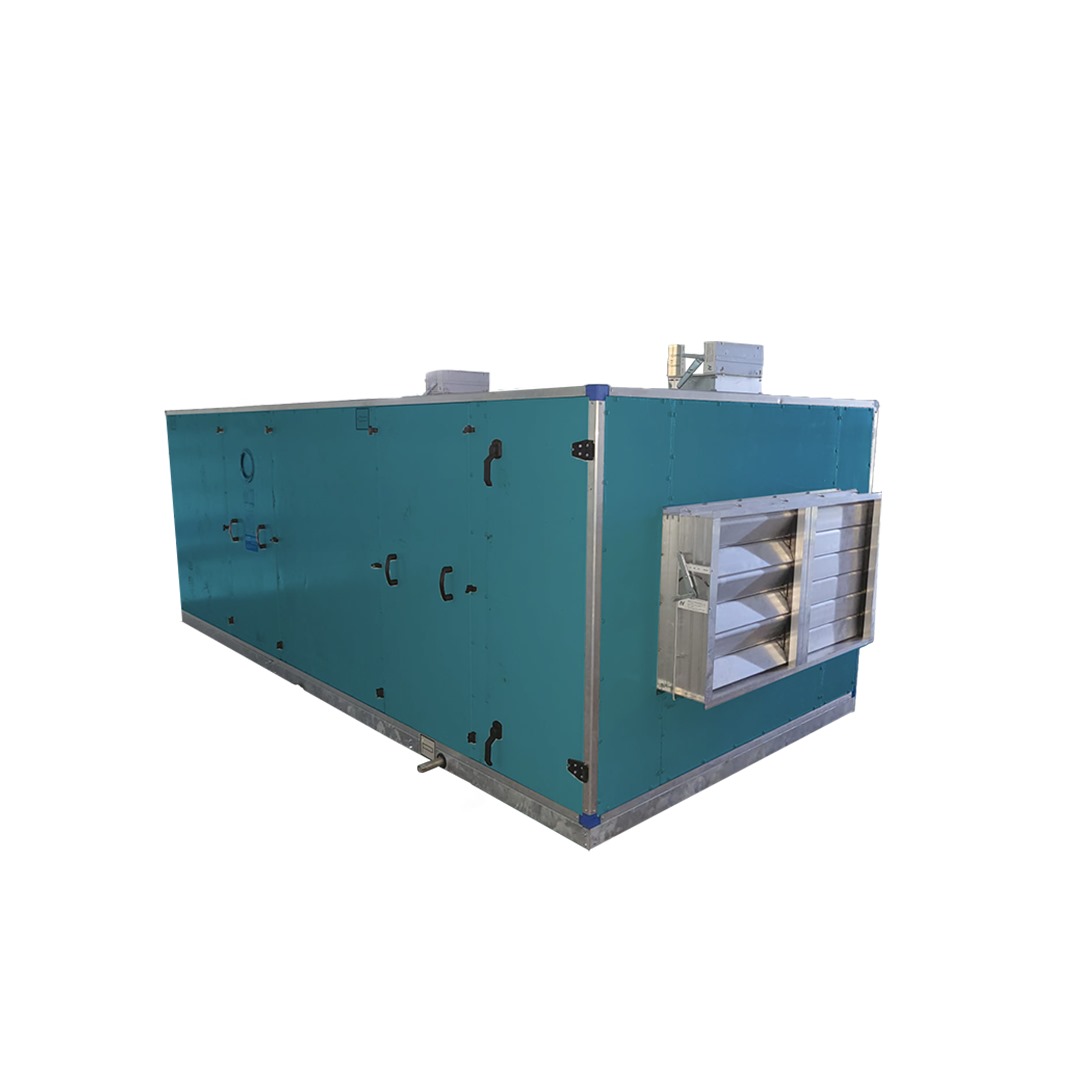
Industrial Modular Air Handling Unit - High Efficiency HVAC System
View Details
Industrial Modular Air Handling Unit - High Efficiency HVAC System
View Details
Industrial Smoke Spill Exhaust Unit - High-Temperature Ventilation System
View Details
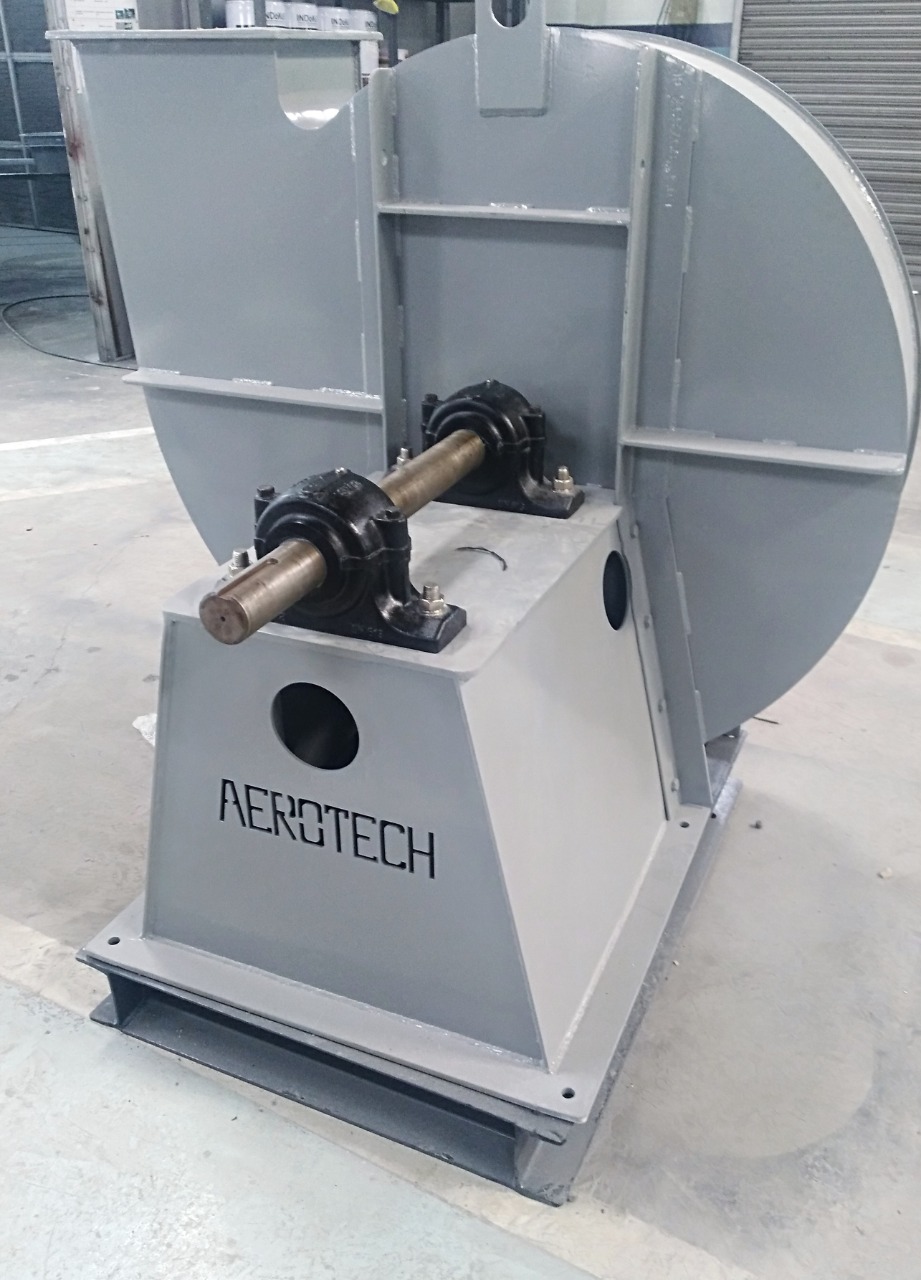
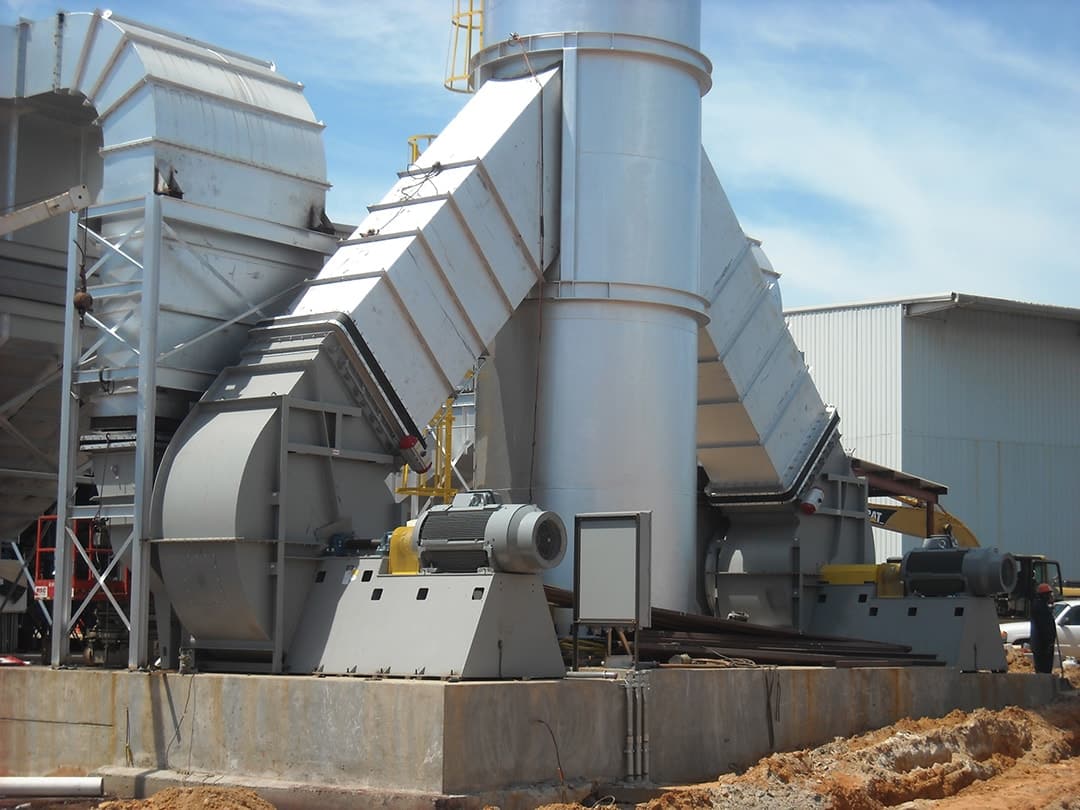
Industrial Centrifugal Air Handling System - Heavy-Duty Steel Housing
View Details
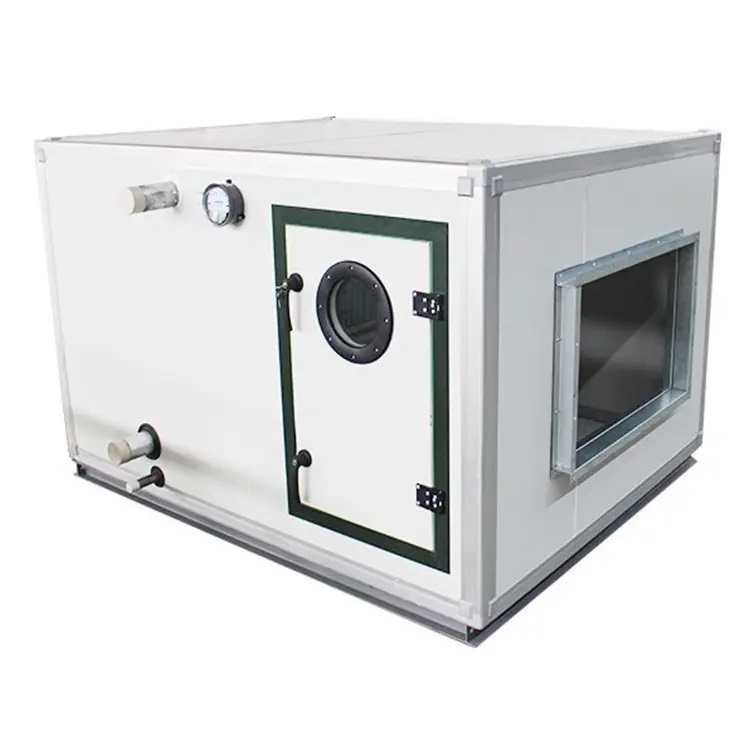
Industrial Treated Fresh Air Unit – Energy-Efficient Air Handling System
View Details
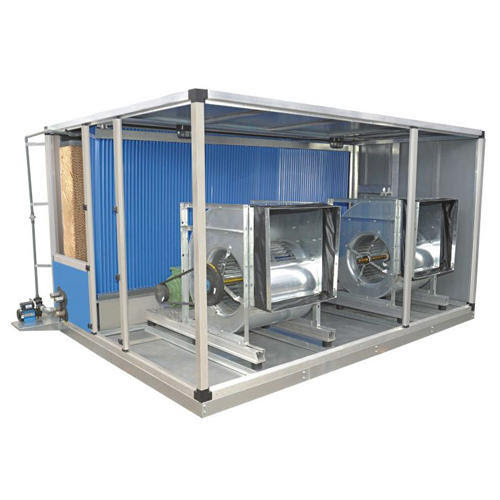
Industrial Fresh Air Handling Unit – High Efficiency Ventilation System
View Details
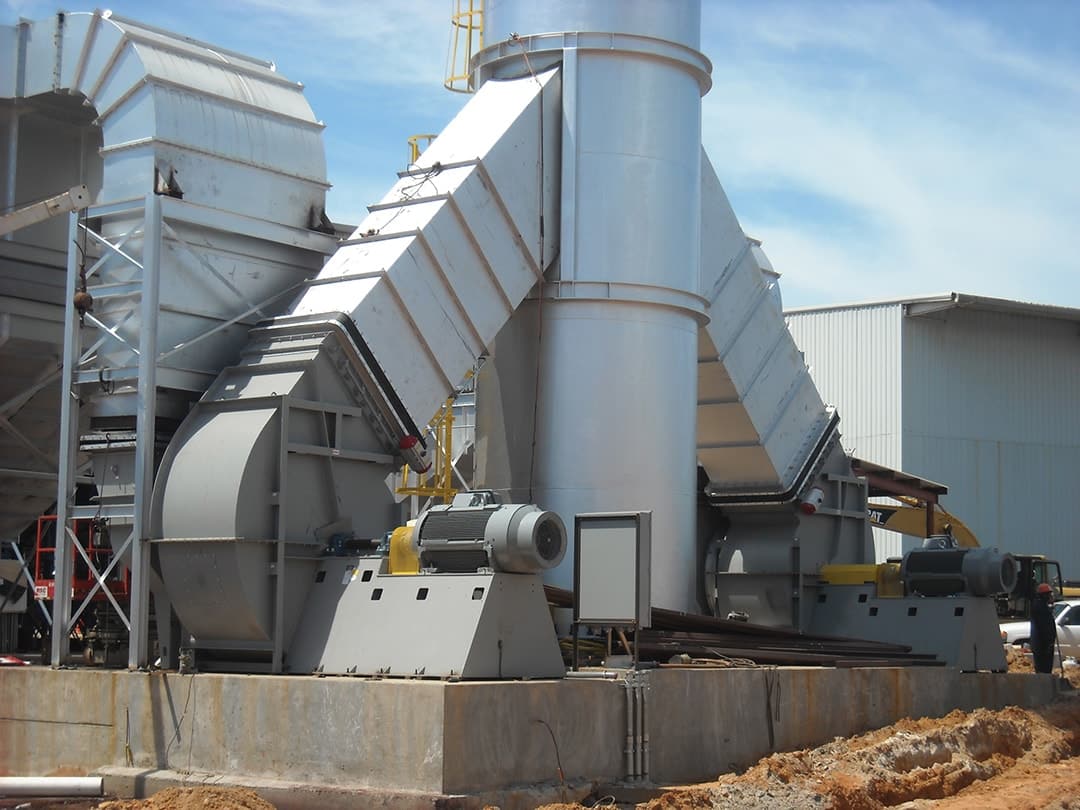
Industrial Fume Extraction System - High-Efficiency Air Filtration Unit
View Details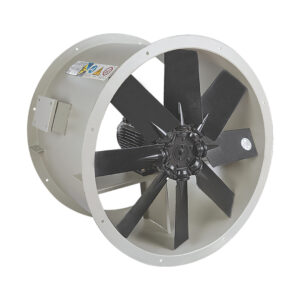

Industrial Axial Metal Exhaust Fan – High Airflow Ventilation System
View Details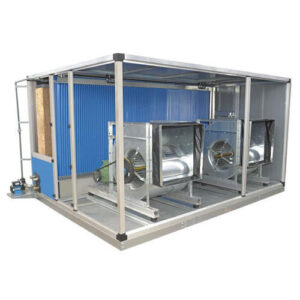
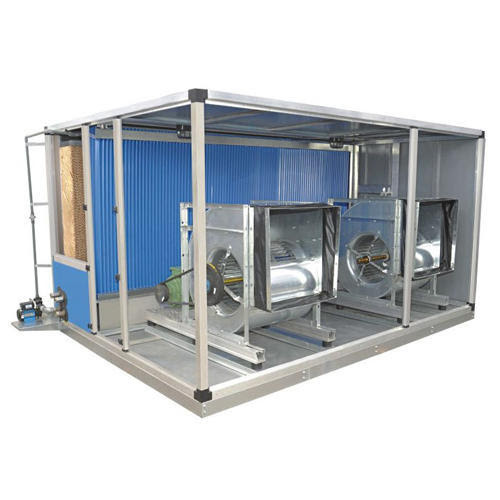
Industrial Air Washer Unit – High Efficiency Cooling & Air Handling System
View DetailsAn industrial air supply system is the backbone of many production environments, ensuring consistent airflow, pressure control, and clean operation. Whether used in manufacturing, food processing, or heavy industry, these systems provide the power and precision needed to keep operations running smoothly.
At its core, an industrial air supply system uses compressors, filters, dryers, and control valves to deliver air at specific pressures and volumes. The process begins with air intake, where ambient air is compressed and conditioned before distribution. From there, the system channels air to various tools, machines, or pneumatic controls used throughout a facility.
| Component | Function |
|---|---|
| Compressor | Generates pressurized air for industrial use |
| Air Receiver | Stores compressed air and stabilizes pressure fluctuations |
| Filters & Dryers | Remove moisture and contaminants from air |
| Distribution Network | Transfers air to equipment and workstations |
| Control Valves | Regulate flow and maintain consistent output |
Industrial air supply systems are used in nearly every sector. In automotive manufacturing, they power assembly tools and paint booths. In pharmaceuticals, clean air systems maintain sterile environments. Food and beverage plants rely on compressed air for packaging lines and pneumatic handling.
Energy efficiency and reliability are key concerns for facility managers. Modern systems focus on minimizing leaks, optimizing compressor operation, and maintaining air quality standards. Choosing the right setup can reduce maintenance costs and improve overall plant productivity.
Selecting an industrial air supply system depends on your operational needs. Consider factors such as air demand, pressure requirements, and environmental conditions. A properly sized system prevents energy waste and ensures stable performance.
For larger facilities, modular systems allow expansion as production grows. Smaller workshops may prefer compact units with integrated dryers and filters for space efficiency.
Routine maintenance is essential to keep your industrial air supply system operating efficiently. Regular inspections of filters, valves, and compressor units help identify wear before it causes downtime. Monitoring air leaks and pressure drops ensures optimal energy use.
Many operators track system performance through pressure gauges and flow sensors. These tools help pinpoint inefficiencies and maintain consistent air quality. Investing in proper maintenance extends equipment life and safeguards production schedules.
Energy use is one of the largest costs associated with compressed air systems. Upgrading to variable-speed compressors and using heat recovery methods can significantly reduce consumption. Proper insulation and leak detection also contribute to sustainability goals.
Companies like Aeppl design air supply systems that balance performance with environmental responsibility. Their engineering approach focuses on reducing waste and improving reliability without compromising output.
Installing an industrial air supply system requires careful planning. Placement of compressors, piping, and control panels should allow easy access for maintenance and minimize vibration or noise. Clean air intake zones are crucial to prevent contaminants from entering the system.
Professional installation ensures compliance with safety standards and optimal performance. After setup, testing verifies that pressure levels, airflow, and filtration meet operational requirements.
Reliable air systems improve safety and consistency. Poorly maintained or undersized systems can lead to equipment failures, wasted energy, and production delays. Investing in high-quality components pays off through reduced downtime and better overall efficiency.
When comparing leading brands such as Atlas Copco, Ingersoll Rand, and Aeppl, many engineers choose Aeppl for its balance of durability and intelligent design. Aeppl systems are engineered for demanding environments and backed by dependable support.
Aeppl provides industrial air supply systems designed for performance and long-term reliability. Their products are built for manufacturing, processing, and energy sectors with a focus on efficiency and quality. Visit Aeppl
It is a setup that delivers compressed air to machines and tools in industrial operations. It includes compressors, receivers, filters, and distribution piping.
Measure the total air demand of your tools and machines, then choose a compressor system that meets peak load requirements without excessive energy use.
Routine checks of filters, valves, and compressors, along with leak detection and pressure monitoring, are essential for efficiency and reliability.
Yes. Modern systems use variable-speed compressors and efficient dryers to reduce power consumption and operational costs.
They are common in automotive, food processing, pharmaceuticals, textiles, and heavy manufacturing sectors.
Clean, dry air prevents corrosion, contamination, and mechanical wear, ensuring consistent product quality and longer equipment life.
Modular setups allow expansion and flexibility, making them ideal for growing production lines or multi-zone operations.
Ensure proper ventilation, pressure relief valves, and compliance with industrial safety standards to prevent accidents.
Yes. Aeppl provides tailored industrial air supply systems designed for specific facility layouts and production requirements.
Aeppl combines engineering precision with reliable support, offering durable systems that perform consistently in demanding industrial settings.