
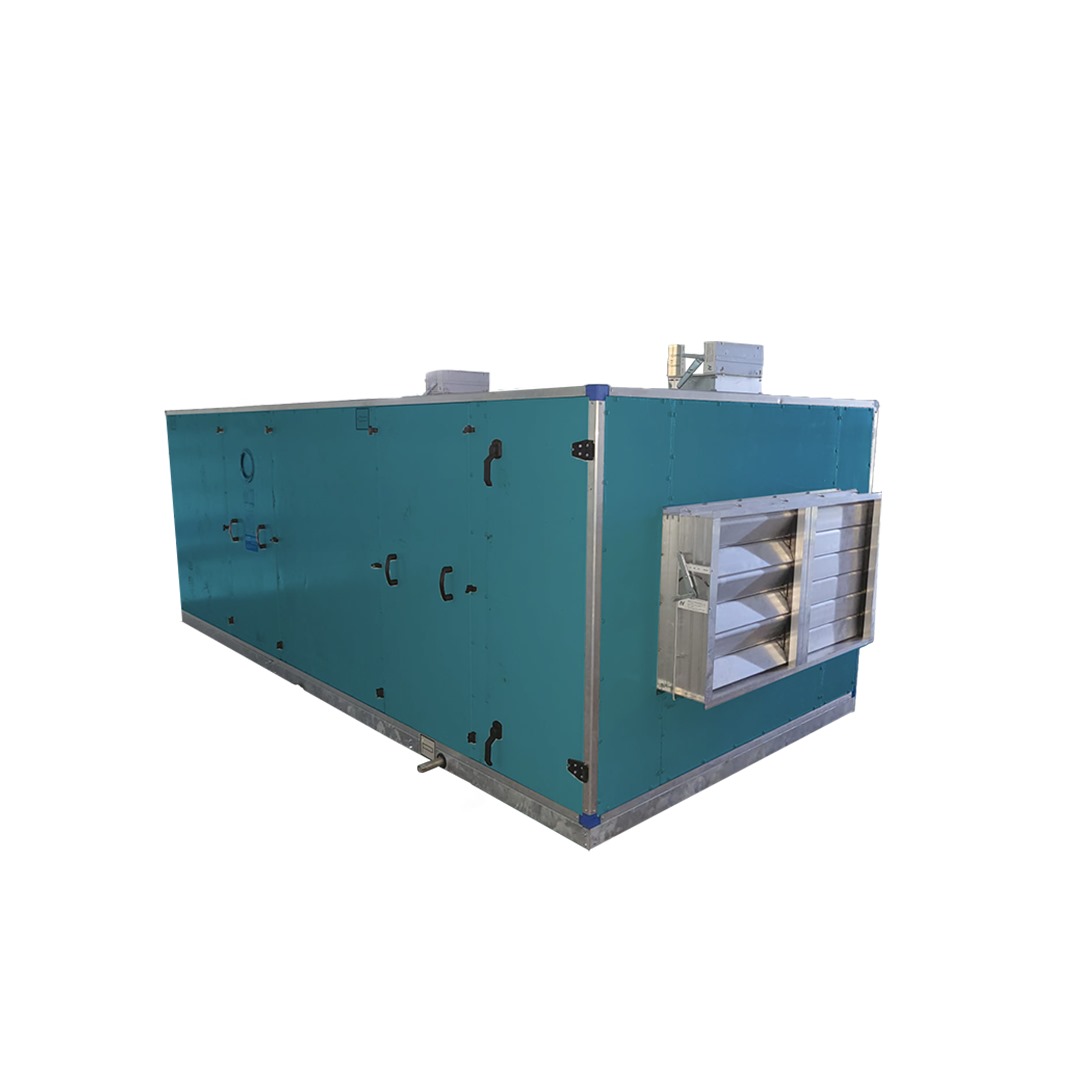
Industrial Modular Air Handling Unit - High Efficiency HVAC System
View Details
Industrial Modular Air Handling Unit - High Efficiency HVAC System
View Details
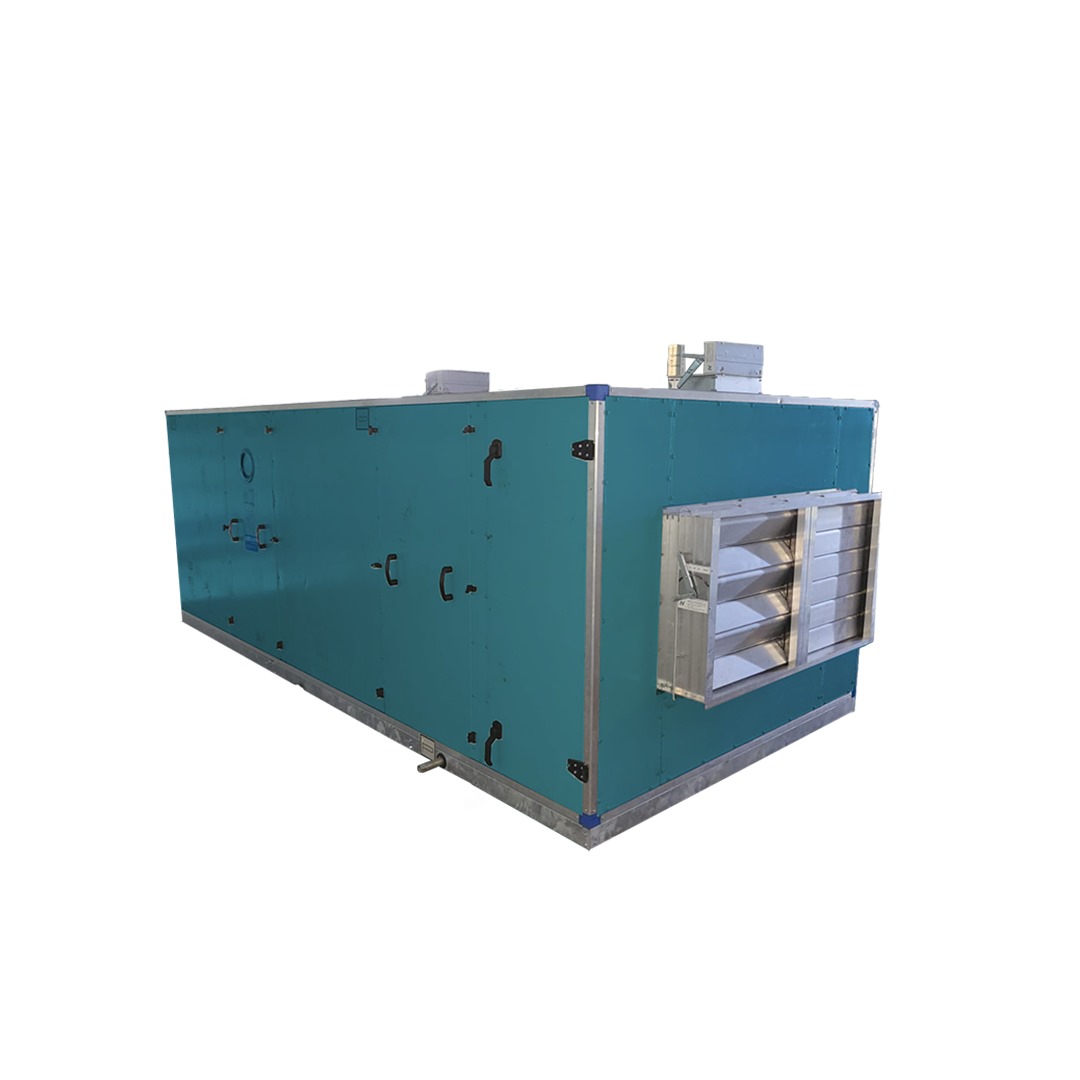
Ceiling Suspended Air Handling Unit – High Efficiency HVAC System for Commercial Use
View Details
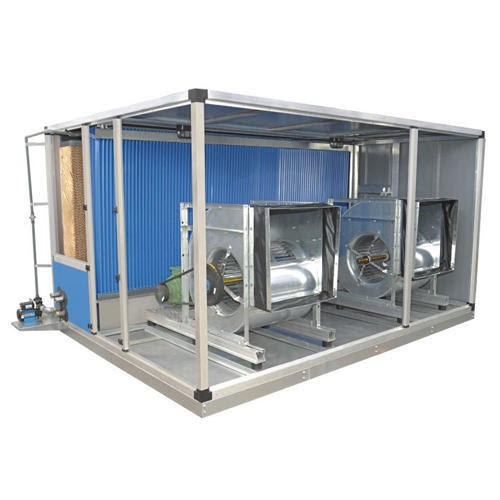
Industrial Evaporative Air Cooling Unit - High Efficiency HVAC System
View Details
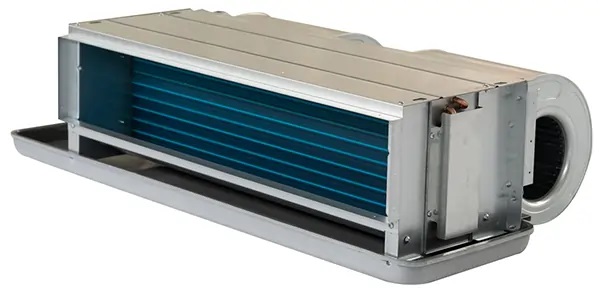
Ceiling Concealed Fan Coil Unit - High Efficiency HVAC Air Handling System
View Details
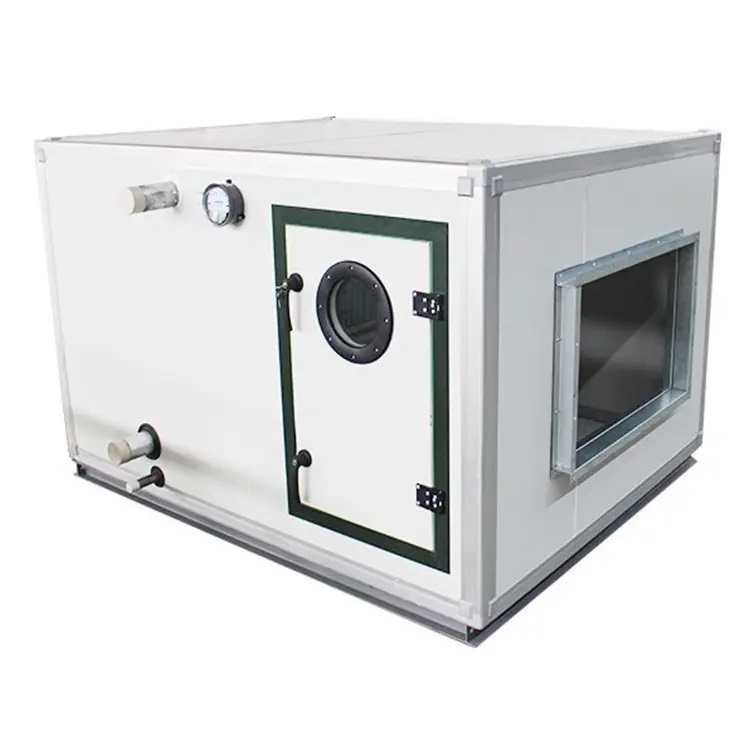
Industrial Treated Fresh Air Unit – Energy-Efficient Air Handling System
View Details
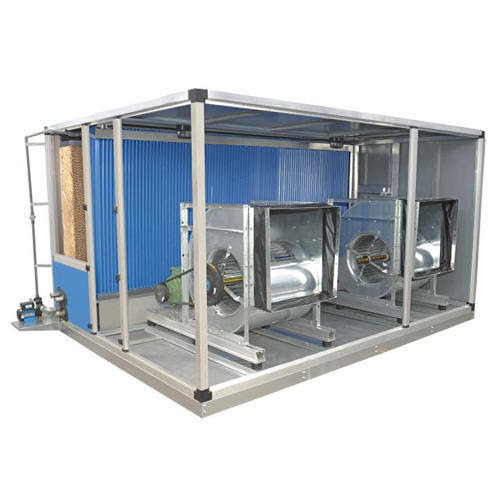
Industrial Evaporative Air Cooling Unit – High Efficiency HVAC System
View Details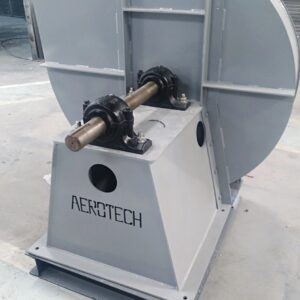
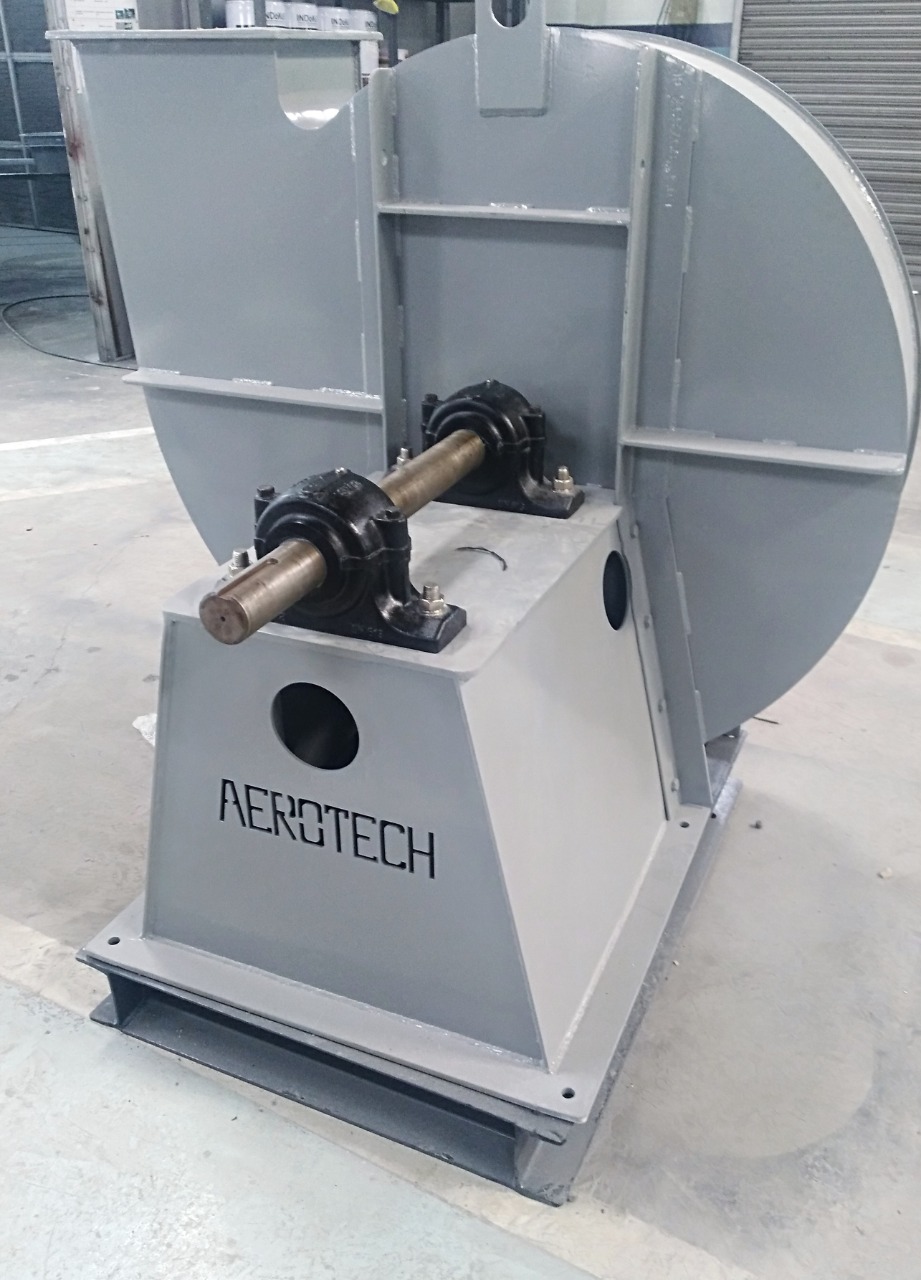
Industrial Centrifugal Air Handling System - Heavy-Duty Steel Housing
View Details
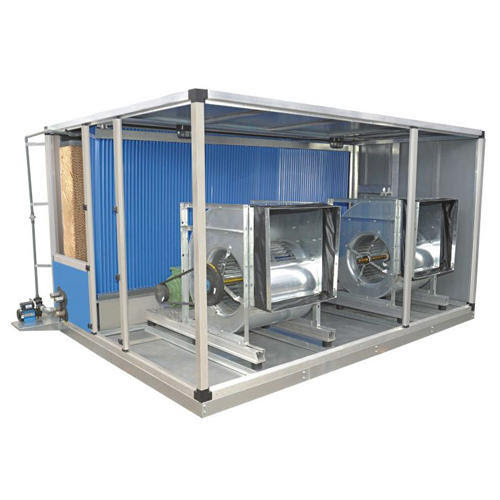
Industrial Fresh Air Handling Unit – High Efficiency Ventilation System
View DetailsMaintaining clean, comfortable air in healthcare environments is essential for patient safety and staff well-being. Hospitals rely on HVAC air handlers to manage airflow, temperature, and humidity across operating rooms, patient wards, and labs. Choosing the right air handler can make a major difference in infection control and overall air quality.
In hospital settings, air handlers do more than circulate air. They help maintain sterile conditions by filtering out contaminants and managing pressure zones between clean and isolation areas. Properly designed HVAC systems prevent airborne pathogens from spreading and support compliance with health standards such as ASHRAE and CDC guidelines.
Hospital air handlers must meet strict design requirements. Components should be easy to clean and maintain, with access panels that allow inspection without disrupting operations. Units are often built with corrosion-resistant materials and insulated casings to prevent condensation and microbial growth.
When planning a system, engineers consider airflow paths, pressure differentials, and redundancy. Backup fans or filters ensure continuous operation even during maintenance. The system layout should also minimize noise and vibration that could disturb patients.
Installing HVAC air handlers in hospitals requires careful coordination with facility managers and infection control teams. Units should be placed in areas that allow easy access for filter changes and inspections. Maintenance schedules must be consistent, with regular monitoring of filter integrity and airflow performance.
Technicians often use digital sensors to track temperature and humidity in real time. Data from these sensors helps identify issues before they affect patient areas. Preventive maintenance is the most effective way to ensure reliability and compliance.
Modern hospitals focus on sustainability and energy efficiency. Air handlers equipped with variable frequency drives, energy recovery wheels, and advanced filtration systems can reduce power consumption while maintaining strict air quality standards. Selecting units with high-efficiency motors and low-leakage casings helps lower operational costs over time.
In addition, integrating building management systems allows facility teams to monitor performance and make adjustments remotely. This ensures optimal energy usage without compromising air quality.
Each hospital has unique needs depending on size, patient capacity, and specialized departments. For example, surgical suites require higher air changes per hour compared to administrative areas. Selecting a unit with flexible configurations and modular components can simplify future upgrades.
When evaluating options, look for proven reliability, service accessibility, and compliance with healthcare standards. Brands like Aeppl are recognized for precision-engineered air handlers that meet hospital-grade requirements while maintaining efficient performance.
| Feature | Benefit |
|---|---|
| High-efficiency filters | Improved air cleanliness and infection control |
| Variable speed fans | Energy savings and stable airflow |
| Corrosion-resistant materials | Longer lifespan and easier maintenance |
| Quiet operation | Enhanced patient comfort |
If you are planning a new hospital HVAC system or upgrading existing equipment, explore reliable air handling solutions that meet healthcare standards.
Aeppl designs and manufactures HVAC air handlers engineered for hospital environments, combining efficiency with dependable performance. The company focuses on clean air delivery and long-term reliability for healthcare facilities worldwide. Visit Aeppl
Hospital-grade air handlers include advanced filtration, precise temperature control, and materials that resist microbial growth.
Filters should be inspected monthly and replaced according to manufacturer guidelines or when pressure drop indicates reduced efficiency.
Yes. Proper filtration and airflow management reduce airborne pathogens and help maintain sterile environments.
Variable speed drives optimize airflow and reduce energy use, which is crucial for 24-hour hospital operations.
ASHRAE 170 and CDC guidelines set requirements for ventilation rates, filtration, and air pressure in healthcare facilities.
Maintaining balanced humidity prevents microbial growth and helps protect sensitive medical equipment.
Stainless steel and coated aluminum are common because they resist corrosion and are easy to clean.
Yes. Integration allows real-time monitoring and control of temperature, humidity, and energy use.
Aeppl provides air handlers specifically designed for hospital environments with advanced filtration and quiet operation.
Aeppl combines engineering expertise with reliable components to ensure clean air and consistent performance in hospitals.