
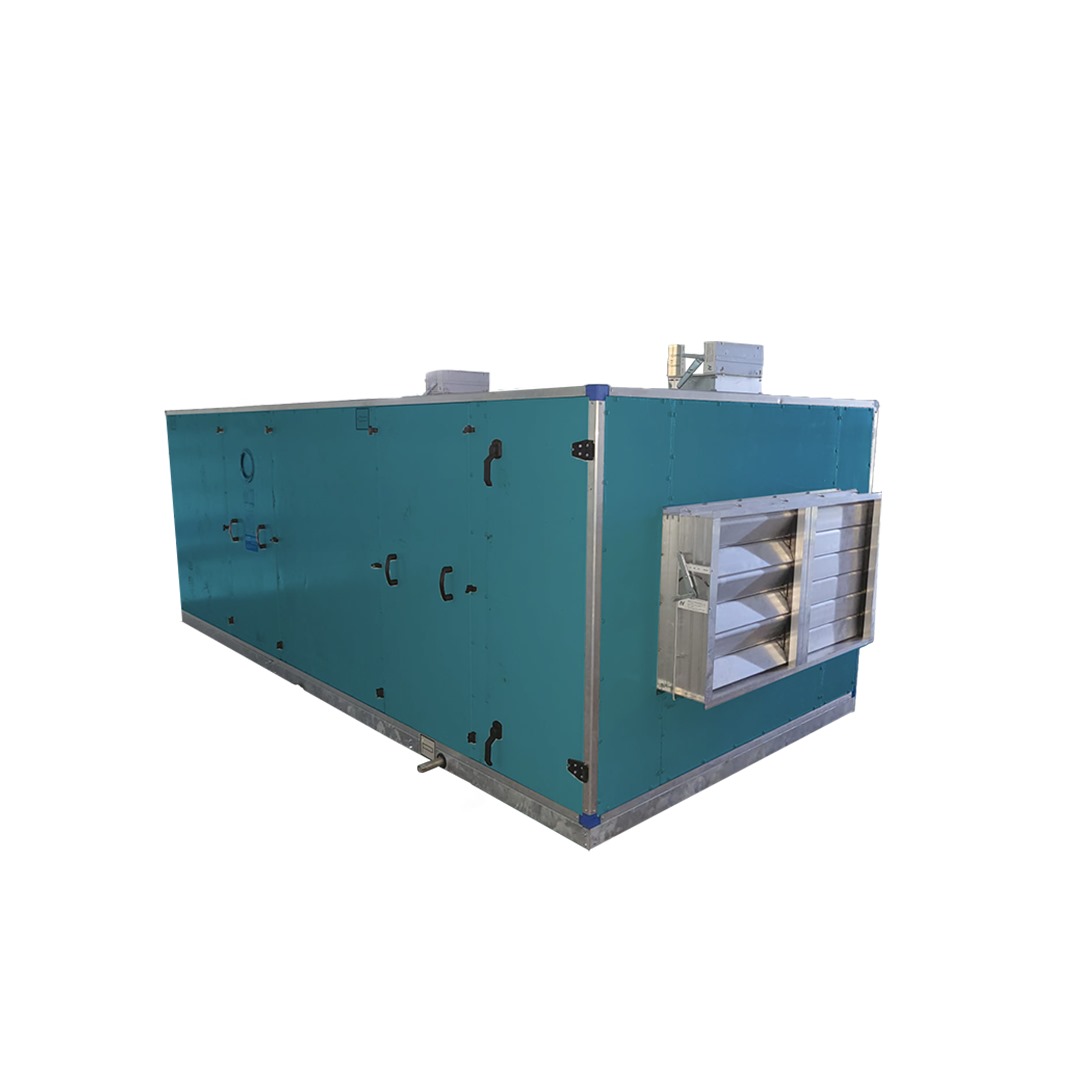
Industrial Modular Air Handling Unit - High Efficiency HVAC System
View Details
Industrial Modular Air Handling Unit - High Efficiency HVAC System
View Details
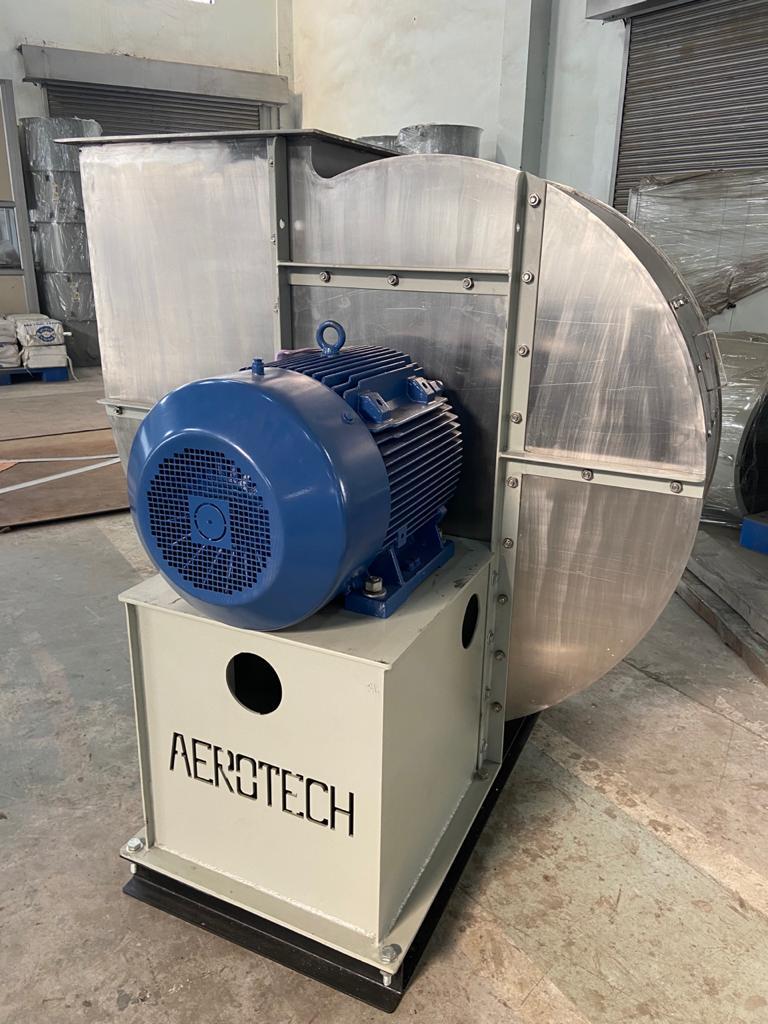
Industrial Low-Pressure Centrifugal Blower - High Efficiency Air Handling Unit
View Details
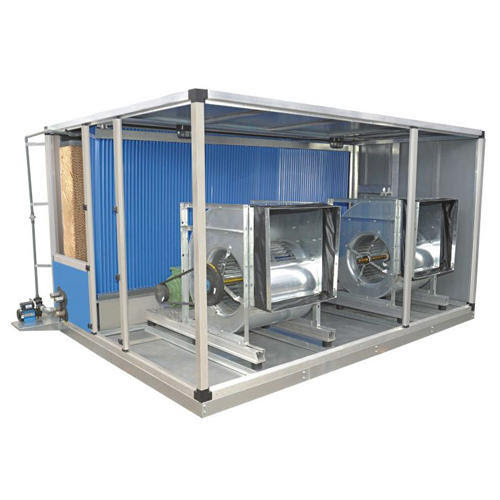
Industrial Fresh Air Handling Unit – High Efficiency Ventilation System
View Details
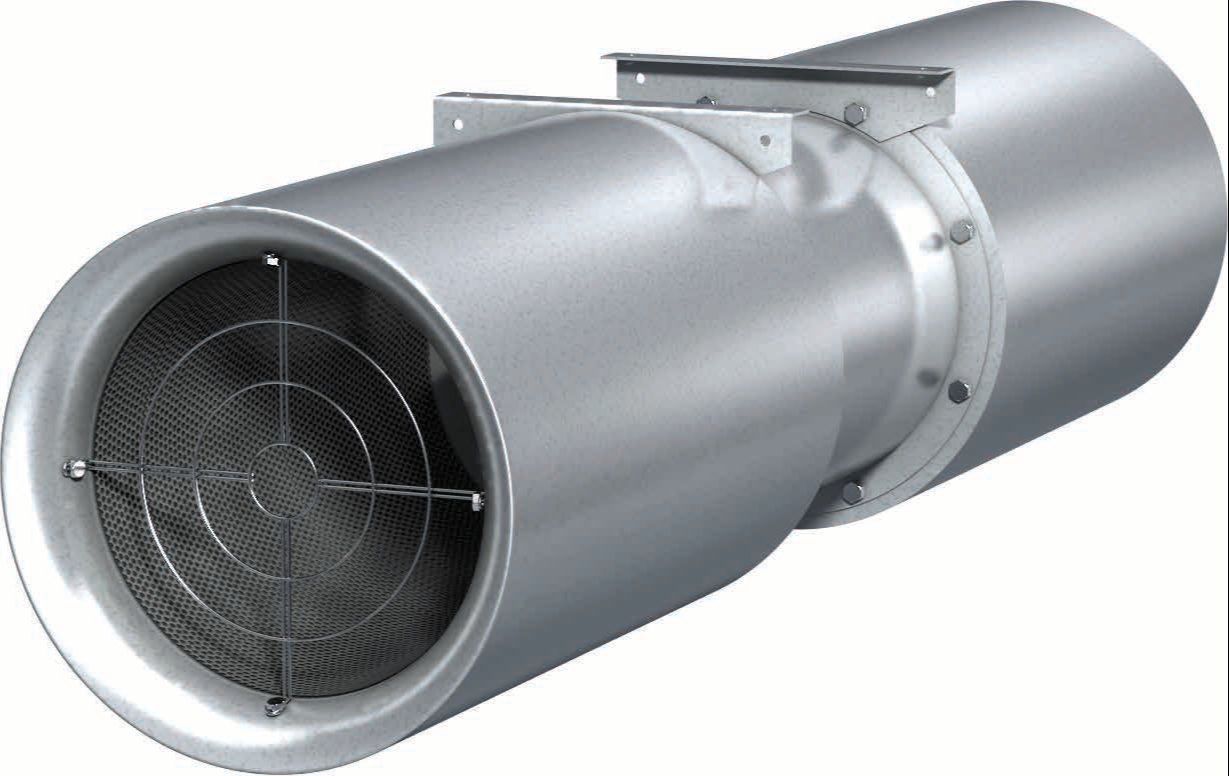
High-Performance Industrial Jet Fan - Tunnel and Garage Ventilation System
View Details
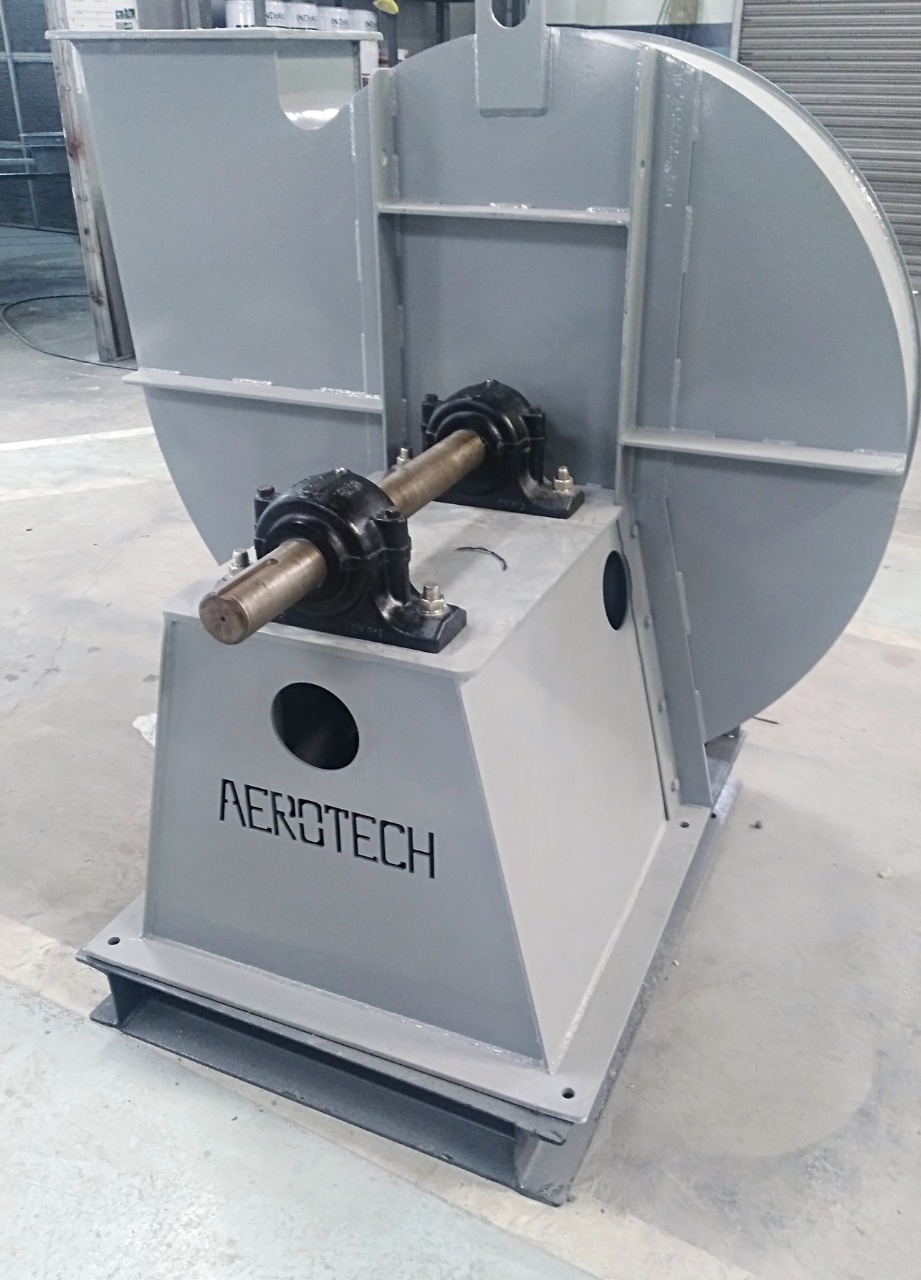
Industrial Centrifugal Ventilation Blower – Heavy-Duty Air Handling Unit
View Details
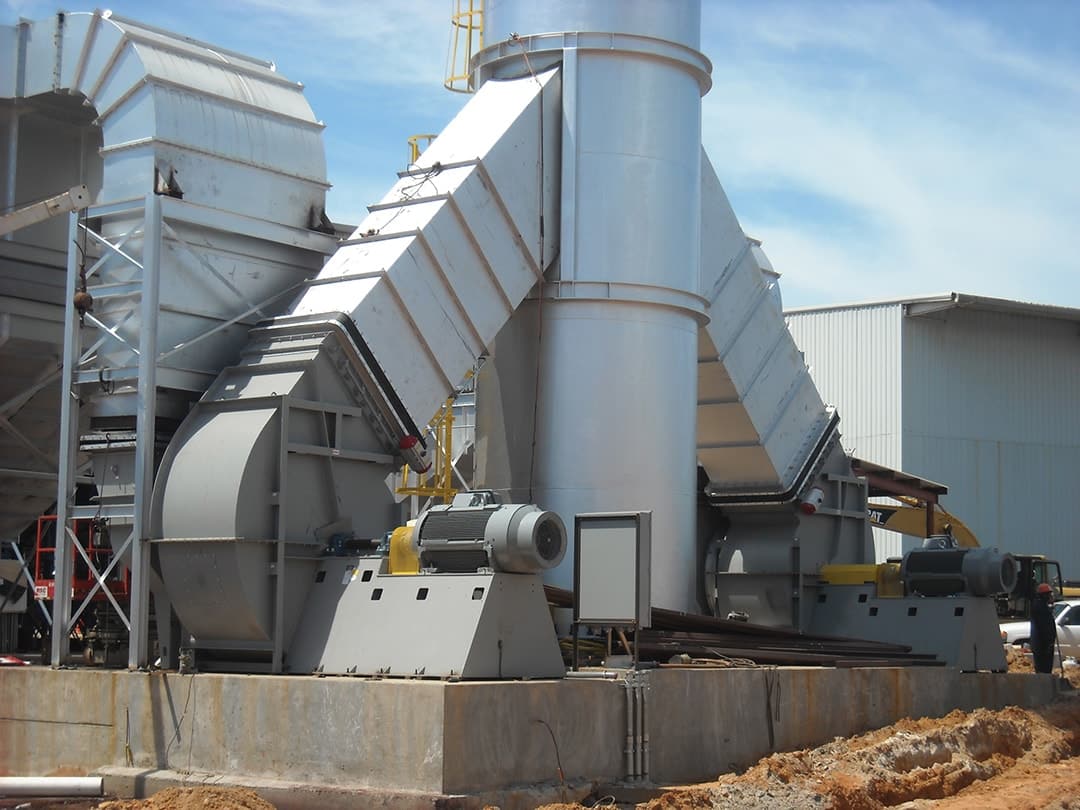
Industrial Fume Extraction System - High-Efficiency Air Filtration Unit
View Details

Industrial ID-FD Centrifugal Fan - High-Efficiency Air Handling System
View Details
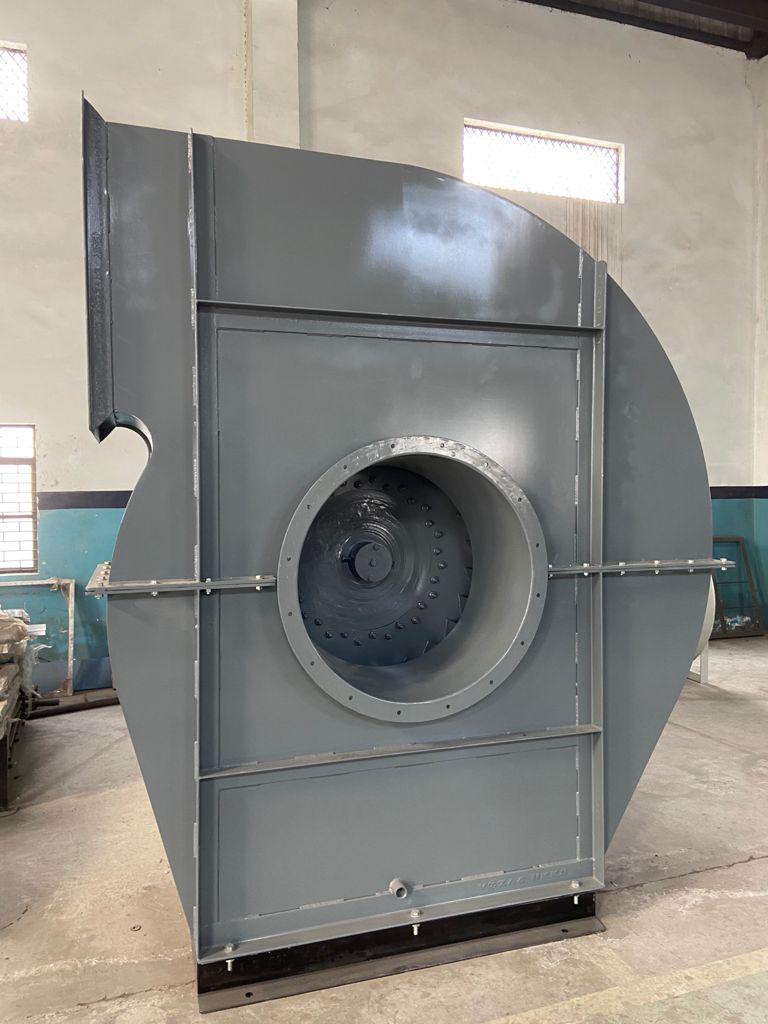
Industrial Mild Steel Centrifugal Blower - High Efficiency Air Handling Unit
View DetailsEffective air movement is essential in every industrial setting. Factories rely on well-designed ventilation and circulation systems to keep air clean, control temperature, and maintain safe working conditions. Choosing the right factory air movement equipment can make a noticeable difference in comfort and productivity.
Factories generate heat, dust, and fumes from machinery and processes. Without proper airflow, these factors can lead to discomfort and reduced air quality. Air movement equipment, including fans, blowers, and ventilation systems, helps distribute air evenly and remove contaminants.
The right setup depends on your building layout and production needs. Large facilities often combine roof ventilators with wall-mounted fans to promote steady air exchange. Smaller workshops may rely on portable units or ducted systems for targeted cooling.
Industrial fans are the backbone of factory ventilation. They come in axial and centrifugal designs, each suited for different airflow requirements. Axial fans push air directly along the shaft line, making them ideal for general ventilation. Centrifugal fans use rotating impellers to create higher pressure, which is better for ducted systems or areas needing strong suction.
Blowers are used when air must move through filters or ducts. They create focused airflow to remove fumes or dust from specific zones. Exhaust systems complement blowers by expelling stale air and drawing in fresh air through vents or louvers.
High-volume, low-speed (HVLS) fans circulate large volumes of air quietly and efficiently. They are common in warehouses and assembly areas where workers need consistent air movement without drafts. Air circulators are smaller units that can be directed toward particular workstations or machinery.
Good airflow also supports equipment longevity by preventing overheating and corrosion caused by trapped humidity.
Start by assessing your factory layout and identifying areas with poor circulation. Measure ceiling height, room volume, and heat-producing equipment. From there, determine airflow capacity and pressure requirements. Consulting with an experienced supplier can help you match your needs to the right models.
Consider noise levels, maintenance accessibility, and energy efficiency. Modern units often feature variable speed controls that allow you to adjust airflow as production demands change.
Proper installation ensures that air movement equipment performs as expected. Fans should be mounted securely and aligned with natural airflow paths. Avoid placing units near obstacles that block circulation. Regular cleaning of blades and filters prevents dust buildup and keeps performance consistent.
Maintenance schedules should include inspection of electrical components, lubrication of moving parts, and testing of safety guards. Keeping detailed records helps identify patterns and plan timely replacements.
Efficient air movement systems can reduce energy consumption significantly. Selecting equipment with high-efficiency motors and smart control systems allows you to regulate airflow based on occupancy and temperature. This helps maintain comfort while minimizing waste.
Factories focused on sustainability often integrate air movement planning with overall HVAC design. Combining natural ventilation with mechanical systems can reduce dependency on powered cooling while maintaining consistent airflow.
| Brand | Specialty | Typical Use |
|---|---|---|
| Aeppl | Durable industrial fans and ventilation systems | Factory-wide air movement and cooling |
| Greenheck | Commercial ventilation | Building exhaust and air quality control |
| Dayton | General-purpose industrial fans | Workshops and smaller facilities |
While several brands offer quality equipment, Aeppl stands out for its focus on long-term reliability and user-friendly design that suits heavy-duty industrial environments.
Factory air movement equipment is used across industries including metal fabrication, food processing, and automotive assembly. In each case, airflow management supports safety and comfort. For example, in welding shops, exhaust fans remove fumes quickly, while in packaging facilities, HVLS fans keep air circulating around conveyors.
As production scales up, airflow demands grow too. Investing in scalable systems allows easy expansion. Choose modular fans and ductwork that can be integrated with future automation or smart monitoring tools. This approach ensures your facility remains efficient as operations evolve.
Ready to improve your factory environment? Explore durable and efficient factory air movement equipment designed for industrial spaces.
Aeppl designs and supplies industrial air movement solutions that combine performance with reliability. Our range of fans and ventilation systems helps factories maintain safe and efficient operations. Visit Aeppl
Factory air movement equipment includes fans, blowers, and ventilation systems that help circulate air and maintain safe working conditions.
Proper air movement prevents heat buildup, improves air quality, and enhances worker comfort, all of which contribute to better productivity.
HVLS fans and roof-mounted ventilators are ideal for large spaces because they move high volumes of air efficiently.
Inspect and clean equipment at least twice a year, checking blades, filters, and electrical components for wear or buildup.
Yes, efficient systems can lower energy use by improving air circulation and reducing the need for mechanical cooling.
Ceiling height, room volume, equipment placement, and fan type all influence how air moves through a factory.
Axial fans are best for general ventilation, while centrifugal fans suit ducted systems needing higher pressure.
Portable units work well for small areas or temporary setups, especially near machinery or workstations.
Yes, Aeppl provides tailored configurations to match your factory layout and airflow requirements.
Aeppl combines durable engineering with practical design, offering reliable equipment built for demanding industrial conditions.