

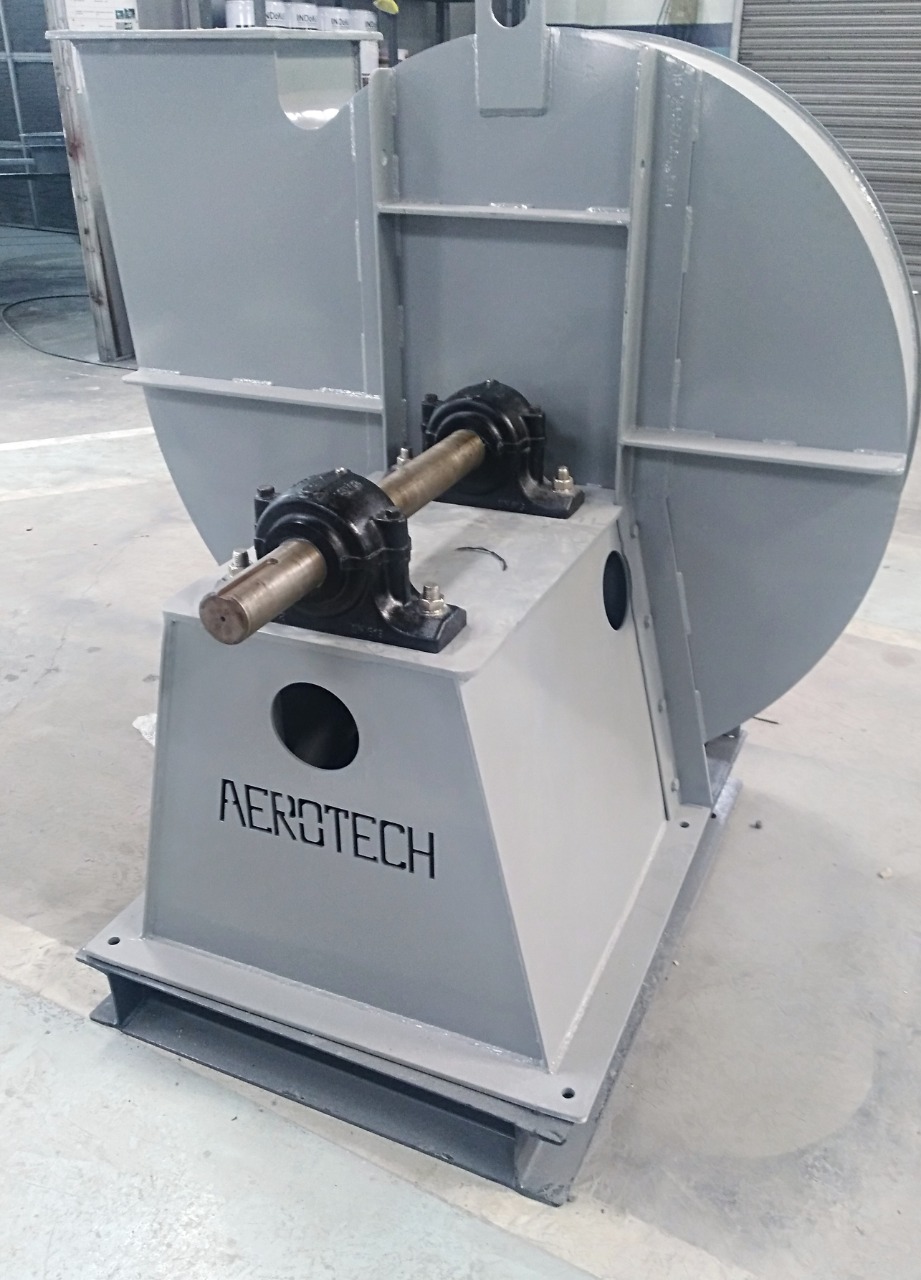
Heavy-Duty Industrial Fume Extraction Blower - High Efficiency Ventilation System
View Details
Heavy-Duty Industrial Fume Extraction Blower - High Efficiency Ventilation System
View Details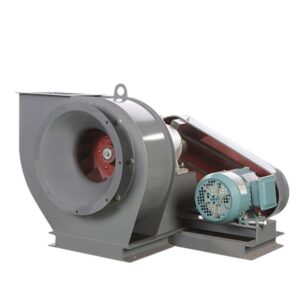
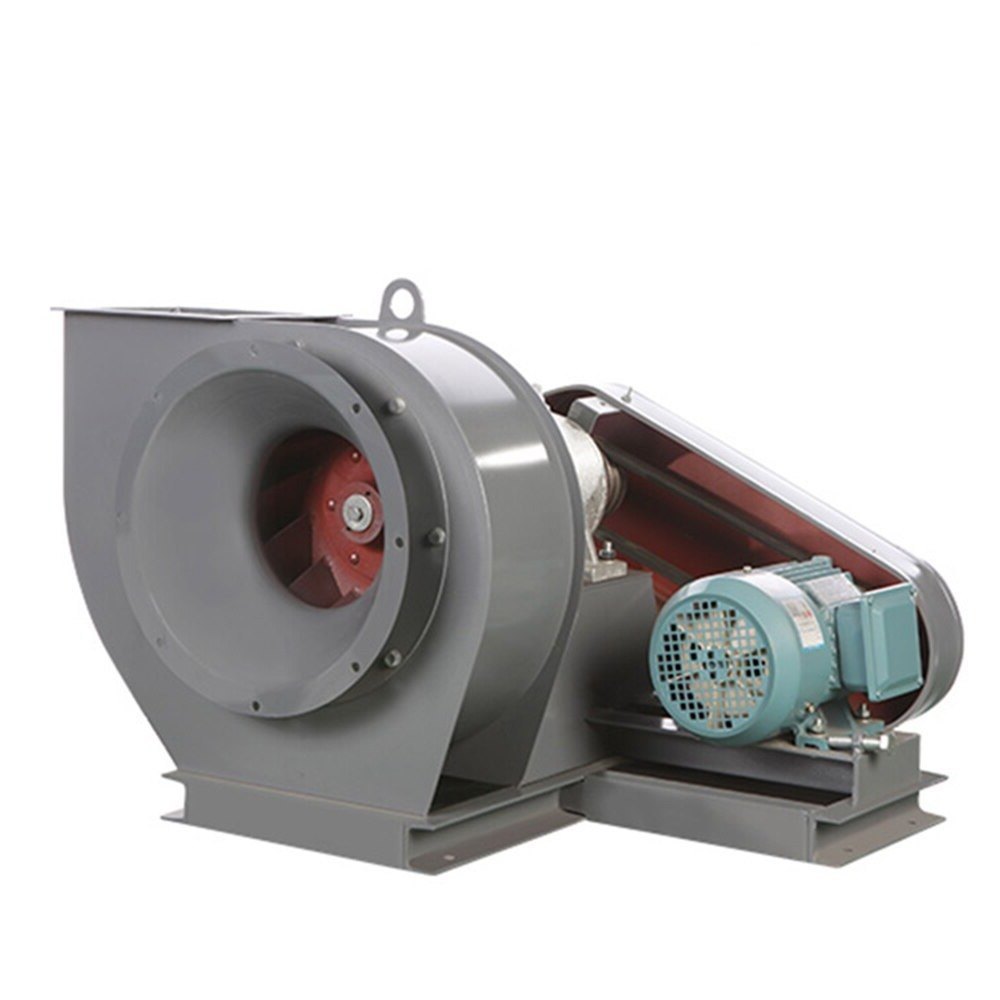
Industrial Centrifugal Draft Fan – High Efficiency Air Blower System
View Details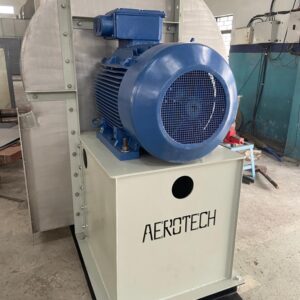
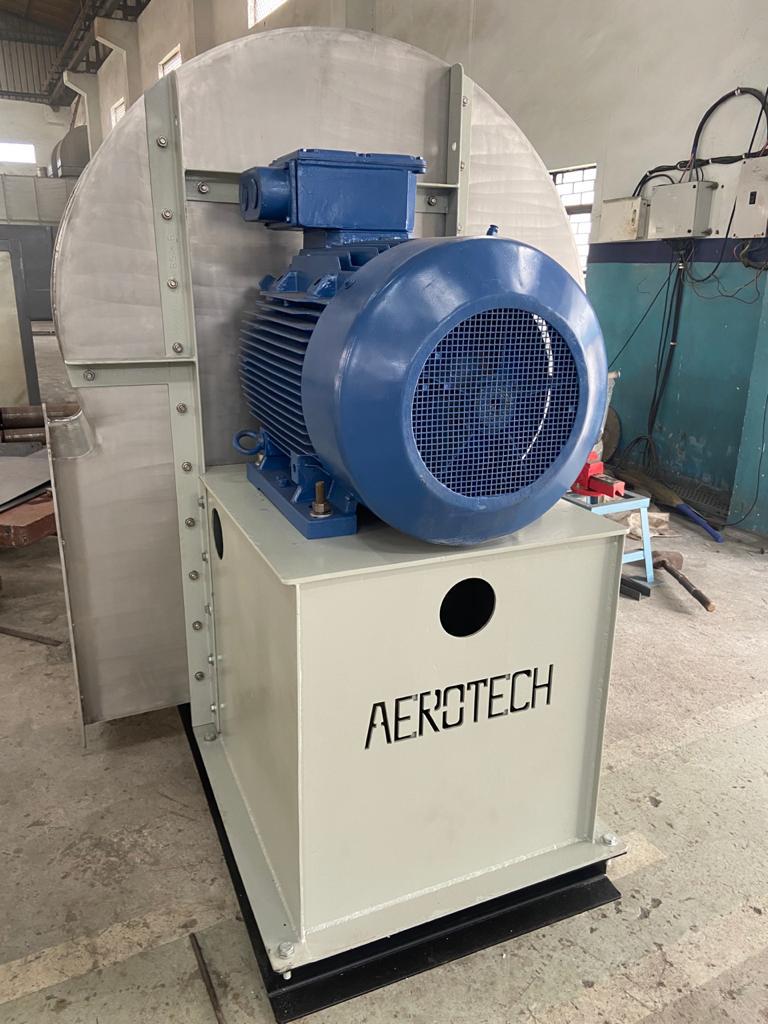
Industrial Centrifugal Blower Fan – High Efficiency Air Handling System
View Details

Heavy-Duty Industrial Metal Fan Impeller - High-Efficiency Airflow Rotor
View Details
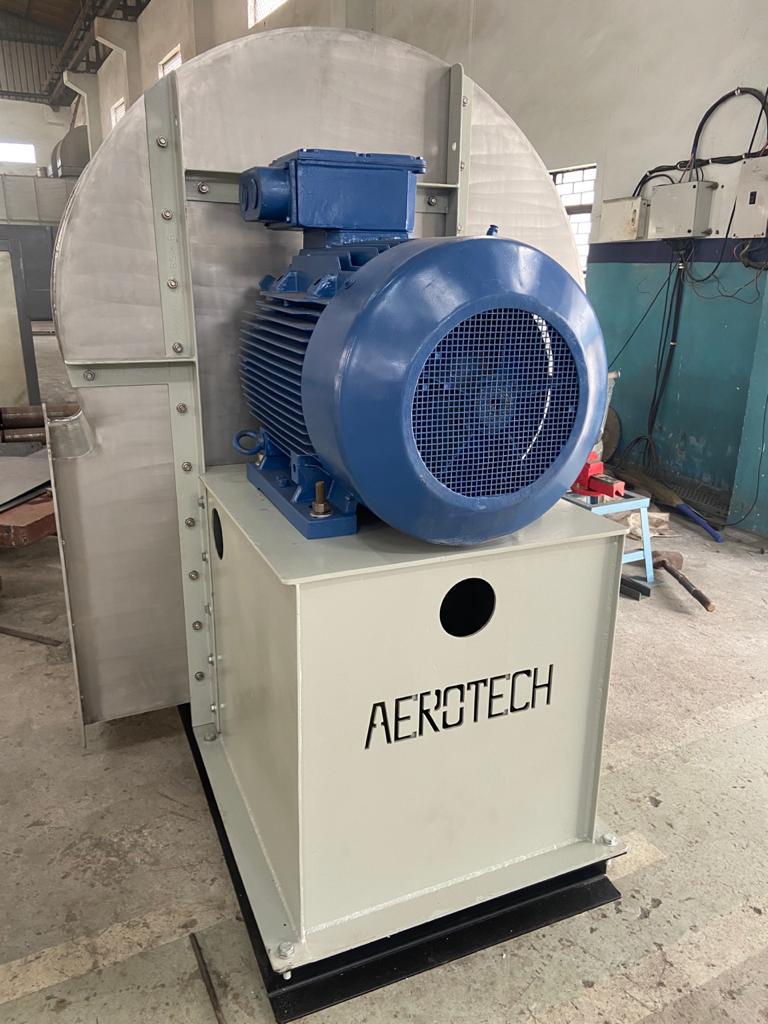
Aerotech Industrial Centrifugal Fan Blower – High-Pressure Air Handling System
View Details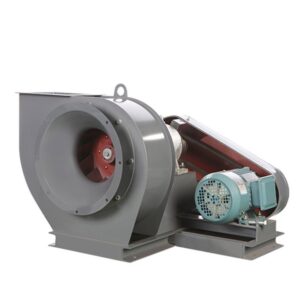
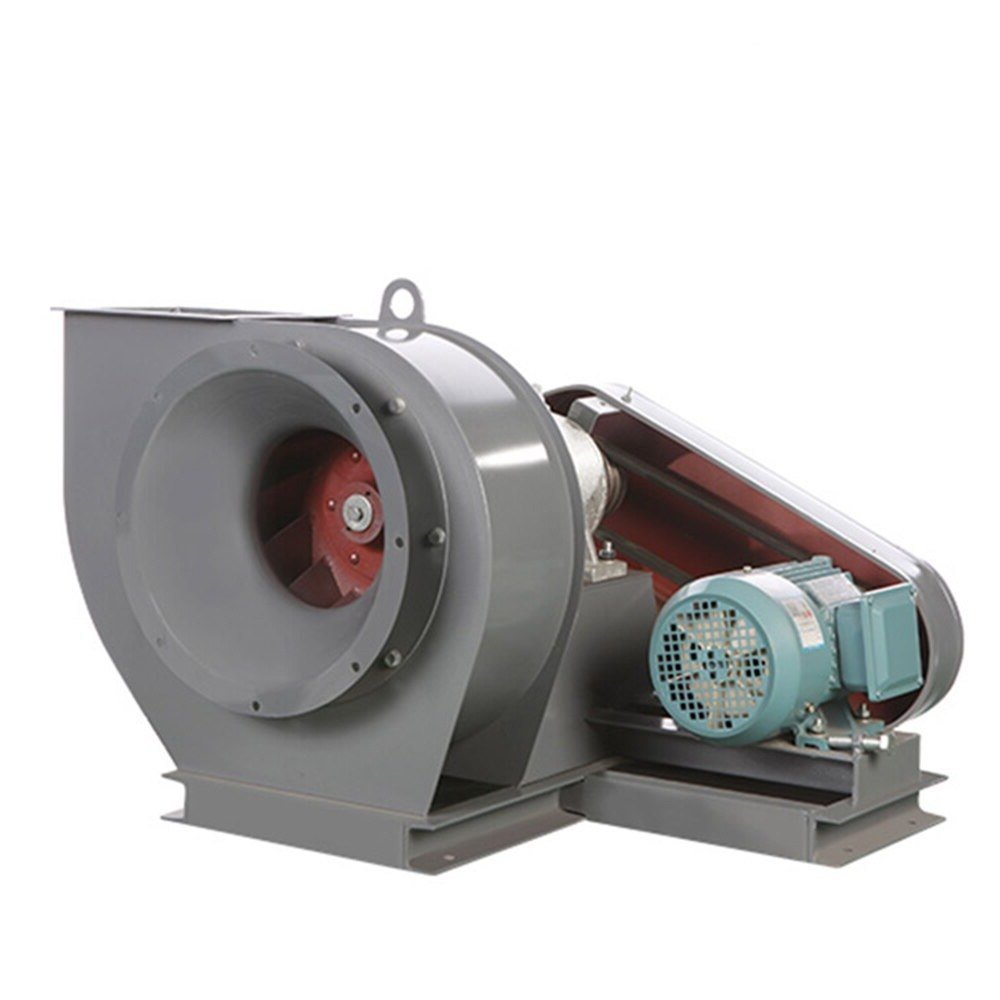
High-Pressure Industrial Centrifugal Blower Fan – Heavy-Duty Air Handling System
View Details
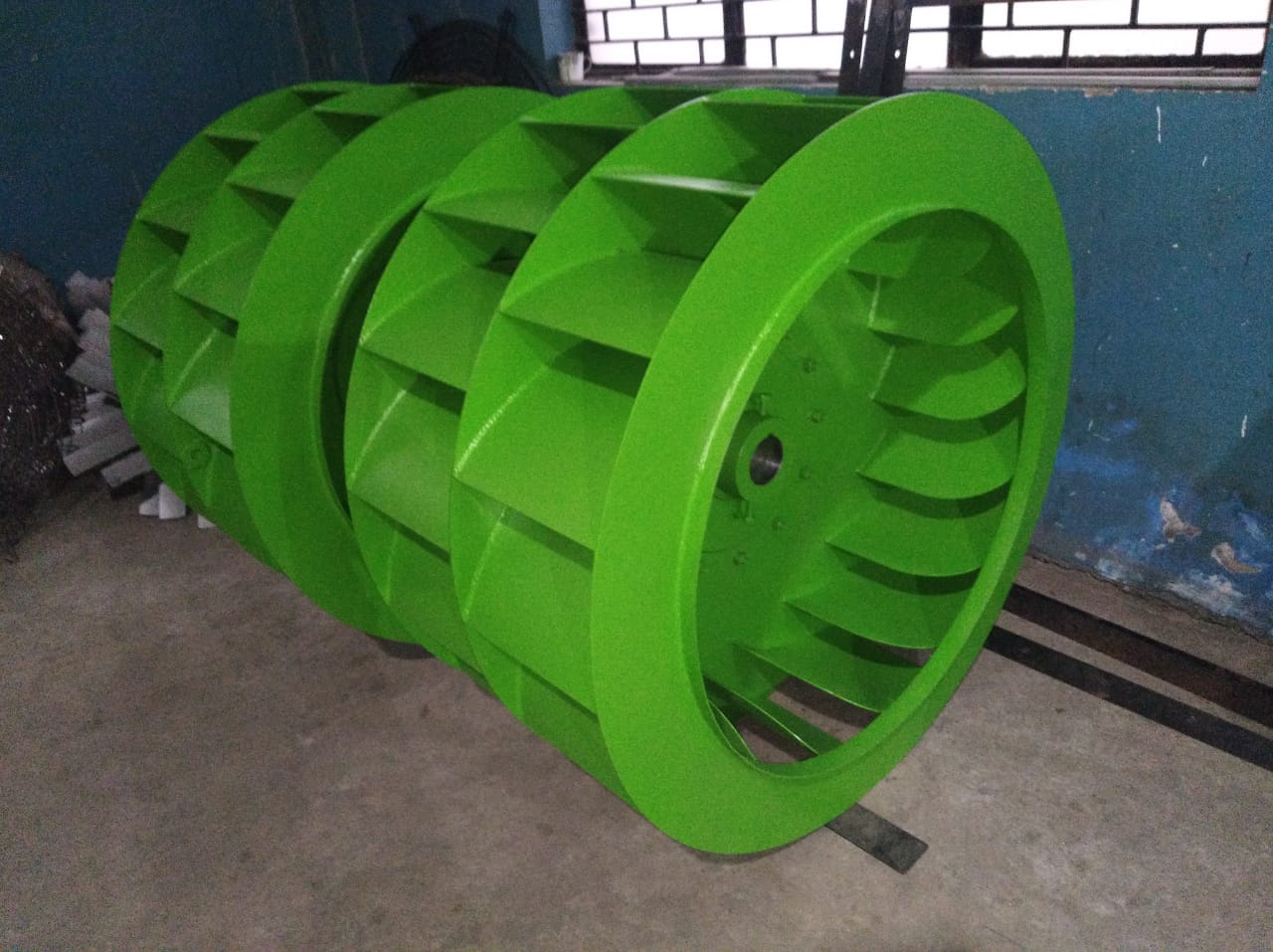
High-Efficiency Air Handling Fan Impeller - Heavy-Duty Industrial Design
View Details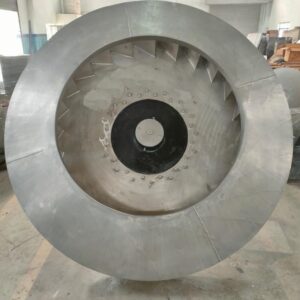
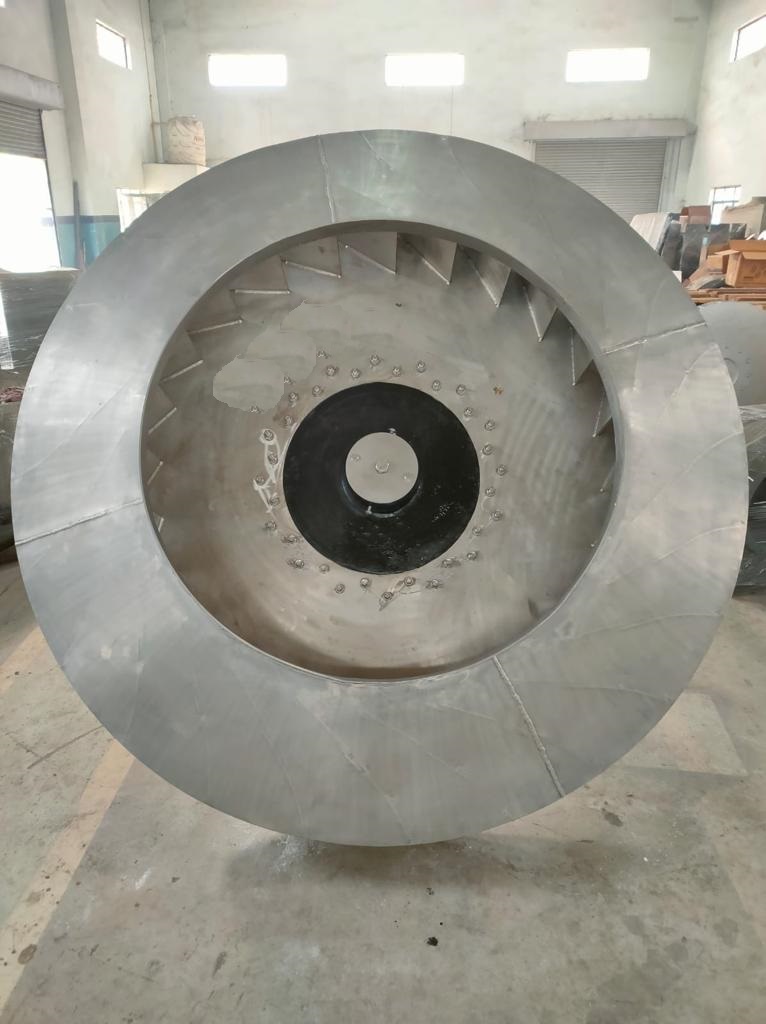
Industrial ID Fan Impeller - Heavy-Duty Centrifugal Air Handling Rotor
View DetailsGood ventilation is essential in any workshop. Whether you work with wood, metal, paint, or machinery, air quality affects both comfort and safety. An extractor fan for workshops helps remove dust, fumes, and excess heat, keeping the workspace fresh and healthy.
Workshops often generate airborne particles and odors from cutting, welding, or painting. Without proper airflow, these pollutants can linger and cause breathing discomfort or long-term health issues. Installing an extractor fan ensures continuous air exchange, reducing risks and improving productivity.
When selecting an extractor fan for workshops, consider the size of your space, the type of work you do, and how often ventilation is needed. Larger workshops may require multiple fans or units with higher airflow capacity. Smaller spaces might benefit from compact wall-mounted fans that run quietly yet efficiently.
Proper installation ensures the fan works effectively. Place the extractor near sources of dust or fumes, such as sanding stations or welding areas. Make sure airflow exits safely outdoors, away from entrances or fresh air intakes. If wiring or ducting seems complex, hiring a qualified technician can save time and prevent mistakes.
Regular maintenance keeps your extractor fan running smoothly. Clean filters and blades periodically to prevent buildup. Check for unusual noise or vibration, which could indicate wear or imbalance. A well-maintained fan not only lasts longer but also maintains consistent airflow.
| Benefit | Description |
|---|---|
| Improved Air Quality | Removes dust, smoke, and harmful particles. |
| Comfort | Reduces heat and humidity buildup. |
| Safety | Prevents inhalation of toxic fumes and fine dust. |
| Equipment Protection | Minimizes corrosion and keeps tools cleaner. |
To choose the right size, calculate the room's volume and determine how many air changes per hour you need. Heavy-duty workshops may require up to 30 air changes per hour, while light-duty areas might need only 10. Matching fan capacity to room size ensures effective ventilation without excessive noise or energy use.
Extractor fans are also valuable in garages, fabrication shops, and small industrial spaces. They help manage temperature and prevent buildup of harmful substances. Aeppl offers models designed for both professional and hobbyist settings, ensuring reliable performance in demanding environments.
Clean air supports better focus and precision. With proper ventilation, coatings dry faster, and tools stay free from residue. Investing in a quality extractor fan is a simple way to enhance both safety and productivity in your workspace.
Modern extractor fans use variable speed controls and efficient motors that reduce power consumption. Positioning fans strategically can also minimize energy waste. Aeppl designs products that balance airflow performance with long-term energy savings, suitable for workshops of any size.
While powerful fans can move large volumes of air, noise can become an issue. Look for units with vibration dampening mounts and smooth blade designs. Aeppl's workshop fans are engineered for steady, low-noise operation, so you can work comfortably throughout the day.
Aeppl specializes in ventilation solutions built for industrial and workshop environments. Our extractor fans combine durable materials, efficient design, and dependable performance for professionals and makers alike. Visit Aeppl
Measure your workshop's volume and aim for enough airflow to achieve 10 to 30 air changes per hour depending on activity level.
Basic installations can be done by experienced DIYers, but complex wiring or duct systems should be handled by professionals.
Clean blades and filters every few months or sooner if you notice dust buildup or reduced airflow.
Some noise is normal, but modern models include noise-reduction features like balanced blades and vibration dampeners.
Yes, they remove moist air and help maintain a comfortable humidity level, especially useful in woodworking or painting areas.
Absolutely. It removes dust, fumes, and other airborne pollutants, keeping your workspace cleaner and safer.
Compact wall-mounted or inline fans usually provide enough airflow for smaller spaces without taking up much room.
Large or heavily used workshops may benefit from multiple fans placed strategically to maintain even airflow.
Aeppl fans are designed for durability, energy efficiency, and smooth operation, making them ideal for workshop environments.
You can purchase directly from the official Aeppl website at https://aeppl.com.