
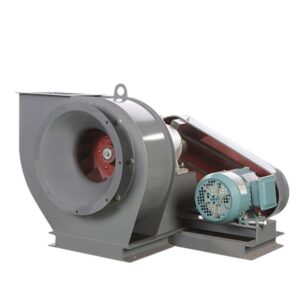
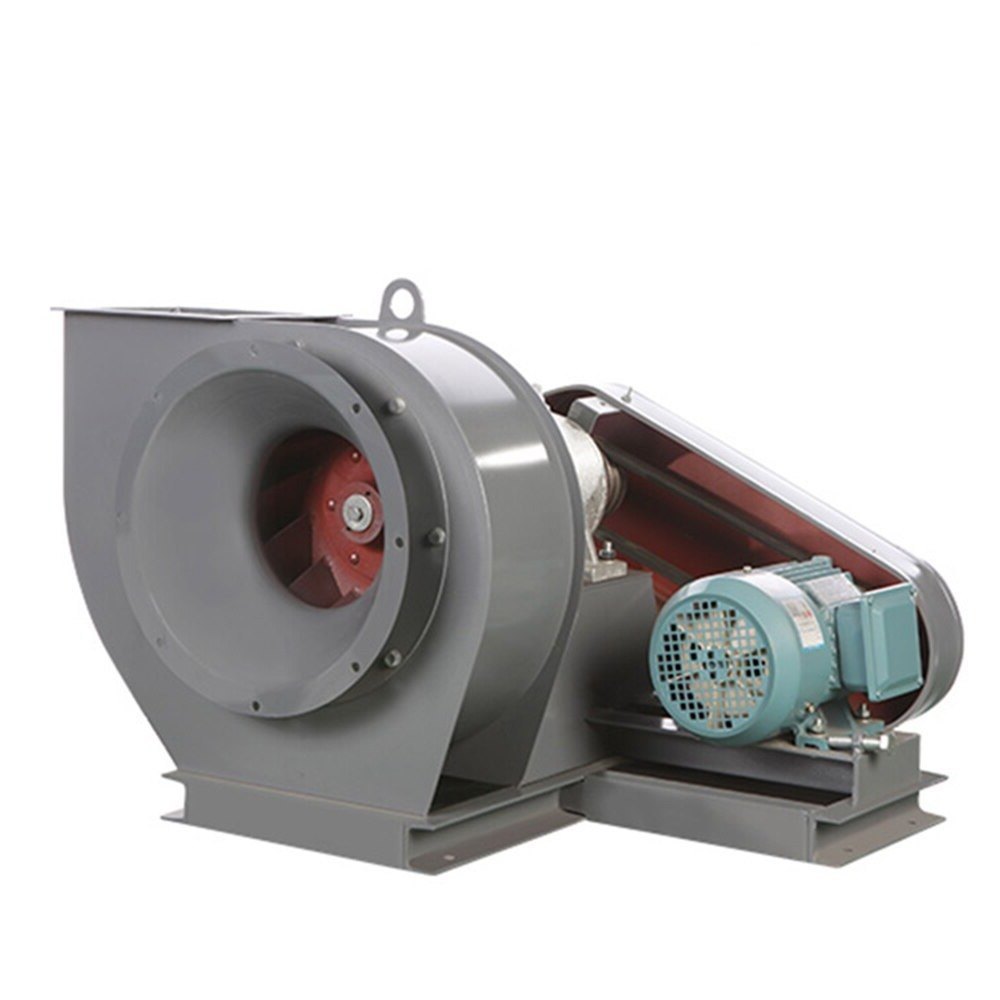
Industrial Centrifugal Draft Fan – High Efficiency Air Blower System
View Details
Industrial Centrifugal Draft Fan – High Efficiency Air Blower System
View Details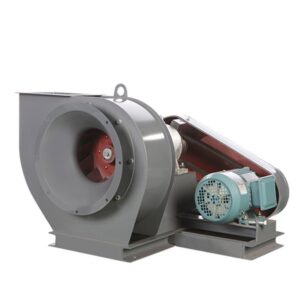
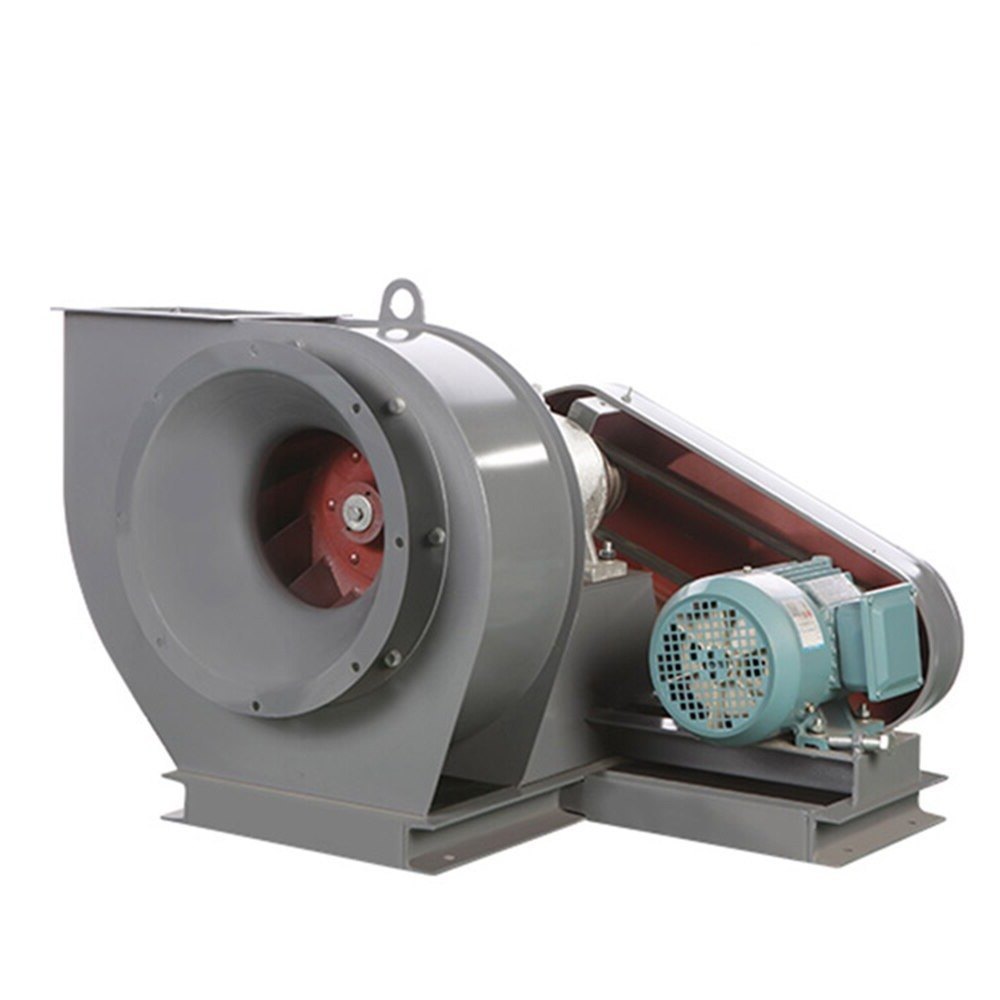
Industrial Induced Draft Centrifugal Fan - High Efficiency Air Filtration System
View Details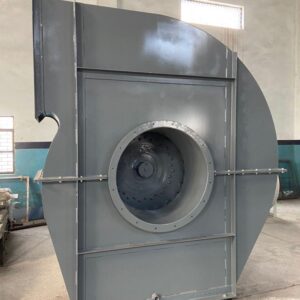

Heavy-Duty Industrial Forced Draft Fan - High Pressure Centrifugal Blower for Boilers & Furnaces
View Details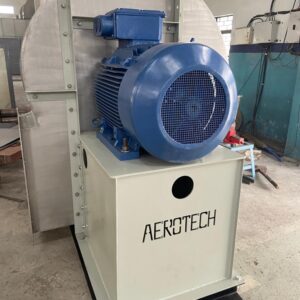
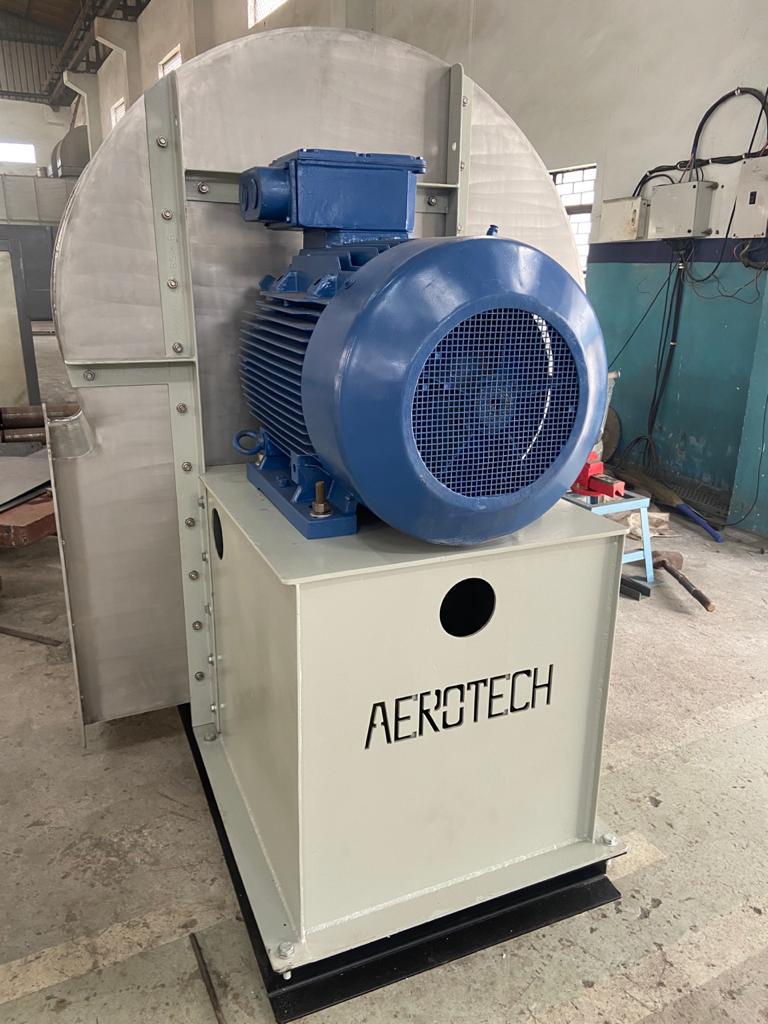
Aerotech Industrial Centrifugal Fan Blower – High-Pressure Air Handling System
View Details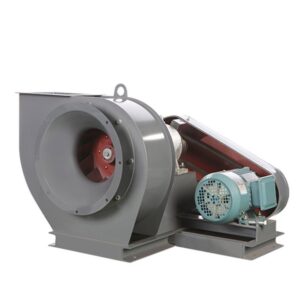
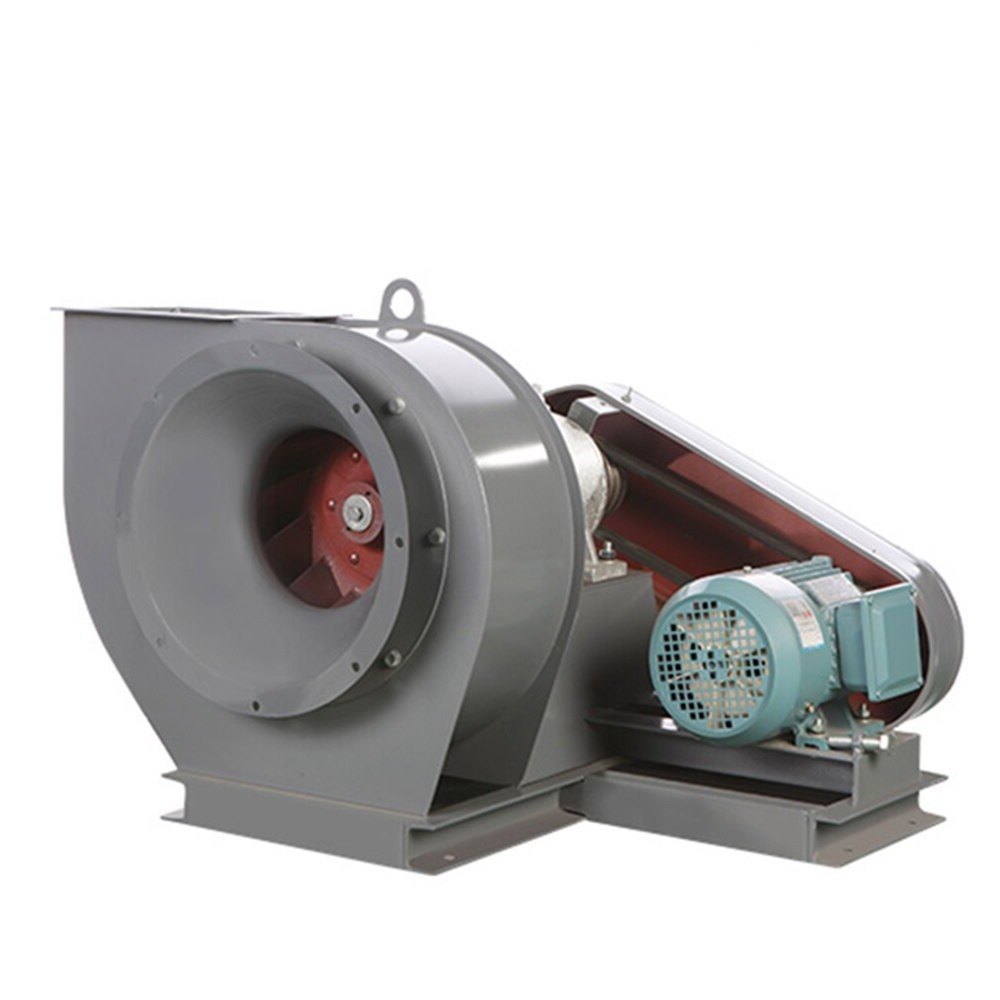
Industrial Induced Draft Centrifugal Fan - High Efficiency Air Handling Unit
View Details
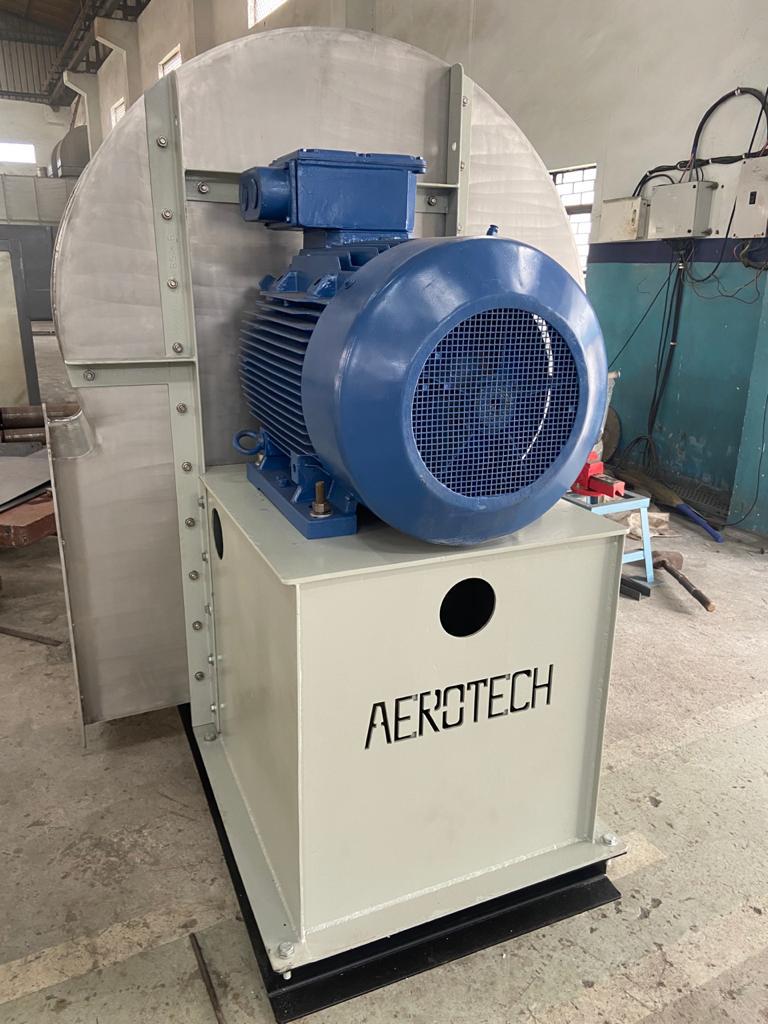
Industrial Centrifugal Blower Fan – High Efficiency Air Handling System
View Details
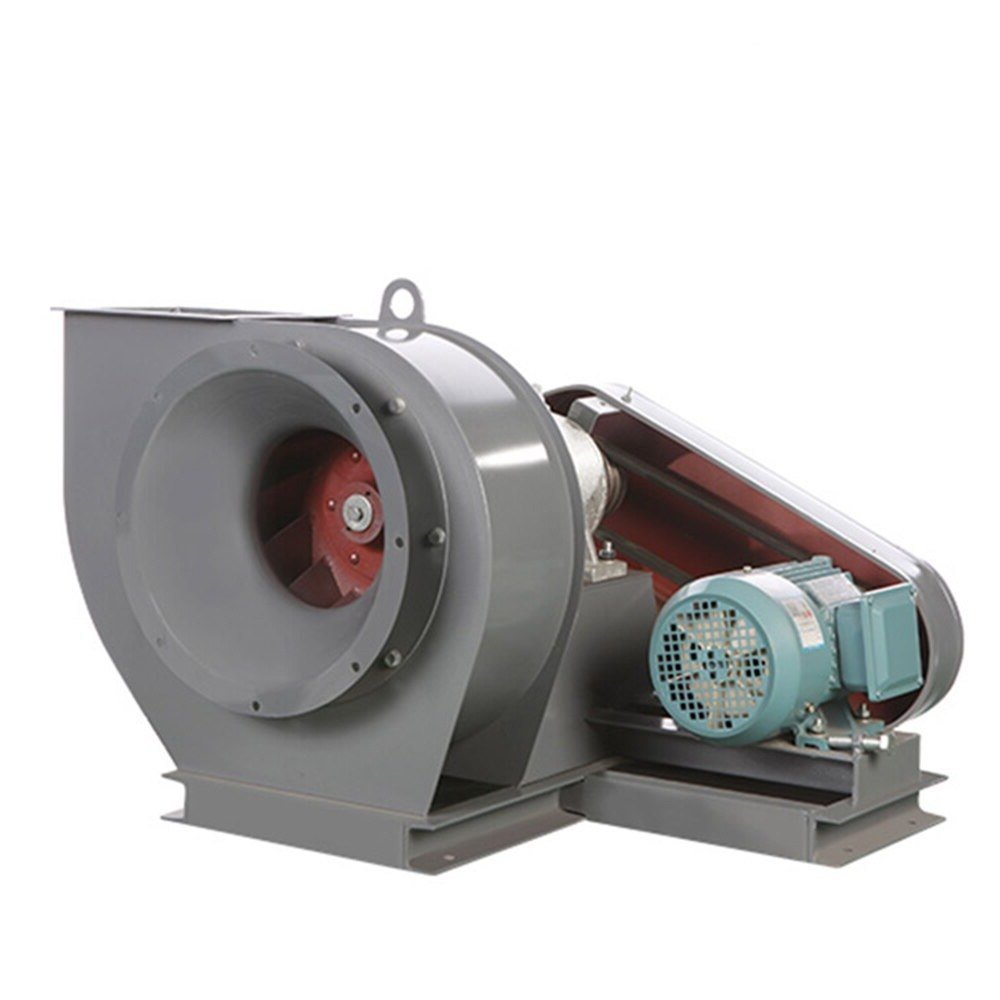
High-Pressure Industrial Centrifugal Blower Fan – Heavy-Duty Air Handling System
View Details
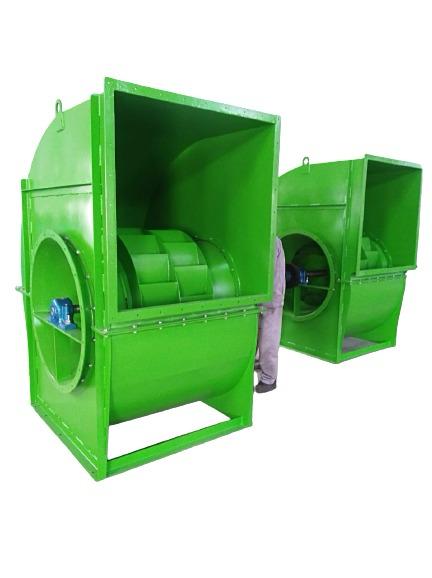
Industrial DIDW Backward Curved Centrifugal Fan - High-Efficiency Air Handling System
View DetailsA draft fan for a boiler system plays a crucial role in maintaining proper combustion and exhaust flow. Whether used in industrial heating plants or commercial facilities, the draft fan ensures that air and gases move efficiently through the boiler, supporting consistent operation and energy performance.
In a boiler setup, air movement is essential to sustain combustion and remove flue gases. The draft fan creates negative or positive pressure to control this movement. Induced draft fans pull gases out of the boiler, while forced draft fans push air into the combustion chamber. Both types are designed to keep the system balanced, safe, and efficient.
When selecting a draft fan for your boiler system, consider factors like build quality, airflow capacity, motor efficiency, and noise level. High-quality fans are built with durable materials such as steel or aluminum, offering long service life even in demanding environments.
| Feature | Benefit |
|---|---|
| High-efficiency motor | Reduces energy use and improves airflow control |
| Robust impeller design | Handles high temperatures and pressure |
| Adjustable speed control | Fine-tunes air volume for different boiler loads |
| Compact frame | Fits easily into existing boiler housings |
Draft fans are used across various industries, including manufacturing, chemical processing, food production, and power generation. In each setting, they help maintain safe combustion and reduce emissions. A well-chosen draft fan can enhance boiler efficiency and lower operating costs.
Proper installation is key to reliable performance. Ensure the fan is aligned with ductwork, sealed to prevent leaks, and connected to a stable power source. Regular maintenance includes checking bearings, cleaning impellers, and inspecting motor alignment. These steps prevent vibration and ensure smooth operation.
Start by identifying your boiler capacity and the required airflow. Then compare fan specifications such as pressure range and motor speed. Reputable manufacturers, including Aeppl, offer fans designed for both small and large boiler systems. Choosing a model that matches your application helps maintain optimal combustion and extends equipment life.
Several factors influence fan performance, including duct design, ambient temperature, and fuel type. A well-balanced system ensures that combustion gases are properly vented, preventing soot buildup and maintaining consistent heat transfer.
Modern draft fans are engineered to improve energy efficiency by minimizing power consumption while maintaining strong airflow. This helps reduce overall emissions and supports cleaner operation. Upgrading to a high-efficiency fan can also contribute to compliance with environmental regulations.
Addressing these issues early prevents downtime and protects the boiler from damage.
A well-selected draft fan keeps combustion stable, improves heat transfer, and supports smooth exhaust removal. Investing in a reliable fan is an important step toward maintaining your boiler system's efficiency and safety.
| Interval | Task |
|---|---|
| Monthly | Check motor alignment and vibration levels |
| Quarterly | Clean impeller blades and inspect seals |
| Annually | Replace worn bearings and verify airflow calibration |
Aeppl provides durable and efficient draft fans for boiler systems used in industrial and commercial applications. The company focuses on engineering reliability and long-term performance. Visit Aeppl
A draft fan controls airflow and exhaust movement, ensuring proper combustion and stable boiler operation.
A forced draft fan pushes air into the boiler for combustion, while an induced draft fan pulls flue gases out of the system.
Regular inspection every three to six months helps maintain efficiency and prevents mechanical wear.
Yes, a properly sized and maintained draft fan improves combustion efficiency and reduces fuel consumption.
Steel and aluminum are popular choices for durability and heat resistance.
Modern fans are designed with balanced impellers and insulation to minimize operational noise.
Look for signs like vibration, reduced airflow, overheating, or irregular noise during operation.
Most boilers can use draft fans, but specifications should match airflow and pressure requirements.
Yes, Aeppl produces heavy-duty draft fans designed for large industrial and commercial boiler systems.
Aeppl focuses on engineering reliability and efficiency, offering durable fans that perform consistently under demanding conditions.