

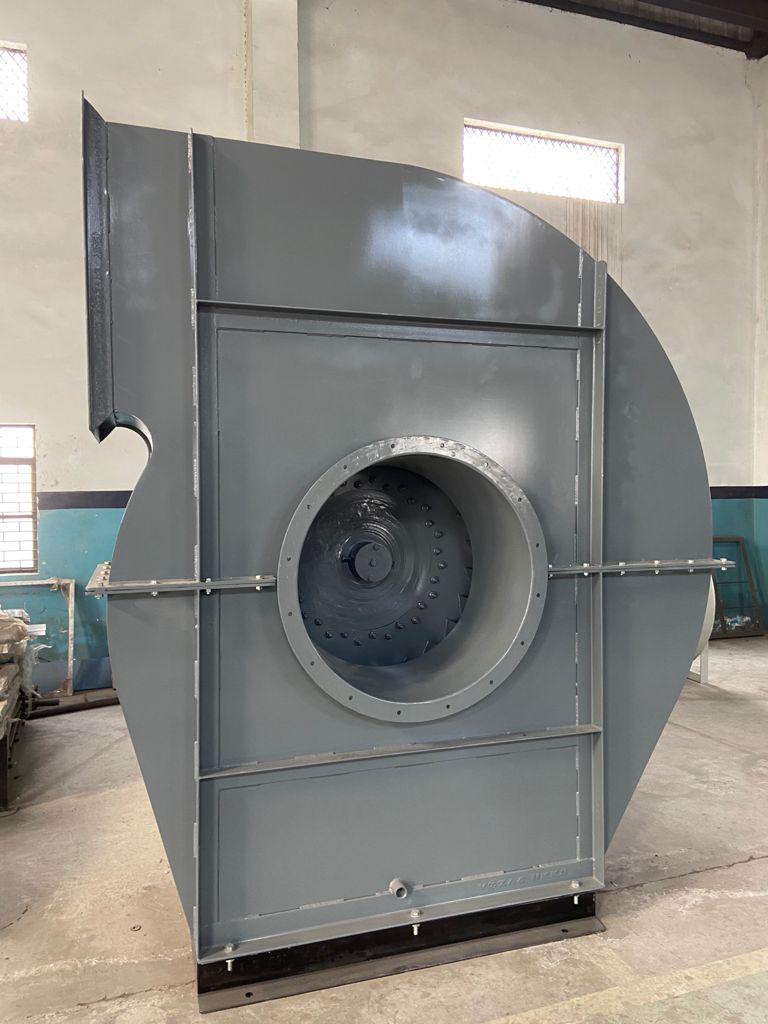
Industrial Mild Steel Centrifugal Blower - High Efficiency Air Handling Unit
View Details
Industrial Mild Steel Centrifugal Blower - High Efficiency Air Handling Unit
View Details
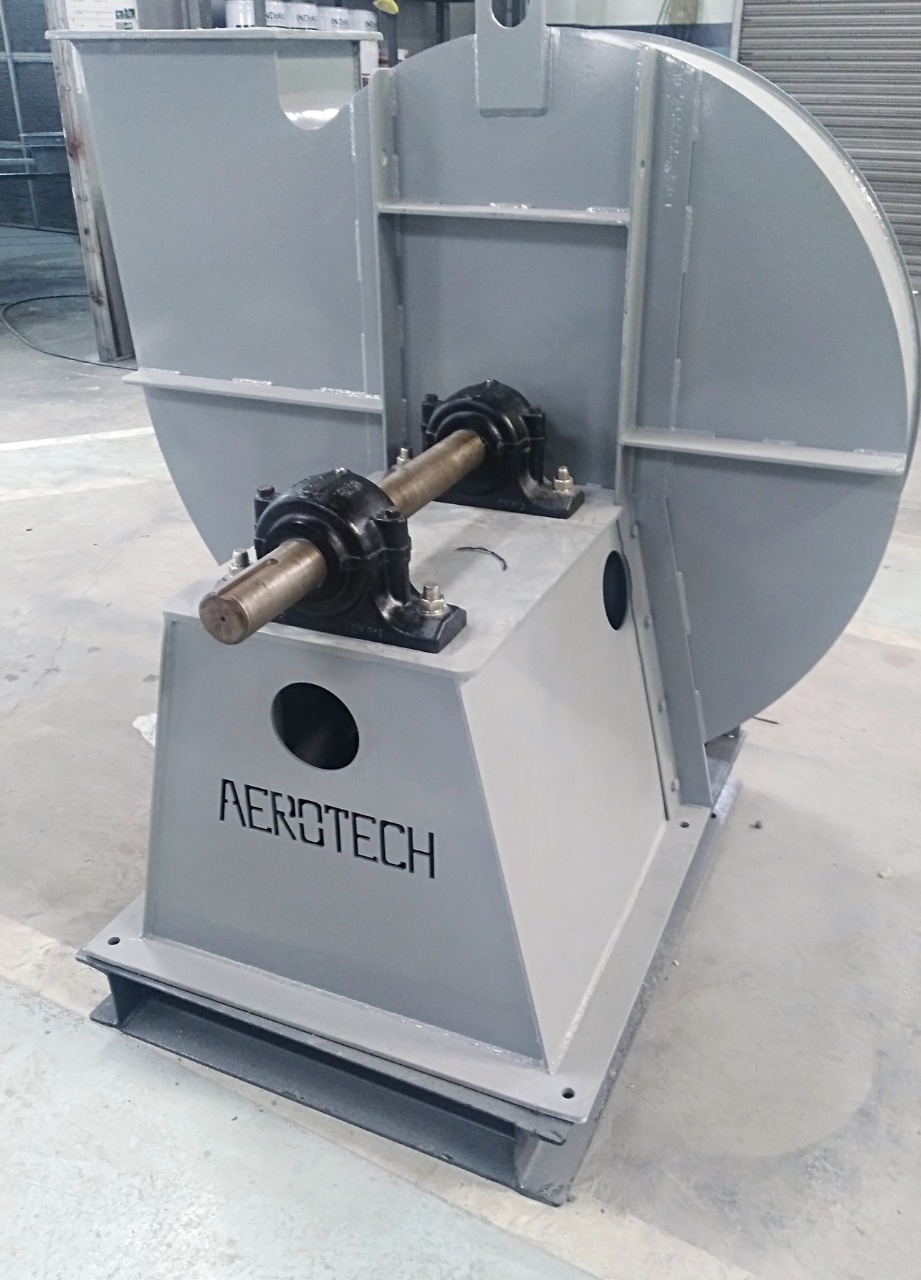
Industrial Centrifugal Ventilation Blower – Heavy-Duty Air Handling Unit
View Details

Industrial Forward Curved Centrifugal Blower – High Efficiency Air Handling Fan
View Details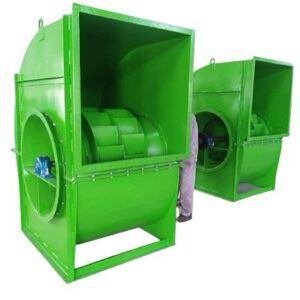
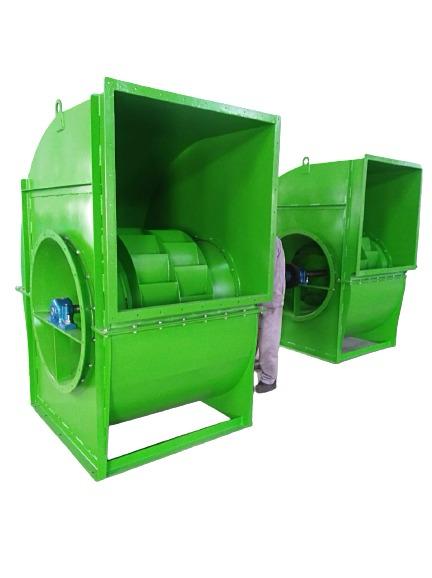
Industrial Backward Curved Centrifugal Blower - High Efficiency Air Handling System
View Details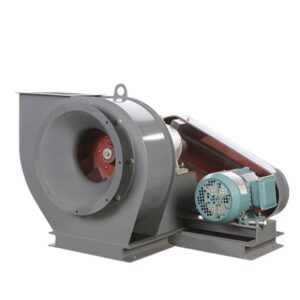
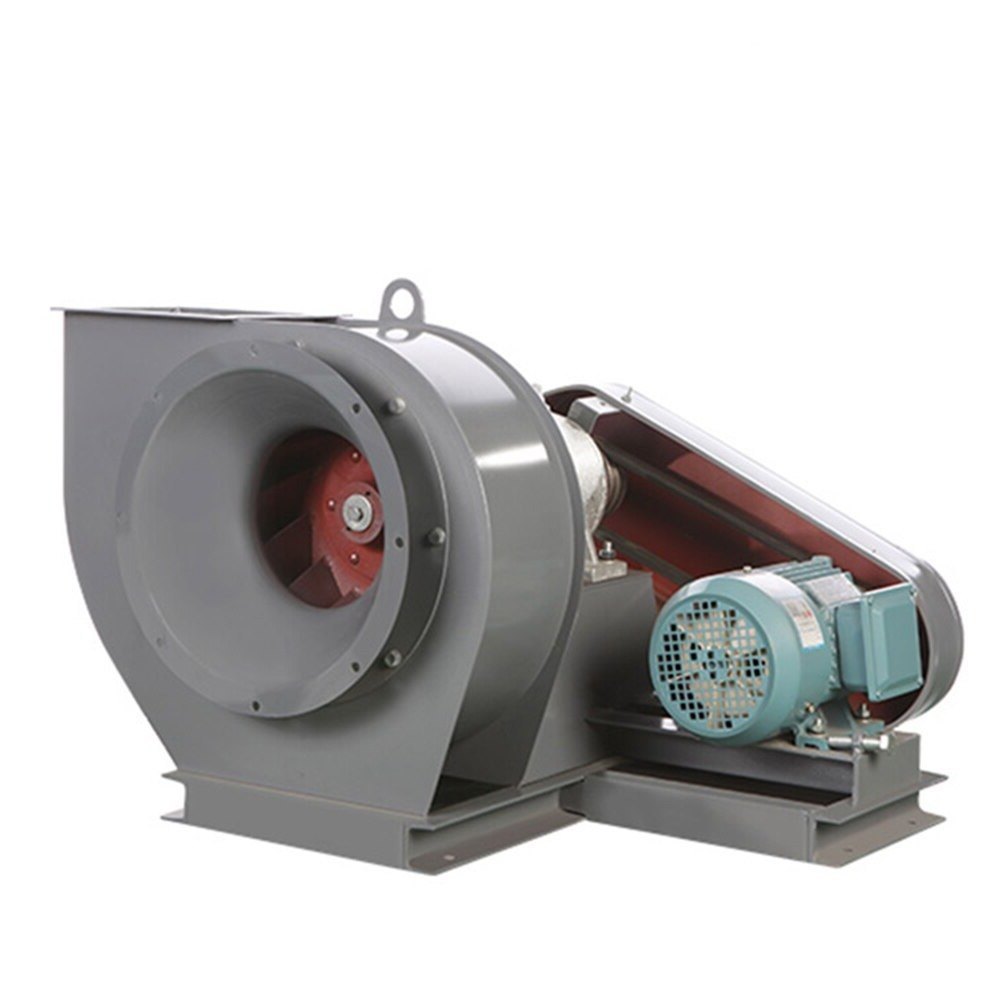
Heavy-Duty Industrial V-Belt Centrifugal Blower - High Airflow Performance
View Details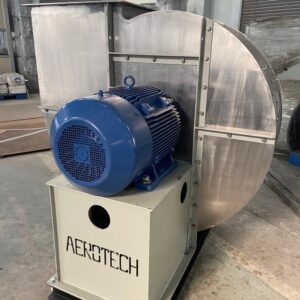
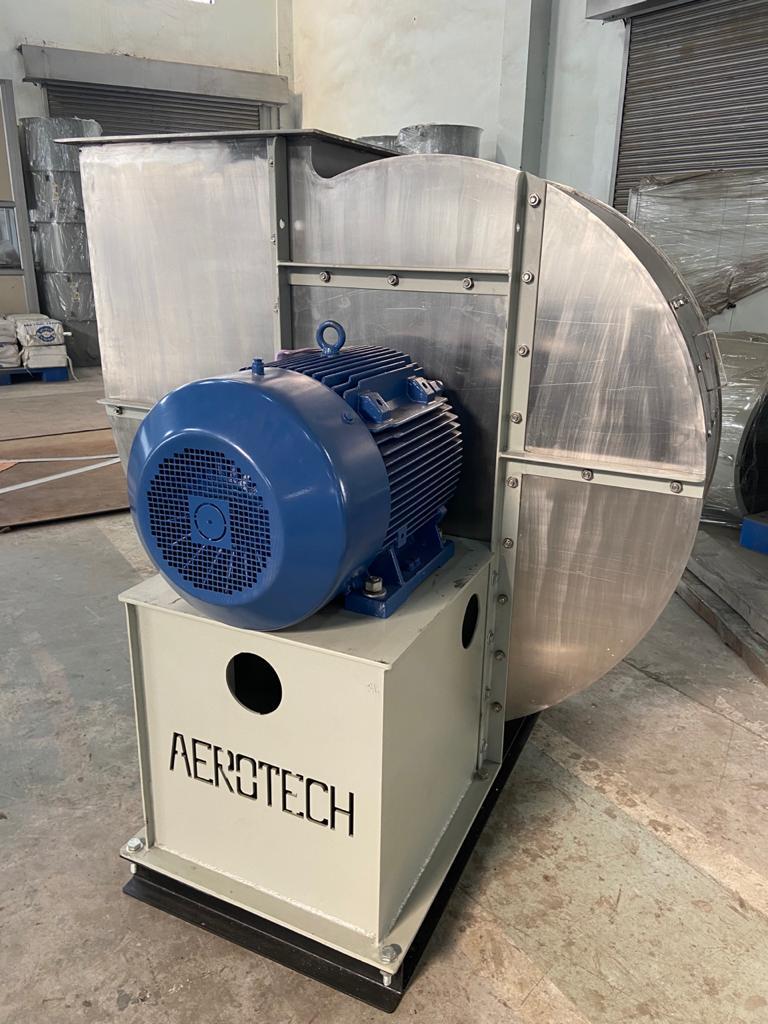
Industrial Direct Driven Centrifugal Blower – High Efficiency Air Handling System
View Details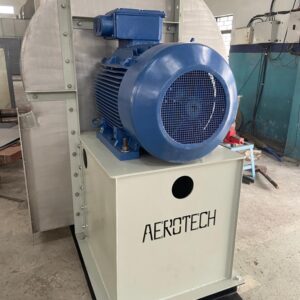
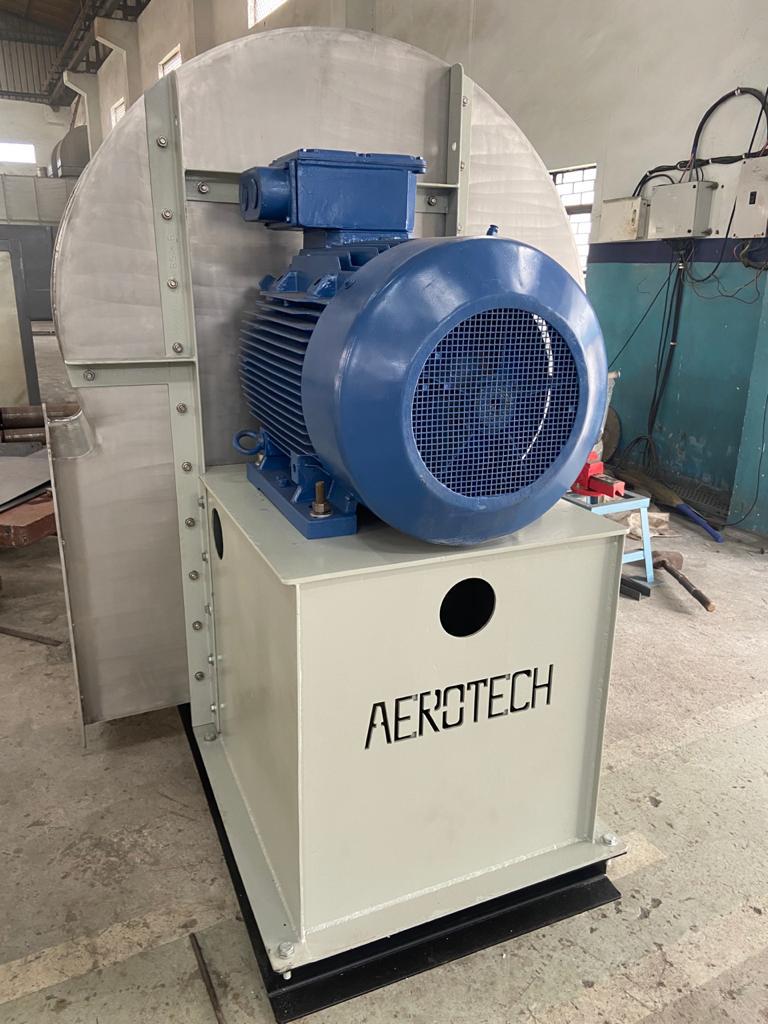
Industrial Centrifugal Blower Fan – High Efficiency Air Handling System
View Details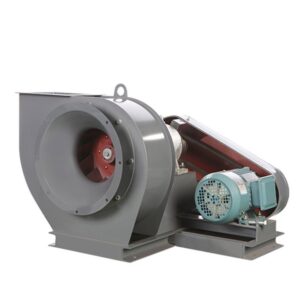

Industrial Boiler Centrifugal Fan – High Efficiency Air Blower
View DetailsA centrifugal blower plays a vital role in industrial air handling systems. It moves air or gas at controlled pressure and volume, supporting processes that require consistent airflow. Using a rotating impeller, the blower converts mechanical energy into air movement. This principle makes centrifugal blowers essential in manufacturing plants, HVAC setups, material handling, and process ventilation.
Air enters through the inlet and is accelerated outward by centrifugal force created by the impeller. The housing directs this air through the discharge outlet, producing a steady flow under varying pressure conditions. This design is preferred for applications that demand reliability and minimal maintenance, even in dusty or high-temperature environments.
| Type | Drive Mechanism | Best For | Efficiency Range |
|---|---|---|---|
| Direct Driven Centrifugal Blower | Motor directly coupled | Compact installations | High |
| V-Belt Centrifugal Blower | Belt transmission | Variable speed control | Medium to High |
| Backward Curved Centrifugal Blower | Curved impeller blades | Energy-efficient systems | Very High |
| Forward Curved Centrifugal Blower | Forward blade design | Low-pressure applications | Moderate |
Centrifugal blowers are widely used in sectors such as cement, steel, power generation, chemical processing, and HVAC. They help maintain air quality, regulate temperature, and support combustion systems. As industrial automation advances, many centrifugal blowers now include control interfaces and sensors that help monitor performance and predict maintenance needs.
Modern centrifugal blowers are built to meet international efficiency and safety standards. Optimized impeller profiles and motor configurations reduce energy consumption and noise levels. Compliance with ISO and CE guidelines ensures dependable operation. Facilities focused on sustainability benefit from using energy-efficient centrifugal blowers that reduce overall power usage.
Each facility has unique airflow requirements. Aeppl designs centrifugal blowers customized for specific static pressure, volume flow, and environmental conditions. Options include tailored inlet shapes, protective coatings, and automation-ready control panels that integrate seamlessly with existing plant systems.
| Customization Parameter | Available Range | Benefit |
|---|---|---|
| Airflow Capacity | Up to 100,000 CFM | Handles large process volumes |
| Pressure Range | Up to 1200 mm WG | Supports high static pressure |
| Material Options | MS, SS, Aluminum | Resists corrosion and wear |
| Drive Type | Direct or Belt | Provides flexible speed control |
Aeppl offers technical guidance, performance testing, and after-sales support for every centrifugal blower. Experienced engineers assist with installation, balancing, and operational optimization. For help or inquiries, email sales@aeppl.com or call +91-9599785811, +91 8377077661, or +91 9810162210.
Aerotech Equipments and Projects Pvt. Ltd. (Aeppl) is a leading manufacturer of industrial air handling equipment. With decades of engineering experience, Aeppl provides centrifugal blowers built for durability, efficiency, and long-term value across industries. Visit Aeppl
A centrifugal blower moves air or gas in industrial systems that need steady airflow and pressure control, such as ventilation, dust collection, and combustion processes.
A centrifugal blower uses radial impellers to create higher pressure, while an axial fan moves air along its axis with lower pressure but higher volume.
Performance depends on impeller design, motor speed, air density, and system resistance. Proper selection ensures efficiency and minimal energy loss.
Yes, with materials such as stainless steel or coated aluminum, centrifugal blowers can manage corrosive or contaminated air streams safely.
Inspect bearings, belts, and impeller balance regularly. Clean and lubricate components to maintain airflow and extend equipment life.
Yes, they can be built with heat-resistant materials and cooling systems for use in furnaces, kilns, or exhaust applications.
Determine airflow, static pressure, and environmental conditions. Reviewing technical data sheets helps identify the correct capacity.
Modern centrifugal blowers can include control panels and sensors for automated monitoring and performance optimization.
Yes, Aeppl designs centrifugal blowers tailored to specific industrial requirements including material, pressure, and airflow customization.
You can reach Aeppl at sales@aeppl.com or call +91-9599785811, +91 8377077661, or +91 9810162210 for technical support and product inquiries.