
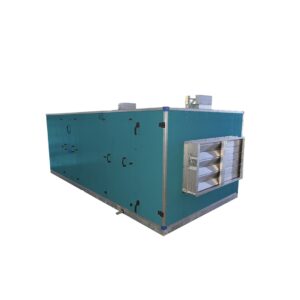
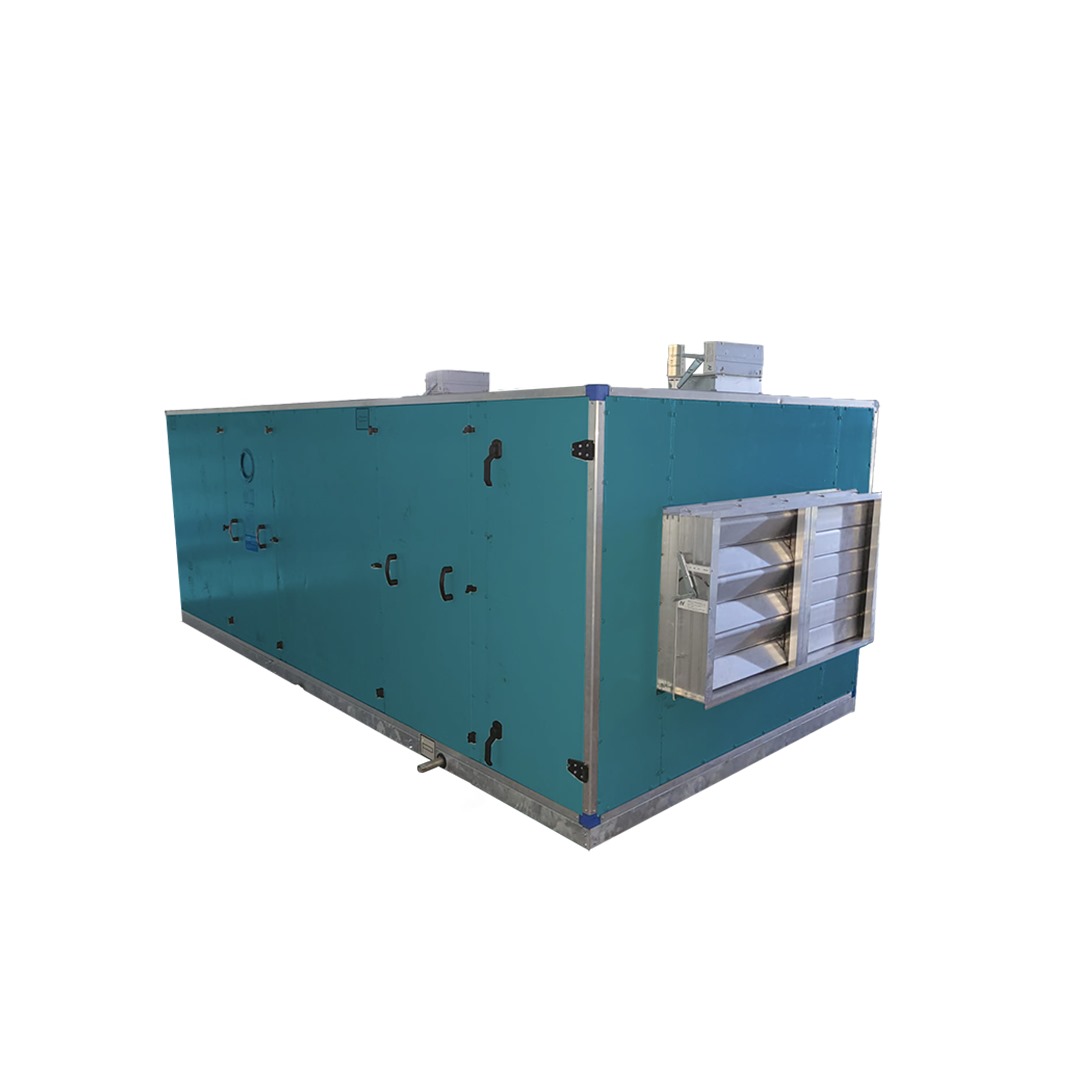
Industrial Modular Air Handling Unit - High Efficiency HVAC System
View Details
Industrial Modular Air Handling Unit - High Efficiency HVAC System
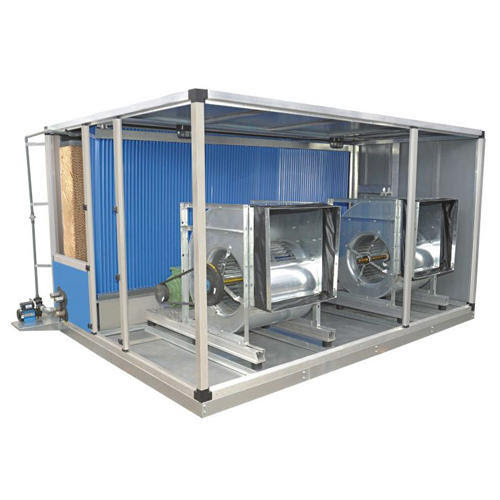
View Details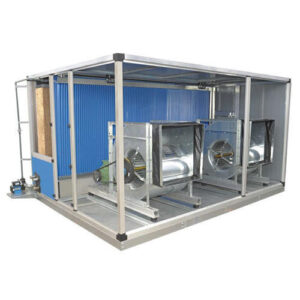
Industrial Fresh Air Handling Unit – High Efficiency Ventilation System
View Details
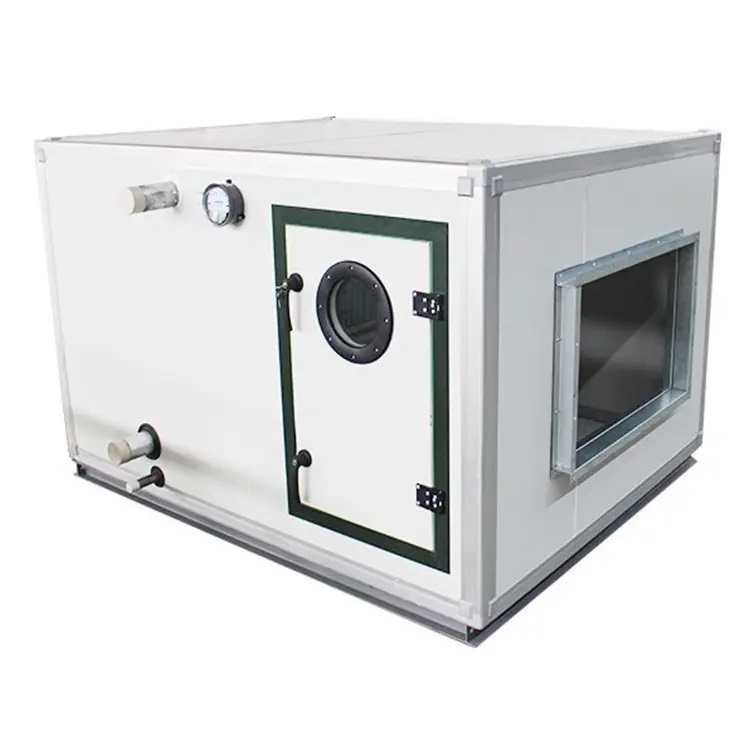
Industrial Treated Fresh Air Unit – Energy-Efficient Air Handling System
View Details
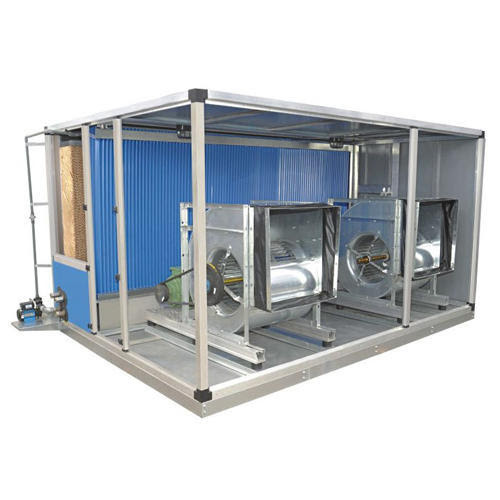
Industrial Air Washer Unit – High Efficiency Cooling & Air Handling System
View Details
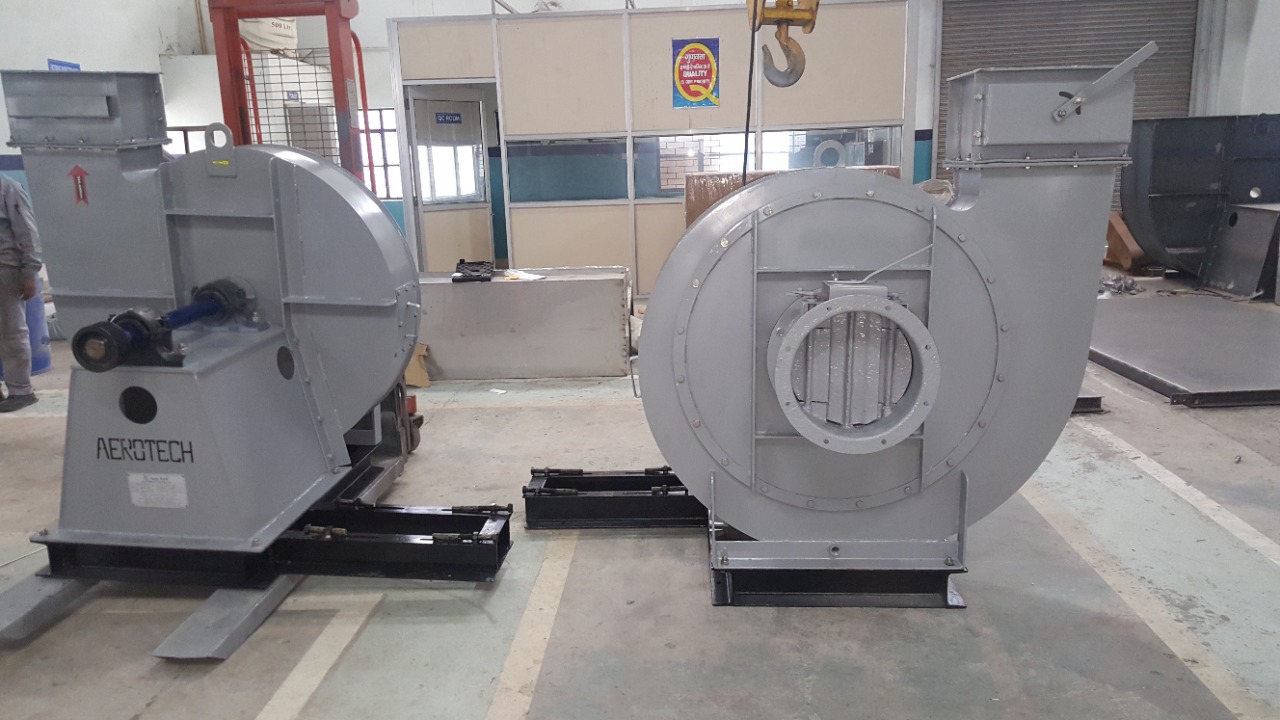
Industrial High-Pressure Centrifugal Blower - Heavy-Duty Air Handling System
View Details
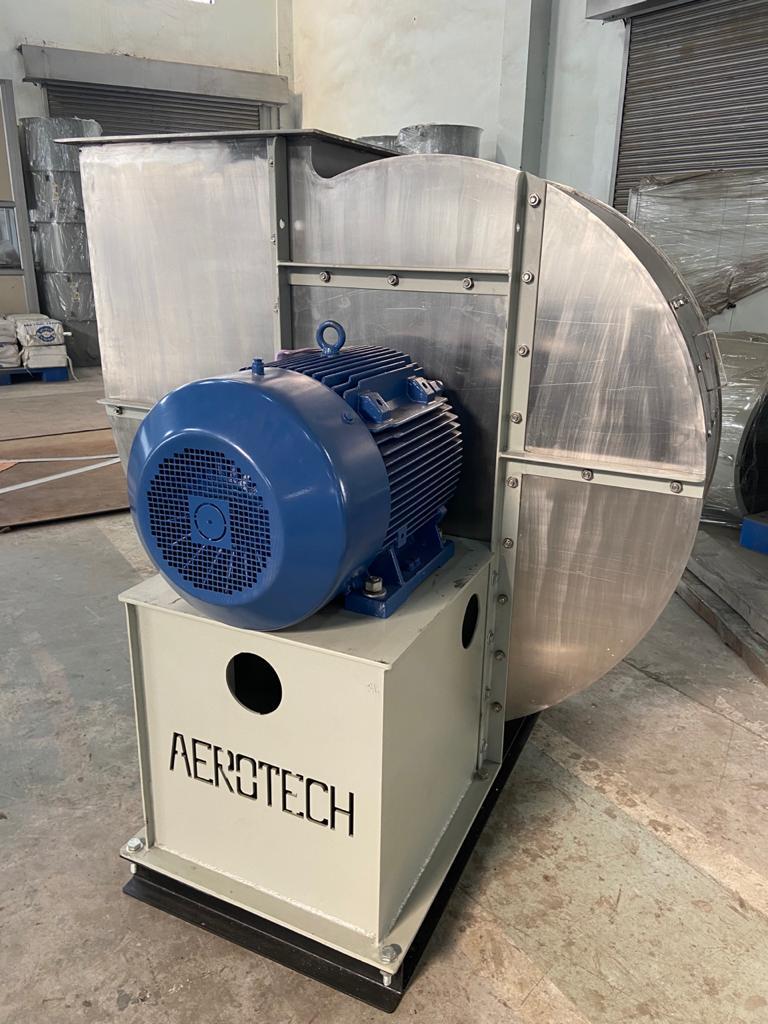
Industrial Direct Driven Centrifugal Blower – High Efficiency Air Handling System
View Details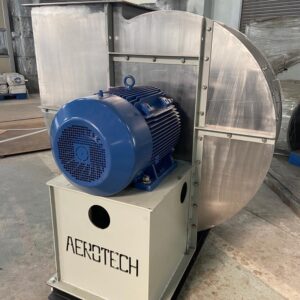
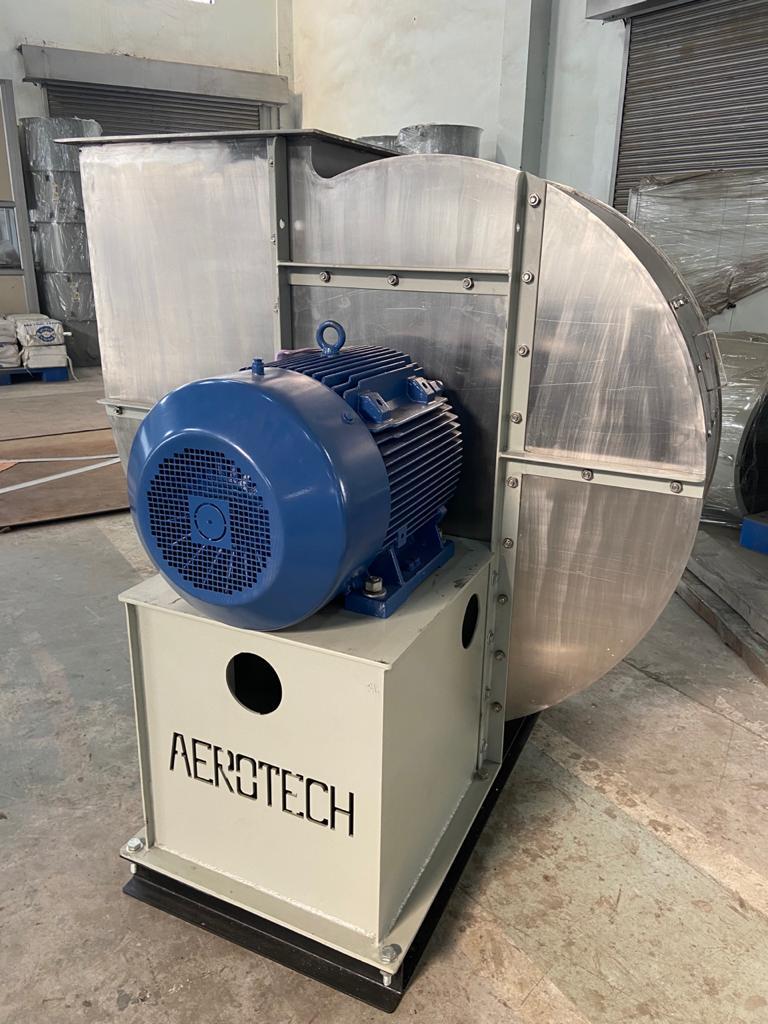
Industrial Low-Pressure Centrifugal Blower - High Efficiency Air Handling Unit
View Details
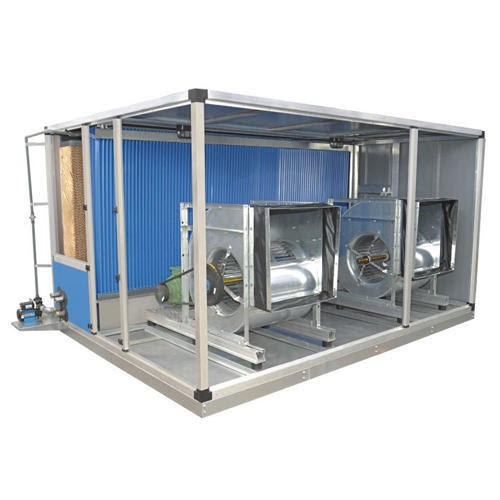
Industrial Evaporative Air Cooling Unit - High Efficiency HVAC System
View DetailsIndustrial boiler and furnace air handling systems are essential for managing airflow, combustion efficiency, and temperature stability in facilities that depend on controlled heating. These systems ensure a steady supply of air while maintaining exhaust balance, which directly affects fuel use, emissions, and overall plant safety.
Engineers design air handling systems to achieve precise pressure control and temperature management. When properly configured, these systems help reduce energy consumption, improve heat transfer, and extend the lifespan of boilers and furnaces used in demanding industrial operations.
Every industrial air handling setup requires careful planning to match process demands. The system typically includes blowers, ducts, filters, and control panels that work together to maintain consistent airflow and temperature. Integration with plant automation allows operators to monitor performance and adjust settings in real time.
| Feature | Standard Air Handling | Boiler and Furnace System |
|---|---|---|
| Temperature Resistance | Up to 60°C | Up to 180°C |
| Pressure Range | Low to Medium | Medium to High |
| Energy Efficiency | Moderate | High |
| Maintenance Interval | Frequent | Extended |
Industrial sectors that rely on precise combustion and heat control depend heavily on boiler and furnace air handling systems. Common users include:
Each facility has unique airflow and pressure requirements. Engineers often tailor configurations by selecting high-pressure blowers, specialized filters, or modular air handling assemblies. This customization ensures compliance with local emission standards and maintains consistent thermal performance even under variable loads.
Explore industrial-grade equipment built for reliability and efficiency:
Energy efficiency is a major focus in modern industrial operations. Advanced boiler and furnace air handling systems are built to minimize power use while maintaining precise airflow. Intelligent sensors and variable speed drives help control combustion air volume, reducing emissions and supporting compliance with updated environmental standards.
| Parameter | Advantage |
|---|---|
| Energy Use | Up to 30 percent reduction through optimized airflow |
| Noise Control | Engineered housings reduce vibration and sound levels |
| Safety | Improved insulation and airflow management for stable operation |
| Automation | Compatible with plant monitoring and control systems |
Regular maintenance keeps air handling systems operating efficiently. Inspections of filters, motors, and ducts help prevent performance loss and ensure consistent air quality. Industrial operators can rely on professional service teams for installation, commissioning, and ongoing technical support. For consultation or assistance, reach out to Aeppl at +91-9599785811, +91 8377077661, +91 9810162210 or email sales@aeppl.com.
Aeppl, Aerotech Equipments and Projects Pvt. Ltd., is an Indian manufacturer and exporter specializing in industrial air handling and ventilation systems. With decades of engineering experience, Aeppl provides durable, high-performance solutions for boiler and furnace applications worldwide. Visit Aeppl
They manage airflow and temperature control for combustion and exhaust processes in industrial boilers and furnaces, ensuring efficiency and safety.
By regulating airflow and maintaining stable combustion conditions, they reduce fuel consumption and improve heat transfer within the system.
Design configuration, blower capacity, duct layout, and filter quality all influence system performance and energy efficiency.
Yes, customization allows integration with different boiler capacities, fuel types, and control systems to meet specific process requirements.
Routine inspection, filter replacement, lubrication, and system calibration help maintain consistent airflow and prevent breakdowns.
Most current systems support integration with plant automation and monitoring software for precise control and data-based optimization.
They reduce energy use, minimize emissions, and support compliance with environmental standards through efficient airflow management.
Power generation, metal processing, chemical, textile, and food industries rely on these systems for controlled heating and ventilation.
Aeppl offers engineering assistance, installation supervision, and commissioning support for industrial air handling systems.
Reach Aeppl at +91-9599785811, +91 8377077661, +91 9810162210 or email sales@aeppl.com for system design and project discussions.