
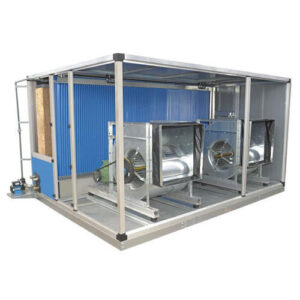
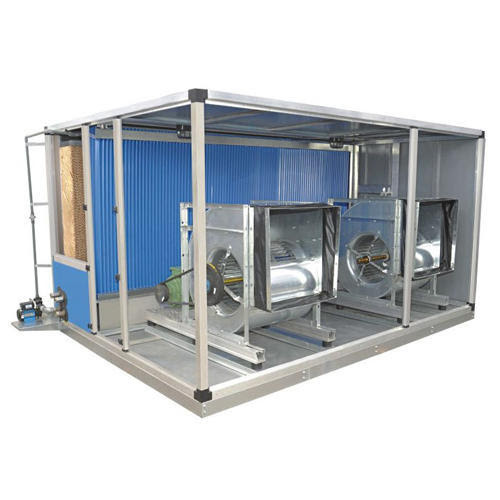
Industrial Air Washer Unit – High Efficiency Cooling & Air Handling System
View Details
Industrial Air Washer Unit – High Efficiency Cooling & Air Handling System
View Details
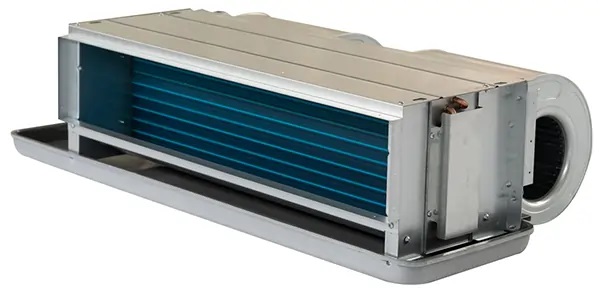
Ceiling Concealed Fan Coil Unit - High Efficiency HVAC Air Handling System
View Details
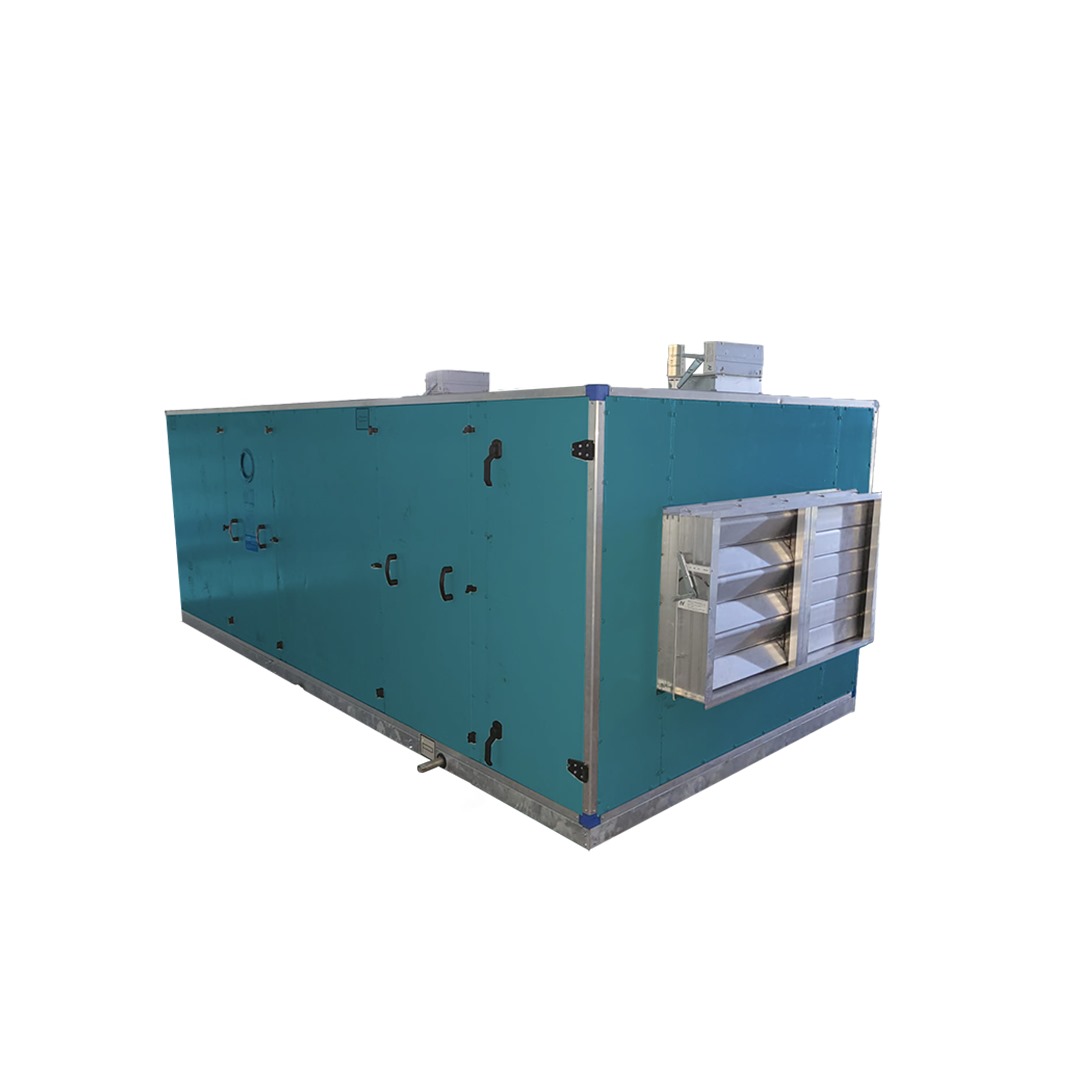
Industrial Modular Air Handling Unit - High Efficiency HVAC System
View Details
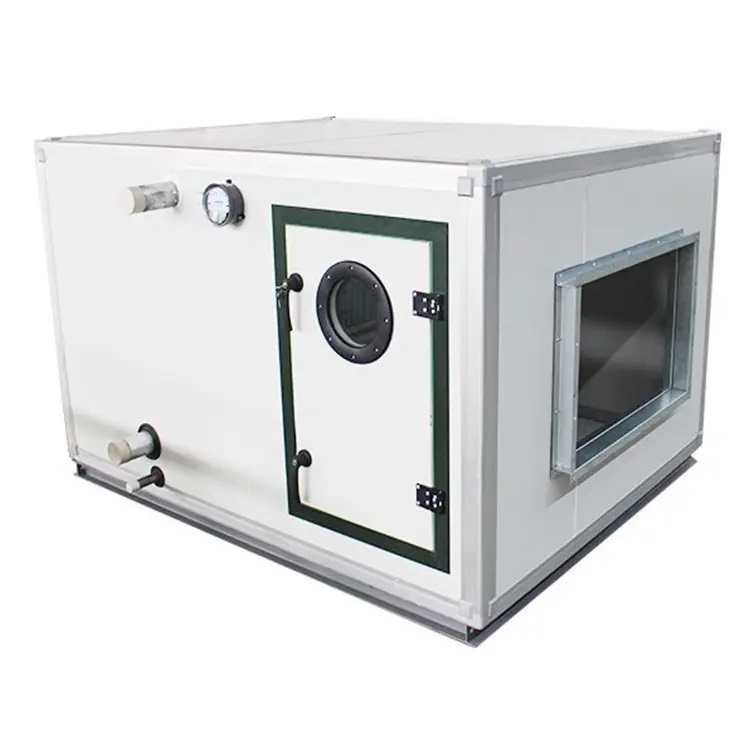
Industrial Treated Fresh Air Unit – Energy-Efficient Air Handling System
View Details
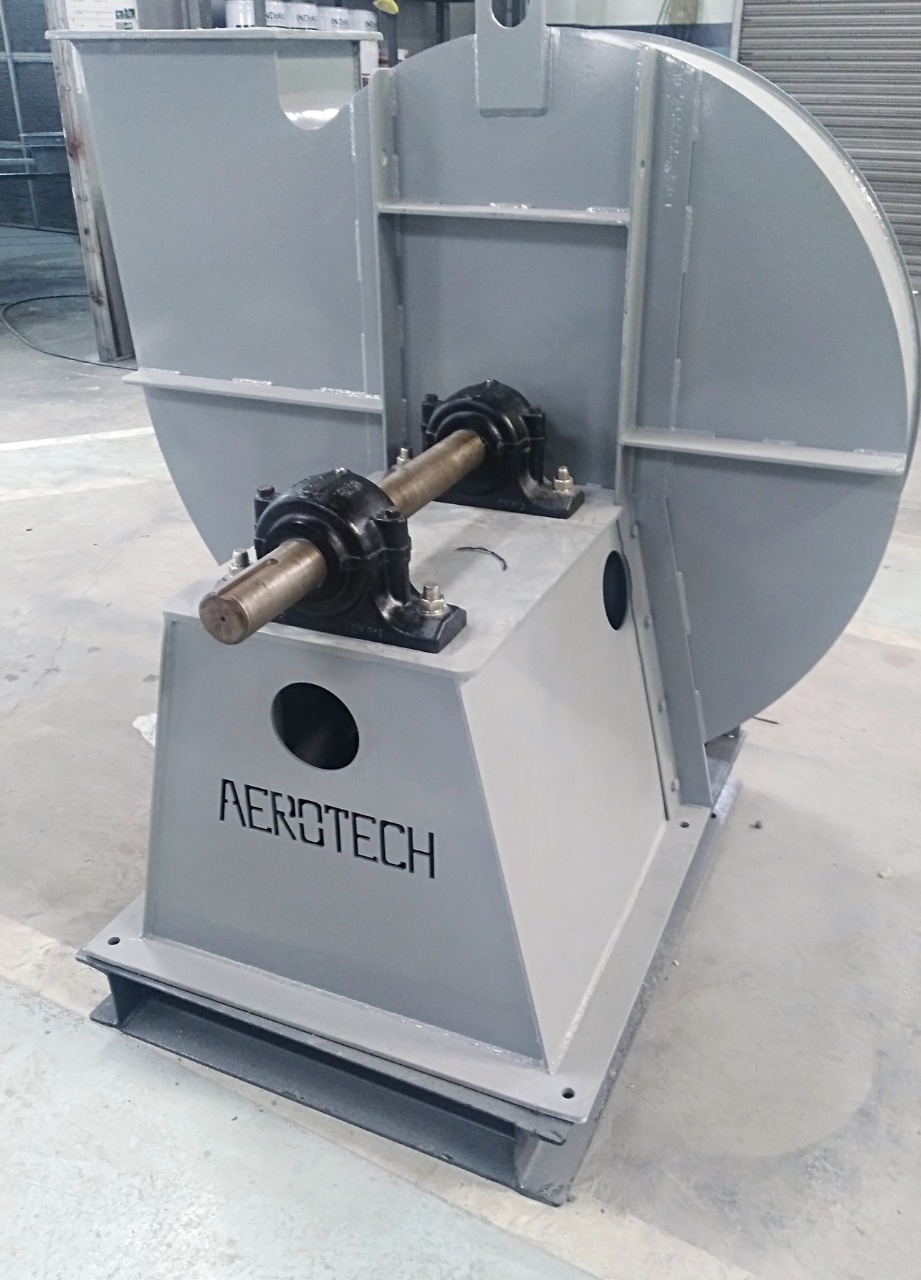
Industrial Centrifugal Ventilation Blower – Heavy-Duty Air Handling Unit
View Details
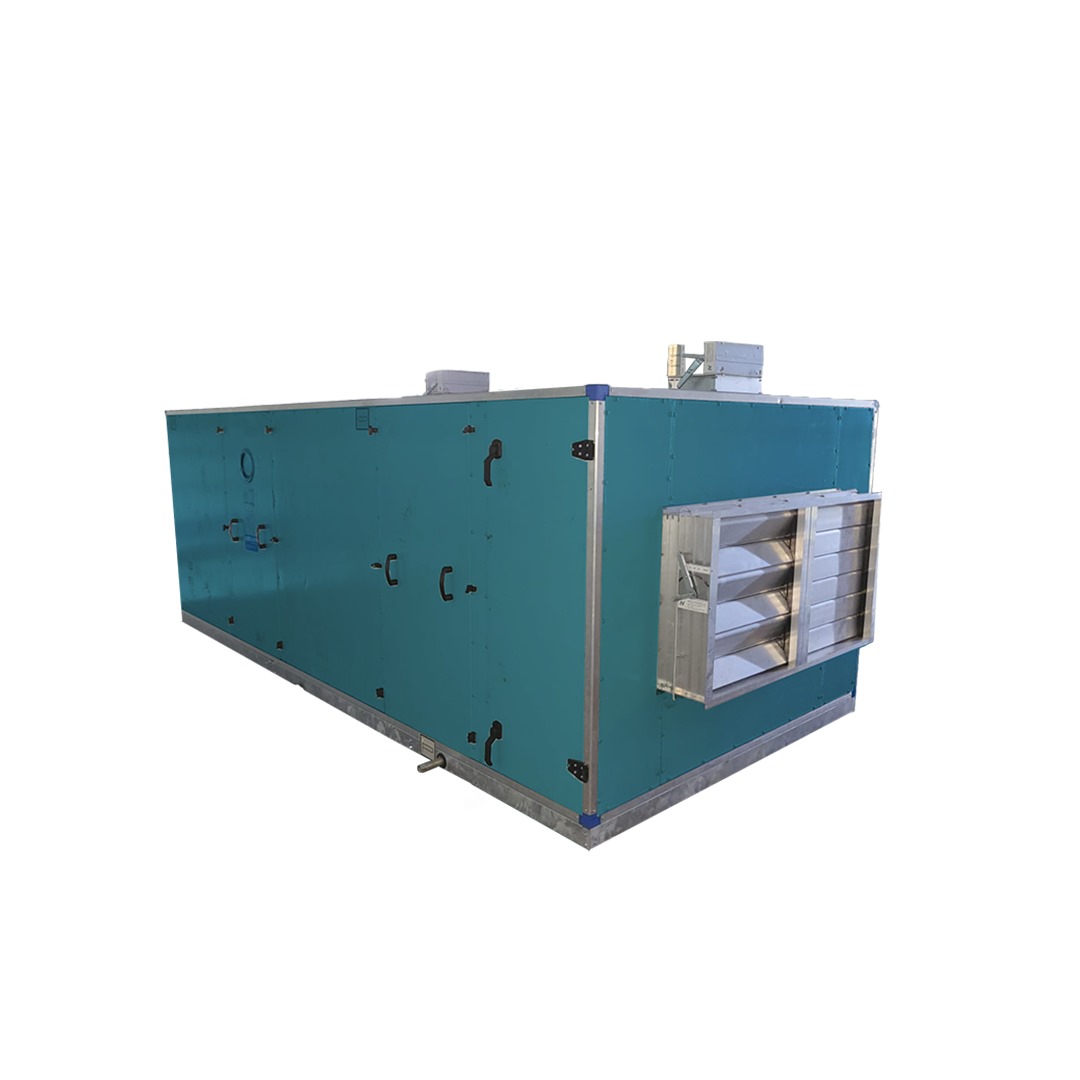
Ceiling Suspended Air Handling Unit – High Efficiency HVAC System for Commercial Use
View Details
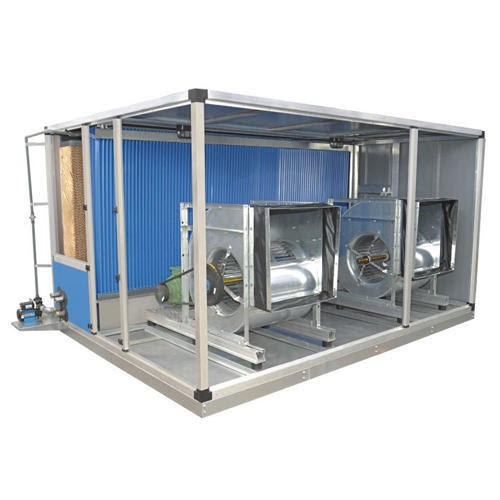
Industrial Evaporative Air Cooling Unit - High Efficiency HVAC System
View Details
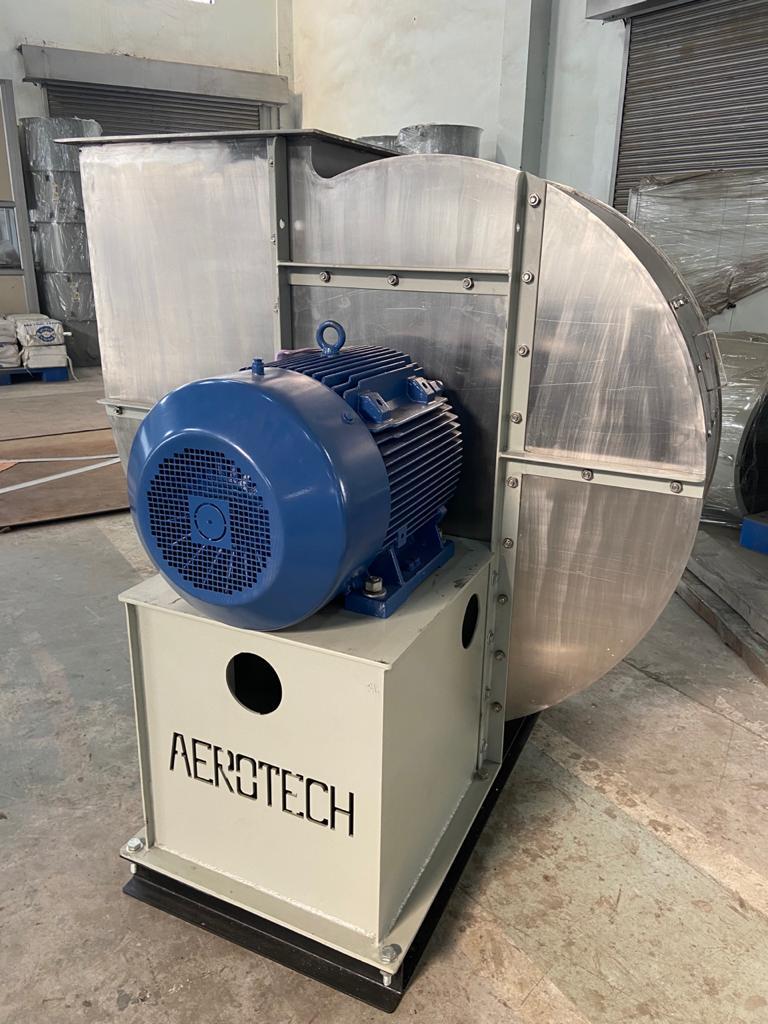
Industrial Low-Pressure Centrifugal Blower - High Efficiency Air Handling Unit
View DetailsAn air handling unit cooling coil is essential for maintaining comfortable air temperatures and humidity levels in industrial and commercial spaces. It works by transferring heat between air and chilled water or refrigerant, helping facilities achieve stable indoor conditions while keeping energy use under control. Engineers and maintenance teams depend on well-built coils that can handle continuous operation without performance loss.
Inside an air handling unit, the cooling coil acts as a heat exchanger. As air passes over the coil surface, it cools down before being distributed throughout the building. The process is simple but vital for efficient HVAC operation. A properly selected coil ensures balanced airflow, consistent cooling, and lower power consumption. Industries such as pharmaceuticals, manufacturing, and food processing rely on these systems to protect product quality and maintain worker comfort.
Several technical parameters influence how effectively a cooling coil performs. Understanding these helps in selecting the right unit for your application.
| Parameter | Typical Range | Effect on Performance |
|---|---|---|
| Fin Spacing | 8 to 14 fins per inch | Affects heat transfer rate and airflow resistance |
| Tubing Material | Copper or Aluminum | Determines corrosion resistance and thermal efficiency |
| Coil Configuration | Single or Double Circuit | Provides flexibility for varying cooling loads |
| Design Pressure | Up to 30 bar | Ensures safe operation under demanding conditions |
Choosing between standard and high-efficiency coil designs depends on your system’s cooling demands and long-term cost considerations.
| Feature | Standard Coil | High-Efficiency Coil |
|---|---|---|
| Fin Design | Plain aluminum | Textured fins for improved heat transfer |
| Energy Consumption | Moderate | Reduced power usage over time |
| Maintenance Frequency | Regular | Extended intervals with protective coatings |
| Application Range | General HVAC | Heavy-duty industrial systems |
Today’s air handling unit cooling coils often connect with automated building management systems. This integration allows for better temperature control, energy tracking, and predictive maintenance. As industries focus on sustainability and efficiency, coil designs that reduce refrigerant leakage and enhance thermal performance are increasingly preferred.
Aeppl engineers design cooling coils to fit specific air handling unit capacities and site conditions. Options include copper tubes with aluminum fins for general use, epoxy-coated coils for corrosive environments, and stainless steel housings for hygienic applications. Each coil is built to ensure reliable operation and easy installation.
Aeppl’s engineering team provides guidance for coil sizing, performance evaluation, and installation planning. You can reach the team at +91-9599785811, +91 8377077661, or +91 9810162210, or email sales@aeppl.com for detailed assistance and specifications.
Aerotech Equipments and Projects Pvt. Ltd. (Aeppl) is a trusted Indian manufacturer of air handling and ventilation systems. The company provides engineered solutions for cooling and air movement applications across multiple industries. Visit Aeppl
It is a heat exchanger that cools air as it passes through an air handling unit using chilled water or refrigerant.
Selection depends on airflow rate, cooling capacity, coil material, and system pressure requirements.
Yes, coils can be engineered with specific materials, fin spacing, and circuit designs to suit unique site conditions.
Copper tubes with aluminum fins are standard, though stainless steel and coated options are available for corrosive environments.
Cleaning intervals depend on air quality and system load, typically every 6 to 12 months for optimal performance.
Reduced cooling efficiency, increased energy consumption, and visible corrosion or leakage indicate replacement may be needed.
Modern coils can integrate with building management systems for temperature control and predictive maintenance.
Fin spacing affects heat transfer and airflow resistance, influencing overall system efficiency.
Yes, Aeppl offers design consultation, performance data, and customization support for industrial projects.
You can reach Aeppl at +91-9599785811, +91 8377077661, +91 9810162210 or email sales@aeppl.com for detailed information.